Quick Answer
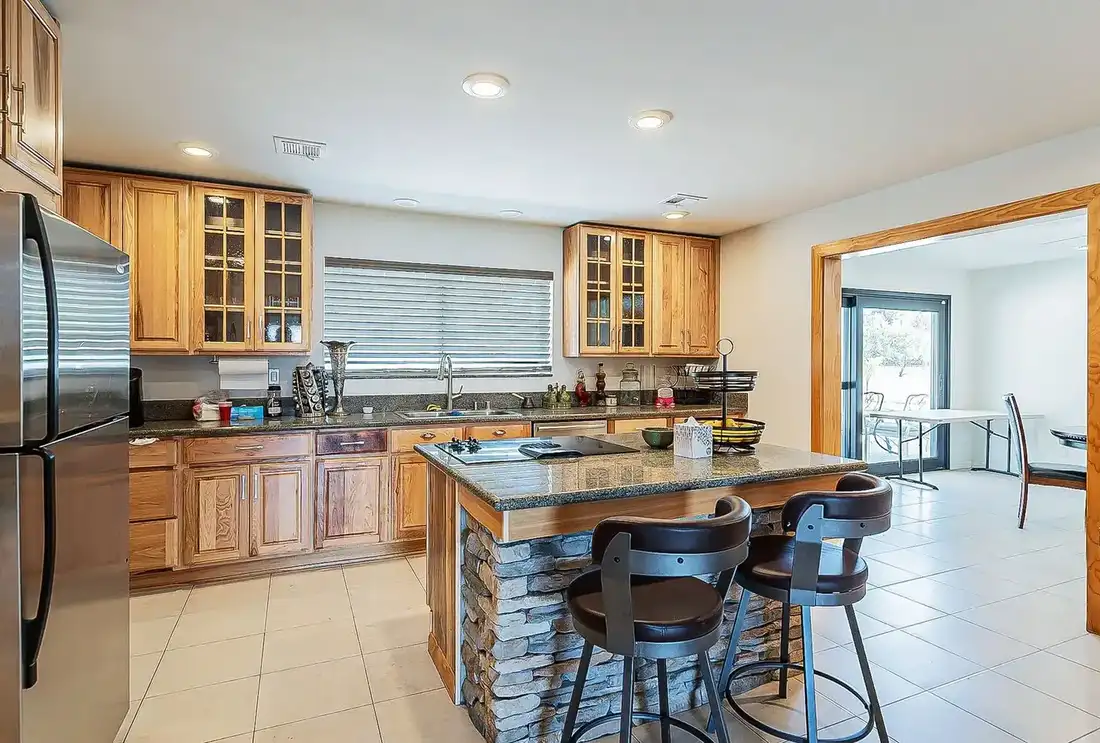
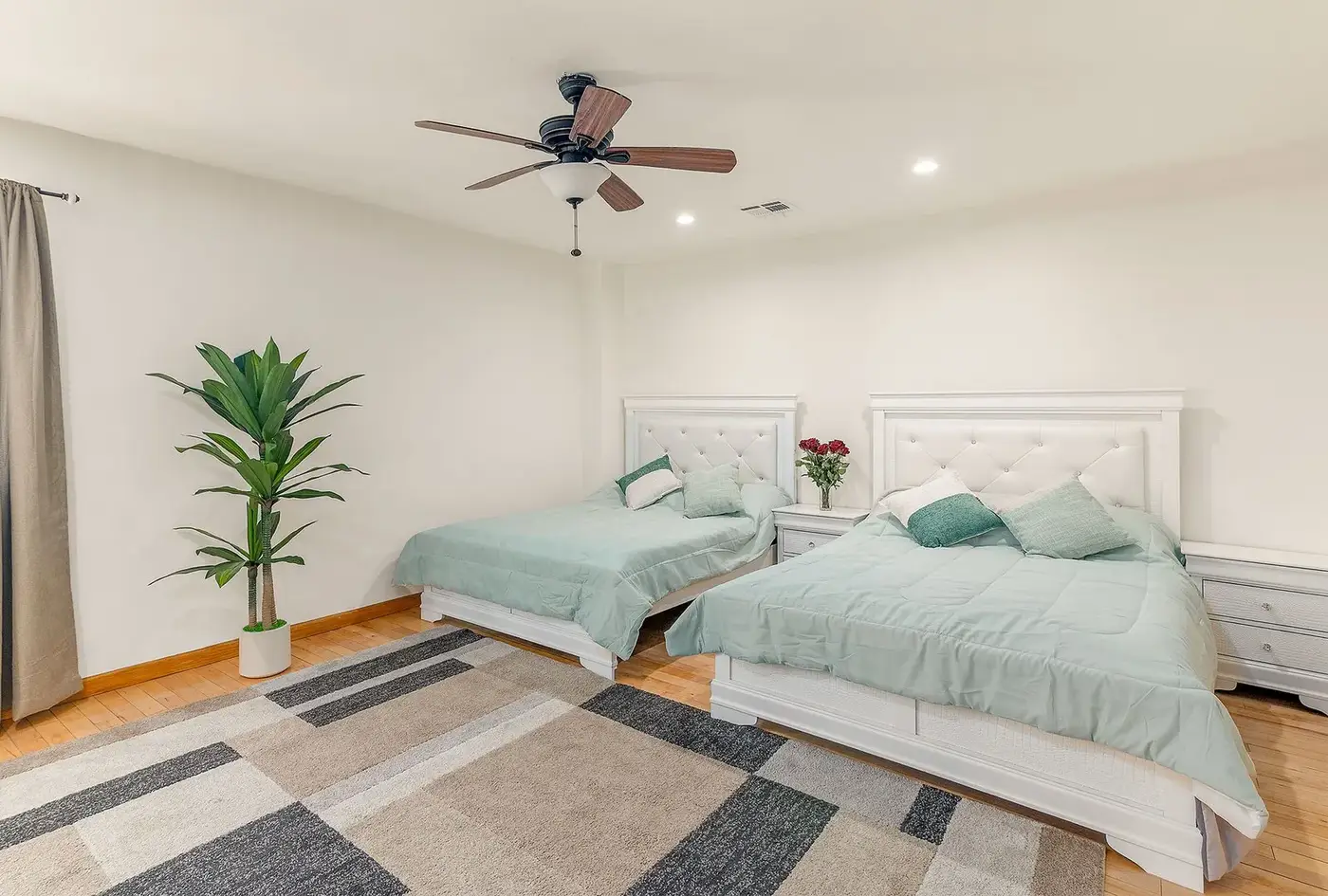
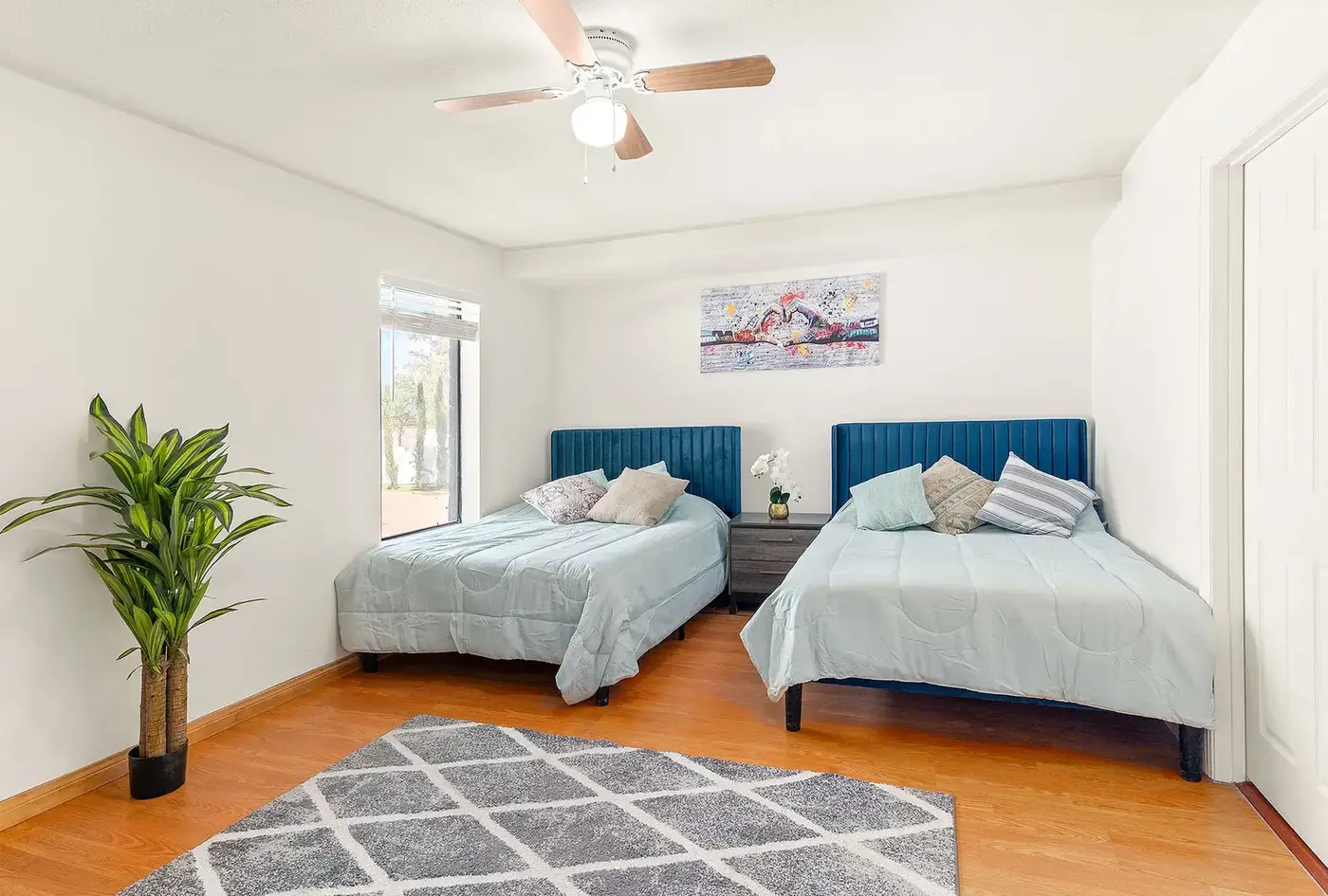
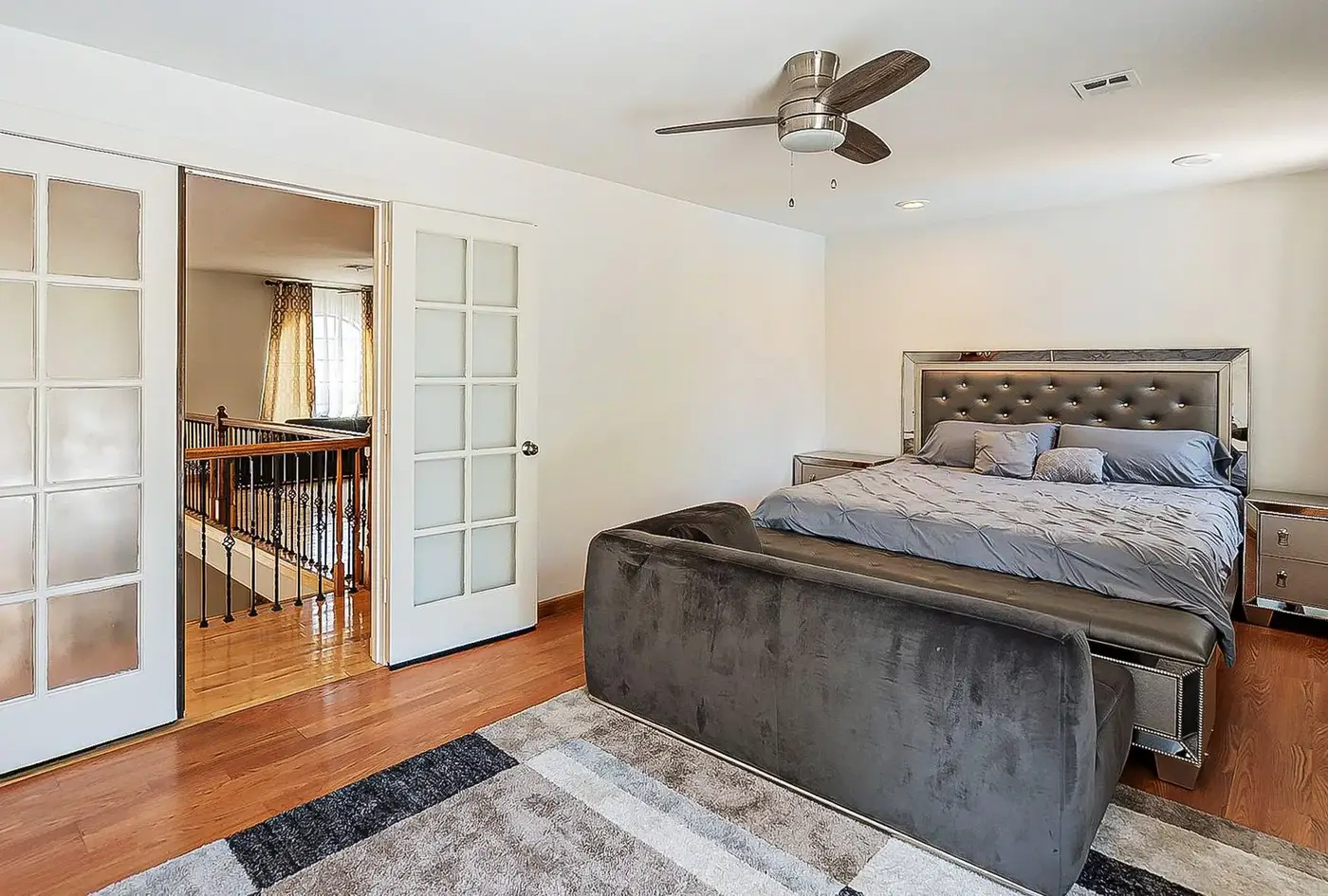
Prescription drug rehab in Las Vegas is comprehensive treatment for dependence on legally prescribed medications — most commonly opioid pain medications, benzodiazepines, ADHD stimulants, and sleep medications. BetterChoice Treatment Center provides medical detox plus residential rehab in a private estate-style setting, with attention to the medical conditions that originally led to the prescription. Call (725) 550-5655.
A Common Story
The path into prescription drug dependence often looks like this: a legitimate medical condition (chronic pain, anxiety, insomnia, ADHD) is treated with appropriate medication. Over time, tolerance develops. Doses increase. The patient finds themselves needing the medication just to feel normal. Eventually, the dependence is unmistakable — but the underlying medical condition is also still there.
This pattern is not a moral failure. It is a predictable consequence of how some medications interact with brain chemistry over time. Treatment requires addressing both sides: the dependence and the underlying condition.
Prescription Medications We Treat
The most common prescription medications we treat for dependence:
- Opioid pain medications — oxycodone (OxyContin, Percocet), hydrocodone (Vicodin, Norco), morphine, codeine, tramadol, fentanyl patches
- Benzodiazepines — Xanax, Klonopin, Ativan, Valium (see benzodiazepine detox)
- ADHD stimulants — Adderall, Ritalin, Vyvanse, Concerta (see Adderall detox)
- Sleep medications — Ambien, Lunesta, Sonata
- Muscle relaxants — Soma (carisoprodol)
- Combination dependencies — many patients are dependent on more than one prescription
What Prescription Drug Rehab Includes at BetterChoice
A complete program runs 30–60 days and includes:
- Medical detox — individualized protocol based on the specific medication and use pattern. Some prescription medications require slow tapers (benzodiazepines); others can be tapered more quickly (opioids); some need careful psychiatric coordination (ADHD stimulants)
- Address of the underlying medical condition — chronic pain, anxiety, ADHD, sleep disorders all need ongoing treatment with non-addictive approaches when the dependent medication is removed
- Individual therapy — addressing the emotional and psychological dimensions of dependence
- Daily group therapy
- Trauma-focused care — EMDR or trauma-focused CBT when appropriate
- Psychiatric care — on-staff prescribers for the depression, anxiety, ADHD, and chronic pain that often co-occur
- Pain management strategies — for patients whose dependence began with chronic pain treatment, non-opioid approaches (physical therapy, interventional pain medicine, non-opioid medications, mind-body work)
- Family programming
- Aftercare coordination with prescribers in your home community who specialize in non-addictive treatment
The Pain Patient Pathway
For patients whose prescription opioid dependence began with chronic pain, the rehab work is specifically about transitioning to non-opioid pain management. Options include:
- Non-opioid medications (gabapentinoids, duloxetine, certain tricyclic antidepressants, anti-inflammatories)
- Physical therapy and movement work
- Interventional pain medicine (nerve blocks, radiofrequency ablation, epidural injections)
- Mind-body approaches (CBT for pain, mindfulness-based pain management)
- For appropriate patients, MAT (Suboxone) provides ongoing pain control without the abuse potential of full opioid agonists
We coordinate with non-opioid pain specialists in your home community as part of aftercare planning.
The ADHD Patient Pathway
For patients whose dependence developed with prescribed stimulants for ADHD, the rehab work includes:
- Confirming the underlying ADHD diagnosis (sometimes the original diagnosis is correct; sometimes it is not)
- Considering non-stimulant ADHD medications (Strattera, guanfacine, bupropion)
- Behavioral and structural strategies for attention and focus
- Coordinating with prescribers in your home community who can manage ADHD treatment without re-creating the dependence
See our Adderall detox page for related information.
The Anxiety / Sleep Patient Pathway
For patients whose dependence developed with prescribed benzodiazepines or sleep medications, the rehab work includes:
- Addressing the underlying anxiety or insomnia with non-benzodiazepine medications (SSRIs, SNRIs, certain antihistamines, melatonin, ramelteon)
- CBT for anxiety, CBT-I for insomnia
- Lifestyle work (sleep hygiene, exercise, caffeine and alcohol reduction)
- Addressing any underlying trauma with EMDR or trauma-focused CBT
See our benzodiazepine detox page for related information.
Insurance and Confidentiality
Many commercial plans include benefits for prescription drug rehab when medically necessary; check your plan before admission. Treatment records are protected under federal HIPAA and 42 CFR Part 2 regulations.
Many people use commercial insurance toward treatment when their plan includes eligible benefits. Admissions can check benefits with carriers such as Aetna, Cigna, Anthem, Blue Cross Blue Shield, UnitedHealthcare, Humana, Magellan and TRICARE; network status and any single case agreement depend on the specific plan and are not guaranteed. To learn what your plan may cover, verify your benefits with no obligation to admit. Ask admissions about private-pay rates and any payment arrangements currently offered.
BetterChoice Treatment Center is licensed in Nevada and located at 198 Ebb Tide Cir, Las Vegas, NV 89123. Call admissions at (725) 550-5655.