
Quick Answer
Methamphetamine detox in Las Vegas is medically supervised withdrawal from meth — primarily supportive care for the post-acute crash, sleep restoration, mood stabilization, and management of the depression and cravings that follow heavy stimulant use. BetterChoice Treatment Center provides medical meth detox with nurse monitoring, integrated psychiatric care, and a private estate-style setting. Call (725) 550-5655.
What Meth Withdrawal Looks Like
Methamphetamine does not produce the dramatic physical withdrawal of alcohol or opioids. There are no shakes, no seizures, no muscle cramps. What meth withdrawal does produce — and what makes it deceptively hard — is a profound psychological and physiological crash:
- Profound exhaustion — most patients sleep 14–18+ hours per day for the first 2–4 days
- Severe depression — sometimes including suicidal thoughts
- Anhedonia — inability to feel pleasure or motivation
- Intense cravings — typically peaking 3–7 days after last use
- Increased appetite — patients often eat large quantities once the appetite returns
- Cognitive impairment — focus, memory, motivation all significantly impaired during the acute window
- Irritability and mood instability
- Disturbed sleep architecture — vivid dreams, sometimes nightmares
- Possible psychotic symptoms — paranoia, hallucinations in some patients, especially after heavy or prolonged use
The medical risks are lower than for alcohol or benzodiazepines, but the psychological risks (severe depression, suicidal thoughts, relapse to escape the crash) are very real.
What Meth Detox Includes at BetterChoice
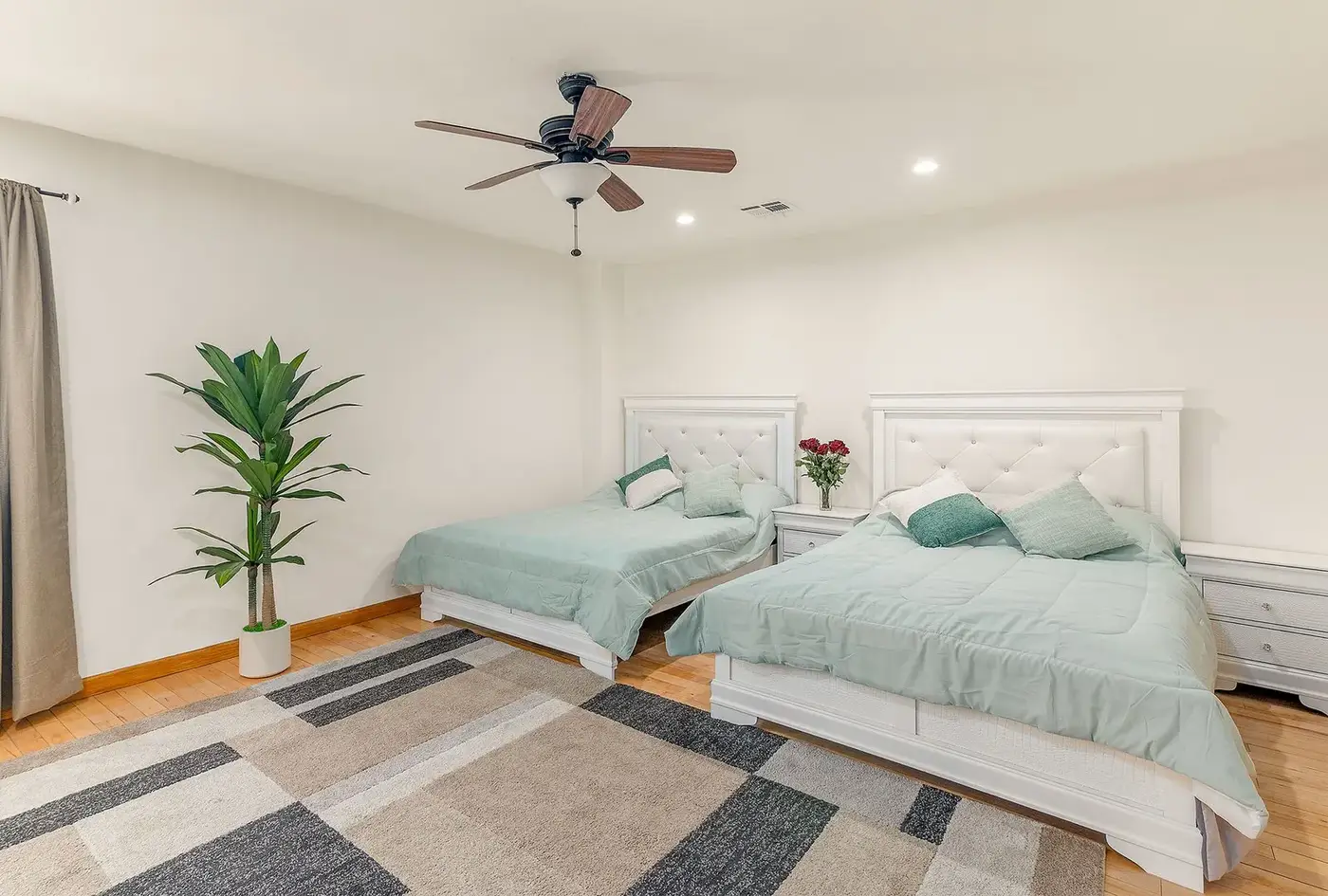
After admission and a full medical and psychiatric assessment, you settle into a private suite. The first several days are largely about rest, hydration, refeeding, and mood stabilization:
- Medical assessment — full history, physical exam, lab work, drug screen, ECG (meth use is associated with cardiovascular concerns), dental assessment for severe cases
- Nursing monitoring — vitals monitoring, mood and sleep tracking, support during the most vulnerable hours
- Psychiatric evaluation — co-occurring conditions are common (depression, anxiety, ADHD, PTSD, possible psychosis)
- Sleep restoration — quiet private suite, safe sleep medications when needed
- Nutritional rehabilitation — chef-prepared meals, IV fluids, vitamin supplementation (chronic meth use often produces significant nutritional deficits)
- Crisis support — for the depression and suicidal thoughts during the crash
- Cardiovascular monitoring — for patients with ECG abnormalities or cardiac history
- Antipsychotic medication when needed for residual psychotic symptoms
- Early therapy — once you stabilize (typically days 5–7), therapy begins
Methamphetamine-Induced Psychosis
Heavy meth use can produce psychotic symptoms — paranoia, hallucinations, delusional thinking — that may persist into the early detox period. Most cases resolve with abstinence over days to weeks; some require short-term antipsychotic medication. A small minority of patients develop persistent psychotic symptoms requiring ongoing psychiatric care.
Our psychiatric prescribers evaluate for and manage any residual psychotic symptoms during detox.
Common Co-Occurring Conditions
Meth use is frequently associated with:
- Depression — both as withdrawal effect and as underlying self-medication
- Anxiety
- ADHD — meth often functions as self-medication; structured ADHD treatment may be appropriate later
- PTSD and trauma
- Cardiovascular disease — hypertension, arrhythmias, infarction history
- Dental damage — referral to appropriate dental care is often part of aftercare
- Skin conditions — from picking, infections
- Nutritional deficits
- Polysubstance use — commonly with alcohol, cocaine, opioids, cannabis
Our psychiatric prescribers and medical team address each of these.
Why Residential Treatment After Detox Matters for Meth
Meth recovery is honestly hard. Cognitive recovery (focus, memory, motivation) takes weeks to months. Cravings come in waves for months. The social network connected to use is often deeply embedded. We strongly recommend continuing into 30–60 days of residential meth rehab where the deeper work happens.
Las Vegas Admission Timing
Admission timing for local meth detox patients depends on assessment, bed availability and insurance authorization; call to ask what is possible today. Ask admissions whether transportation assistance is available.
Many people use commercial insurance toward treatment when their plan includes eligible benefits. Admissions can check benefits with carriers such as Aetna, Cigna, Anthem, Blue Cross Blue Shield, UnitedHealthcare, Humana, Magellan and TRICARE; network status and any single case agreement depend on the specific plan and are not guaranteed. To learn what your plan may cover, verify your benefits with no obligation to admit. Ask admissions about private-pay rates and any payment arrangements currently offered.
BetterChoice Treatment Center is licensed in Nevada and located at 198 Ebb Tide Cir, Las Vegas, NV 89123. Call admissions at (725) 550-5655.