Quick Answer
Benzodiazepine detox in Las Vegas is medically supervised gradual withdrawal from drugs like Xanax, Klonopin, Ativan, and Valium — typically requiring a slow taper over 7–21+ days due to seizure risk and protracted withdrawal symptoms. BetterChoice Treatment Center provides specialized benzo detox with nurse monitoring, physician oversight, and integrated psychiatric care for the anxiety conditions that often drive use. Call (725) 550-5655.
Why Benzo Detox Is Special
Benzodiazepine withdrawal is one of the most medically complex withdrawal syndromes — distinct from opioid or stimulant detox in three important ways:
- Seizure risk — abrupt cessation after long-term use can produce life-threatening seizures
- Long taper required — unlike alcohol or opioids (5–7 days), benzo detox typically requires a careful taper over 7–21+ days, sometimes longer for high-dose or long-duration users
- Protracted withdrawal — some patients experience post-acute withdrawal symptoms (anxiety, insomnia, sensory hypersensitivity) for months after the acute taper
This is why benzo detox at home, on your own, or at a non-medical facility is dangerous and typically unsuccessful.
What Benzodiazepine Detox Includes at BetterChoice
You arrive, get a comprehensive medical assessment, and our physicians design a personalized taper protocol. The taper typically uses long-acting benzodiazepines (often Valium / diazepam, sometimes Librium / chlordiazepoxide) substituted for the patient short-acting benzo, then slowly tapered over the detox period. Specifically:
- Comprehensive medical assessment — full history, physical exam, lab work, drug screen, EKG
- Nursing monitoring — vitals, withdrawal scale tracking, medication administration
- Physician oversight — daily rounding, taper adjustments based on symptom response
- Personalized taper protocol — slow, individualized, with multiple checkpoints
- Anti-seizure medications when clinically indicated
- Psychiatric evaluation — most benzo patients have an underlying anxiety condition that drove use; addressing that condition with non-benzodiazepine approaches is critical
- Sleep support — benzo withdrawal commonly disrupts sleep significantly
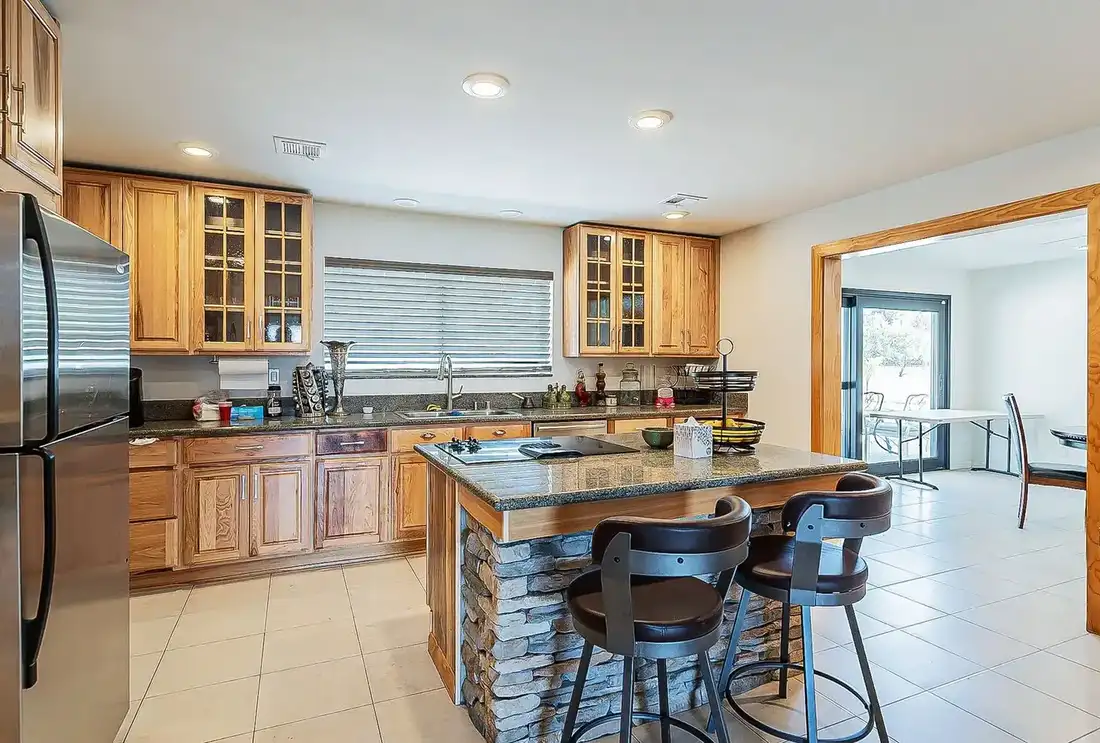
- Nutritional rehabilitation — chef-prepared meals, IV fluids when needed
- Early therapy — once the taper stabilizes, therapy and education begin
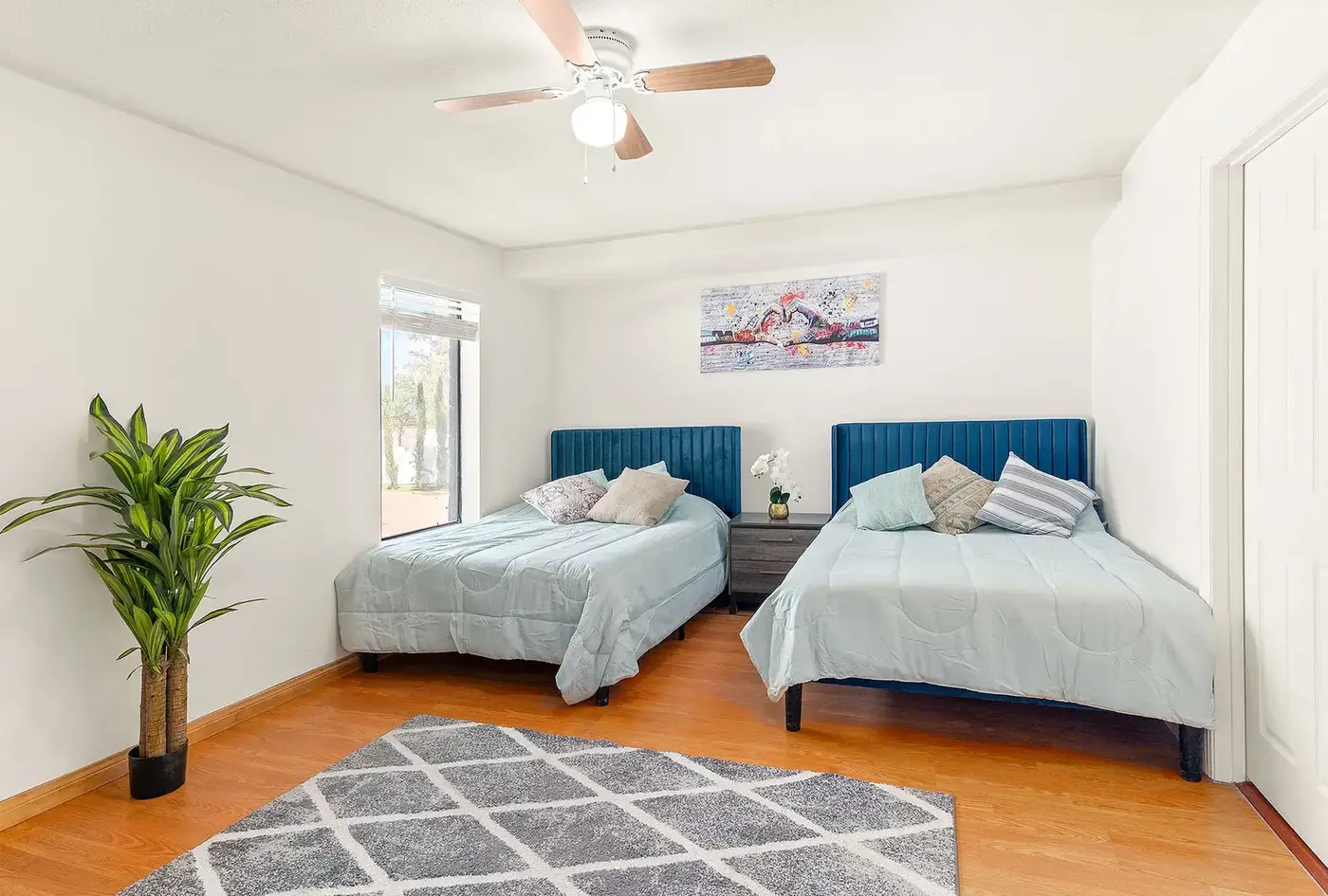
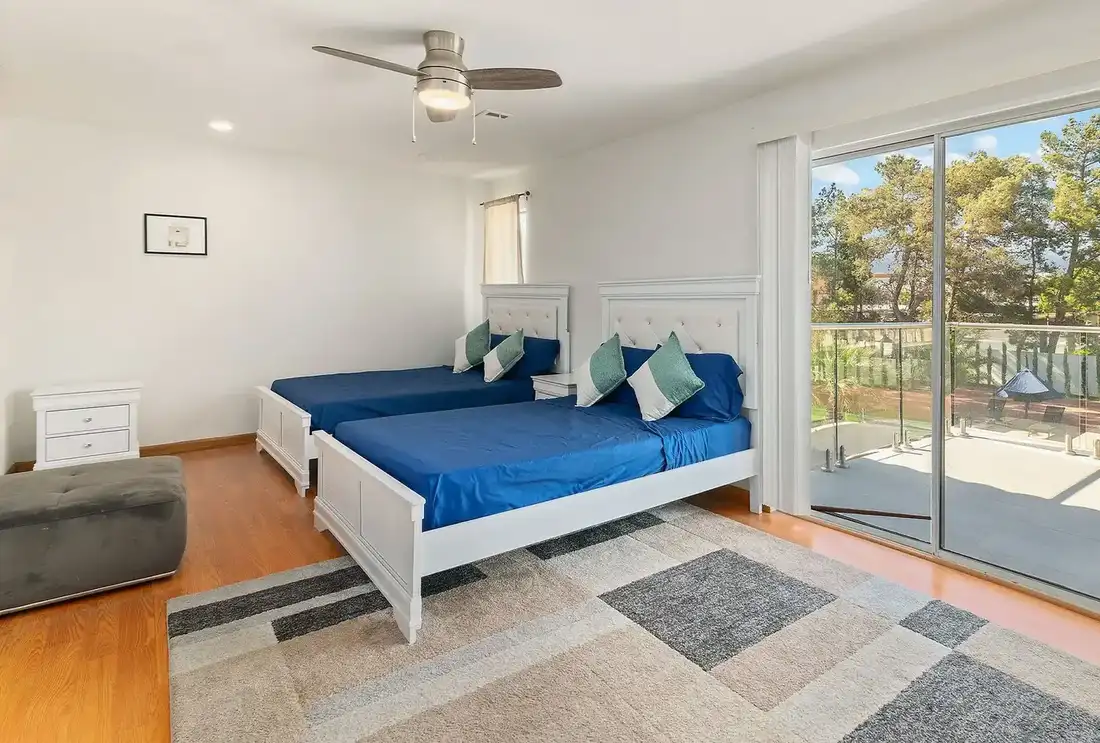
- Private suite — quiet, calm setting for the most vulnerable nights
Benzodiazepines We Detox
The benzodiazepine class includes:
- Xanax (alprazolam) — short-acting, often the most challenging to taper
- Klonopin (clonazepam) — long-acting
- Ativan (lorazepam) — short to medium-acting
- Valium (diazepam) — long-acting, often used as the substitution medication during taper
- Halcion (triazolam)
- Restoril (temazepam)
- Librium (chlordiazepoxide) — long-acting, sometimes used as substitution medication
- Z-drugs (Ambien, Lunesta, Sonata) — pharmacologically related to benzodiazepines and often co-managed
Common Co-Occurring Conditions
Most benzo-dependent patients have an underlying condition that drove the original use:
- Generalized anxiety disorder — typically the most common driver
- Panic disorder
- Social anxiety disorder
- PTSD
- Insomnia
- Bipolar disorder with anxiety features
Treating the underlying condition with non-benzodiazepine approaches (SSRIs, SNRIs, gabapentinoids, beta blockers for situational anxiety, CBT for anxiety, EMDR for trauma, sleep hygiene work) is critical to long-term recovery. Our psychiatric prescribers and therapists do this work in parallel with the detox.
Why Quitting Cold Turkey Is Dangerous
Benzodiazepines down-regulate GABA receptors in the brain over time. Abrupt cessation removes the medication suddenly while the brain is still adapted to it — producing severe rebound symptoms including potential seizures, severe anxiety, insomnia, and sometimes psychotic symptoms. The longer the use and the higher the dose, the higher the risk.
A medical taper, in contrast, gradually allows the brain to readapt while the medication is slowly reduced. The withdrawal is real but manageable; seizure risk is minimized.
After Benzo Detox
Detox stabilizes the physical dependence — but the underlying anxiety, the patterns of use, and the relationship with medication need ongoing work. We strongly recommend continuing into 30–60 days of residential rehab to address the anxiety condition, build non-medication coping skills, and stabilize on the right long-term medication regimen.
Many people use commercial insurance toward treatment when their plan includes eligible benefits. Admissions can check benefits with carriers such as Aetna, Cigna, Anthem, Blue Cross Blue Shield, UnitedHealthcare, Humana, Magellan and TRICARE; network status and any single case agreement depend on the specific plan and are not guaranteed. To learn what your plan may cover, verify your benefits with no obligation to admit. Ask admissions about private-pay rates and any payment arrangements currently offered.
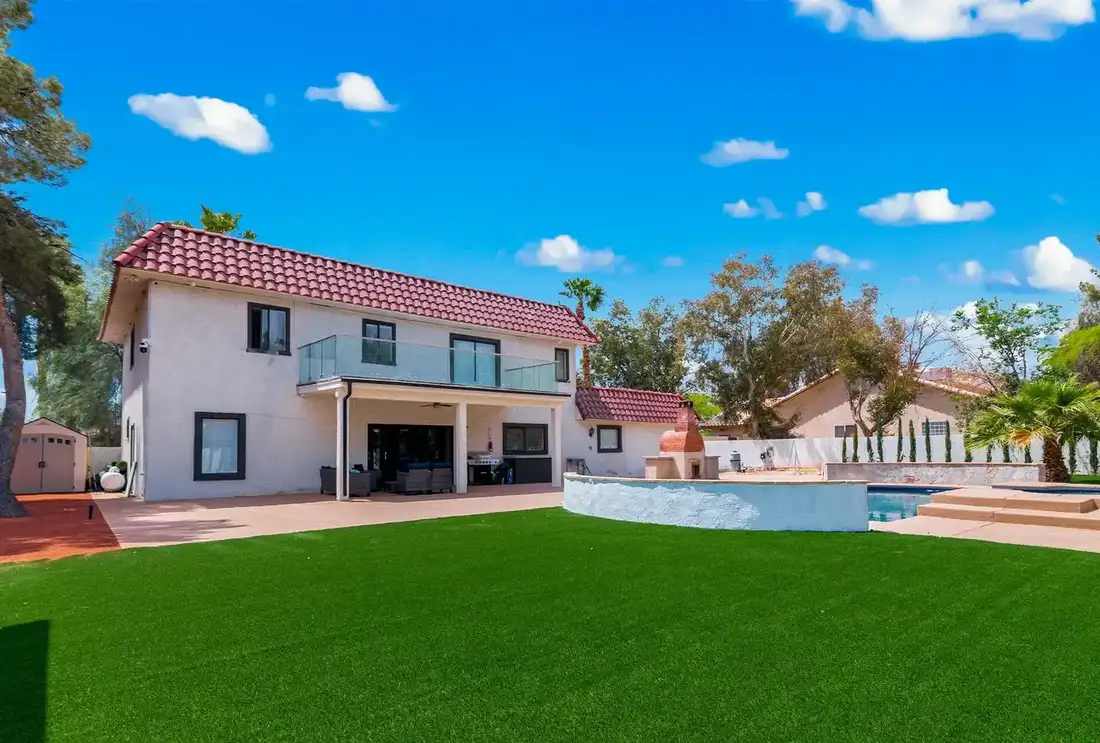
BetterChoice Treatment Center is licensed in Nevada and located at 198 Ebb Tide Cir, Las Vegas, NV 89123. Call admissions at (725) 550-5655.