
Quick Answer
Adderall detox in Las Vegas is medically supervised withdrawal from prescription stimulants (Adderall, Ritalin, Vyvanse, Concerta) — primarily focused on managing the post-acute crash, sleep restoration, depression, and the cognitive recovery that follows heavy stimulant use. BetterChoice Treatment Center provides medical detox plus integrated psychiatric care for prescription stimulant dependence in Las Vegas. Call (725) 550-5655.
Adderall Dependence Is a Real Clinical Issue
The path into Adderall dependence often starts legitimately — a college student with attention difficulties gets prescribed Adderall, finds it helpful, and over time the use escalates. Or a professional uses prescribed Adderall as intended for years, with gradually increasing dose and tolerance. Or a non-prescribed user obtains Adderall recreationally and develops dependence.
Whatever the origin, the clinical picture is similar: the brain has adapted to elevated dopamine signaling, and stopping (or significantly reducing) the medication produces a withdrawal syndrome:
- Profound exhaustion — many patients sleep 12–16+ hours per day for the first several days
- Severe depression — sometimes including suicidal thoughts
- Anhedonia — inability to feel pleasure or motivation
- Increased appetite
- Cognitive slowing — focus, memory, mental energy all impaired
- Irritability and mood instability
- Vivid dreams and disturbed sleep architecture
- Cravings — typically peaking 3–7 days after last use
The withdrawal is rarely directly medically dangerous, but the depression and exhaustion are severe enough that most people relapse within days simply to escape the crash.
What Adderall Detox Includes at BetterChoice
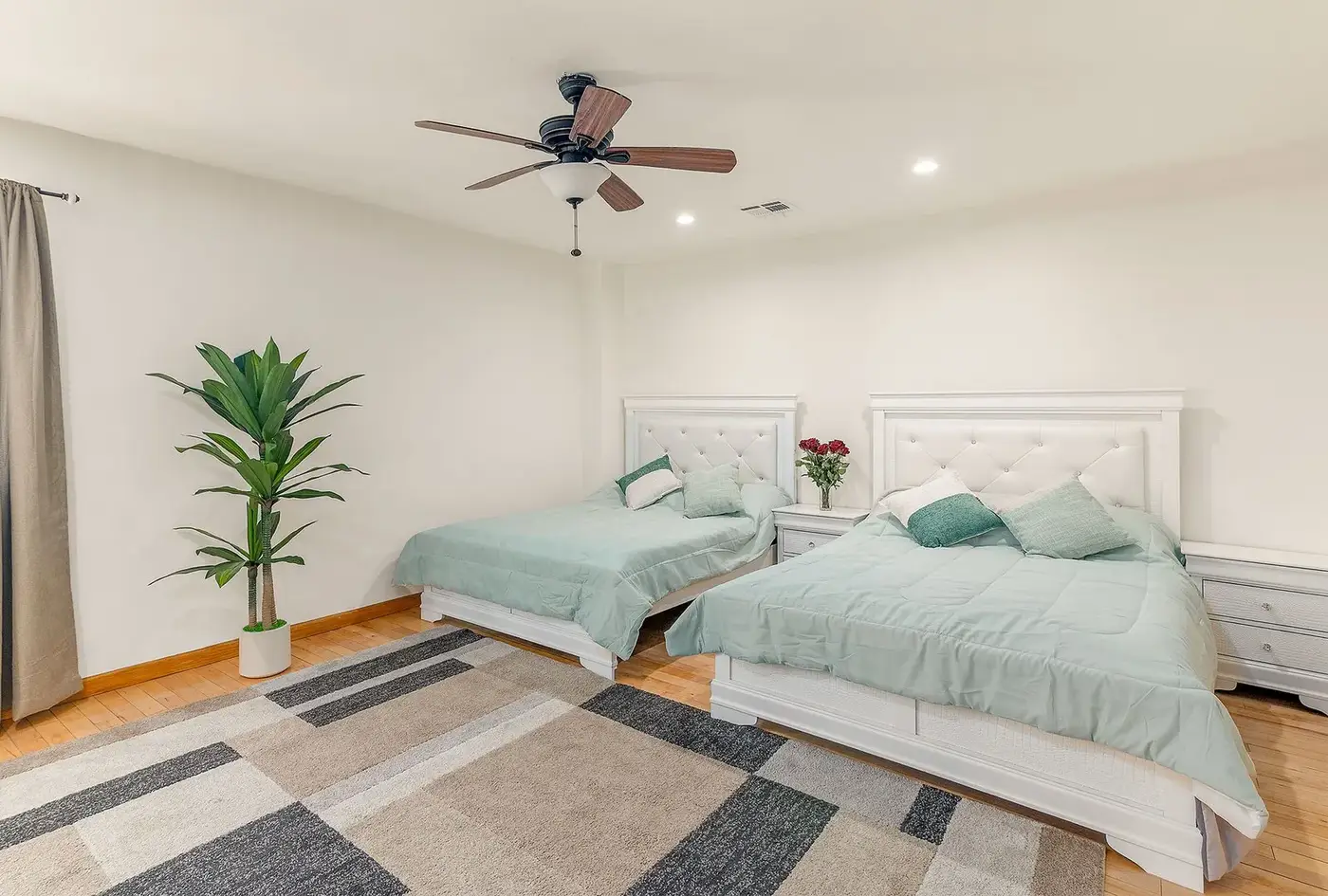
After admission and a comprehensive medical and psychiatric assessment, you settle into a private suite. The first few days focus on rest, hydration, refeeding, and mood stabilization. Specifically:
- Medical assessment — full history, physical exam, lab work, drug screen, ECG (stimulant use is associated with cardiovascular concerns)
- Nursing monitoring — vitals monitoring, mood and sleep tracking, support during the most vulnerable hours
- Psychiatric evaluation — confirming or reassessing the underlying ADHD diagnosis, evaluating co-occurring depression or anxiety, considering non-stimulant alternatives
- Sleep restoration — quiet private suite, safe sleep medications when needed (early recovery sleep is often profoundly disrupted)
- Nutritional rehabilitation — chef-prepared meals, IV fluids if needed, vitamin supplementation (heavy Adderall use often produces significant weight loss and nutritional deficits)
- Crisis support — for the depression and suicidal thoughts that some patients experience during the crash
- Cardiovascular monitoring — for patients with ECG abnormalities or cardiac history
- Early therapy — once you stabilize, therapy and education begin
- ADHD reassessment and planning — confirming the diagnosis, considering non-stimulant treatment options for long-term management
Reassessing the Underlying ADHD
For patients with prescription Adderall dependence, the central long-term question is: what is the right ADHD treatment going forward? Options include:
- Non-stimulant ADHD medications — Strattera (atomoxetine), guanfacine, bupropion, certain tricyclic antidepressants
- Behavioral and structural strategies — cognitive-behavioral therapy adapted for adult ADHD, structured environmental supports, executive function coaching
- Lifestyle approaches — exercise, sleep optimization, dietary work, mindfulness practices
- Lower-dose, more carefully managed stimulant treatment when appropriate, with non-controlled-substance prescribers and close monitoring
The right answer depends on the individual. Some patients have legitimate ADHD that needs ongoing treatment; some patients had marginal ADHD diagnoses and stabilize without ongoing stimulant therapy; some respond well to non-stimulant alternatives. Our psychiatric prescribers help each patient make the right call.
Common Co-Occurring Conditions
Heavy Adderall use is frequently associated with:
- Depression — both as withdrawal effect and underlying condition
- Anxiety — often worsened by stimulant use
- Insomnia — chronic stimulant use disrupts sleep architecture
- Eating disorders — Adderall is sometimes used for appetite suppression
- Cardiovascular issues — hypertension, arrhythmias
- Polysubstance use — commonly with alcohol, cocaine, or other stimulants
Our psychiatric prescribers and medical team address each of these.
Why Residential Treatment After Detox Matters
The patterns of stimulant use, the underlying conditions stimulants were managing (ADHD, depression, weight management), and the academic or professional environment that drove the use all need addressing. We typically recommend continuing into 30–60 days of residential rehab for the deeper work.
Many people use commercial insurance toward treatment when their plan includes eligible benefits. Admissions can check benefits with carriers such as Aetna, Cigna, Anthem, Blue Cross Blue Shield, UnitedHealthcare, Humana, Magellan and TRICARE; network status and any single case agreement depend on the specific plan and are not guaranteed. To learn what your plan may cover, verify your benefits with no obligation to admit. Ask admissions about private-pay rates and any payment arrangements currently offered.
BetterChoice Treatment Center is licensed in Nevada and located at 198 Ebb Tide Cir, Las Vegas, NV 89123. Call admissions at (725) 550-5655.