
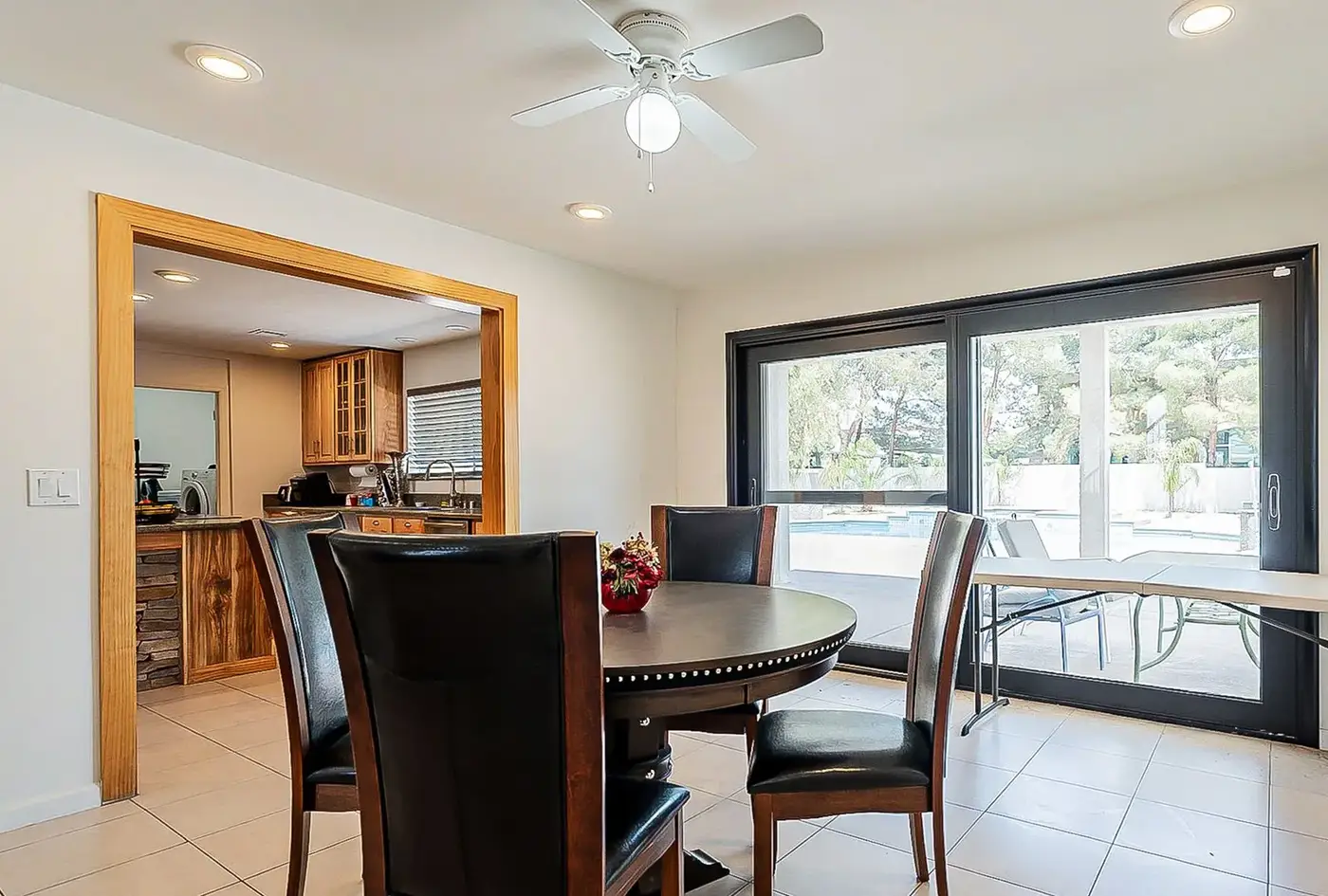
Before You Arrive
Once you have spoken with admissions and verified insurance, we will set an arrival date and time. Most admissions happen between 9am and 6pm, and admissions can tell you whether an arrival outside those hours is possible for a clinically urgent situation. You will receive an arrival packet by email or text confirming:
- Your arrival window
- Driving directions to 198 Ebb Tide Cir, Las Vegas, NV 89123
- Travel details if you are flying in (Harry Reid International — LAS — is the closest airport; ask whether pickup is available)
- A short list of pre-admission items to complete (insurance card photo, photo ID, list of current medications)
- A reminder of what to bring and what not to bring
If you are flying: call (725) 550-5655 before you book. Admissions can tell you the preferred arrival window and whether ground transport from the airport is available.
Your First 24 Hours, Step by Step
Hour 1: Arrival & welcome
You walk in (or are walked in) by a staff member. No paperwork the moment you arrive — you sit down in a private intake space, you are offered water and food, and you meet the admissions clinician on duty. We collect your belongings for safekeeping and inventory.
Hours 1–2: Medical assessment
A nurse and a physician (or physician assistant) complete a full medical and psychiatric assessment: vitals, history, current medications, last use, withdrawal risk, mental health, and any urgent medical issues. This determines whether you start medical detox, what medications you may need, and what level of monitoring is appropriate for the next 72 hours.
Do not stop, skip, or change a prescribed medication before arrival unless the clinician who manages it tells you to. Bring an accurate medication and dose list and follow admissions' current written instructions about transporting original pharmacy containers. The medical team must review each prescription for its purpose, safety, interactions, and fit with the treatment plan. A medication may be continued, adjusted, substituted, held, or securely stored only after that review; bringing it does not promise continuation.
Hours 2–4: Clinical intake & consents
You meet with a clinical team member who walks through informed consent, your rights as a patient, and the program structure. You decide together who (if anyone) we are allowed to communicate with on your behalf — family, employer, attorney, court, etc. The team will explain the authorization process and any disclosures that may otherwise be permitted or required by law.
Admissions can give a caller general information about the program, but patient-specific updates require the appropriate consent or another legally permitted basis. You can discuss the people, information, purpose, and communication method covered by an authorization, as well as how to change or revoke it. For more planning detail, read insurance statements, family contact, and rehab privacy.
Hours 4–6: Settling into your room
You are shown to your room — private or semi-private depending on availability and your plan. Your inventoried belongings are returned, minus any prohibited items. You meet your roommate if you have one. You get a shower, a meal prepared by our chef, and time to rest before any further programming begins.
Hours 6–24: Stabilization
If you are in medical detox, the focus for the first day is simply medical stability and comfort. Detox medications are administered as ordered, vitals are checked frequently, and nursing staff are available according to the care plan. You are not expected to attend group therapy on day one. The job on day one is to rest, hydrate, and let the medical team take care of you.
What to Bring
Clothing (about 7 days' worth — we have laundry)
- Comfortable, modest casual clothing
- Pajamas or sleepwear
- Light layers — Las Vegas is hot in summer but A/C is cold
- Closed-toe athletic shoes (for outdoor walks, gym, yard time)
- Swimsuit if you wish to use the pool (modest cuts please)
- A sweater or light jacket
- Socks and underwear
Toiletries (alcohol-free)
- Toothbrush, toothpaste (alcohol-free), floss
- Shampoo, conditioner, body wash (alcohol-free, factory-sealed preferred)
- Deodorant (non-aerosol)
- Hairbrush, hair ties, basic hair products
- Razor (electric preferred; disposables are inventoried)
- Contact lens supplies and a backup pair of glasses
Documents
- Government-issued photo ID
- Insurance card
- A list of current medications and dosages
- A list of emergency contacts
- Any court documents, custody documents, or legal paperwork relevant to your stay
- Your prescription medications in their original pharmacy bottles
Comforts
- A book or two (no content involving substance use, violence, or sexually explicit material)
- A journal and pen
- Photos of family or loved ones
- A non-electronic watch
- A small amount of cash ($20–$50) for vending or store runs
What to Leave at Home
For everyone's safety and clinical reasons, the following are not permitted in residential care:
- Any alcohol, drugs, or paraphernalia. Do not pack cigarettes, e-cigarettes, vape pens, or other nicotine products unless admissions confirms they are permitted under the current written policy
- Mouthwash, hand sanitizer, perfume, cologne, or any product containing alcohol
- Weapons of any kind, including pocket knives
- Pornography or sexually explicit material
- Outside food and drink
- Aerosol products
- Glass containers
- Excessive cash or valuables (jewelry, watches over $200, designer items)
- Electronics with internet access (phones, tablets, laptops) unless admissions' current written policy tells you what may be brought and how it will be stored or accessed
- Clothing with substance, gang, or sexually suggestive imagery
- Pets or service animals (call admissions in advance — service animal accommodations are handled case-by-case under ADA)
- Candles, lighters, or matches
- Sewing needles, scissors, or other sharp objects
- Prescription medications packed contrary to the current transport instructions from admissions; do not discard or stop a medication because of this list
If you bring something on the prohibited list, we will inventory it and store it securely until discharge — nothing is thrown away.
Phones, Computers, and Outside Contact
Phone and computer access may depend on current facility rules, your stage of care, safety needs, and your individual clinical plan. Do not rely on a fixed access schedule: ask admissions for the current written device and communication policy before arrival. If you bring a device, staff will explain whether it must be inventoried and when, if at all, access can be clinically approved.
Residential treatment is full-time care, not a remote-work arrangement. Laptop access, work calls, and extended device use are not guaranteed. Discuss a genuinely time-sensitive obligation with admissions before arrival, but arrange medical leave and backup coverage rather than assuming an accommodation will be approved.
Family can call admissions for general program information. Staff cannot provide a patient-specific update or confirm that a person is receiving care without the patient's appropriate consent or another legally permitted basis.
Smoking, Vaping, and Nicotine
Do not assume that smoking or vaping is permitted, or that cigarettes, vapes, chargers, e-liquids, pouches, or other nicotine products may be brought onto the property. Ask admissions for the current written nicotine policy before packing. Tell the clinical team what products you use and how often so they can assess nicotine withdrawal and discuss clinically appropriate options. Nicotine-replacement medication is subject to clinical review and an order; vaping access is not promised. Read more about questions to ask about smoking, vaping, and nicotine in rehab.
Visitation
Visitation and family-session options depend on the current facility policy, the patient's consent, safety considerations, and clinical review. Ask admissions for the current written visitor and family-communication policy rather than planning around a fixed start date. Approved sessions may be in person or by video when clinically appropriate.
Money & Valuables
Bring as little as possible. We provide secure storage for anything you do bring, including a small lockbox in each room. Large amounts of cash, jewelry, and designer items are best left with a trusted person at home.
You Will Be Okay
The first 24 hours are the hardest. Almost everyone arrives nervous — and almost everyone, by day three, says it was easier than they feared. You are not the first person to walk through our doors and you are not going to do anything we have not seen and supported before. We are here for it.
Ready When You Are
Call (725) 550-5655 to start the admissions conversation. The line is available and the call is confidential.