
What Does a Typical Day in Rehab Look Like? Hour by Hour
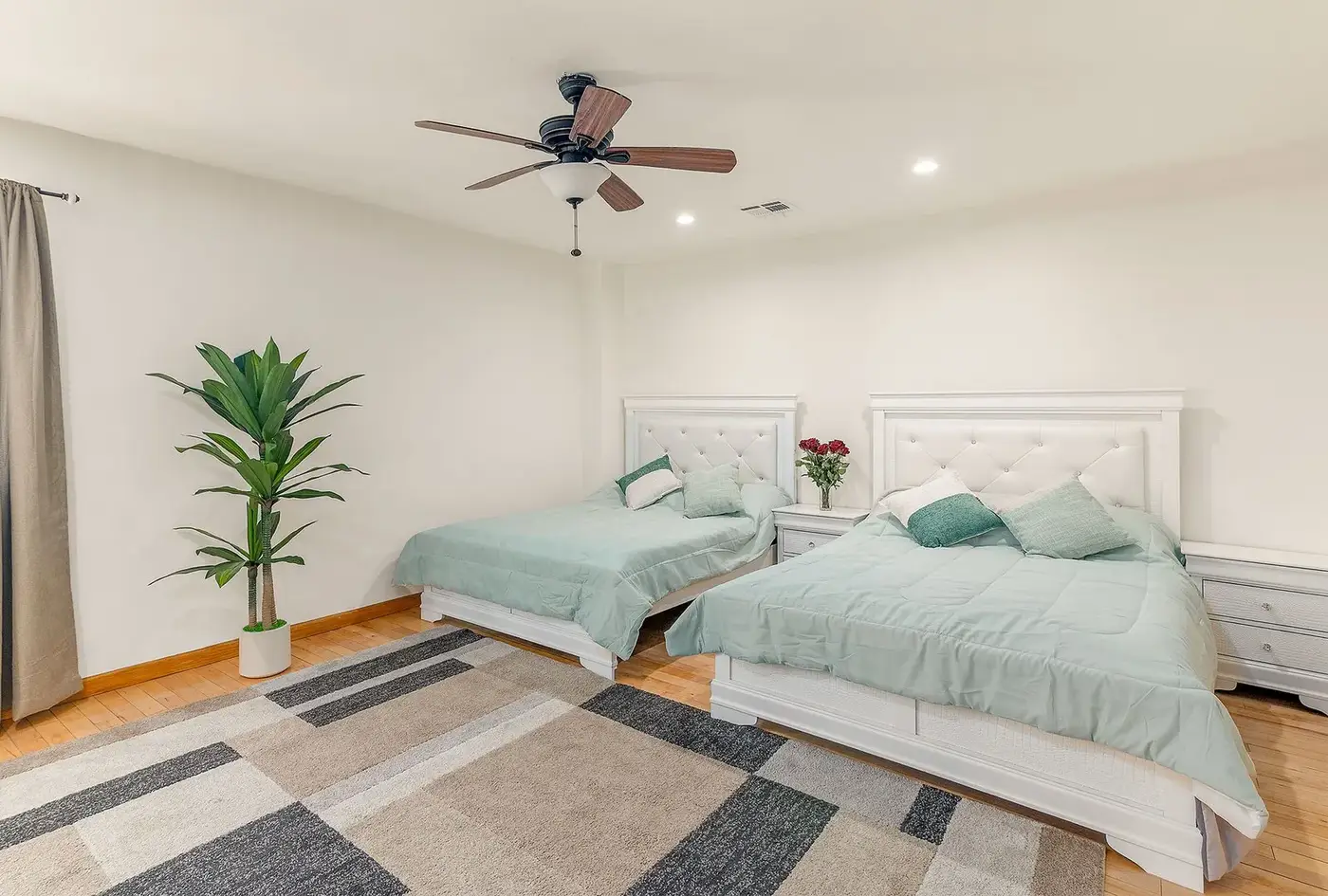
Quick answer: A day in residential treatment is structured but humane: mornings start with breakfast and a group session, the middle of the day alternates individual therapy, group therapy, and skill-building, afternoons include wellness activities and personal time, and evenings wind down with dinner, reflection or a peer meeting, and real rest. Structure is not a side effect — it is part of the treatment. Here is what it actually feels like at BetterChoice: (725) 550-5655 with any questions.
Why structure is the point
Active addiction runs on chaos — sleep at random hours, meals skipped, days organized around obtaining and using. A structured day rebuilds the rhythms addiction dismantled: consistent sleep, regular meals, purpose in the morning, connection in the evening. Many residents resist the schedule at first — and then discover they have not slept this well in years.
A representative day
7:00–8:00 — Wake up, medications, breakfast. Real coffee, real food. Morning medications with nursing staff if they are part of your plan.
8:30 — Morning group. Short check-in: how you slept, how you are feeling, your intention for the day. It teaches a skill most of us never learned — noticing your own state before it runs you.
9:30 — Group therapy. The core clinical work: relapse prevention, processing what brought you here, learning how cravings and triggers actually work. Led by a licensed therapist, small enough that you cannot hide, safe enough that you will not want to.
11:00 — Individual therapy or specialized session. One-on-one work with your therapist — trauma, family dynamics, dual diagnosis care — or targeted sessions like anger management or grief work, depending on your treatment plan.
12:30 — Lunch. Nutrition is treatment too; bodies healing from substances need rebuilding.
1:30 — Skill-building or education. Understanding the neuroscience of addiction (it helps — genuinely), practicing refusal skills, planning for real-world situations: the wedding toast, the stressful Tuesday, the old friend who calls.
3:00 — Wellness and personal time. Movement, pool time, meditation, journaling, or simply rest. Recovery is not eight hours of talking; the nervous system heals in the quiet hours too.
5:30 — Dinner. Around a table, with other people, like humans do.
7:00 — Evening group or peer support meeting. Often a 12-step or alternative recovery meeting — practice for the support rhythm that continues after discharge.
8:30 onward — Downtime and lights out. Phone time where your phase allows, books, cards, early nights. Sleep is aggressively protected here, because a rested brain can do the work.
Weekends
Lighter clinical load, more recreation and reflection, and family involvement — visits or scheduled calls, and family sessions where relationships start their own repair.
What it adds up to
No single hour of this schedule is dramatic. That is the design. Day after day, the nervous system learns that life can be predictable, connected, and bearable without the substance — and by the final week, the schedule you resented is the thing you are planning to recreate at home. Curious whether our program fits your situation? Ask us anything: (725) 550-5655, 24/7.
Take the first step today.
Our admissions team is available 24/7 to answer your questions completely confidentially.
Call (725) 550-5655