Yoga for Addiction Recovery: Mind‑Body Tools for Lasting Sobriety
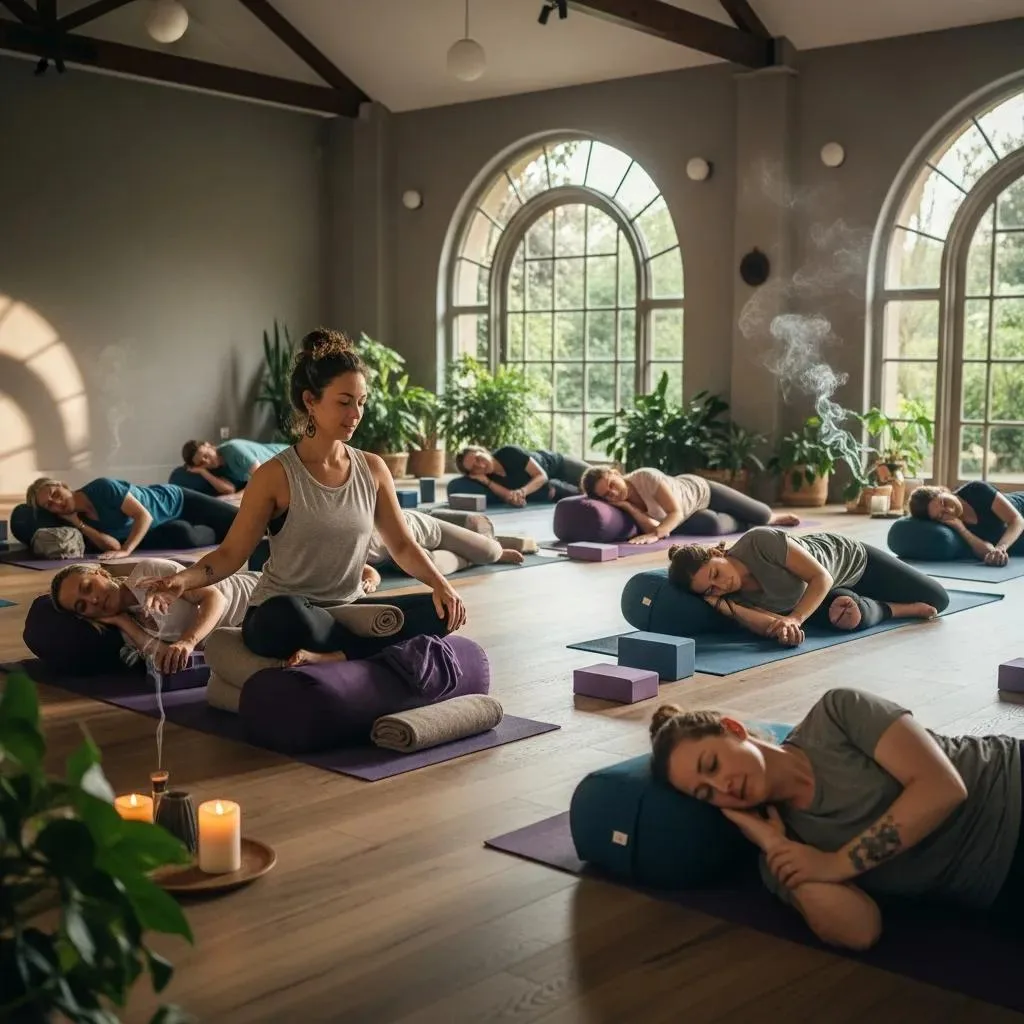
Yoga for addiction recovery pairs gentle movement, breathwork, and mindfulness to rebuild the mind‑body connection and lower relapse risk. Using postures (asanas), breathing practices (pranayama), and restorative sequencing, this approach helps regulate the autonomic nervous system, improve emotional control, and develop coping skills that support sustained sobriety. You’ll learn how yoga eases stress and cravings, which styles suit different recovery stages, and how programs integrate yoga with medical detox and inpatient care. The article outlines physiological pathways (breath‑driven autonomic balance, GABA/oxytocin‑linked calm), psychological benefits (mindfulness, distress tolerance), and behavior changes (routine, peer support) that form a practical relapse‑prevention toolkit. Sections cover evidence‑based mechanisms, a comparison of yoga styles, program integration at BetterChoice Treatment Center, who benefits and eligibility, anonymized client experiences, and answers to common questions about safety and effectiveness. Keywords such as yoga for addiction recovery, breathwork for addiction cravings, trauma‑informed yoga for substance use, and mind‑body practices for sobriety are woven throughout to link practical guidance with current research and clinical practice.
How yoga supports addiction recovery and relapse prevention
Yoga aids recovery by combining breath regulation, focused awareness, and movement to lower physiological arousal, strengthen emotional self‑control, and build healthier coping habits. Slow breathwork and mindful movement shift the nervous system toward parasympathetic tone—bringing heart rate down and easing stress that often triggers cravings. Mindfulness increases interoceptive awareness, helping people notice early warning signs and use coping skills before urges escalate. Regular classes add structure and replace substance‑focused routines with health‑promoting rituals that reduce relapse risk. These mechanisms explain why many treatment plans now include yoga as a complementary, evidence‑informed tool. The next section outlines specific stress‑reduction techniques used in clinical settings.
Different practice elements map to different recovery gains. The table below makes those links easy to scan before we explore restorative practices and emotional‑regulation skills in more detail.
This mapping shows how targeted yoga elements translate into measurable outcomes that reduce relapse risk.
This snapshot connects common yogic practices with practical recovery benefits and sets up the stress‑reduction techniques described next.
What stress‑reduction benefits does yoga offer in recovery?

In recovery, stress reduction happens when breathwork and restorative postures lower physiological arousal and reduce cortisol and sympathetic activation. Techniques such as diaphragmatic breathing and alternate‑nostril breathing slow breathing patterns and create calm that cuts stress‑driven cravings. Restorative poses—legs‑up‑the‑wall, supported Child’s Pose, and gentle forward folds—allow the nervous system to downregulate without strain, which is especially useful in early recovery. These practices also support sleep; better sleep improves cognitive control and lowers relapse vulnerability. The next section looks at how emotional regulation and coping skills grow through regular practice.
How yoga improves emotional regulation and coping skills
Yoga trains mindful attention to bodily signals and links that awareness with intentional breath and movement. Simple practices—mindful movement with breath counting or short urge‑surfing exercises—teach a “pause and assess” response that interrupts automatic reactivity to triggers. In session, clients learn to notice craving sensations, name them, and breathe through the peak, which builds distress tolerance. Over time these rehearsed responses transfer to daily life and complement cognitive‑behavioral relapse‑prevention strategies. Next we compare yoga styles and their fit at different recovery stages.
Which types of yoga work best for addiction healing?
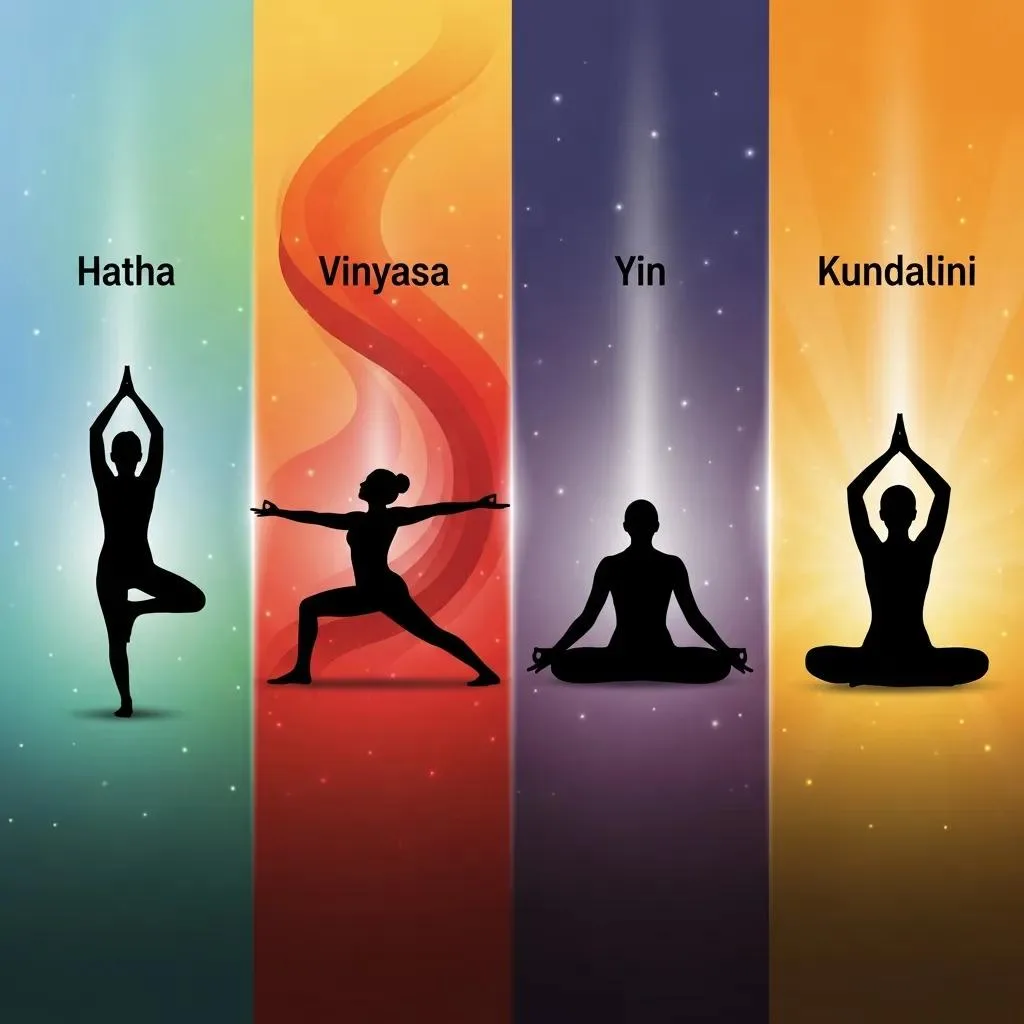
Yoga styles emphasize different elements—alignment and slow movement, dynamic flow, deep restoration, or breath‑and‑mantra work—so some styles suit particular recovery stages better than others. Hatha and Yin are generally lower intensity and more trauma‑sensitive, making them a good fit during early stabilization. Vinyasa supports later‑stage conditioning and stress resilience through dynamic sequencing, while Kundalini focuses on breath and chant for deeper meditative practice but can feel intense for some clients. The best choice depends on medical stability, trauma history, and therapy goals; the table below compares styles to help clinicians and clients decide.
Knowing these differences helps clinicians match practice to each person’s needs. The following subsection breaks down each style for clinical use.
This comparison guides clinicians and clients in choosing practices that match their recovery phase and co‑occurring conditions. The next sections outline how practitioners select techniques in session and which practices best support mindfulness and breathwork.
How Hatha, Vinyasa, Yin and Kundalini differ in addiction treatment
Hatha offers foundational poses and breathwork focused on alignment and safety—useful for rebuilding bodily trust. Vinyasa links breath to movement in flowing sequences and can boost cardiovascular fitness and confidence in later recovery. Yin uses long, passive holds to encourage nervous‑system downregulation and suits trauma‑sensitive approaches. Kundalini centers on breath, bandhas, and mantra; it can deepen meditative capacity but may be intense for those with trauma histories. Clinicians weigh intensity, breath emphasis, and the client’s current medical and emotional stability to find the safest therapeutic fit.
Those distinctions lead into the specific practices that most directly support mindfulness and craving management.
Which yoga practices best support mindfulness and breathwork?
Pairing short, repeatable breath techniques with brief movement or guided relaxation is the most direct way to target cravings and dysregulation. Simple pranayama—diaphragmatic breathing, box breathing (equal counts inhale‑hold‑exhale‑hold), and paced 4‑4‑4 breathing—lowers arousal quickly and is teachable in minutes. Yoga nidra and guided body scans offer restorative entry points for people with insomnia or high hyperarousal. Short mindful movement sequences that emphasize transitions train present‑moment noticing and interrupt automatic substance‑seeking behaviors. These portable practices transfer well into daily relapse‑prevention plans and prepare clients for integration with medical care.
Next we explain how treatment programs operationalize these practices alongside detox and inpatient services.
How BetterChoice integrates yoga with traditional addiction treatment
At BetterChoice Treatment Center, yoga is part of a holistic care model that pairs medical detox, inpatient rehab, and complementary therapies like sound baths and acupuncture. Yoga is offered as an adjunct within the Holistic Therapies program and is taught by qualified instructors who coordinate with clinical teams. Integration follows a clear pathway: intake and stabilization, clinical screening for trauma or medical contraindications, class placement, and ongoing communication between instructors and the treatment team. That structure keeps practice safe and allows intensity to be tailored to medical status and co‑occurring mental‑health needs. The next paragraphs outline intake steps and what clients and families can expect from session logistics.
This timeline shows how yoga complements clinical care. The following subsections describe BetterChoice’s program approach and how yoga is applied relative to detox and inpatient phases.
BetterChoice’s approach to holistic yoga therapy
Our Holistic Therapies program weaves yoga into individualized treatment plans delivered by instructors who collaborate with the multidisciplinary team. Sessions are tailored to clinical needs and may focus on trauma‑informed modifications, breathwork for acute cravings, or restorative sequencing to support sleep. The program links yoga to clinical goals—improving sleep, lowering anxiety, and reinforcing relapse‑prevention skills—while following clinical oversight and quality standards. Accreditation and license requirements guide program governance. This coordinated model makes yoga a safe, personalized complement to evidence‑based addiction care.
That description leads naturally into how yoga is scheduled and adapted around detox and inpatient care.
How yoga complements medical detox and inpatient rehab
Yoga complements detox and inpatient rehab by offering non‑pharmacological relief after medical stabilization—supporting sleep and reducing agitation without conflicting with medications. Classes usually start once withdrawal is medically controlled and staff are informed to ensure coordination with nursing and physicians. Inpatient schedules may include short, daily sessions focused on breathwork and gentle movement, plus restorative evening classes to support sleep hygiene. Ongoing communication between teachers and clinicians allows for modifications for clients on certain medications or with orthostatic or vestibular concerns, so practice supports medical care rather than interfering with it.
These operational details clarify who can safely participate and when trauma‑informed approaches should be prioritized, which the next section addresses.
Who benefits from yoga in recovery and with co‑occurring disorders?
Adults in recovery—especially those with anxiety, depression, or PTSD—often benefit from yoga’s regulatory and mindfulness effects when practices are adapted to clinical needs. Yoga supports mood regulation, reduces PTSD‑related hyperarousal, and provides structured, low‑cost tools for anxiety management. Family members and caregivers can also learn short practices to lower household stress and model coping skills. Proper triage for trauma‑sensitive or medically supervised practice should be part of intake; clinicians assess stabilization after detox and mental‑health status before referring people to group classes. The next subsections cover mechanisms for co‑occurring disorders and typical referral and eligibility pathways in clinical programs.
Practical guidance for referrals and first steps for families and clinicians:
- For clinicians: Refer when the client is medically stable and can follow breath cues.
- For family members: Try short, supportive practices at home to reduce household tension.
- For clients: Begin with restorative or Hatha classes during early recovery.
These referral notes lead into eligibility criteria described next.
How yoga helps with anxiety, depression and PTSD in recovery
Yoga reduces hyperarousal through slow breathing and present‑moment awareness, directly countering PTSD‑related vigilance and panic. For depression, movement and breath increase interoceptive feedback and behavioral activation that can lift mood and reduce withdrawal when used alongside psychotherapy. Anxiety benefits from repeated, safe exposure to bodily sensations, teaching tolerance of uncomfortable cues without avoidance. Trauma‑informed adaptations—offering choice, avoiding sudden touch or pressure, and using grounding prompts—are essential to prevent retraumatization and promote stabilization in practice.
These mechanisms shape eligibility screening and clinical precautions before group participation.
Who is eligible for BetterChoice’s yoga programs?
Eligibility at BetterChoice generally requires medical stabilization after detox and a clinical assessment for trauma or serious psychiatric symptoms to determine the right class type and supervision level. Clients with active severe psychosis or who are medically unstable are referred to medical care before taking part in yoga. For most people, clinicians recommend beginning with trauma‑informed, restorative classes and moving to more active styles as stability and coping skills improve. Families and referral sources should coordinate with clinical intake to schedule assessments and appropriate classes.
This eligibility framework leads into anonymized client stories that show how yoga fits into a broader recovery journey.
What do real patients say about yoga in recovery?
Anonymized vignettes show that yoga can speed skill acquisition for managing cravings, improve sleep, and help maintain emotional balance when it’s part of comprehensive care. People report that short breath practices help them pause before acting on an urge and that regular restorative sessions reduce night‑time awakenings. These qualitative outcomes align with the mechanisms described earlier and highlight the value of routine and peer support. While individual experiences vary, common themes include improved coping, better sleep, and greater readiness to engage in therapy—examples the next subsection illustrates with practical program stories.
These examples prepare readers for the client‑reported benefits and typical timelines covered next.
How clients have benefited from yoga therapy at BetterChoice
Clients in the Holistic Therapies program often notice sleep and stress improvements within the first few weeks of consistent practice, and an increased use of breath techniques in high‑risk moments. For many, yoga becomes a nonjudgmental space to rehearse coping strategies with peer and staff support. Better sleep was commonly described as a turning point that enabled fuller participation in daytime therapies. These anecdotal benefits show that yoga works best as part of an integrated plan—not as a standalone cure.
These reported gains tie into broader success stories that show how routine practice supports aftercare.
Success stories that show yoga’s role in sustained sobriety
Common trajectories include early stabilization with restorative classes, learning breath‑based coping skills, and developing a sustainable home practice that supports aftercare. One typical path: restorative sessions to stabilize sleep, followed by weekly maintenance classes that become part of a client’s relapse‑prevention toolkit. Success narratives emphasize combined supports—therapy, peer groups, daily practices—rather than crediting yoga alone. The takeaway: yoga supplies practical tools clients can use alongside other evidence‑based services.
These real‑world perspectives set up answers to practical questions about safety, timing, and effectiveness in the next section.
Frequently asked questions about yoga and addiction recovery
Common questions include whether yoga reduces cravings, how soon it’s safe to start, and if it works with medications or trauma histories. Short answers below summarize current evidence and clinical best practices, balancing supportive findings with safety cautions and suggestions for clinician collaboration.
- How does yoga help manage cravings and prevent relapse?
- Is yoga safe and effective as a complementary treatment for addiction?
- When is it appropriate to begin yoga after detox?
How does yoga help manage cravings and prevent relapse?
Yoga helps manage cravings by increasing body awareness, training a pause‑and‑breathe response, and reducing sympathetic arousal that drives impulsive use. Practical tools include brief breath breaks, urge‑surfing practices, and grounding sequences that can be used as cravings arise. Research shows that routine mindfulness and breathwork can change stress circuitry and improve executive control, which reduces relapse triggers over time. Including these practices in a relapse‑prevention plan makes them accessible tools people can use in everyday situations.
This explanation connects to safety considerations and evidence summaries below.
Is yoga safe and effective as a complementary treatment for addiction?
When adapted to medical status and led by instructors who coordinate with clinical teams, yoga is generally safe and effective as an adjunct to medical and psychological treatment. Evidence supports benefits for stress, sleep, and emotional regulation, but yoga should not replace medical detox, indicated medications, or psychotherapy. Safety steps include medical clearance after stabilization and trauma‑informed modifications when appropriate. Within an integrated care plan, yoga strengthens coping skills and supports long‑term recovery.
That completes our overview of mechanisms, styles, program integration, eligibility, and practical outcomes covered in this article.
Frequently Asked Questions
1. Can I practice yoga during early recovery?
Yes—many people benefit from yoga early in recovery, provided classes are trauma‑sensitive and led by qualified instructors. Gentle styles like Hatha or Yin focus on foundational movement and breathwork and can help stabilize emotions, lower anxiety, and promote relaxation while someone adjusts to sobriety. Always confirm medical clearance and that the instructor understands recovery‑specific needs.
2. How often should I practice yoga to see benefits in recovery?
To see meaningful benefits, aim for yoga two to three times a week, with short daily practices if possible. Regular practice reinforces breath control and emotional regulation skills. Even brief, consistent tools—one to five minutes of focused breathing—can make a difference in handling cravings and everyday stress.
3. Which poses are especially helpful in recovery?
Restorative poses such as Child’s Pose, Legs‑Up‑the‑Wall, and supported forward folds encourage relaxation and reduce stress. Gentle, breath‑focused movements like Cat‑Cow and final relaxation in Savasana support emotional regulation and mindfulness. These poses help calm the nervous system and are practical tools for managing cravings and anxiety.
4. How does yoga help with co‑occurring mental health conditions?
Yoga can complement treatment for anxiety, depression, and PTSD by promoting body awareness and calming the nervous system. Breathwork and gentle movement reduce hyperarousal and support mood regulation, while trauma‑informed practice offers choice and predictable structure that fosters safety. Used alongside psychotherapy and medication when needed, yoga provides practical tools to help manage co‑occurring symptoms.
5. What should I consider before starting yoga in recovery?
Before starting, consider your medical stability, current medications, and any trauma history. Consult your treatment team or a qualified instructor who has experience with addiction recovery. Be open about needs and preferences so classes can be trauma‑informed and supportive of your healing process.
6. Can family members join yoga sessions?
Yes—family involvement can strengthen support at home. Shared practices teach coping skills, reduce household stress, and improve communication. Many programs invite family members to introductory sessions so they can learn how to support recovery through practical, calming techniques.
7. How is yoga integrated with other therapies in recovery?
Yoga works best as a complement to psychotherapy, medication, and peer support. Treatment centers often include yoga in holistic care plans so instructors coordinate with clinical teams and align sessions with each person’s treatment goals. That coordination ensures yoga reinforces—not replaces—evidence‑based therapies.
Conclusion
Yoga is a valuable, evidence‑informed adjunct to addiction treatment—helping people regulate emotion, reduce stress, and build coping skills that lower relapse risk. Through breathwork and mindful movement, individuals cultivate resilience and better sleep, which supports engagement in broader recovery work. When integrated with medical care and psychotherapy, tailored yoga programs can produce meaningful, lasting benefits. Contact BetterChoice to learn how our yoga offerings can support your recovery journey.