

What Is Addiction? A Clear Guide to Substance Use Disorder and Your Treatment Options
Addiction, medically known as Substance Use Disorder (SUD), is a long-term brain condition where someone keeps using substances even when it causes harm. This guide breaks down what addiction means, how clinicians use the DSM-5 to diagnose SUD, the main biological, psychological, and social causes, and the common warning signs that suggest someone needs help. You’ll also find an overview of treatment options — from medically supervised detox to inpatient and outpatient programs — plus practical steps families can take. Our goal is to give clear definitions, helpful cues for when to seek care, and realistic expectations about treatment paths and timelines, with practical resources relevant to people in Nevada, including examples of local detox and rehab services. Together, these details help individuals and families spot SUD earlier and connect with the right support.
What is Substance Use Disorder? Defining Addiction and Dependence
Substance Use Disorder (SUD) is a diagnosable condition in which repeated substance use causes significant harm or distress in someone’s life. Over time, substances change brain systems that control reward, motivation, and self-control — which can lead to compulsive use and problems with decision-making. Clinicians diagnose SUD using DSM-5 criteria that look at patterns such as impaired control, social problems, risky use, tolerance, and withdrawal. Severity is based on how many criteria are met. Framing addiction as a chronic brain condition helps focus on treatment and ongoing care instead of blame, and it supports compassionate, evidence-based approaches.
The DSM-5 criteria can be translated into practical signs anyone can watch for. Below is a short list of central features that answer the “what is” question in everyday terms.
- Impaired control: Using more or longer than intended and being unable to cut down.
- Social or work problems: Ongoing use that harms relationships, job performance, or school.
- Risky use and health effects: Using in dangerous situations or continuing despite medical issues.
- Tolerance and withdrawal: Needing higher amounts for the same effect, or having withdrawal symptoms when stopping.
These core features lead to the fuller diagnostic checklist clinicians use during assessment.
What are the DSM-5 criteria for Substance Use Disorder diagnosis?
Below we list the DSM-5 diagnostic domains in plain language and offer simple examples people can use for self-reflection or to guide a clinical screening. Each item is a straightforward restatement of what clinicians evaluate during an assessment.
This table turns clinical language into everyday observations that often trigger a professional evaluation. Seeing several of these signs suggests a formal assessment is warranted.
How does addiction differ from dependence?
Dependence and addiction are related but different. Physiological dependence is the body’s adaptation to a substance — it shows up as tolerance (needing more) and withdrawal symptoms when use stops. Addiction goes beyond physical changes and includes compulsive drug-seeking and continued use despite serious negative consequences. In short: dependence can be a predictable medical response to some medications, while addiction involves loss of control and harmful behavior patterns.
Here are a few quick comparisons to clarify when each term applies:
- Physical dependence alone can happen with properly prescribed medicines and usually involves predictable withdrawal when stopped.
- Addiction includes cravings, compulsive use, and damage to relationships, work, or legal standing.
- Both can occur together; dependence can raise the risk of developing addiction, especially with substances that heavily affect reward pathways.
Recognizing the difference helps guide the right response — medical tapering and detox for dependence, and broader behavioral and medical treatment when addiction is present.
What Causes Drug Addiction? Biological, Psychological, and Social Risk Factors

Addiction usually develops from a mix of biological vulnerability, psychological factors, and social or environmental influences. Biologically, genetics and repeated exposure to substances change brain circuits that control reward, stress response, and decision-making, making compulsive use more likely. Psychologically, trauma, untreated mental health conditions, and unhealthy coping strategies raise risk. Socially, easy access to substances, peer behavior, economic stress, and adverse childhood experiences shape the path from use to disorder.
Seeing addiction through this biopsychosocial lens points to multiple ways to prevent and treat it: medical and pharmacologic tools for brain changes, therapies for psychological drivers, and social supports or policy changes to reduce environmental risk. Effective care combines those elements in an individualized plan.
How do genetics and brain changes contribute to addiction?
Genes can influence how sensitive someone is to substances, their impulsivity, and their stress response — all of which change the odds of developing SUD. Repeated use causes neuroplastic changes in the brain’s reward system, altering dopamine signaling, habit circuits, and prefrontal control networks so that choices that were once voluntary can become driven by craving and automatic habits. Neurotransmitters such as dopamine, GABA, and glutamate play central roles: dopamine signals reward, GABA controls inhibition, and glutamate helps learning that reinforces drug-seeking.
These biological changes explain why long-term recovery often combines medication and behavioral therapy to rebuild healthy brain function and teach new coping skills.
What environmental and mental health factors increase addiction risk?
Environmental risks include childhood trauma, chronic stress, unstable housing, peer substance use, and easy availability of drugs — each can push experimentation toward problematic use. Co-occurring mental health conditions like depression, anxiety, PTSD, or bipolar disorder often appear alongside SUD and can be either a cause or a consequence of substance use. Screening for and treating co-occurring disorders is essential because untreated mental health issues raise the chance of relapse.
Addressing environmental stressors and providing integrated treatment for mental health and substance use improves long-term outcomes and supports a more stable recovery.
What Are the Signs and Symptoms of Substance Use Disorder? Recognizing Addiction
Spotting Substance Use Disorder early can save lives. This section outlines common behavioral, physical, and cognitive signs of problematic use and explains when to seek professional help. SUD affects daily functioning, thinking, and physical health, creating patterns of behavior and bodily changes that are more meaningful together than separately. Look for clusters of signs rather than single incidents, and act when several red flags appear.
Use this quick list to identify common warning signs and decide whether to get an assessment or urgent help.
- Loss of control over use: Repeated unsuccessful attempts to cut down or stop.
- Neglecting responsibilities: Missed work or school, unpaid bills, or falling behind on obligations.
- Risk-taking behavior: Driving while impaired, unsafe sexual choices, or using in dangerous settings.
- Social withdrawal and secrecy: Hiding use, lying about activities, and pulling away from friends or family.
- Physical and withdrawal signs: Tremors, nausea, sweating, sleep problems, or intense cravings when not using.
When multiple warning signs appear together, seek a professional evaluation; some combinations require urgent medical stabilization.
What behavioral and physical signs indicate addiction?
Behavioral signs often come before serious medical problems and include compulsive use, putting substances ahead of obligations, and persistent cravings that dictate daily decisions. Physical signs vary by drug but commonly include appetite and sleep changes, unexplained weight shifts, tremors, slurred speech, and growing tolerance. Get immediate care for severe withdrawal (seizures or delirium tremens with alcohol) or overdose risks (shallow breathing, unresponsiveness). Harm-reduction tools like naloxone for opioid overdose should be part of any safety plan.
Recognizing both the behavioral and physical patterns helps guide early referrals to the right level of care and reduces health risks.
How does addiction impact the brain and body?
Long-term substance use can harm cognitive functions such as attention, memory, and decision-making by changing brain structure and function, especially in the prefrontal cortex and hippocampus. Different substances cause different physical harms: stimulants can stress the heart, alcohol damages the liver and nervous system, and opioids can suppress breathing. Some brain changes improve with sustained recovery thanks to neuroplasticity, while organ damage may be long-lasting and need ongoing medical care.
Knowing the variety of brain and body effects highlights why integrated treatment — covering physical health, cognitive rehab, and social supports — is vital for lasting recovery.
What Are the Treatment Options for Addiction? Medical Detox to Holistic Rehab Explained
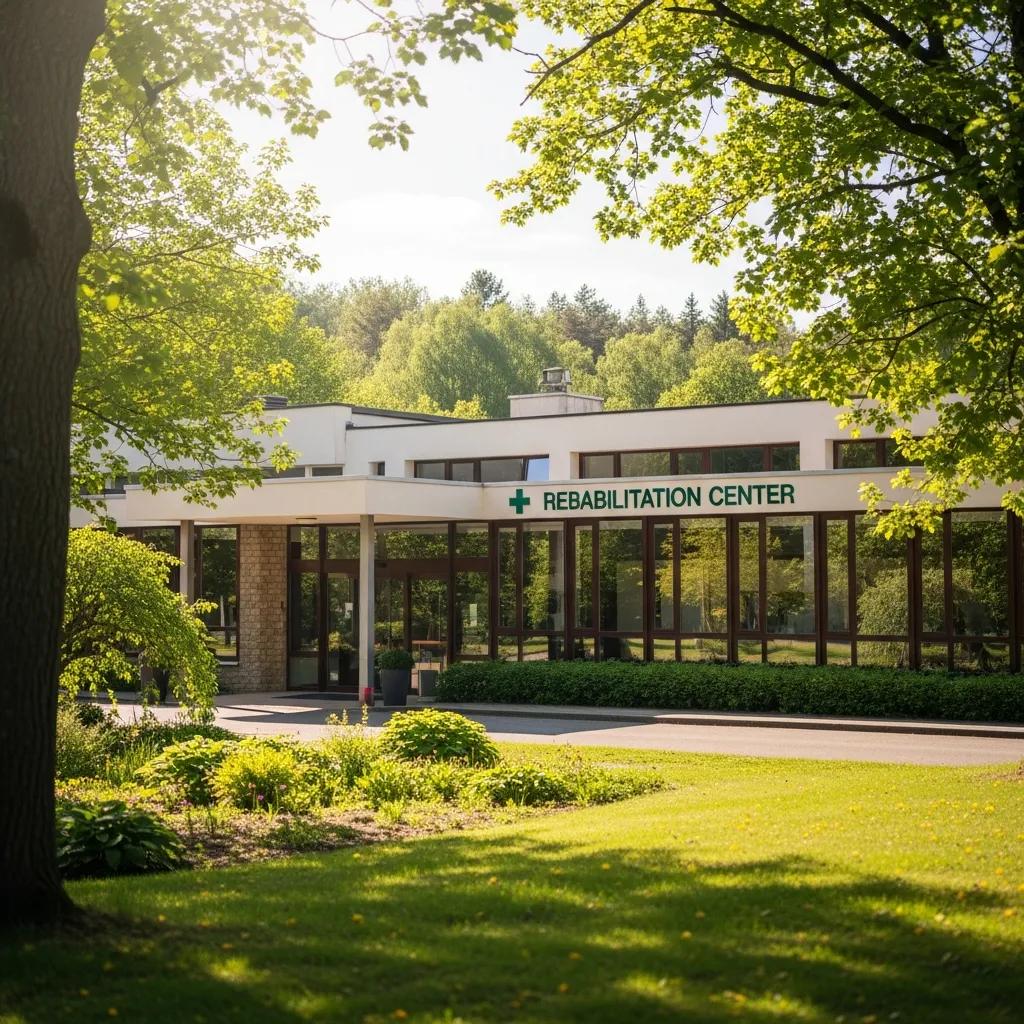
Treatment follows a continuum of care that matches clinical needs to service intensity — from medically supervised detox to residential (inpatient) rehab, outpatient programs, counseling, medication-assisted treatment (MAT), and aftercare. The right level depends on severity, medical risk, co-occurring conditions, social supports, and readiness to change. Effective programs pair evidence-based therapies with medical oversight, individualized planning, and relapse-prevention strategies to support recovery from the acute phase through long-term maintenance.
Below is a comparison table to clarify common levels of care, typical goals, and who benefits most from each option.
How does medical detox support safe withdrawal?
Medical detox manages acute withdrawal under clinical supervision to reduce risk and make the process safer and more comfortable while preparing the person for the next treatment step. Detox teams monitor vital signs, treat symptoms with appropriate medications, and check for mental health risks like suicidal thoughts or severe anxiety. Withdrawal timelines differ by substance — a few days for some stimulants, longer for alcohol or benzodiazepines — and clinicians plan a clear transition from detox to inpatient or outpatient care.
During detox, safety, privacy, and individualized planning are priorities, and a coordinated handoff to follow-up care reduces the chance of relapse after stabilization.
What therapies and programs are included in inpatient rehabilitation?
Inpatient rehab offers a structured day that combines evidence-based psychotherapies — such as cognitive behavioral therapy (CBT), motivational interviewing, and family therapy — with group counseling, medical supervision, and life-skill training. Many programs add complementary supports like mindfulness, yoga, and exercise to help overall well-being. Treatment plans are personalized after a full intake assessment, and daily schedules typically include therapy sessions, skills practice, and relapse-prevention work, with length of stay matched to clinical need.
These services work together to stabilize behavior, teach practical coping strategies, and build a recovery plan that includes aftercare and community supports.
For Nevada residents, medical detox and inpatient rehab programs are available locally; many licensed and accredited centers accept insurance. One example listed publicly is BetterChoice Treatment Center in Las Vegas, Nevada, which provides medical detox and residential programs combining evidence-based therapies, holistic supports, personalized treatment planning, and 24/7 clinical oversight. BetterChoice is described in public directories as licensed and accredited and often accepts several insurance plans. This example shows how a local program handles intake, medical monitoring, and step-down planning while coordinating with families and community resources.
How Can Families Support Loved Ones with Addiction? Guidance and Resources
Families are often the first line of support in recognizing SUD, getting help, and supporting long-term recovery. Approaching a loved one works best with preparation: learn the signs, plan a calm conversation focused on concern rather than blame, and have concrete options ready for assessment and treatment. Family involvement also includes safety planning for overdose risk, helping with transportation to intake, and supporting follow-up care like outpatient therapy or peer supports. Asking clear questions and knowing what to expect from providers helps families navigate options and advocate for their loved one.
Below are practical steps families can take when they suspect a substance problem.
- Educate yourself: Learn about SUD, common withdrawal symptoms, and local treatment choices before you reach out.
- Prepare a supportive script: Use “I” statements, speak from concern, and avoid blaming or shaming.
- Arrange a professional assessment: Contact a clinician to evaluate severity and recommend an appropriate level of care.
- Plan logistics: Be ready to help with transportation, insurance questions, and accompanying your loved one to intake if they consent.
- Implement safety measures: Secure medications, learn overdose response, and keep emergency contacts and naloxone handy when appropriate.
What practical steps can families take to help someone with addiction?
Practical actions include preparing for the initial talk, offering to help arrange a medical assessment, coordinating immediate safety needs, and setting compassionate boundaries that protect both the person and family members. Safety planning can mean securing dangerous substances, learning how to respond to an overdose, and calling emergency services if there is imminent danger. When choosing a treatment program, ask about levels of care, medical monitoring, treatment for co-occurring disorders, expected timelines, and aftercare to ensure continuity.
Where can families find support and resources?
Families can use national hotlines and referral services, local treatment directories, and community-based family support groups to find assessments and programs that fit their needs. National behavioral health resources offer 24/7 referral assistance, while Nevada directories list licensed providers and centers offering services like medical detox and inpatient rehab. Peer-led family groups provide practical advice, coping strategies, and emotional support from people with lived experience, which can be invaluable early in a loved one’s recovery.
- National hotlines and referral services provide immediate guidance and can connect families to local help.
- Local Nevada directories and licensed centers identify nearby options for detox and residential care.
- Peer-support and family groups offer ongoing education and shared experience to complement clinical treatment.
When a loved one enters treatment, family involvement in education and aftercare planning improves outcomes and lowers relapse risk. Expect intake to include medical and psychiatric screening, insurance and privacy discussions, and coordination for step-down care; asking clear questions about these topics helps set realistic expectations.
Frequently Asked Questions
What are the long-term effects of addiction on mental health?
Addiction can worsen mental health, contributing to anxiety, depression, and elevated suicide risk. Chronic substance use alters brain chemistry and can make existing mental health issues worse or create new ones. Long-term use may impair memory and decision-making, making it harder to manage mental health. Successful recovery often requires integrated care that treats both addiction and co-occurring mental health disorders.
How can I recognize if someone is in denial about their addiction?
Denial is common. Signs include minimizing the problem, making excuses, refusing to talk about use, or getting defensive when confronted. Other clues are secretive behavior and neglecting responsibilities. Starting with a calm, non-judgmental conversation can help open the door to further discussion and assessment.
What role does peer support play in recovery from addiction?
Peer support is a powerful part of recovery. Connecting with people who’ve faced similar challenges reduces isolation and provides practical encouragement. Groups like Alcoholics Anonymous (AA) or Narcotics Anonymous (NA) offer structure, accountability, and shared coping strategies. Peer support can boost motivation and help maintain long-term sobriety.
What are the signs that someone may be ready for treatment?
Signs of readiness include admitting the problem, expressing a desire to change, and taking steps like researching treatment options or attending a meeting. Increased awareness of the harm caused by use and a willingness to accept help are strong indicators. Family encouragement often helps move someone toward treatment.
How can families cope while supporting a loved one with addiction?
Families cope best by learning about addiction, setting healthy boundaries, and practicing self-care. Therapy and support groups for family members can provide tools and emotional support. Open, compassionate communication focused on concern rather than blame helps create a supportive environment for recovery. Remember that help is available and you don’t have to do this alone.
What should I expect during the assessment process for addiction treatment?
An assessment is a confidential, comprehensive review of substance use history, mental health, and medical needs. Clinicians ask about frequency and quantity of use, withdrawal symptoms, and how substance use affects daily life. The goal is to determine SUD severity and recommend the most appropriate level of care. Assessments are nonjudgmental and meant to help plan safe, effective treatment.
Conclusion
Knowing the basics of Substance Use Disorder (SUD) helps families and individuals recognize warning signs and find timely care. By covering the biological, psychological, and social factors that contribute to addiction, this guide aims to make treatment options and next steps clearer. Taking early, informed action — whether that means a medical assessment, a detox plan, or family support — improves the chances of lasting recovery. For more help, reach out to local treatment centers, national hotlines, or peer-support groups today.
**