
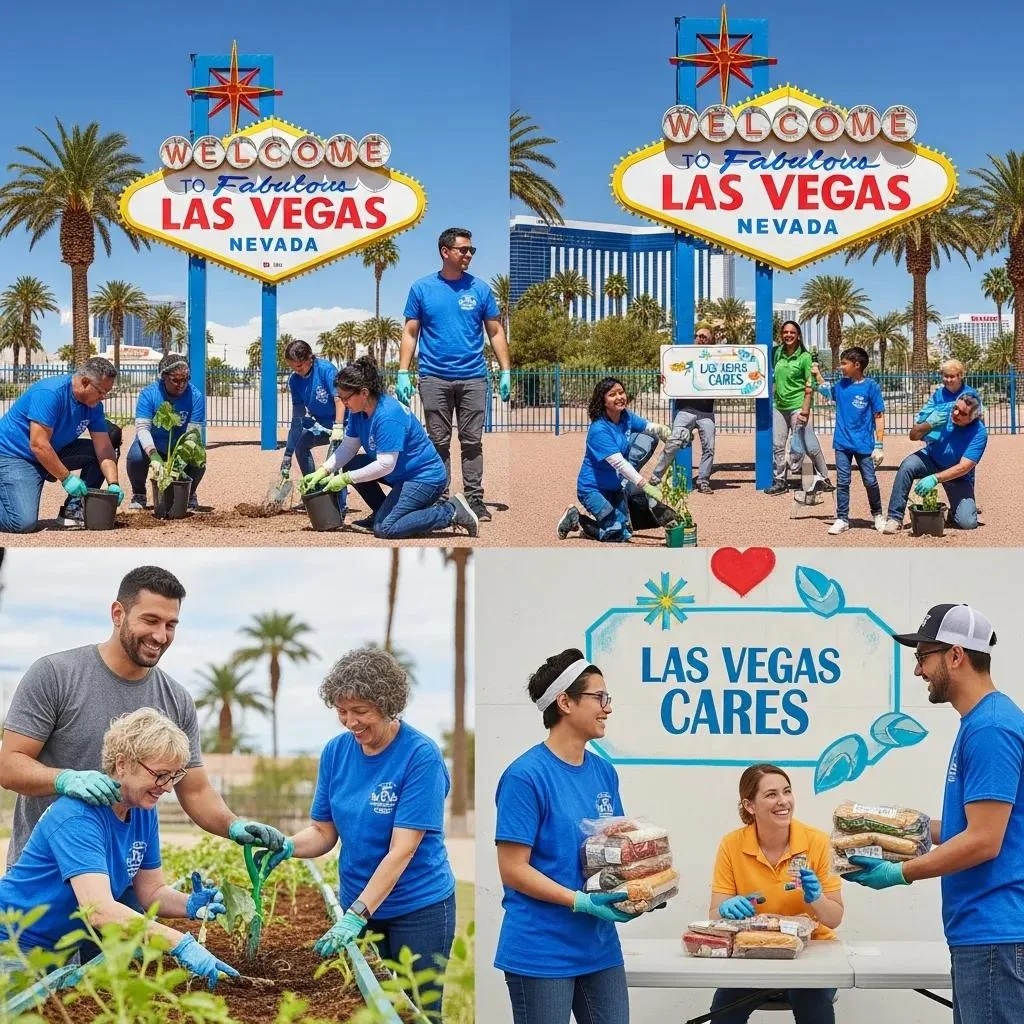
Volunteer Opportunities in Las Vegas for Recovery: Ways to Reconnect, Give Back, and Build Lasting Support
Volunteering after treatment turns hard-won stability into purpose, steady relationships, and a practical safety net that supports long-term recovery. This guide lays out what volunteering in recovery looks like in Las Vegas, why it helps prevent relapse and restore identity, the common volunteer roles you can consider, and clear steps to find and apply for positions that fit your readiness and strengths. Many people who leave detox or inpatient care face loneliness, unstructured time, and a search for meaningful roles — volunteering offers routine, new sober connections, and safe chances to practice skills learned in treatment. We explain the therapeutic mechanisms (how helping others changes reward pathways and self-view), list local organizations that often recruit people in recovery, and describe how treatment programs can prepare you to join those efforts. You’ll also find practical checklists, step-by-step application tips, role comparisons, and notes on treatment-to-volunteer referral pathways used in Nevada. Keywords such as volunteering for recovery Las Vegas, peer support volunteer Las Vegas, and community reintegration after treatment Nevada are woven into actionable suggestions to help you move from care into community service.
Why Is Volunteering Important for Sustained Recovery in Las Vegas?
Volunteering supports lasting recovery by giving structure and purpose, strengthening a new identity, and expanding sober social networks that lower relapse risk. Consistent, socially valued roles boost feelings of competence and belonging while replacing unstructured hours that can lead to relapse; modern research and recovery practice highlight these protective effects. In Las Vegas, opportunities range from one-off events to ongoing peer-support shifts, allowing you to test skills and build routine without the pressure of a paid job. The section that follows breaks these benefits into concrete psychological and social mechanisms so you can see exactly why volunteering matters for long-term sobriety.
Volunteering provides several research-backed benefits for people in recovery:
- Rebuilds identity and self-worth by offering meaningful roles and visible contribution.
- Reduces isolation and creates sober social contacts through regular shifts and team activities.
- Builds transferable skills — communication, time management, conflict resolution — useful for work and everyday life.
- Supports relapse prevention by adding accountability, routine, and opportunities to practice coping strategies.
Each benefit works through a clear pathway: role recognition raises self-worth, social contact eases loneliness, skills practice builds mastery, and structured time lowers exposure to high-risk situations. Knowing these mechanisms helps you pick volunteer roles that match your recovery goals.
How Does Volunteering Rebuild Identity and Self-Esteem in Recovery?

Rebuilding identity in recovery means replacing the “addict” label with roles that show competence and contribution. Volunteering is a practical path to that change. Whether you mentor someone, help in a soup kitchen, or teach a skill, making a visible contribution triggers positive feedback in the brain and strengthens confidence while reducing shame-driven relapse risk. Activities that support identity rebuilding include peer mentoring, leading small groups, and keeping consistent shifts that produce regular feedback and recognition. Small, repeated wins — finishing a shift, receiving thanks from a client, or teaching a skill — add up over weeks and months to create a lasting sense of purpose that complements therapy and relapse-prevention work.
Those identity gains also build social capital: teammates and supervisors become supportive contacts during high-risk moments. That network naturally leads into how volunteering creates community and reduces isolation by turning repeated interactions into reliable social supports.
In What Ways Does Volunteering Foster Community and Reduce Isolation?
Volunteering builds community by creating predictable social contact with peers, staff mentors, and program participants — the steady interactions that ease isolation-related relapse risk. In practice, volunteers join teams for outreach, shelter shifts, or event support that meet regularly, allowing recovering people to form dependable relationships and reciprocal support systems. These bonds act as practical scaffolding: volunteers share resources, offer accountability, and spot warning signs before clinical intervention is needed. Regular roles also help rebuild daily routines — using public transit, keeping a schedule, and checking in with a team — which improve overall functioning and reduce time spent alone in risky situations.
Many local programs pair volunteers with supervision and peer-led debriefs, so volunteers gain mentors and structured support that further reduce isolation. These program features make volunteering a strong bridge from clinical care into community life and set the stage for identifying specific volunteer roles in Las Vegas.
What Types of Volunteer Opportunities Are Available for Individuals in Recovery in Las Vegas?
Volunteer opportunities in Las Vegas that suit people in recovery generally fall into three practical categories — peer support, community outreach/service, and skill-based volunteering — each with different duties and readiness expectations. Peer support volunteers work directly with others in recovery through mentoring, warm lines, or group facilitation; outreach volunteers help with street outreach, harm-reduction distribution, or event staffing; skill-based volunteers apply vocational strengths like bookkeeping, tutoring, or job coaching. These categories differ in training, time commitment, and screening; the table below compares common role types so you can decide which fits your current stability and goals.
This comparison highlights how different tracks balance direct support duties and administrative needs. Pick a pathway that fits your timeline and clinical stability to keep your volunteer work sustainable.
Which Peer Support Volunteer Roles Support Addiction Recovery?
Peer support roles include recovery coaching, co-facilitating meetings, staffing warm lines, and informal mentorship — positions where lived experience directly helps others and strengthens the volunteer’s own recovery. Typical duties are active listening, sharing coping strategies, helping people find resources, and modeling stable behavior. Clear boundaries and supervision are essential to keep these roles safe and effective. Training usually covers ethics, confidentiality, crisis recognition, and basic facilitation; many programs ask for a documented period of stability and ongoing supervision to protect both volunteers and clients. The mutual benefit is strong: helping others reinforces the volunteer’s recovery while recipients gain empathy, guidance, and role models.
Because peer-support work can involve sensitive disclosures, organizations typically provide structured oversight and routine check-ins. That supervision supports volunteers’ mental health and prepares them for broader community engagement, which we cover next for other program types.
What Community Service and Outreach Programs Can Recovery Volunteers Join?
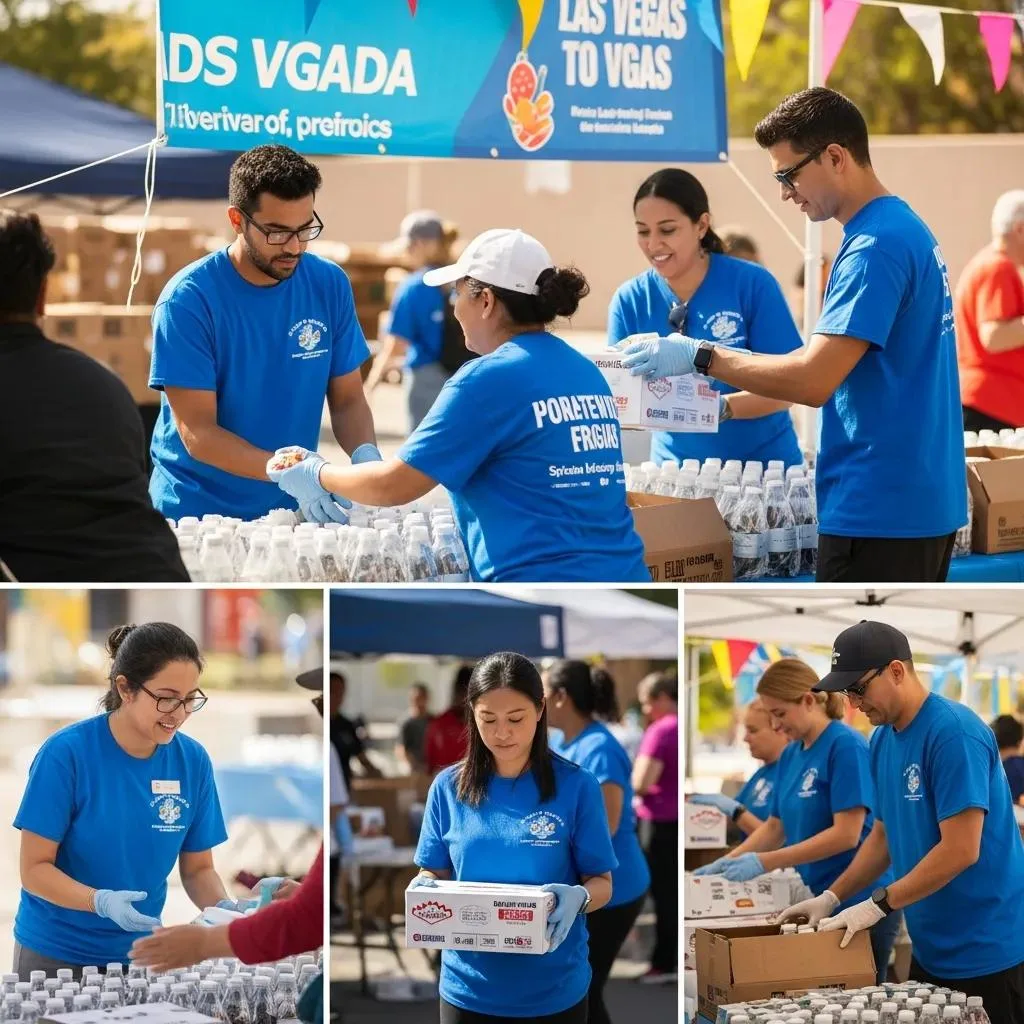
Community service and outreach in Las Vegas include food banks, shelter support, outreach to unhoused neighbors, harm-reduction distribution, and public event assistance. These roles deliver visible community impact and predictable shift structures that work well with recovery schedules. Tasks range from meal service and supply sorting to staffing outreach teams and helping with event logistics. Accessibility varies: some programs require background checks and orientation, while others offer immediate short-term roles for people transitioning from treatment. The practical benefits are clear — helping neighbors, gaining public-service experience, and practicing punctuality and teamwork.
An at-a-glance summary of program types and accessibility:
These options offer different levels of commitment and supervision, giving you multiple ways to contribute while keeping recovery priorities front and center.
How Does BetterChoice Treatment Center Prepare You for Volunteering and Community Engagement?
BetterChoice Treatment Center helps clients reach readiness markers — medical detox, inpatient therapy, relapse-prevention planning, and life-skills work — so volunteering becomes a safe and meaningful next step. Our integrated approach treats co-occurring mental health concerns while building the practical capacities needed for reliable volunteer participation. Clinicians typically assess readiness by confirming medical stability, consistent therapy engagement, and demonstrated coping in real-world settings — markers that often line up with volunteer organizations’ screening expectations. The table below links treatment types to the practical outcomes that support volunteer readiness and explains how clinical progress becomes community engagement capacity.
This mapping shows how clinical milestones align with volunteer-readiness markers: detox reduces acute physiological risk, inpatient care builds routine, therapy strengthens interpersonal capacity, and life-skills work increases reliability.
What Foundational Treatments Support Readiness for Volunteering?
Foundational treatments that support volunteer readiness include medical detox to manage withdrawal safely, inpatient therapy to rehearse coping strategies in a structured setting, and outpatient counseling to maintain gains after discharge. Detox provides the stability needed to participate in community roles without unmanaged symptoms, while inpatient programs reinforce daily routines, practice coping skills, and build peer accountability that mirror volunteer schedules. Clinicians usually look for several weeks of stability, consistent therapy attendance, a relapse-prevention plan, and the ability to handle stress in supervised settings before recommending volunteer placement. These checkpoints reduce risk for volunteers and the people they serve.
Case managers often arrange phased re-entry — starting with low-responsibility shifts and increasing duties as confidence and stability grow — which leads into how holistic therapies and life-skills training translate into dependable participation.
How Do Holistic Therapies and Life Skills Development Aid Reintegration?
Holistic therapies — mindfulness, exercise, nutrition counseling — and targeted life-skills coaching strengthen the daily capacities needed for volunteering, like stress management, sleep routines, and punctuality. Time-management coaching and transportation planning reduce common practical barriers to attendance, while communication skills workshops improve teamwork and conflict resolution during shifts. Vocational coaching and role-play let you practice duties in a low-stakes setting so therapeutic gains become observable workplace behaviors. Together, these supports create a stable foundation for community engagement by addressing emotional resilience and logistical reliability.
As clients demonstrate these applied skills with clinical support, treatment providers can make informed referrals and coordinate with local volunteer organizations — the next practical step explained below.
How Can You Find and Apply for Volunteer Opportunities in Las Vegas for Recovery?
Finding and applying for volunteer roles follows a simple sequence: assess readiness and interests, research organizations and role requirements, complete applications and screenings, and attend orientation or training before starting shifts. This stepwise approach reduces overwhelm and helps align your recovery stage with role demands. Below are practical steps to move from assessment to placement, written for quick reference and action.
- Assess your interests, availability, and emotional readiness for different volunteer types.
- Research local organizations and confirm role requirements, training timelines, and supervision structures.
- Submit applications and any requested documents, and be prepared for background checks or health screenings if required.
- Complete orientation/training, begin with supervised or short shifts, and keep clinical check-ins during the transition.
Following these steps helps you match your strengths to appropriate roles while keeping safety and stability first. The sections that follow break down practical tactics for assessment and research to make each step actionable.
What Steps Help Assess Your Interests and Strengths for Volunteering?
Start with a short interest inventory and skills checklist: name three activities you enjoy, three strengths you bring (for example, listening, organizing, cooking), and realistic weekly hours you can commit. Think about transportation, physical demands, and emotional triggers linked to certain roles — outreach to high-need populations may require stronger emotional supports than admin tasks. Build a support plan: pick a clinician or peer contact for early-shift check-ins and set incremental goals (two shifts per month, then weekly) to avoid overload. This concrete self-assessment helps you choose roles that support recovery rather than strain it.
Once you’ve clarified your profile, the next step is researching organizations and confirming role details and supervision expectations before applying.
How Do You Research Local Volunteer Organizations and Their Programs?
Good research steps include reading organization descriptions, calling volunteer coordinators to ask about supervision and training, and checking volunteer platforms or community boards for current needs. Confirm whether roles require background checks, particular training, or sobriety timelines. Ask focused questions: How are volunteers supervised? What are typical shift lengths? Is a peer mentor available for initial shifts? Watch for red flags like vague supervision, inconsistent orientation, or unrealistic expectations. For people transitioning from treatment, ask your case manager about referral letters or coordinated introductions — many centers provide documentation or make warm handoffs to partner organizations.
BetterChoice Treatment Center can support continuing-care referrals and discuss readiness with partner organizations when appropriate, helping bridge clinical progress to volunteer placement while protecting client safety and privacy.
What Are the Mental Health and Wellness Benefits of Volunteering During Recovery?
Volunteering brings measurable mental-health benefits for people in recovery: improved mood, fewer depressive symptoms, higher self-esteem, and stronger social connections. These gains come from behavioral activation — structured activity that increases rewarding experiences — and from social reinforcement when meaningful roles validate identity and competence. Research and clinical practice show volunteers often report less anxiety, better daily structure, and a stronger sense of purpose — factors linked to lower relapse risk. Below is a quick summary of the main wellness effects volunteering often supports.
- Improved mood and reduced depressive symptoms through regular, meaningful engagement.
- Restored self-esteem and identity repair by contributing to visible outcomes in the community.
- Broader social support and accountability that protect against isolation-driven relapse.
These benefits operate through interacting psychological mechanisms — reward, mastery, and belonging — that together strengthen resilience. Understanding how they work helps you choose volunteer roles that maximize wellness gains.
How Does Volunteering Improve Mental Wellness and Self-Esteem?
Volunteering boosts mental wellness by activating reward pathways through prosocial behavior: helping others produces positive feedback and a sense of accomplishment that counters shame and low self-worth. Completing shifts and receiving recognition from peers or supervisors gives concrete evidence of capability, which rebuilds self-esteem over time. Roles with visible outcomes and direct feedback — mentoring, facilitating groups, and skill-based tasks — often provide the biggest mental-health returns. These gains are strongest when volunteers pair service with ongoing clinical support and regular supervision, creating a safe environment for growth.
Because improvements in mental health also lower relapse risk, coordinate with clinicians to track mood and adjust responsibilities as needed — a reciprocal process that links service and recovery progress.
What Role Does Purpose and Connection Play in Sustained Sobriety?
Purpose and social connection are long-term protective factors because they anchor daily routines and create accountability that discourages solitary relapse. Ongoing volunteer roles form identity anchors — regular duties that shape who you are — and social anchors — networks of people who expect your participation and can step in when risks appear. Over months, these anchors become part of a recovery ecosystem that includes therapy, peer support, and community roles, making sobriety more sustainable. Purpose-driven activity also shifts attention away from craving-focused rumination toward helpful, externally focused tasks, which reduces relapse triggers and improves life satisfaction.
Building these anchors is gradual: start with manageable commitments, cultivate dependable contacts, and choose roles that align with your values to increase long-term follow-through and benefit.
Which Local Las Vegas Organizations Offer Volunteer Programs Supporting Addiction Recovery?
Several Las Vegas organizations regularly offer volunteer programs that support people in recovery through peer facilitation, outreach, event staffing, and advocacy. The directory below summarizes typical focuses, roles, and application notes to help you target groups that match your readiness. Before applying, confirm current openings, training timelines, and any screening requirements directly with each organization. The table uses commonly known local names associated with recovery-oriented volunteer work and clarifies typical expectations.
Use this directory as a starting point for outreach and application — always confirm current role descriptions and requirements with each organization to ensure fit and safety.
What Volunteer Roles Do Foundation for Recovery and NAMI Southern Nevada Provide?
Foundation for Recovery often recruits volunteers for peer-focused roles such as meeting support, mentorship, and recovery navigation; these roles typically include basic peer-support orientation and ongoing supervision. Volunteers with lived experience frequently help facilitate groups, staff intake tables at events, and offer check-ins that support participant engagement. NAMI Southern Nevada centers on mental-health education and advocacy; volunteers there commonly assist with support-group facilitation, community trainings, and administrative tasks that boost public awareness and reduce stigma. Both organizations emphasize clear supervision, confidentiality, and role-appropriate boundaries to protect volunteers and participants.
If you’re moving from clinical care to volunteering, ask program coordinators about phased responsibilities and whether they accept referral notes or letters of support to simplify onboarding.
How Do Vegas Stronger and Signs of HOPE Engage Recovery Volunteers?
Vegas Stronger and Signs of HOPE engage volunteers in event-based work, outreach campaigns, and direct services like supply distribution and resource navigation; these roles often suit people looking for flexible, meaningful opportunities. Entry steps can include orientation sessions, brief safety trainings, and sometimes background checks depending on the role and population served. Volunteers frequently start with supervised, short-term shifts and move into recurring responsibilities as they gain confidence. Preparing for these roles by practicing punctuality, clear communication, and self-care routines helps smooth the transition and supports a positive, sustained volunteer experience.
BetterChoice Treatment Center supports clients’ moves into volunteering by assessing readiness, coordinating referral conversations with partner organizations, and clarifying documentation or clinical recommendations that may help with onboarding — positioning clinical stabilization as the foundation for purposeful community engagement.
Frequently Asked Questions
What are the benefits of volunteering for individuals in recovery?
Volunteering brings many benefits for people in recovery: better mood, improved self-esteem, and stronger social ties. Community service helps reduce isolation and depression by offering purpose and belonging. It also gives you real-world chances to practice coping skills learned in treatment. The structure of volunteer work helps maintain routines that are important for relapse prevention and long-term stability.
How can I find the right volunteer opportunity for my skills and interests?
Start by listing your interests, strengths, and availability. Think about what activities energize you and what skills you can offer — communication, organization, cooking, etc. Research local groups that match your interests and review their volunteer roles. Call coordinators to ask about training and expectations. This proactive approach helps you find roles that fit your skills and support your recovery.
Are there specific training programs for recovery volunteers?
Yes. Many organizations provide training for recovery volunteers to prepare them for their roles. Training often covers ethics, confidentiality, crisis management, and effective communication. Programs aim to equip volunteers to support others while protecting their own recovery. Ongoing supervision and peer support are commonly available to help volunteers navigate challenges.
What should I do if I feel overwhelmed while volunteering?
If you feel overwhelmed, tell a supervisor or mentor so you can adjust your duties or schedule. Use your self-care plan: check in with a therapist or support group, practice grounding techniques, and take breaks as needed. It’s okay to step back — prioritizing your recovery is the right choice.
How can volunteering help with relapse prevention?
Volunteering helps prevent relapse by adding structure, accountability, and purpose. Meaningful activities fill unstructured time that can lead to cravings. The social connections you build through volunteering become a support network that can step in during high-risk moments. By reinforcing coping strategies and a steady routine, volunteering serves as a protective factor against relapse.
What types of organizations typically seek recovery volunteers?
Organizations that often welcome recovery volunteers include peer-support groups, community outreach programs, mental-health advocates, shelters, and recovery-focused nonprofits. Many value lived experience because it strengthens connection with people they serve. Research local groups to find opportunities that align with your recovery goals and interests.
Can volunteering lead to job opportunities in the future?
Yes. Volunteering builds transferable skills — teamwork, communication, problem-solving — and helps you expand your professional network and gain references. Dedicated volunteers may find pathways to paid roles within organizations, so volunteering is a practical way to strengthen your resume while supporting recovery.
Conclusion
Volunteering in Las Vegas offers more than service — it creates purpose, builds supportive relationships, and strengthens the routines that sustain recovery. By choosing roles that match your readiness and values, you can boost self-esteem, learn useful skills, and join a community that supports long-term sobriety. Use the guidance here to reach out to local organizations and find a volunteer role that fits your strengths and recovery plan.