

Veterans Rehab Programs — Las Vegas, NV: Comprehensive Addiction & PTSD Care for Service Members
This page is a practical guide to addiction and PTSD care for veterans in Las Vegas. You’ll find clear steps on how to access treatment and what to expect at each stage — from medical detox to residential and outpatient rehab to evidence-based PTSD therapies. Many veterans face co-occurring conditions like traumatic brain injury or depression that complicate recovery; this guide explains how integrated, trauma-informed care lowers risk and improves outcomes. We outline the specialized services available locally, the therapies that work for military trauma, how insurance (including TRICARE and VA Community Care) typically fits, family supports, and aftercare planning so veterans and their families can make informed, actionable decisions about care in Las Vegas.
What specialized services does BetterChoice offer for veterans’ addiction treatment?
Our veteran-focused services blend addiction treatment and mental-health care into a coordinated path that covers withdrawal safety, stabilization, psychotherapy, and relapse prevention. Care usually starts with medically supervised detox to manage physical risk, then moves into structured residential or intensive outpatient programs, and finally transitions to counseling and peer support for long-term recovery. The main advantage is continuity: veterans get coordinated medical oversight, trauma-informed mental health treatment, and individualized discharge plans that support sustained recovery. Below is a concise overview of the core service types veterans typically encounter in Las Vegas and how each level supports healing.
Veterans and families frequently ask about timelines and supervision. The table below shows typical lengths and levels of clinical oversight so you can set realistic expectations.
This comparison shows how detox addresses immediate medical risk, residential care offers an immersive treatment setting, and outpatient programs support the return to daily life. Knowing these differences helps veterans and families plan intake and placement.
Common care pathways include detox to manage withdrawal, residential treatment for intensive stabilization, and outpatient tracks to preserve treatment gains while resuming responsibilities. For veterans with both substance use and mental-health conditions, integrated dual-diagnosis treatment pairs addiction counseling with psychiatric care and trauma-focused therapy. That integrated model reduces service fragmentation and improves engagement — which brings us to how medical detox supports early recovery.
How does medical detox support veterans in early recovery?
Medical detox provides safe, monitored withdrawal care that reduces immediate medical risk and begins clinical stabilization. During detox, nurses and physicians check vital signs, manage withdrawal with evidence-based medications when needed, and offer supportive care to prevent complications. Many substances follow a three- to seven-day timeline, with the first 72 hours often requiring closer observation when symptoms peak. During high-risk periods, visitation may be limited, privacy protections apply, and staff provide regular updates to coordinate the next level of care. A successful detox is followed by a residential or outpatient plan that targets trauma and substance-use triggers.
What inpatient and outpatient rehab options are tailored for veterans?
Residential rehab gives veterans a structured, therapeutic environment with daily clinical work, medical oversight, and peer support. Outpatient options like Partial Hospitalization (PHP) and Intensive Outpatient (IOP) allow veterans to continue treatment while living at home and returning to responsibilities. Residential care is best for those with higher medical or psychiatric needs, unstable housing, or recent relapse; outpatient programs fit veterans with stronger supports who need flexibility for work or family. Treatment plans often include veteran-only groups, trauma-focused therapy, and peer specialists to build trust and cultural competence. Practical issues — visitation rules, family involvement, and medication handling — are adjusted to protect safety and privacy while supporting family engagement when appropriate. This balance lets veterans step up or step down in intensity as their needs change, and it sets the stage for focused trauma care.
How is PTSD and military trauma addressed in veterans rehab programs?
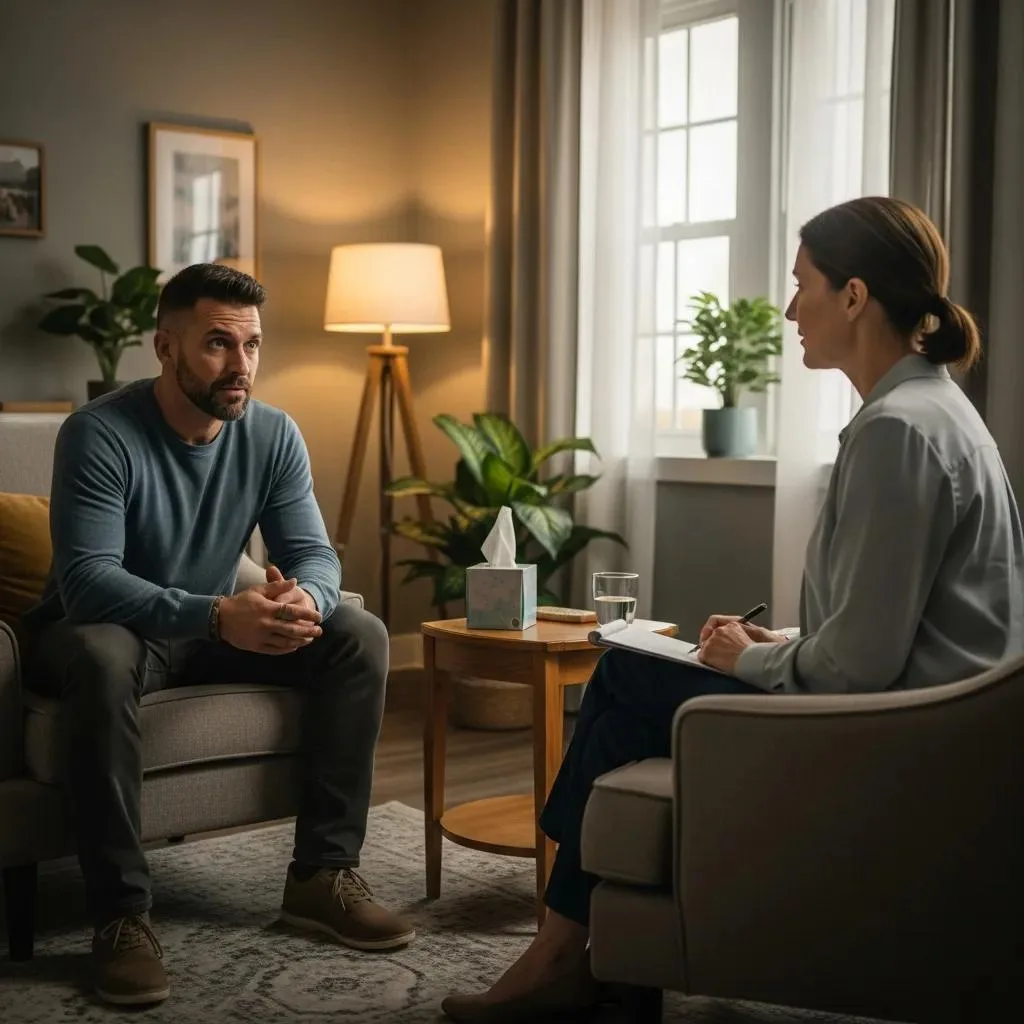
Programs combine trauma-focused psychotherapies with addiction treatment, psychiatric medication when needed, and trauma-informed designs that prioritize safety and choice. Treating trauma reduces triggers for substance use and helps veterans engage more fully in behavioral interventions — which in turn lowers relapse risk. Common evidence-based therapies used with veterans include EMDR, Cognitive Processing Therapy (CPT), and Prolonged Exposure (PE). Psychiatric care can also help stabilize mood, sleep, and co-occurring conditions. Teams apply trauma-informed principles — safety, trustworthiness, choice, collaboration, and empowerment — and often include veteran peer support to increase relevance and retention. Below is a quick comparison of core therapies and when they’re typically used.
Current clinical practice emphasizes coordinated pathways where trauma work and addiction counseling proceed together to minimize retraumatization and strengthen coping skills.
This comparison clarifies when clinicians commonly use each approach and what to expect from therapy. Integrating trauma work with addiction treatment keeps processing within a safe, medically supervised framework.
What evidence-based therapies treat PTSD in veterans?
Proven therapies for veteran PTSD include EMDR, CPT, PE, and trauma-adapted Cognitive Behavioral Therapy (CBT), often combined with medication when clinically indicated. EMDR uses bilateral stimulation during trauma processing to lessen emotional intensity; CPT targets and revises unhelpful beliefs that developed after trauma; PE uses repeated, controlled exposure to reduce fear and avoidance. Typical courses vary: EMDR and CPT frequently run 8–12 sessions, while PE may take 8–15 sessions depending on symptom severity. Sessions are usually weekly or biweekly and are integrated with addiction counseling when substance use co-occurs. Research shows that pairing trauma therapy with relapse-prevention work improves longer-term outcomes by addressing both triggers and coping skills.
How does trauma-informed care enhance recovery for military personnel?
Trauma-informed care reduces the chance of retraumatization, builds trust, and gives veterans meaningful choices about their treatment. Core principles translate into concrete practices: veteran-only groups, staff trained in military culture, flexible pacing for therapy, and clear confidentiality safeguards. Programs using these principles see better engagement and lower dropout because they acknowledge the relational effects of military trauma and use peer mentors who model recovery. Examples include offering private therapy for veterans with privacy concerns, using grounding skills before exposure work, and including family sessions to rebuild support. These practices strengthen the therapeutic alliance and set up smoother benefits navigation and aftercare planning.
How can veterans navigate TRICARE and VA benefits for rehab in Las Vegas?
Using TRICARE or VA Community Care typically follows a few practical steps: confirm eligibility, request referrals or prior authorizations, coordinate with chosen providers, and verify coverage before admission. Getting authorization and documentation in order reduces financial interruptions and shortens wait time for placement. Prepare key paperwork — service records, IDs, insurance cards, and recent clinical notes — to speed verification. The checklist below is a simple, actionable starting point for veterans and families initiating care through VA or TRICARE.
- Confirm VA enrollment or TRICARE active status and note your coverage type.
- Request a referral or pre-authorization from your VA care coordinator or TRICARE contact.
- Call potential treatment providers to verify they accept your benefits and understand authorization rules.
- Gather service records, IDs, medication lists, and schedule an intake once coverage is confirmed.
Following these steps helps avoid common delays by ensuring referrals and paperwork are ready before admission. The table below summarizes typical coverage actions and next steps.
What are the steps to access VA Community Care and TRICARE coverage?
Acting early helps. A simple sequence — verify eligibility, request referrals/authorizations, confirm provider acceptance, and prepare intake documents — keeps the process moving. Timelines vary: eligibility checks can be quick, but referrals and authorizations may take days to weeks depending on workload and documentation. Track confirmation numbers, keep copies of submitted forms, and coordinate with the provider’s benefits liaison to clarify required paperwork and expected windows. Preparing ahead reduces gaps in care and helps ensure timely placement when clinical need arises.
How does BetterChoice facilitate insurance and benefits navigation?
BetterChoice Treatment Center helps by verifying benefits, assisting with prior authorizations, and communicating with TRICARE or VA Community Care administrators to support placement. We collect necessary documentation at intake, submit authorization requests on your behalf, and provide clear lists of required paperwork — though final eligibility and payment decisions remain with VA or TRICARE. Our administrative support often shortens the time between referral and admission by staying in regular contact with payers. Veterans should still maintain contact with their VA care coordinator or TRICARE representative to monitor approvals and handle any appeals.
What support resources are available for veterans’ families during rehab?

Family supports focus on education, safe involvement, and communication skills that help veterans recover while protecting privacy and autonomy. Engaged families can strengthen recovery by setting clear boundaries, learning relapse-prevention strategies, and practicing motivational communication. Typical supports include education sessions about addiction and PTSD, structured family therapy, and workshops on constructive communication. Below are a few practical steps families can take to prepare for a loved one’s treatment and to support recovery without overstepping clinical boundaries.
- Learn the basics of the treatment plan and what to expect before admission so home supports align with clinical goals.
- Set healthy boundaries that reduce enabling and promote accountability.
- Prepare a list of current medications, recent medical history, and preferred contact methods for intake coordination.
These actions help families contribute positively to recovery while avoiding common pitfalls. The section below offers immediate, practical ways family members can help before and during treatment.
How can family members help veterans overcome addiction and PTSD?
Families play a key role by offering practical help, keeping things safe, and encouraging treatment without coercion. Simple actions — organizing paperwork for intake, providing transportation to appointments, and knowing crisis contacts like the Veterans Crisis Line — make a big difference. When talking with a veteran, use nonjudgmental listening, describe specific concerns rather than general criticisms, and offer concrete help (for example, help with scheduling) instead of ultimatums. Avoid reverting to strict military-style commands that may provoke resistance; instead, use collaborative language that respects the veteran’s autonomy. If safety becomes a concern, know when to seek emergency help so support remains protective rather than harmful.
What family therapy and communication programs does BetterChoice provide?
BetterChoice offers family education and therapy designed to help relatives understand addiction and trauma, improve communication, and support a safe transition home while protecting confidentiality. Typical program elements include scheduled family education sessions, structured family therapy appointments, and workshops teaching motivational interviewing and boundary-setting. Sessions are led by clinicians trained in family systems and trauma-informed care and are scheduled to fit family availability. We explain confidentiality rules up front so families know what clinical information can be shared. These services aim to rebuild trust, clarify roles in aftercare, and give families practical relapse-prevention tools that reinforce the veteran’s progress.
What levels of care and aftercare services support veterans’ long-term recovery?
Long-term recovery usually follows a staged pathway: medical detox to stabilize withdrawal, residential treatment to build coping skills and address trauma, and outpatient programs to translate gains into daily life. This pathway works when clinical goals are aligned across settings and handoffs include clear discharge plans and community resource connections. Aftercare — sober living, veteran peer groups, ongoing outpatient therapy, and telehealth follow-ups — provides layered support to reduce relapse risk and sustain gains. The sequence below shows the typical progression and why each step matters.
- Medical detox to stabilize physiology and reduce immediate medical risk.
- Residential treatment to build coping skills, address trauma, and establish relapse-prevention strategies.
- Outpatient programs to maintain therapeutic momentum while returning to daily roles.
This progression shows how care intensity decreases as clinical stability and community functioning improve, while supports remain available for relapse prevention and peer connection.
How do detox, inpatient, and outpatient programs integrate for veterans?
Integration depends on clear treatment planning, medical-record handoffs, and shared recovery goals focused on symptom reduction, skill-building, and reintegration. Teams coordinate records, update safety plans, and schedule follow-up outpatient sessions before discharge to avoid gaps. Veterans step up in care for escalating substance use, acute psychiatric symptoms, or safety concerns; they step down as stability, coping skills, and support systems improve. Peer support and telehealth check-ins also help bridge transitions and reduce readmission by addressing clinical and practical barriers to ongoing care.
What aftercare and peer support options promote sustained healing?
Aftercare typically mixes outpatient therapy, veteran peer groups, sober living, and scheduled telehealth follow-ups to keep veterans connected and to monitor relapse risk. Peer groups provide shared military experience and accountability; continued individual therapy supports ongoing trauma work and relapse-prevention planning. Sober living offers a supervised, substance-free environment to rebuild routine during early reintegration. Families can support aftercare by joining scheduled sessions when appropriate and helping veterans keep appointments. BetterChoice can assist with transition planning and referrals to local peer supports and outpatient resources — confirm specific availability and benefit coverage during intake.
This guide outlines practical steps, clinical options, and family resources veterans and their supporters can use to navigate recovery in Las Vegas, covering specialized services, PTSD therapies, benefits navigation, family programs, and coordinated care pathways to support lasting healing.
Frequently Asked Questions
What should veterans expect during their first therapy session?
Your first therapy visit is an assessment: the clinician will ask about your history, current concerns, and treatment goals and will work to build trust. You’ll discuss substance use, PTSD symptoms, and any co-occurring issues. It’s also a time to ask about confidentiality, therapy style, session length, and what the next steps will be.
Are there specific therapies that work best for veterans with PTSD?
Yes. EMDR, Cognitive Processing Therapy (CPT), and Prolonged Exposure (PE) are evidence-based treatments commonly recommended for veterans. Each targets trauma in different ways, and the best choice depends on symptoms, preferences, and clinical recommendations. A clinician can help match the therapy to your needs.
How can veterans maintain their recovery after completing a rehab program?
Ongoing support is key. Consider outpatient therapy, peer support groups, and sober-living options to reinforce new skills. Build healthy routines — sleep, exercise, mindfulness — and stay connected with family and peers. Keep follow-up appointments and use relapse-prevention tools learned in treatment.
What role do peer support groups play in a veteran’s recovery?
Peer groups provide shared experience, understanding, and accountability. Veterans often find it easier to open up with others who understand military life. Peer support can boost motivation, reduce isolation, and offer practical tips for staying sober and managing trauma symptoms.
How can families support veterans during their recovery process?
Families help most by learning about addiction and PTSD, setting clear boundaries, and keeping communication open and nonjudgmental. Family therapy can rebuild trust and teach practical skills. Helping with logistics — appointments, transportation, paperwork — and offering steady emotional support are also valuable.
What are the signs that a veteran may need to step up their level of care?
Signs to consider stepping up include increased substance use, worsening mental-health symptoms, trouble managing daily responsibilities, withdrawal from social contact, or decreased engagement in treatment. If you notice these changes, contact the treatment team to reassess and consider a higher level of care for safety and support.
Conclusion
Veterans in Las Vegas have access to comprehensive, trauma-informed addiction and PTSD care tailored to military experience. Understanding the services, evidence-based therapies, family supports, and benefits navigation options helps veterans and their families make informed choices. If you or a loved one is ready to take the next step, reach out to learn more about our veteran-focused programs and the support available in your community.