

Drug Trends & Addiction in Las Vegas: Clear Statistics, Risks, and How to Get Help
Las Vegas and Clark County have seen important shifts in drug use and overdose patterns in recent years. Synthetic opioids (like fentanyl) and psychostimulants (such as methamphetamine) now drive much of the change. This article lays out what those trends look like, why fentanyl and meth increase overdose risk, and how local treatment options — from medically supervised detox to outpatient counseling — address different forms of Substance Use Disorder. You’ll find concise, cited data summaries, comparison tables that show which drugs are contributing most to deaths, and a clear, step-by-step guide for families seeking care in Nevada. Our goal is practical clarity: understand the local numbers, recognize substance-specific dangers, and learn exactly how to access help in Las Vegas. Below we cover current overdose statistics, the fentanyl crisis, treatment for opioids and stimulants, heroin and prescription misuse, youth patterns, and local access to care and support.
What Are the Current Drug Overdose Statistics in Las Vegas and Nevada?
State and county overdose data point to rising deaths tied to synthetic opioids and psychostimulants—patterns that mirror national public-health reports. Recent statewide dashboards show total drug overdose deaths climbed year over year, with Clark County accounting for a large share of fatalities because of its population size and urban risk factors. Laying out these trends helps families and providers focus prevention and treatment where they will reduce the most harm. The table below summarizes overdose trends by main drug category so it’s clear which substances are responsible for recent increases.
The table below gives a side-by-side summary of overdose counts and recent percent changes by drug category.
This summary makes clear that synthetic opioids and psychostimulants are the main drivers of recent mortality, while other drugs continue to contribute through co-involvement or chronic harms. Consulting local public-health dashboards alongside these categories helps guide intervention priorities and clinical triage.
How Have Overdose Deaths Changed in Clark County from 2018 to 2022?
Overdose deaths in Clark County climbed noticeably between 2018 and 2022. Key inflection points match the wider availability of fentanyl and a renewed rise in stimulant-involved fatalities. Year-to-year increases were strongest in the synthetic opioid category, though methamphetamine-linked deaths also rose and added to total mortality. These changes reflect shifts in the illicit supply and wider social factors—housing instability and gaps in treatment access, for example. Knowing this timeline helps families and providers understand why fast, substance-specific responses—like naloxone distribution and targeted counseling—matter.
County and state public-health dashboards identify fentanyl’s emergence as a major reason for the 2019–2022 uptick; that pattern later overlapped more often with stimulant co-involvement. Tracking these shifts informs prevention efforts and capacity planning, which affects how quickly someone with opioid or stimulant use disorder can move from crisis to appropriate care.
Which Substances Are Driving the Increase in Overdose Rates?
The recent rise in overdoses is driven mainly by synthetic opioids (fentanyl), with methamphetamine and other psychostimulants contributing more than before. Prescription opioid misuse and cocaine also play roles, often by being used together with other drugs. Fentanyl’s high potency raises fatality risk even when it’s mixed into other substances, while stimulant harms—especially cardiovascular effects—complicate emergency care. Knowing which substances are most involved helps tailor treatment, harm reduction, and public-health response. The next section explains why fentanyl has reshaped local overdose risk and response.
Key substance drivers include:
- Fentanyl and synthetic opioids: Extremely potent drugs that can cause sudden respiratory depression.
- Methamphetamine and psychostimulants: Increasingly present in overdose counts, with stimulant-specific health risks.
- Polysubstance use: Using opioids and stimulants together raises complexity and overdose risk.
These patterns guide clinical triage—telling providers when medical detox and medication-assisted treatment are likely needed versus when psychosocial interventions should take priority.
How Is the Fentanyl Crisis Impacting Las Vegas?
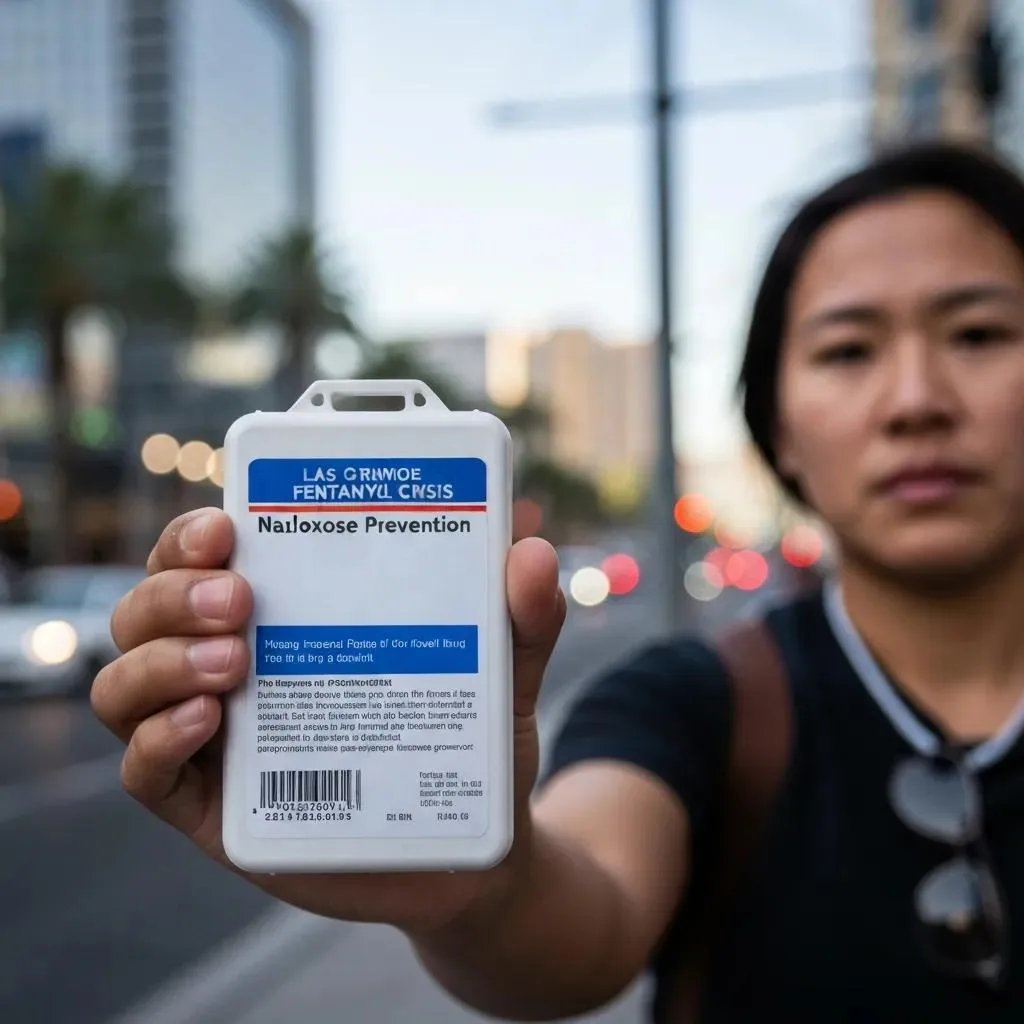
Fentanyl now plays a central role in Las Vegas overdose trends. It is far more potent than heroin or morphine and shows up frequently in the unregulated drug supply, increasing the chance of accidental, lethal exposure. Because the margin between a nonfatal and fatal dose is small, fentanyl can lead to rapid respiratory failure. Public-health surveillance shows fentanyl-involved deaths rising faster than many other categories, prompting changes in emergency response, wider naloxone distribution, and more focused awareness campaigns. Below we outline the physiological risks and local demographic patterns linked to fentanyl.
Fentanyl often appears as an adulterant, so people using stimulants or counterfeit pills may face unexpected risk. That unpredictability makes harm-reduction messaging and rapid-response measures even more urgent. Understanding fentanyl’s role explains why clinicians emphasize close monitoring during detox and ready access to opioid reversal agents.
The following table highlights demographic and year-over-year shifts in fentanyl-involved deaths so it’s easier to see which groups are most affected.
This snapshot shows fentanyl affects a wide range of people and helps target outreach and treatment placement in communities with the highest impact. The next section reviews why fentanyl is so dangerous and requires specialized responses.
What Makes Fentanyl So Dangerous in Las Vegas?
Fentanyl is dangerous because it is roughly 50–100 times more potent than morphine and can suppress breathing at very small doses, causing fast, life-threatening respiratory failure. The illicit supply’s inconsistent dosing means someone buying counterfeit pills or stimulants can unintentionally receive a lethal amount. Naloxone still saves lives, but fentanyl’s strength and speed may require multiple doses and immediate medical care. These pharmacological realities are why local treatment systems stress rapid overdose response, safer-use education, and fast access to treatment for opioid use disorder.
Because fentanyl overdoses can escalate quickly, emergency responders and treatment providers prioritize rapid transport, extra naloxone availability, and smooth handoffs to follow-up addiction care. The next subsection looks at the most recent local trends and demographic patterns.
What Are the Latest Fentanyl Overdose Trends and Demographics?
Surveillance data show an increasing share of overdose deaths involve fentanyl, with rises among young adults and middle-aged people in Clark County and more frequent co-involvement with stimulants. These patterns indicate both recreational users and people with established substance dependence face higher fatality risk. Local dashboards and national reports document percentage increases in fentanyl-related deaths year over year, which makes targeted outreach and increased treatment capacity essential. Knowing which age groups and neighborhoods show higher rates helps tailor prevention and speeds access to care.
Demographic patterns highlight the need for widespread opioid reversal agent distribution and for treatment approaches that address polysubstance use—so care can meet both opioid- and stimulant-related needs. This sets up the discussion of treatment for opioids and methamphetamine that follows.
What Are the Trends and Treatment Options for Opioid and Methamphetamine Addiction in Las Vegas?
Opioid Use Disorder and methamphetamine use create different clinical needs in Nevada. Opioids often respond well to medication-assisted treatment and require careful, sometimes medical, detox. Methamphetamine treatment depends largely on behavioral therapies and wraparound support. Recent data show ongoing opioid harms driven by synthetic opioids and a notable rise in methamphetamine-related illness and deaths. To meet this range of needs, the system must offer medically supervised detox, inpatient residential care, outpatient medication-assisted treatment for opioid disorders, and evidence-based psychosocial interventions for stimulants. The following subsection explains statewide impacts and what program components families can expect.
Demand for services has, in some areas, outpaced supply—causing wait times and stressing intake pathways. Closing that gap requires efficient admissions, quick insurance verification, and solid aftercare planning so recovery gains stick. The next subsection outlines common clinical elements of detox and rehab for both opioid and stimulant use.
How Are Opioid Use Disorder and Methamphetamine Abuse Affecting Nevada?
Nevada’s opioid landscape is driven largely by synthetic opioids and continues to contribute significantly to overdose deaths. At the same time, methamphetamine-related harms have grown sharply and now represent a larger share of non-opioid overdose morbidity. These twin trends have increased demand for both medication-based opioid services and stimulant-focused behavioral care. Access issues—limited inpatient beds or referral delays—can slow entry into treatment and worsen outcomes. That’s why a tiered approach, from rapid detox to longer-term outpatient support, is often necessary.
The rise in stimulant involvement also shifts clinical priorities. Providers increasingly use contingency management, cognitive behavioral therapy, and intensive case management for methamphetamine use disorder, alongside community supports. Those approaches help move people from acute stabilization into sustained recovery planning.
What Medical Detox and Rehab Programs Are Available for These Addictions?
Medical detox offers 24/7 monitoring and symptom care during withdrawal. Inpatient rehab builds on that stabilization with structured therapy, group counseling, and discharge planning. For opioid use disorder, medication-assisted treatments such as buprenorphine and methadone reduce cravings and lower overdose risk. Methamphetamine programs rely on behavioral treatments like CBT and contingency management to change reinforcement patterns. Detox timelines vary—opioid withdrawal often peaks within days, while stimulant withdrawal can bring longer psychological symptoms—but both need clinical assessment and individualized plans. Aftercare—outpatient therapy, peer support, and case management—is essential to preserve gains made in residential care.
These program descriptions set realistic expectations for families and patients considering care and lead into the next section on heroin and prescription drug trends and prevention.
How Prevalent Is Heroin Addiction and Prescription Drug Misuse in Las Vegas and Nevada?
Heroin historically contributed to opioid mortality, but fentanyl’s rise and prescription opioid misuse have reshaped the local picture—raising polysubstance risks and changing who is affected. Prescription drug misuse remains a public-health priority; efforts like prescription monitoring and provider education aim to cut inappropriate prescribing and diversion. Prevention and treatment combine clinical tapering support, addiction referrals, and community education to reduce misuse. The next subsection compares heroin trends to broader opioid dynamics.
Comparing heroin and synthetic opioid trends shows that, while some heroin-involved deaths stayed steady or declined, fentanyl contamination in heroin has increased fatal risk—so broad overdose prevention and treatment access remain essential.
What Are the Local Heroin Addiction Rates and Trends?
Local data indicate heroin remains part of the opioid ecosystem, but many recent opioid fatalities involve fentanyl—alone or mixed with heroin—shifting the main driver of opioid deaths. Year-to-year heroin counts can vary, and certain communities with a history of injection drug use may show concentrated impacts. Treatment for heroin aligns with standard opioid-use-disorder protocols—medication-assisted treatment plus psychosocial support. Comparing heroin figures to synthetic opioid trends helps families and providers prioritize interventions that match current risks.
Because fentanyl often contaminates heroin, prevention strategies and fast linkage to evidence-based treatment are critical to reduce deaths across all opioid formulations.
How Is Prescription Drug Misuse Being Addressed Through Prevention and Treatment?
Prescription drug misuse is addressed with state Prescription Drug Monitoring Programs, provider education, and clinical measures like careful tapering and referrals to addiction treatment when dependence is identified. Community prevention—safe storage, take-back programs, and public education—reduces diversion and inappropriate access. Clinically, people with prescription opioid dependence can benefit from medication-assisted treatment plus behavioral therapies that combine medical and psychosocial care. These steps cut supply-side risk and give a path into treatment for people who developed dependence through legitimate medical use.
Better provider-patient communication and consistent use of monitoring tools help prevent new cases of misuse and funnel people into care earlier, improving long-term outcomes.
What Are the Broader Substance Use Disorder and Youth Drug Abuse Trends in Las Vegas?
Substance Use Disorder needs in Nevada are higher than average, creating greater demand for services across age groups. Youth substance use deserves special prevention and early-intervention focus: adolescents and young adults report exposure to prescription pills, stimulants, and illicitly manufactured pills that can contain fentanyl. School- and community-based prevention emphasizes education, screening, and early linkage to support. Understanding the scope of SUD locally explains why expanding youth-targeted resources and family-centered interventions matters for public health planning. The next subsections cover statewide prevalence and youth patterns to guide families and stakeholders.
Effective youth intervention mixes screening, brief intervention, and timely referral to treatment, with school programs and family supports helping spot risk early and connect young people before problems escalate.
How Common Is Substance Use Disorder Among Nevada Residents?
Recent statewide estimates show a substantial share of Nevada residents meet criteria for a Substance Use Disorder, producing higher treatment demand compared with some national averages and driving pressure on both inpatient and outpatient services. High prevalence strains capacity, which can create delays that worsen outcomes if not addressed through efficient intake and triage. Public-health reporting emphasizes expanding services and integrating mental-health care for co-occurring conditions. Understanding prevalence helps families appreciate service demand and the need for prompt action when a loved one shows signs of SUD.
Tracking prevalence trends guides resource allocation and reinforces the need for clear pathways from crisis stabilization to ongoing recovery supports.
What Are the Emerging Trends in Youth Substance Abuse and Intervention Efforts?

Emerging youth trends include experimenting with prescription-style pills, stimulant use, and exposure to contaminated supplies that may contain fentanyl—raising risk for young people. Intervention emphasizes early screening in primary care and schools, family education, and brief behavioral interventions that route youth into counseling or treatment. Programs that combine prevention curricula, parental support, and links to youth-focused services reduce the chance of escalation to chronic use. The focus is prevention: identify risk early, stabilize behavior, and connect adolescents to evidence-based care to avoid long-term harm.
Coordinating school, family, and clinical resources improves detection and lowers the risk that youth substance use becomes a lifelong disorder, which leads into the final section on accessing treatment.
How Can Individuals and Families Access Addiction Treatment and Support in Las Vegas?
Getting into care usually follows a predictable sequence: call for intake and insurance verification, complete an assessment to set the level of care, begin medical detox if needed, then transition into inpatient, outpatient, or counseling-based aftercare. Families should have key details ready for intake—identifying information, insurance data, and a short substance-use history—to speed verification and placement. Providers and community resources prioritize fast linkage, especially when overdose risk is high, and they protect privacy during intake and care planning. The table below compares program types, typical lengths, medical supervision levels, and usual settings so families can weigh options.
This comparison clarifies trade-offs between intensity and flexibility, helping readers decide whether immediate detox or outpatient support fits their needs. Below is a clear, stepwise path families can follow to begin care.
- Call a treatment provider or local intake line and describe the situation honestly.
- Verify insurance coverage and request any needed authorizations to reduce delays.
- Complete an intake assessment to determine medical needs and the appropriate level of care.
- Enter medical detox if withdrawal risk is present, then transition to inpatient or outpatient treatment.
- Arrange aftercare and community supports to help sustain recovery long-term.
These steps give a predictable route from concern to care and reduce uncertainty for families and individuals. Practical help and clear facility pathways make the process less overwhelming for people seeking treatment.
To illustrate local logistics, the following describes how a licensed facility typically manages intake and treatment in a factual, non-promotional way. BetterChoice Treatment Center models a common care pathway consistent with these steps: intake and clinical assessment, medically supervised detox when indicated, structured inpatient programming, and coordinated aftercare planning. The facility is licensed and accredited in regional reports and accepts a range of major insurers to simplify authorization and placement. Families should be ready with insurance and ID details to speed placement.
What Should You Expect from Medical Detox and Inpatient Rehab at BetterChoice Treatment Center?
At intake, staff complete a clinical assessment that reviews withdrawal risk, medical history, and any co-occurring mental-health needs; this determines whether immediate medical detox and the right level of supervision are needed. Medical detox provides continuous monitoring, symptom management, and medication options for withdrawal when appropriate, with acute timelines that vary by substance but often span several days. Therapists and medical staff coordinate daily care and safety monitoring. Inpatient rehab follows stabilization with daily group and individual therapy, psychoeducation, case management, and discharge planning that links patients to outpatient services and community supports. The center’s affiliations and accreditations indicate adherence to clinical standards, and families can expect clear privacy protections and a structured daily schedule focused on stabilization and transition to ongoing care.
These expectations help families visualize the care pathway, reduce uncertainty, and prepare the documentation and supports needed for a smooth admission and aftercare transition.
What Insurance Options and Support Resources Are Available for Families?
Many accredited local providers accept major insurers, and having policy details ready speeds verification and authorization. When calling for intake, have your insurance card, subscriber name, policy number, and any known prior-authorization requirements on hand—this reduces wait time and clarifies potential out-of-pocket costs. Community resources and family support groups can help with navigation, and case managers at treatment centers assist with benefits verification and referrals. Knowing which insurers are accepted and how verification works allows families to focus on safety and treatment placement rather than paperwork delays.
Accepted plans typically include national and regional carriers, which helps placement for many residents. Bringing documentation and being ready to answer screening questions improves the chance of timely admission when clinical need is urgent.
- Intake readiness: Have identification, insurance policy number, and a brief history of substance use.
- Verification steps: Call the provider, give subscriber details, and request authorization if required.
- Support resources: Ask about case management, family counseling, and local recovery groups to coordinate aftercare.
Preparing these items in advance reduces friction during admission and supports a smoother transition through detox, rehab, and aftercare. For local families, contacting licensed, accredited centers and having clear documentation often makes the difference between delay and timely care.
Fentanyl and Methamphetamine Adulterants in Illicit Drug Supply: Laboratory Analysis
Thirty-two local law enforcement agencies in San Diego submitted 4,838 unknown illicit drug samples (about 312 kg) to the San Diego County Sheriff’s Regional Crime Laboratory for analysis. FTIR and GC‑MS testing found methamphetamine in 38.7% of samples, fentanyl in 20.8%, diacetylmorphine (heroin) in 10.2%, codeine in 5.8%, and alprazolam in 4.3%. The analysis identified 52 unique adulterants; the most common included 4-methylaminoantipyrine (4‑MAAP) (10.9%), mannitol (9%), acetaminophen (8.5%), methamphetamine (4.2%), diacetylmorphine (3.6%), tramadol (1.9%), and xylazine (1.7%). Several other pharmacologically active adulterants and contaminants of interest were also detected.
This laboratory work is important for public-health and harm-reduction efforts because it highlights how unpredictable the illicit supply can be. Ongoing direct surveillance is necessary to detect adulterants that may pose serious public risks. Nationally, a 2020 survey found 6.6% of people age 12+ reported at least one illicit-substance use disorder in the prior year. In that year, more than 105,000 deaths were linked to drug overdoses, with nearly 75% attributed to illicit opioid use—underscoring concerns about adulterants and contaminants in street drugs.
Laboratory testing of seized street samples highlights the frequent presence of fentanyl and methamphetamine plus many adulterants, illustrating how unpredictable and dangerous the unregulated drug supply can be.
US Drug Overdose Mortality Trends: Opioids, Fentanyl, and Geographic Shifts
From 2000 to 2014, U.S. drug overdose mortality rose by 137%. By 2014, 61% of those deaths were opioid-related—a share that had tripled since 2000. Over the last decade, growing amounts of fentanyl in illicit drugs and shifts in prescription practices have changed the geography of the epidemic, with heroin overdoses increasingly affecting urban areas.
The U.S. has experienced a sharp rise in overdose deaths, reshaped by opioids—especially fentanyl—and by changing prescription-use patterns that have shifted impacts into cities and other communities.
Frequently Asked Questions
What are the signs of substance use disorder in individuals?
Signs vary, but common indicators include changes in behavior or mood, neglecting responsibilities, social withdrawal, and slipping performance at work or school. Physical signs can include weight loss, poor hygiene, or unusual smells. Look for craving, increased tolerance, and withdrawal symptoms when use stops. Noticing these signs early makes timely intervention and treatment more likely.
How can families support a loved one struggling with addiction?
Families help most by communicating concern without judgment, offering practical support to find treatment, and setting clear, healthy boundaries. Learn about addiction so you can respond with understanding, and avoid enabling behaviors that maintain use. Family therapy, support groups, and case managers can guide the process and provide emotional support.
What role does naloxone play in overdose prevention?
Naloxone is a life-saving medication that reverses opioid overdoses by quickly displacing opioids at brain receptors and restoring breathing. It’s available as a nasal spray or injection and is suitable for bystander use. Community programs distribute naloxone and offer training—having it on hand can mean the difference between life and death, especially where fentanyl is common.
What are the long-term effects of methamphetamine use?
Long-term meth use can cause serious physical and mental health problems, including major weight loss, severe dental damage (“meth mouth”), skin sores, anxiety, memory and concentration problems, and higher stroke risk. Chronic use often leads to mood disorders like depression and paranoia. Effective recovery usually requires integrated care that addresses both physical and mental health needs.
How can individuals find local support groups for addiction recovery?
Start by contacting treatment centers, hospitals, or community health organizations for local listings. SAMHSA and similar online directories list treatment facilities and support groups. National fellowships like Alcoholics Anonymous (AA) and Narcotics Anonymous (NA) have local meetings. Social media groups, community boards, and local clinics are also good places to find meetings and peer-support options.
What are the risks associated with polysubstance use?
Using multiple substances at once raises overdose risk and other harms because drugs interact unpredictably. For example, combining opioids with stimulants stresses the heart, while mixing depressants can cause fatal respiratory depression. Polysubstance use complicates treatment because clinicians must address multiple dependencies and withdrawal types. Recognizing these risks is essential for prevention and effective care.
Conclusion
Knowing how drug trends are changing in Las Vegas helps families and individuals make informed choices about prevention and care. Fentanyl and methamphetamine present particular dangers right now, but clear steps exist to reduce risk and access effective treatment. Use the data and guidance here to prioritize safety, get naloxone where appropriate, and pursue the treatment pathway that fits your situation. If you’re ready to take the next step, reach out to local resources to find the support that meets you or your loved one’s needs.