

Understanding Addiction: Causes, Signs, Effects, and How to Recognize It
Addiction — clinically called substance use disorder — is a long‑term brain condition that makes using drugs or alcohol feel out of control even when it causes harm. Knowing what causes addiction, the common signs to watch for, and how substance use changes the brain and body helps people and families spot problems earlier and find appropriate care. This article explains how addiction differs from habit and dependence, the biological and environmental factors that raise risk, and the physical, behavioral, and emotional warning signs to watch for. It walks through typical stages from experimentation to dependence, links those stages to levels of care, and outlines short‑ and long‑term effects on health, relationships, and daily life. Finally, it offers practical steps for identifying a problem and getting an assessment, including how local services can help with intake, medical detox, and longer term rehab. Terms like substance use disorder, withdrawal, craving, tolerance, medical detox, inpatient rehab, and co‑occurring disorders are used so the path from recognition to recovery is clear and useful.
What Is Addiction? Defining Substance Use Disorder and Its Impact
Addiction, or substance use disorder, is a medical condition where repeated use changes brain pathways for reward, motivation, and self‑control. Those changes make substance use a high priority, even when it causes serious harm. Treating addiction as a chronic health condition — not a moral failing — opens the door to medical care and psychosocial support that can improve function and reduce long‑term damage. Early recognition gives people a better chance to reverse some changes and avoid lasting health, work, and relationship problems. The section below explains how addiction differs from ordinary habits and from physiological dependence so families and clinicians can tell when professional screening or treatment is needed.
How Does Addiction Differ from Habit and Dependence?
A habit is a repeated action you can usually control, while dependence refers to physical changes like tolerance and withdrawal that come with regular exposure. Addiction includes both but adds loss of control, compulsive seeking, and continued use despite harmful consequences. For example, many people rely on caffeine daily (habit plus mild dependence) without it disrupting life, but addiction shows up when use interferes with work, relationships, or health. Clinicians diagnose addiction by looking at behavior — difficulty cutting down, time spent getting the substance, and ongoing use despite negative outcomes. Knowing these differences helps families decide when to screen or refer someone for specialized care.
What Role Does the Brain’s Reward System and Dopamine Play in Addiction?
The brain’s reward system — especially pathways that use dopamine — reinforces behaviors that feel rewarding. Addictive substances spike dopamine and make drug‑related cues more powerful. With repeated use, brain circuits change: drug cues grab attention, and the brain’s impulse control weakens. Over time, tolerance reduces pleasure from the drug and withdrawal creates uncomfortable feelings that push a person back to using. These brain changes help explain why relapse risk can persist long after stopping and why treatment often combines medical stabilization with therapy to rebuild control and coping skills.
What Causes Addiction? Exploring Genetic, Environmental, and Psychological Factors
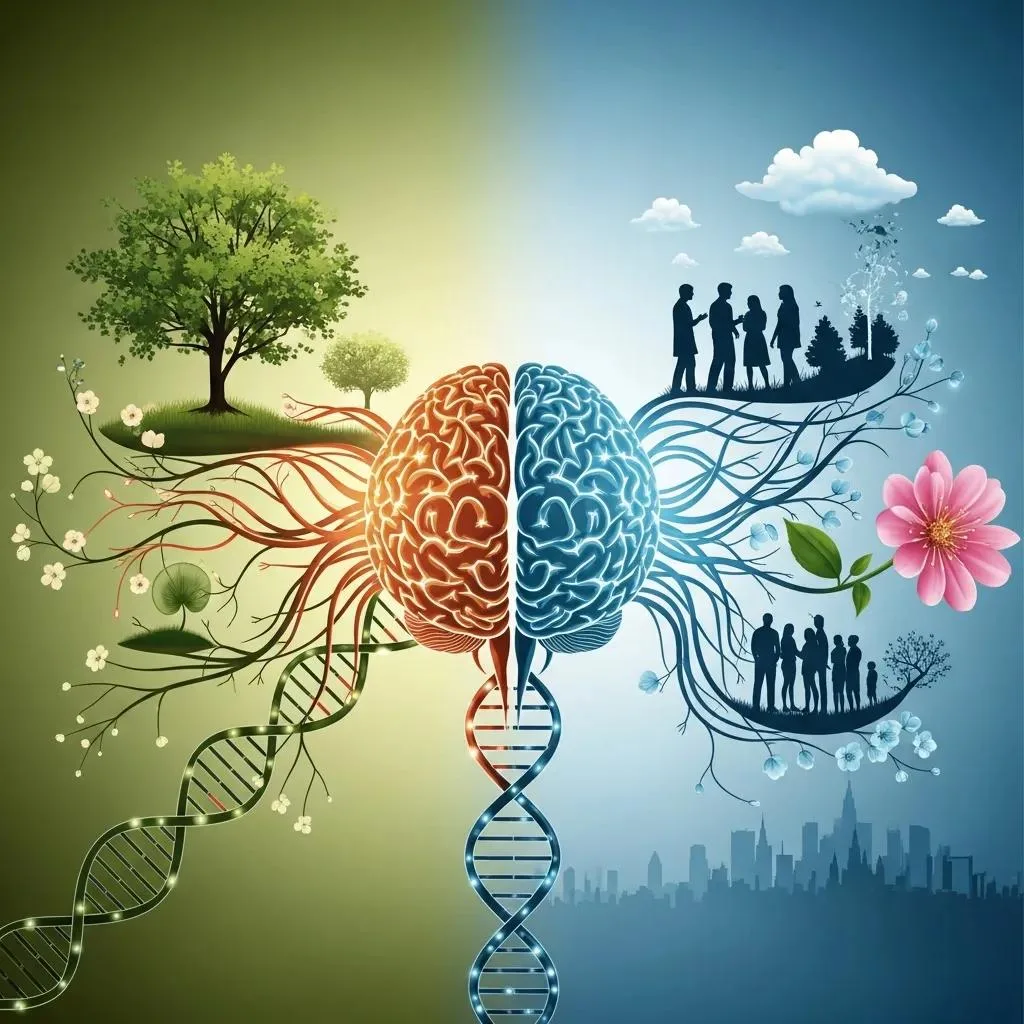
Addiction develops from a mix of inherited vulnerability, life experiences, and mental health factors. Genetics influence how someone responds to substances, baseline reward sensitivity, and traits like impulsivity. Environmental factors — trauma, peer pressure, stress, and easy access to substances — shape when and how use begins and escalates. Psychological issues such as untreated depression, anxiety, or PTSD often come before or alongside substance problems and can both cause and worsen use. Some drugs (for example, potent opioids or stimulants) create stronger reinforcement and harsher withdrawal, raising the risk of addiction. Seeing how these pieces fit together shows why personalized assessment and multi‑modal treatment are so important.
How Do Genetic Predisposition and Brain Chemistry Influence Addiction Risk?
Research shows genetics explain a sizable part of addiction risk. A family history can pass along traits like impulsivity and higher stress sensitivity, and genetic differences affect neurotransmitter systems and receptor responses. That changes how rewarding a substance feels and how quickly tolerance develops. But genes usually interact with environment — for example, early trauma or prolonged substance availability — before disorder appears. Clinically, spotting family patterns helps with screening and prevention, and new research points to tailored approaches that consider genetic and neurochemical profiles.
What Environmental and Psychological Factors Contribute to Substance Abuse?
Environmental drivers include adverse childhood experiences, social circles that normalize use, financial hardship, and easy drug or alcohol access — all of which raise the chance of starting and escalating use. Psychological issues like untreated mood disorders, PTSD, and chronic stress often lead people to self‑medicate, which quickly increases dependence. For example, someone with severe anxiety may rely on sedatives or alcohol to cope, which can lead to addiction. Addressing these factors through trauma‑informed care, stronger social supports, and mental health treatment lowers relapse risk and improves recovery outcomes.
- Common environmental and psychological risk factors include:
Early trauma and adverse childhood events: These create long‑lasting vulnerability to substance use.
Peer and family substance norms: When use is accepted or common, initiation risk rises.
Co‑occurring mental health disorders: Depression, anxiety, and PTSD often drive self‑medication.
Economic stress and isolation: Financial pressure and loneliness make people more likely to escalate use.
Looking at these drivers highlights prevention work that combines community programs with accessible mental health services — a strategy that also helps shape effective treatment plans.
What Are the Signs and Symptoms of Addiction? Identifying Physical, Behavioral, and Emotional Indicators

Spotting addiction means noticing patterns across physical, behavioral, and emotional areas rather than a single isolated event. Physical signs can include sleep, appetite, or hygiene changes and visible withdrawal symptoms. Behavioral signs often involve secrecy, missed responsibilities, legal or financial trouble, and risk‑taking. Emotionally, people may show mood swings, apathy, anxiety, or depression. Putting observations together improves detection and helps decide how urgently to act — some signs (severe withdrawal, suicidal thoughts) need immediate medical attention. The list below highlights common warning signs and when to consider evaluation.
- Physical changes: Unexplained weight loss, tremors, persistent tiredness.
- Behavioral shifts: Skipping work or school, secretive actions, pulling away from friends.
- Psychological symptoms: Frequent mood swings, rising anxiety, loss of interest in hobbies.
- Tolerance and withdrawal: Needing more to get the same effect or having withdrawal when stopping.
- Continued use despite harm: Using drugs or alcohol even after health, legal, or relationship problems.
These indicators should prompt screening with validated tools or a referral to a medical or behavioral health professional. Early assessment lowers the risk of complications and opens the door to timely care.
Intro to table: The table below summarizes symptom categories, concrete examples, and recommended actions to help readers decide when to seek professional help.
This clear layout helps families and friends decide when to move from concern to action and where to look for help.
Family-oriented guidance: Family members often notice early changes and can help by preparing a calm, non‑accusatory conversation focused on safety. Share specific observations, express concern without blame, and offer to help find a confidential assessment or treatment. If the person is medically unstable, suicidal, or experiencing severe withdrawal, call emergency services first. BetterChoice Treatment Center offers family guidance and assessment pathways that protect privacy and connect relatives with the right level of care.
Summary: Seeing several signs across physical, behavioral, and emotional areas increases the chance that substance use has progressed to a disorder and should prompt professional screening or evaluation.
What Are the Physical Signs of Substance Abuse and Withdrawal?
Physical signs differ by substance but often include changes in sleep, appetite, personal care, and motor skills, along with recognizable withdrawal syndromes when use stops. Opioid withdrawal commonly causes muscle aches, nausea, and flu‑like symptoms; stimulant withdrawal may bring fatigue, depression, and heavy sleep; alcohol withdrawal can be dangerous, with risks of seizures or delirium tremens in severe cases. These symptoms reflect the brain and body adapting to the substance — and severe withdrawal requires medical evaluation. Supervised medical detox lowers risk and improves safety, especially for alcohol and benzodiazepine withdrawal.
How Do Behavioral and Emotional Changes Signal Addiction?
Behavioral changes — increasing secrecy, erratic attendance at work or school, legal problems, and choosing substance use over relationships — are classic warning signs. Emotionally, people may show flattened affect, irritability, anxiety, or depressive symptoms that either predate or follow escalating use. These shifts often point to co‑occurring mental health issues that should be assessed and treated together with substance use. Early professional assessment helps separate primary psychiatric disorders from substance‑induced symptoms and supports integrated treatment planning.
What Are the Stages of Drug Addiction? Understanding Progression from Experimentation to Dependence
Addiction often moves through recognizable stages — experimentation, regular use, risky/problematic use, and dependence/addiction — each with different behaviors and care needs. Early stages usually respond well to brief interventions, education, and outpatient counseling focused on motivation and harm reduction. Later stages with physiological dependence and major life disruption often need medical detox and structured inpatient or intensive outpatient programs. Matching the level of care to the current stage improves outcomes. The table below maps typical behaviors to recommended levels of care to help families and providers choose next steps.
What Are the Four Main Stages of Addiction?
The four common stages — experimentation, regular use, risky/problematic use, and dependence/addiction — describe a typical path from curiosity to entrenched compulsive behavior. Experimentation may stop without further use; regular use shows growing frequency and tolerance; risky use brings negative consequences and declining function; dependence/addiction includes withdrawal, strong cravings, and continued use despite serious harm. Recognizing where someone sits on this continuum allows for timely, stage‑appropriate care that can prevent escalation to more intensive treatment.
How Does Addiction Progress Affect Treatment Needs?
As addiction progresses, treatment must address both medical needs (detox and withdrawal management) and deeper psychosocial work (daily structure, therapy, relapse prevention). Early interventions rely on motivation, education, and outpatient counseling, while later stages commonly require medical detox to stabilize the body and inpatient or residential rehab to rebuild skills and address co‑occurring disorders. Detox handles immediate withdrawal risks, inpatient rehab offers 24/7 support and therapy, and outpatient care helps people apply recovery skills in daily life. BetterChoice Treatment Center provides medical detox, inpatient rehab, integrated care for co‑occurring disorders, and complementary therapies so treatment can be matched to clinical need.
What Are the Effects of Substance Abuse on Health and Life? Exploring Brain, Body, and Social Consequences
Substance abuse affects the brain, body, and social life in both the short and long term. Repeated use can impair memory, judgment, and impulse control. Physically, different substances damage various organ systems — for example, alcohol can harm the liver, stimulants can strain the heart, and injectable drug use raises infectious disease risk. Socially and economically, addiction often leads to job loss, legal troubles, broken relationships, and financial instability. That’s why comprehensive treatment addresses medical stabilization, mental health, and social supports together.
How Does Addiction Affect Brain Function and Physical Health?
Chronic substance use changes brain wiring, reducing the prefrontal cortex’s ability to regulate impulses and increasing limbic‑driven cravings and reactivity. These cognitive impacts can last months or longer without targeted rehab. Physically, long‑term alcohol use damages the liver, stimulant misuse stresses the cardiovascular system, and injection drug use raises risks for infections like hepatitis and HIV. Medical monitoring, infection screening, nutrition, and organ‑specific care are important parts of recovery planning to treat both immediate and chronic health effects.
What Are the Mental Health and Relationship Impacts of Addiction?
Mental health disorders — depression, anxiety, PTSD — commonly co‑occur with substance use and often make recovery more complicated. Relationships suffer from broken trust, unpredictability, and neglect, which can isolate the person and remove supports they need. Family‑involved treatments help rebuild communication, set healthy boundaries, and create relapse prevention plans. Treating mental health alongside addiction is essential for long‑term recovery and restoring social and work functioning.
How to Identify Addiction and Take the First Step Toward Recovery
Identifying addiction starts with simple screenings, noticing red flags, and prioritizing safety when medical or psychiatric risks are present. Practical first steps include asking brief questions about frequency and control, checking for withdrawal signs, and deciding whether medical detox is needed. If help is appropriate, intake usually begins with a confidential assessment, medical history review, and insurance or payment verification before placement in the right level of care. Below is a short action list and a comparison of common services to set realistic expectations for people seeking help.
Immediate steps to take when addiction is suspected:
- Conduct a brief screening: Ask about how often use occurs, attempts to cut down, and harms caused by use.
- Assess safety: Check for withdrawal symptoms, suicidal thoughts, or other medical instability.
- Contact a confidential assessment service: Arrange a professional evaluation to determine level of care.
- Prepare for intake: Collect medical history and insurance information to speed placement if needed.
Intro to service comparison table: The table clarifies common services, what they do, and typical timelines or intake steps so readers know what to expect when seeking care.
Summary: Knowing the differences between services helps individuals and families choose care that fits medical needs and daily life.
What Are Effective Ways to Recognize the Need for Help?
Combine brief screening questions with careful observation of work, relationships, and health. Ask whether the person has tried and failed to cut down, whether use causes missed obligations, or whether withdrawal occurs when stopping. Safety red flags — overdose risk, severe withdrawal, or suicidal thoughts — call for immediate medical attention. Encourage a confidential assessment with a qualified clinician when several warning signs are present, and protect the person’s dignity and privacy during outreach. These steps lower barriers to getting help and create a safer path to treatment.
What Treatment Options Are Available, and How Can BetterChoice Support Recovery?
Treatment options include medical detox, inpatient rehab, outpatient counseling, medication‑assisted treatment (MAT), and recovery supports. Each addresses different needs: detox safely manages withdrawal, inpatient rehab offers structured daily therapy and medical care, and outpatient services help people apply recovery skills while living at home.
BetterChoice Treatment Center, a licensed and accredited facility in Las Vegas, Nevada, provides medical detox and inpatient rehab, integrated care for co‑occurring disorders, and supportive holistic therapies like yoga and acupuncture. To start an intake, request a confidential assessment, have insurance information ready for verification, and call (725) 299-4777 or visit us at 198 Ebb Tide Cir, Las Vegas, NV 89123 to arrange an appointment.
Treatment options list:
- Medical detox: Stabilizes withdrawal with medical oversight and monitoring.
- Inpatient rehab: Offers intensive therapy, medical care, and daily structure.
- Outpatient programs: Provide counseling and skills training while maintaining daily responsibilities.
- Medication‑assisted treatment and counseling: Combines medications with therapy for opioid and alcohol use disorders.
These options should be matched to medical needs, stage of use, and personal goals. Early assessment speeds placement into the right level of care and improves chances for recovery.
Frequently Asked Questions
What are the long-term effects of addiction on physical health?
Long‑term addiction can cause serious physical problems, such as liver disease, heart and lung damage, and increased risk of infections. The exact outcomes depend on the substance and how it’s used — for example, alcohol commonly harms the liver, while opioids can depress breathing. Prolonged use can also weaken the immune system. Regular medical checkups and early treatment help manage these risks and catch complications sooner.
How can families support a loved one struggling with addiction?
Families can make a big difference by talking openly and without judgment, sharing specific concerns, and offering help to find a confidential assessment. Learning about addiction helps families respond more effectively. Joining family therapy or support groups gives everyone tools to cope, set boundaries, and support recovery while protecting their own well‑being.
What is the role of therapy in addiction recovery?
Therapy is a core part of recovery. Approaches like cognitive‑behavioral therapy (CBT) help people change thinking and behavior that support substance use. Group therapy builds connection and accountability, while individual therapy addresses personal triggers and past trauma. Therapy teaches relapse‑prevention skills and healthier ways to cope with stress.
Are there alternative therapies that can aid in recovery from addiction?
Yes. Complementary practices — yoga, meditation, acupuncture, art therapy — can reduce stress, improve emotional regulation, and support overall well‑being. These approaches work best when added to evidence‑based medical and behavioral treatments and can help people reconnect with their bodies and emotions during recovery.
What should I expect during the detox process?
Detox is a medically supervised period to manage withdrawal safely. Symptoms vary by substance and by person and can include physical and emotional discomfort. Medical staff monitor vital signs, provide medications when needed, and address complications. Detox typically lasts from a few days to a couple of weeks depending on the substance and health status. The goal is stabilization before moving into ongoing treatment like inpatient rehab or outpatient care.
How can I find local resources for addiction treatment?
Start by searching online for local treatment centers, using directories such as SAMHSA’s National Helpline or your state health department. Community groups like Alcoholics Anonymous (AA) or Narcotics Anonymous (NA) can offer peer support and referrals. A primary care provider or emergency department can also help identify immediate resources and arrange assessments tailored to individual needs.
Conclusion
Learning how addiction starts, what it looks like, and what treatment options exist helps individuals and families act earlier and with more confidence. If you recognize signs of a problem, reach out for a confidential assessment — help is available and recovery is possible. Contact us to explore the care options that best fit your needs and start moving toward a healthier future.