

Las Vegas Rehab Transportation: How to Arrange Reliable Travel to Recovery
Travel can be one of the first obstacles on the path to treatment — but it doesn’t have to stop someone from getting help. This guide lays out practical transportation choices for people seeking detox or inpatient care in Las Vegas, explains how insurance and community resources may help with costs, and offers clear steps families can use to coordinate safe transfers. You’ll find the differences between Non-Emergency Medical Transportation (NEMT), public transit, private medical transport, and family or ride-share options, plus simple insurer call scripts and booking workflows for providers. We center safety, accessibility, and privacy so patients arrive calm and ready for intake, and highlight how local resources and admissions teams can support planning.
What Are the Main Transportation Options for Addiction Treatment in Las Vegas?
The most common ways to get to treatment are Non-Emergency Medical Transportation (NEMT), the Regional Transportation Commission (RTC) public transit and paratransit, private medical transport services, and family or ride-share rides. Each choice trades off cost, privacy, convenience, and medical suitability. NEMT offers door-to-door service for mobility needs, public transit is usually the lowest cost but less private, private medical transport provides clinical monitoring for higher-acuity transfers, and family or ride-share options are flexible but vary in medical appropriateness. The right option depends on the patient’s medical status, insurance, mobility and privacy needs — a short checklist can help match those needs to services.
Different transport types compared for treatment access:
Use this comparison to narrow choices by safety, accessibility and likely booking lead time. The next section explains how NEMT commonly supports access to recovery services.
How Does Non-Emergency Medical Transportation Support Recovery Access?
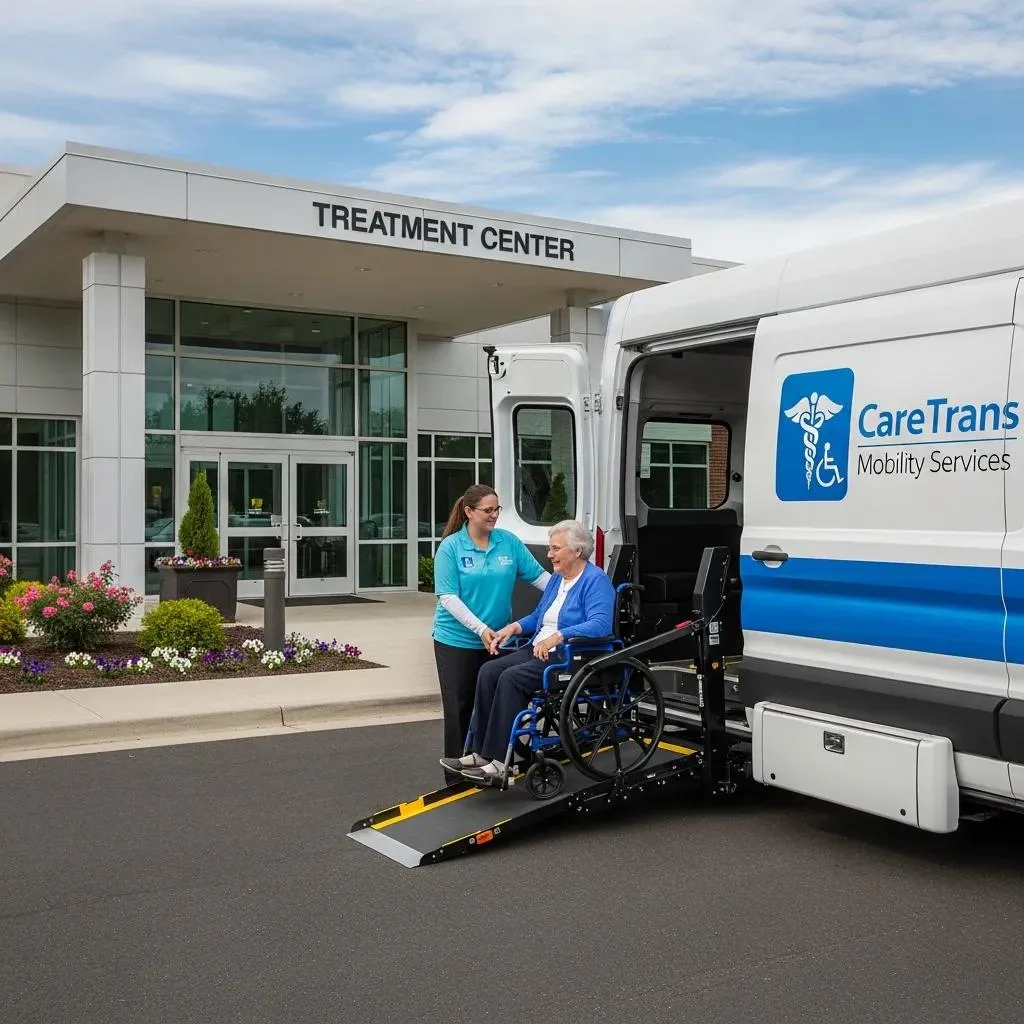
NEMT offers scheduled door-to-door or curb-to-curb trips in vehicles equipped for mobility needs, helping people get to detox and inpatient programs without requiring emergency services. Dispatch coordinates pick-up times, required documentation, and any mobility equipment like ramps or stretcher options, which reduces stress on families and clinical staff. NEMT bookings usually include an arrival window and flexibility for delays; a typical workflow has three steps: insurer authorization when needed, provider scheduling with patient details, and confirmation of pick-up time and accessibility needs. Knowing these steps helps ensure patients arrive prepared for intake.
What Public Transit Routes Serve BetterChoice Treatment Center?
Las Vegas’ regional transit system runs fixed-route buses and paratransit services that can serve many health appointments, but riders should confirm schedules and the closest stop to the facility before traveling. Plan transfers and allow extra time for walking from a stop to the treatment entrance, and check paratransit eligibility if mobility limits make standard buses impractical. For privacy and safety, try to travel during daylight when possible and bring intake paperwork discreetly to speed check-in. These simple planning steps make public transit a viable option for many patients; the next section explains how insurance may help cover transport.
How Can Insurance Cover Transportation to Addiction Treatment in Las Vegas?

Some insurance plans will pay for medically necessary transportation to addiction treatment — for example, NEMT trips, mileage reimbursement, or paratransit — but coverage varies by payer and usually requires prior authorization and documentation of medical need. Start by identifying the payer type (Medicaid, private insurance, etc.), call member services to ask about transport benefits, and request any forms or authorization codes before booking. A clinical note that explains why public transit is unsafe or impractical is commonly required; keep a record of call dates, representative names, and reference numbers to help with appeals or reimbursements later.
Insurance categories and transport coverage attributes:
This overview shows verification is essential before assuming coverage. The next section gives a practical checklist and sample scripts to use when calling insurers and providers.
Which Insurance Plans Include Coverage for Rehab Transportation?
Medicaid and some Medicaid-managed plans commonly include NEMT or subsidized rides for medically necessary visits. Private plans can vary widely — some cover transport in limited situations, others do not. When you check a plan, look for benefits lists that mention NEMT, ride reimbursement or paratransit, and ask for a directory of approved transport vendors. Confirm any medical necessity rules, expected authorization timelines, and whether the insurer pays the vendor directly or reimburses the patient. Ask for authorization numbers in writing and keep detailed notes from each call to prevent surprise out-of-pocket costs.
How to Verify and Utilize Insurance Benefits for NEMT Services?
Verifying NEMT benefits is a repeatable three-step process: call member services, confirm benefit limits and authorization steps, then give the transport provider the authorization and scheduling details. Have the policy number and patient info ready, ask whether NEMT is covered, request names or vendor IDs for approved providers, and get a reference number for any authorization. Record the agent’s name and the exact instructions. After authorization, share required documentation with the transport vendor, confirm the pick-up window, and request a booking confirmation or driver contact. Keep receipts and confirmation notes in case you need reimbursement or want to appeal a denial.
What Steps Should Families Take to Support Travel for Loved Ones in Recovery?
Families can reduce last-minute stress by preparing paperwork, confirming transport 24–48 hours before arrival when possible, and assigning roles for pick-up, payment, and contingencies to make the journey calm and predictable. Build a short timeline that lists document checks, medication packing, and key phone numbers for admissions and transport; talk with the patient about privacy and safety so they feel respected during the trip. Decide who will handle any non-covered costs and ask the treatment facility whether they have vendor recommendations or payment assistance. The checklist below offers a straightforward sequence to follow.
- Prepare paperwork: Gather photo ID, intake forms, medical records and insurance info before travel.
- Confirm transport: Verify pick-up time, accessibility needs, and driver contact at least 24 hours ahead.
- Assign roles: Decide who accompanies the patient, who handles payments, and who communicates with admissions.
- Plan contingencies: Identify an alternate ride and confirm cancellation protocols.
Following this checklist helps families manage logistics cleanly so treatment staff can focus on clinical intake. The next section offers a simple timeline and call templates families can use before admission.
How Can Family Members Coordinate Transportation Assistance?
A practical timeline starts 48–72 hours before admission with document and insurer checks, moves to transport confirmation 24 hours ahead, and finishes with a morning-of check-in and arrival handoff at the facility. Assign clear roles: one person handles insurance and authorizations, another confirms the transport booking and accessibility needs, and a third manages on-the-ground tasks like lodging or post-admission plans. Use concise scripts when calling insurers or admissions — state the patient’s name, appointment time, policy number and the question about transportation — and ask for reference numbers. Build in redundancy (backup driver, extra phone charger, alternate vendor) to reduce the chance a single issue prevents admission.
What Are Safe and Comfortable Travel Options for Patients?
Safe, comfortable transport focuses on vehicle features (seat comfort, climate control, secure restraints) and driver qualifications, such as experience with medically fragile or behavioral-health patients. For those leaving withdrawal-prone settings, choose a transport that can accommodate medication needs and basic observation; bring a small bag with essentials, a medication list, emergency contacts and layered clothing. If the patient needs sedation or clinical monitoring, work with staff to arrange ambulance-level or private medical transport rather than a standard ride-share. Small preparations — hydration, a light snack if allowed, and a clear explanation of arrival steps — can reduce anxiety and improve the handoff at intake.
How to Arrange Transportation for Medical Detox and Inpatient Rehab at BetterChoice?
Coordinating transport for medical detox or inpatient admission means confirming clinical clearance, choosing an appropriately equipped mode of transport, and sharing arrival details with both the transport provider and the admissions team to ensure a safe handoff. Medical detox may require closer observation during transfer, so ask clinical staff whether ambulance or private medical transport is recommended instead of standard NEMT. For routine inpatient admissions, schedule NEMT or an approved vendor once you have any required authorization, provide the facility address and arrival window, and tell admissions about mobility or clinical needs so staff can prepare. BetterChoice Treatment Center’s admissions team can guide families through documentation and suggested transport workflows; callers may discuss individualized arrangements by phone.
Best practices for scheduling transport to detox or inpatient programs:
- Confirm medical clearance and any transport restrictions with clinical staff before booking.
- Request written or verbal authorization numbers from insurers and share them with the transport vendor.
- Allow a pickup window that factors in travel time and a buffer for traffic or delays.
- Communicate special needs (oxygen, wheelchair, behavioral supports) to the vendor in advance.
These practices reduce delays and help keep patients safe during admission. The next section outlines specific scheduling steps for detox workflows.
What Are the Best Practices for Scheduling Transport to Detox Programs?
Start with a clinical screening to determine whether medically supervised transport is needed, then verify insurer rules and choose a vendor that can manage symptoms during transfer. Use a pre-transport checklist: confirm medication orders, provide a standing clinical contact for the transport team, include advance directives if relevant, and share emergency contact information with both the transport provider and admissions staff. When possible, schedule daytime pickups to access full vendor support and avoid risks tied to late-night transfers. Allow a buffer in case brief stabilization is required before travel, and ensure clear handoff communication between transport staff and clinicians on arrival.
How Does Transportation Facilitate a Smooth Admission Process?
Pre-arranged transport helps admissions run smoothly by delivering paperwork, getting the patient to the facility within expected windows, and giving transport staff the information they need to coordinate a safe handoff with clinical teams. When providers confirm arrival times and special needs in advance, admissions can prepare triage staff and medical records, which reduces waiting and patient distress. Drivers trained in dignity and confidentiality can help with discreet transfer of belongings and support the patient during registration. A shared communication plan between drivers and admissions prevents duplication and speeds the movement from vehicle to clinical care.
What Local Resources and Providers Offer Recovery Transportation Services in Las Vegas?
Las Vegas offers a mix of NEMT companies, RTC public transit and ADA paratransit, private medical transport vendors, and community programs that can assist with rides to treatment centers. Each option has different booking processes, service areas and lead times, so comparing them helps families choose the best fit. The table below summarizes common provider categories, the services they offer, and what to ask when contacting them. After the table, we explain how to access regional transit resources and paratransit eligibility to help you plan appointments or admissions.
Local provider directory for recovery transportation:
This directory shows what to expect and which questions to ask — service area, lead time, insurance acceptance — so families can contact the right vendors. The next subsection lists common provider types that work with treatment centers.
Which NEMT Providers Serve Addiction Treatment Centers?
NEMT providers that work with treatment centers typically offer wheelchair-accessible vans, stretcher-capable vehicles and ride coordinators who manage authorizations and arrival windows. Lead times range from a few hours to 48 hours depending on demand. When choosing an NEMT vendor, confirm whether they bill insurers directly, what paperwork they need at pickup, and how they handle cancellations or late changes. Many admissions offices keep a short list of vetted vendors familiar with facility intake protocols, so contacting admissions early can provide recommended options. Having authorization numbers and medical notes ready before pickup improves coordination.
How to Access Regional Transportation Commission Services Near BetterChoice?
To use RTC fixed routes or paratransit near the treatment address, identify the nearest stops and check paratransit eligibility if buses aren’t practical. Paratransit often requires registration and scheduled windows, so plan ahead. Allow extra time for transfers, verify fare rules for medical trips, and carry ID and any necessary documentation to speed boarding. Admissions can often advise on nearby stops or paratransit pickup points. If clinical observation is needed during transit, consider private medical transport as an alternative to standard transit.
Call-to-action: For individualized help coordinating transportation to treatment, contact BetterChoice Treatment Center by phone at (725) 299-4777 or speak with their admissions staff at the facility to discuss recommended transport workflows and documentation support. The admissions team can advise on vendor referrals, booking practices, and how to submit insurer authorizations to help ensure a smooth arrival. You can also consult the center’s local business profile for directions and location details when planning routes — feel free to call the number above for guidance.
Frequently Asked Questions
What should I consider when choosing a transportation option for addiction treatment?
Think about the patient’s medical condition, mobility needs, privacy preferences and insurance coverage. NEMT suits those who need special vehicles or door-to-door service; public transit is more affordable but less private; private medical transport is appropriate when clinical monitoring is needed. Match the option to the patient’s needs and the urgency of the appointment to make the transition smooth.
How can I ensure a smooth handoff between transportation and treatment staff?
Communicate clearly: tell the transport provider about the patient’s needs, give the facility an expected arrival time, and share any paperwork in advance. Having a family member or caregiver present to introduce the patient and help with registration can also speed intake and reduce confusion.
What are the potential costs associated with transportation to addiction treatment?
Costs vary by method. NEMT may be covered by insurance but often needs prior authorization. Public transit is usually the least expensive. Private medical transport is generally more costly because it can include clinical staff. Verify coverage with the insurer beforehand to avoid unexpected charges.
How can I prepare a patient for transportation to treatment?
Prepare by explaining the trip, packing essentials (medications, ID, intake paperwork), and bringing a small comfort bag if allowed. Make sure the patient is hydrated and has eaten lightly if permitted. Clear expectations about the journey and arrival process help reduce anxiety.
What role do family members play in coordinating transportation for treatment?
Family members often handle documentation, confirm bookings, and communicate with providers and the facility. Assign specific tasks — who will accompany the patient, who will handle payments, and who will contact admissions — to keep the process organized and supportive.
Are there community resources available to assist with transportation costs?
Yes—local charities, non-profits and some treatment centers offer subsidized rides or referral assistance. Availability varies, so ask the admissions team about local programs, eligibility and how to apply. Exploring these options can help reduce financial strain.
Conclusion
Reliable transportation is a practical step that makes starting treatment easier. By understanding options like NEMT and public transit, confirming insurance benefits, and planning with admissions or family support, patients can arrive safely and ready for care. If you’d like individualized help arranging transportation, reach out to BetterChoice Treatment Center for guidance.