

Top Recovery Apps for Addiction Support: Practical Sobriety Tools and Digital Resources to Strengthen Your Recovery
Recovery apps are mobile and web tools built to support people working toward sobriety. They offer features like day counters, skill-building exercises, peer connection, and options to share progress with clinicians. These digital tools help manage cravings, track sober days, find meetings, practice mindfulness, and reinforce what’s learned in therapy. If the choices feel overwhelming, this guide breaks down how sobriety apps work, the leading options in 2024, and how to use them safely alongside formal treatment. You’ll get practical explanations of relapse-prevention and craving-management features, an overview of clinically validated digital therapeutics, and clear criteria—privacy, cost, and evidence—to help you choose. We also map app features to clinical care levels (detox, inpatient, outpatient, counseling) and include next steps for families and clinicians who want to integrate apps into ongoing recovery. Read on for lists, comparison charts, and checklists that make choosing the right app easier and actionable.
What Are Recovery Apps and How Do They Support Addiction Recovery?
Recovery apps are digital health tools that offer structured support for people managing substance use disorders. Common features include sobriety counters, CBT-style exercises, peer support, and crisis resources. These apps increase accountability, deliver just-in-time coping strategies, and extend access to recovery resources between appointments—helping strengthen daily routines and reduce isolation. For many people, apps provide 24/7 reminders, milestone tracking, and connection to peers or clinicians, complementing formal care. Knowing the core functions of these tools helps you match an app to real-world recovery needs and recognize when professional help is required.
Recovery apps can deliver several practical benefits:
- Ongoing accountability through sobriety counters and milestone tracking.
- Cognitive-behavioral modules and coping scripts for moments of craving.
- Connections to peers and meeting locators to reduce isolation.
- Telehealth links or clinician dashboards for coordinated care.
These advantages lead naturally into a closer look at the specific features most recovery apps include and how each one helps during high-risk moments.
What Features Do Addiction Recovery Apps Typically Offer?
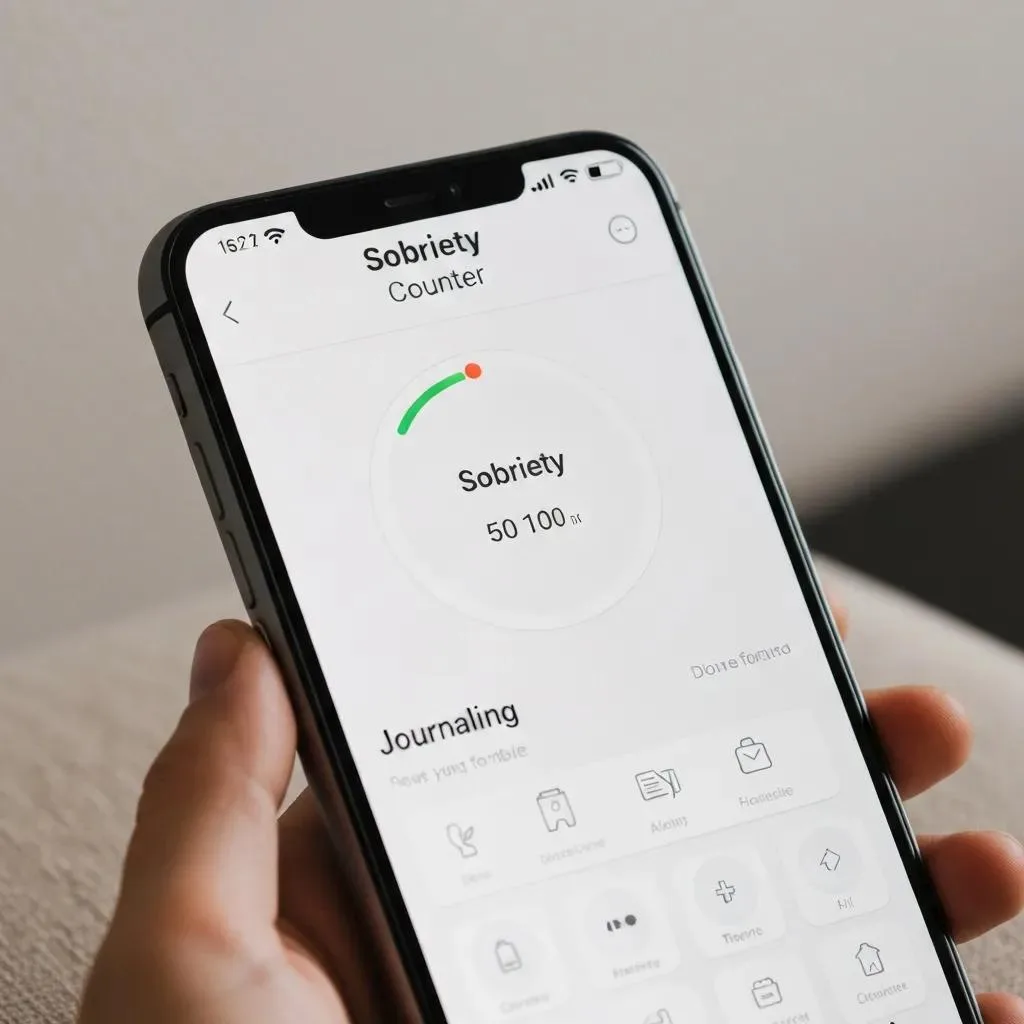
Most recovery apps bundle a core set of features aimed at behavior change and crisis support: sobriety counters, journaling, CBT-style lessons, push reminders, and community forums. Counters and milestone badges give visual reinforcement that supports daily decisions. CBT-style modules walk users through thought-challenging and skill practice similar to what happens in therapy. Journals and mood tracking surface patterns clinicians can address. Meeting locators, emergency contacts, and in-app peer chat reduce isolation and make it easier to find help when cravings spike.
Here are common ways these features help in a craving or transition:
- Sobriety counter: Offers perspective and motivation in an urge-filled moment.
- Coping scripts: Step-by-step actions to follow when risk is high.
- Peer chat: Lets someone reach out to others who get it when they feel alone.
- Meeting locator: Helps find a nearby support meeting after discharge.
Understanding these features prepares you to see how apps can complement formal treatment and clinical pathways.
How Do Recovery Apps Complement Professional Addiction Treatment?
Recovery apps are designed to extend—not replace—clinical care. They can reinforce therapeutic techniques and create continuity between appointments. During medically supervised detox, apps can deliver psychoeducation and coping strategies that ease anxiety and support clinical engagement. In inpatient care, apps help reinforce skills practiced in therapy and track triggers for group discussion. For outpatient work, apps supply homework modules, remote check-ins, and accountability tools to maintain momentum between sessions. Clinicians can review app data to monitor progress and tailor care, and patients gain a consistent framework that links clinic work to everyday life.
Talk with your treatment provider about app use to ensure safety and effectiveness. Ask how app data will be shared, whether modules match your treatment goals, and if the app supports escalation to crisis services. With that practical orientation, the next section reviews notable apps available in 2024 and how they fit common recovery needs.
Remember: apps are adjuncts to professional care. BetterChoice Treatment Center serves Nevada residents with medically supervised detox, inpatient rehab, outpatient planning, and counseling that can integrate app-based tools as supportive resources. Our multidisciplinary team—including physicians, therapists, and nurses—can help you select apps safely and interpret app-generated data without steering you toward any single product.
Which Are the Best Sobriety and Addiction Recovery Apps in 2024?
Picking the right app depends on what you need most: tracking, peer support, relapse prevention, habit-building, or clinically prescribed digital therapeutics. Below are representative apps across those categories with quick descriptions to help you scan and match options to your goals. Recent changes through 2023–2024 expanded choices—telehealth integration and prescription digital therapeutics are more common—so matching features to your care plan matters more than ever.
Top recovery apps to consider in 2024:
- I Am Sober: A straightforward sobriety counter with milestone reminders and community pledges to boost daily motivation.
- Nomo: Streak-focused tracker with accountability groups and multi-device syncing for shared goals.
- Sober Grid: A global peer network with location-based peer support and crisis escalation tools.
- SoberTool: CBT-style coping scripts and craving trackers built for in-the-moment use.
- Headspace / Calm: Mindfulness and guided meditation apps many people adapt for stress and craving management.
- Pear reSET-O: A prescription digital therapeutic used alongside outpatient opioid use disorder care (clinician-prescribed).
The table below compares primary functions and practical benefits so you can scan options quickly.
This comparison shows how apps emphasize tracking, community, coping skills, or clinical integration—pick the one that best fits your current priorities. Next, we break down tracker and community apps so you can match features to your recovery stage.
What Are the Top Sobriety Tracker Apps Like I Am Sober and Nomo?
Sobriety tracker apps center on visual progress, milestone celebrations, and habit reinforcement to help maintain motivation and measure sober time. Many include savings calculators that estimate money saved, streak reminders to reinforce daily commitment, and optional social sharing for added accountability. Early in recovery, a simple counter with daily prompts and small rewards can help rebuild routine and interrupt relapse cycles. Privacy matters—choose a tracker that lets you control what is public versus private and avoids asking for unnecessary health details.
When comparing trackers, consider whether you can export data for clinical review, whether optional peer groups exist, and how the app handles relapse resets. Those practical details lead into community and peer-support platforms that reduce isolation and boost accountability.
Which Peer Support and Community Apps Help Maintain Sobriety?
Peer support apps and sober social networks connect people who understand recovery struggles through moderated forums, private messaging, and location-based meetups. Platforms with active moderation and clear safety protocols score higher for families and clinicians because they reduce exposure to harmful content and provide escalation paths when crisis signals appear. Community features pair well with group therapy by offering ongoing social reinforcement and accountability between sessions. For family members, look for apps with family-facing options that respect autonomy while allowing safe check-ins and emergency contacts.
Community apps work best when used alongside clinician-led therapy and structured aftercare—this combined approach improves long-term outcomes and lowers the risk of unaddressed relapse triggers.
How Do Relapse Prevention and Craving Management Apps Help Sustain Recovery?
Relapse prevention and craving-management apps deliver focused interventions—CBT exercises, craving journals, and emergency contact escalation—that reduce relapse risk by interrupting urge-driven behavior. They help users identify triggers, practice coping scripts, and access immediate support during high-risk moments. Recent clinical summaries suggest app-based CBT modules can reinforce therapy skills and improve confidence when used consistently. Knowing when to move from an app to hands-on clinical care is critical; apps that include built-in crisis escalation help bridge that gap.
The table below links common app features to clinical use-cases and shows when each feature is most helpful along the care continuum.
This mapping clarifies how app features align with clinical goals and when clinicians should review app-generated data.
What Are the Key Features of Relapse Prevention Apps Like SoberTool and Reframe?

Relapse prevention apps focus on immediate coping steps, structured journaling, and automated prompts that guide users through evidence-based responses to urges. Key tools include step-by-step coping scripts to run through during a craving, one-touch options to contact an emergency person, and daily check-ins that reveal patterns for clinicians. These features are especially useful after discharge from inpatient care or during other transitions when relapse risk rises. App-based CBT is not a replacement for therapy but offers frequent practice and immediate access; used with in-person care, it strengthens prevention strategies.
Compared with in-person CBT, apps offer repeated practice and on-demand access while face-to-face therapy provides personalized case formulation and deeper skill building. Together, they form a more complete prevention plan.
How Do Habit Building and Mindfulness Apps Support Addiction Recovery?
Habit-building and mindfulness apps use small, repeatable practices to reshape routines and improve emotional regulation—both important for reducing relapse risk. Habit mechanics rely on consistent cues, tiny actions, and rewarding feedback loops that slowly replace substance-related routines with healthier ones. Mindfulness tools—guided breathing, urge surfing, and short meditations—lower physiological reactivity to triggers and build acceptance skills that reduce impulsive behavior. Short exercises, practiced several times a day, can be used during cravings to reduce urge intensity and create space to use other relapse-prevention tools.
Using habit and mindfulness apps alongside CBT modules strengthens overall coping by addressing automatic behaviors and underlying emotional responses. After reviewing these therapeutic roles, the next section covers clinically approved and telehealth-integrated apps.
What Are Clinically Approved and Telehealth-Integrated Recovery Apps?
Clinically approved digital therapeutics and telehealth-integrated platforms are a growing class of recovery apps designed to work under clinician supervision and, in some cases, require prescriptions or formal integration into care. FDA-cleared prescription digital therapeutics have specific clinical indications and are intended to be used as part of a broader treatment plan. Telehealth platforms combine digital modules with remote therapy, medication management, and clinician dashboards to keep digital work aligned with human-led treatment. Understanding regulatory context and insurance pathways matters because access to some tools requires clinician referral and documentation.
Below are brief notes about representative clinical and telehealth tools providers and patients commonly reference when integrating apps into care.
How Does Pear reSET-O Work as an FDA-Approved Addiction Recovery App?
Pear reSET-O is an example of a prescription digital therapeutic used to support outpatient treatment for opioid use disorder. It delivers structured CBT-based modules under clinician oversight and is typically paired with medication-assisted treatment. Clinicians review engagement and completion metrics and use that data to inform in-person sessions or medication adjustments. Access usually requires a clinical evaluation and a prescription so the digital program lines up with medical care and follow-up.
Because prescription digital therapeutics are part of a regulated care plan, discuss availability, insurance coverage, and clinical suitability with your treatment provider before starting.
What Role Do Telehealth Apps Like Workit Health Play in Addiction Support?
Telehealth platforms offer remote therapy, digital modules, and medication management that increase continuity of care when frequent in-person visits aren’t possible. They let patients continue therapy while traveling, after discharge, or when local access is limited, and they often coordinate with local clinicians for integrated care. Telehealth can support aftercare through regular check-ins, group sessions, and medication oversight that complement inpatient and outpatient programs. Payment and insurance details vary, so verify coverage with your insurer and treatment team before relying solely on telehealth services.
Telehealth’s main strengths are accessibility and continuity; combined with in-person care, it helps reduce gaps that can otherwise undermine long-term recovery.
How Can You Choose the Right Recovery App for Your Needs and Treatment Plan?
Choosing the right recovery app means checking privacy, evidence, cost, moderation, and clinician compatibility. A short checklist makes this assessment practical and safe. First, identify your recovery stage—detox, inpatient, early outpatient, or long-term maintenance—because some apps are tailored to urgent craving support while others focus on habit-building. Confirm the app’s privacy policy and prefer tools that let you control what’s shared with clinicians or family. Finally, consult your treatment provider before starting prescription digital therapeutics or making clinical decisions from app data.
Use this decision checklist to guide selection and next steps:
- Identify your primary need (craving management, community, tracking, clinical modules).
- Check evidence and regulatory status (look for clinician-reviewed content or FDA approval where relevant).
- Verify privacy settings and whether you can export data for clinician review.
- Try the app’s low-risk features before fully integrating it into your treatment plan.
- Discuss results and data with your clinician to align app use with formal therapy.
Below is a compact decision table that frames key considerations and suggested actions.
What Factors Should You Consider When Selecting a Recovery App?
Key factors include evidence and regulatory status, privacy and security, cost and subscription models, moderation and safety features, and whether the app supports clinician integration or data export. Clinical evidence and FDA clearance are especially important when treatment or medication decisions are involved. Non-prescription apps can still help but should not replace supervised care. Check whether the app sells or anonymizes data and whether communities are moderated to limit harmful content. Finally, consider user experience—apps with clear navigation and short, repeatable exercises are easier to stick with.
These factors guide safe testing: start with low-stakes features, note how they affect mood and cravings, and share relevant findings with your clinician so app use supports your care plan.
How Can Family Members Use Recovery Apps to Support Loved Ones?
Family members can use apps to offer supportive accountability, monitor patterns when invited, and learn how to respond to crisis signals without breaching privacy. Effective support balances encouragement with respect for boundaries—ask permission before connecting to someone’s app account or sharing data. Use family-facing features or discuss general trends rather than specific logs if the person prefers privacy. Prepare a clear escalation plan with crisis hotlines and local clinical contacts. Conversation scripts that emphasize empathy and practical help—offering rides to meetings or helping set reminders—usually work better than confrontations.
Families should also consult treatment professionals for guidance on using app features constructively during transitions, such as discharge from inpatient care, so support aligns with clinical recommendations.
What Are Common Questions About Recovery Apps for Addiction Support?
Common questions include whether recovery apps work, whether free apps are useful, and whether apps can replace professional treatment. Short, practical answers set realistic expectations: apps are effective as adjuncts when used consistently and with clinical support; free apps can be helpful but often limit advanced features and data portability; and apps do not replace medically supervised detox or intensive clinical care when those services are needed. Watch for red flags—suicidal thoughts, severe withdrawal, or inability to function—that require immediate clinical attention rather than app-based management.
- Are recovery apps effective? Yes—when used alongside professional treatment, apps can improve coping skills and provide accountability.
- Are free apps worth using? Free apps can deliver useful basics like tracking and mindfulness, but paid versions may add evidence-based modules or clinician integration.
- Can apps replace professional treatment? No—apps are supportive tools and should not replace medically supervised detox, inpatient care, or clinician-led therapy when those levels of care are indicated.
These answers help readers decide when an app is appropriate and when to escalate to clinical care—especially important during early recovery and after transitions from higher levels of care.
What Are the Best Free Recovery Apps for Addiction?
Several free or freemium apps provide basic tracking, community access, and mindfulness exercises that work well for people on a budget or those trying digital tools before paying. Free tiers typically include sobriety counters, limited CBT exercises, and access to moderated forums; advanced therapeutic modules, clinician dashboards, or prescription digital therapeutics usually require payment or referral. When evaluating free apps, check whether you can export logs for clinical review—data portability makes a free app far more useful in coordinated care. Free tools are great starting points but may not deliver full relapse-prevention curricula or clinician integration.
Start with free tiers, track consistent engagement and safety features, and consider paid upgrades only if the app meaningfully supports your recovery goals.
Can Recovery Apps Replace Professional Addiction Treatment?
No—recovery apps do not replace professional addiction treatment when withdrawal risk, medical complexity, or co-occurring mental health disorders are present. Apps are best used as adjuncts that reinforce therapy, provide between-session support, and help maintain progress after discharge from higher-level care. Red flags needing immediate clinical attention include severe withdrawal symptoms, suicidal ideation, inability to meet basic responsibilities, or repeated relapses despite outpatient support. If these signs appear, contact emergency services or your treatment provider rather than relying on apps alone.
Knowing apps’ supportive role makes it easier to use them safely and involve clinicians when escalation is needed.
For tailored guidance on matching recovery apps to a clinical plan in Nevada, BetterChoice Treatment Center can advise on how app features align with medically supervised detox, inpatient rehab, outpatient care, and counseling approaches. Call (725) 299-4777 or search our Las Vegas location to request help with intake, insurance questions, and timelines; our staff can explain how to integrate apps into your aftercare plan without pressure and with respect for privacy and safety.
Smartphone Apps for Substance Use Disorders: Enhancing Reach of Evidence-Based Interventions
Mobile phone–based health (mHealth) interventions offer a widespread, low-cost way to improve outcomes. Smartphone apps, SMS, and interactive voice response can extend cognitive-behavioral approaches, contingency management, and therapeutic education to people with substance use disorders. With most Americans owning smartphones, these tools can expand access while reducing disruption to health systems. Given barriers like stigma, cost, and limited treatment slots, apps have the potential to reach people who might otherwise go without care.
The wide adoption of smartphones makes them a practical channel for delivering accessible, cost-effective interventions for substance use disorders.
Mobile App Interventions for Substance Use Disorder Relapse Prevention
ABSTRACT: This research protocol outlines a randomized controlled trial evaluating a mobile app–based, self-guided psychological intervention aimed at reducing relapse in substance use disorder. Studies like this test feasibility and whether app-delivered interventions can help sustain recovery outside the clinic.
Ongoing research is examining whether self-guided mobile interventions can meaningfully reduce relapse risk for people with substance use disorders.
Sober App Pilot Study: CBT Interventions for Hazardous Alcohol Use
Digital health interventions offer a scalable way to reach people who struggle with hazardous drinking. This pilot study tested a CBT-based smartphone app over four weeks with a small sample, measuring feasibility, participant satisfaction, and preliminary effects on drinking behavior.
Pilot studies like this are exploring whether specific apps can feasibly deliver CBT-based interventions to reduce hazardous alcohol use.
Frequently Asked Questions
1. How do I know if a recovery app is right for me?
Start by listing your priorities—craving support, community, tracking, or clinical modules—and match an app’s strengths to that need. Consider your recovery stage (detox, inpatient, outpatient) since some apps focus on immediate crisis support while others build long-term habits. Check the app’s privacy policy and evidence, and ask your clinician whether the app fits your treatment plan. A brief trial and a clinician check-in can help you decide.
2. Are there any risks associated with using recovery apps?
While many people benefit from recovery apps, risks include overreliance on a tool at the expense of professional care and privacy concerns if an app mishandles sensitive data. Choose apps with clear privacy protections and be alert for red flags—worsening mental health, increased cravings, or withdrawal symptoms—that require clinical attention. Always use apps as a complement to care, not a substitute.
3. Can recovery apps help with co-occurring mental health issues?
Yes—apps can provide helpful exercises like mood tracking and mindfulness that support co-occurring mental health challenges. However, they are not substitutes for professional diagnosis and treatment. Work closely with a mental health provider to address underlying issues while using apps as supplementary tools to practice skills learned in therapy.
4. How can I ensure my privacy while using recovery apps?
Review the app’s privacy policy to see what data is collected and who can access it. Prefer apps that let you control sharing, anonymize data, or export logs for clinicians. Avoid giving out unnecessary personal details and choose apps with transparent data practices.
5. What should I do if I experience a relapse while using an app?
If a relapse happens, seek immediate support from your treatment provider or a trusted person in your network. Use any in-app crisis resources or emergency contact features to connect quickly. Reflect on triggers and use journaling or coping tools to plan next steps—remember, relapse is a signal to adjust care, not a failure.
6. Are there specific apps recommended for family members supporting someone in recovery?
Yes—some apps include family-facing tools that let loved ones offer encouragement, share resources, and check trends when invited. Choose apps that protect the user’s autonomy and privacy, and use educational resources to learn how best to support your family member without taking control of their recovery.
7. How can I integrate recovery apps into my daily routine effectively?
Set clear, simple goals—daily check-ins, short journaling, or scheduled mindfulness breaks—and schedule reminders at consistent times. Use community features for accountability and discuss app use with your clinician to ensure it matches your care plan. Periodically evaluate whether the app is helping and adjust usage as needed.
Conclusion
Recovery apps can be powerful allies: they increase accountability, offer coping strategies, and connect people to community and clinical support. When paired with professional treatment, they help sustain progress and make recovery work feel more manageable day to day. Explore options that match your goals and talk with your treatment team to integrate apps safely into your plan. For personalized help choosing the right recovery app, contact BetterChoice Treatment Center today.