

Top Recovery Apps & Digital Tools for Sobriety — A Practical Guide to Supporting Lasting Recovery
Recovery apps and digital sobriety tools are mobile and web programs built to track abstinence, help manage cravings, and connect people with peer and clinical supports that reinforce long-term recovery. They combine proven behavioral techniques—like streak tracking, CBT-style exercises, and mindfulness—to offer timely reminders, coping exercises, and social accountability that lower relapse risk and build coping skills. In this guide we’ll walk through commonly used sobriety trackers and relapse-prevention apps, explain how peer and mindfulness tools support emotional regulation, and show how families and clinicians can integrate these tools into aftercare. Many readers want practical, evidence-informed options that work alongside medical detox and inpatient care; this article maps app features, clinical use cases, and family-focused steps to help you pick tools that fit each stage of recovery. Ahead you’ll find direct comparisons, quick steps for handling cravings, notes on community benefits, mindfulness routines, and clear guidance for clinicians and families on supporting safe app use.
What Are the Best Sobriety Tracking Apps for Monitoring Your Recovery Progress?
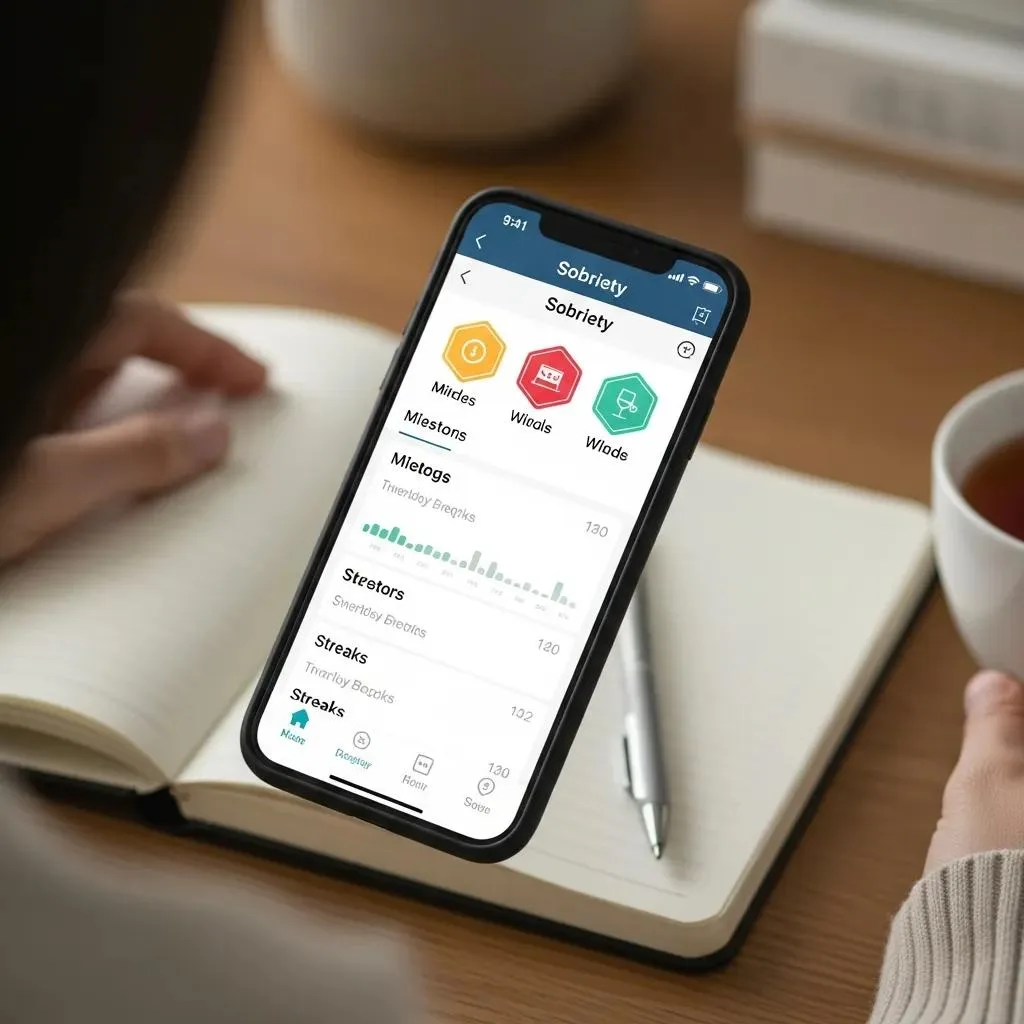
Sobriety trackers are apps that log days of abstinence, note triggers, record mood and medication adherence, and give you visible markers of progress. By turning recovery into measurable steps—streaks, badges, journal prompts—these tools make trends and triggers easier to spot and address. The main benefit is consistent feedback: seeing progress reduces discouragement, supports goal-setting, and opens clearer conversations with clinicians when setbacks occur. Below we summarize common tracker features so you can choose one that fits your routine, privacy needs, and clinical plan.
How Do Sobriety Tracker Apps Like I Am Sober and Nomo Help Maintain Abstinence?
Apps like I Am Sober and Nomo support abstinence through streak tracking, daily check-ins, and social accountability features that reinforce positive behavior with frequent feedback. They prompt users to note cravings, celebrate milestones, and reflect in a journal—small routines that strengthen new habits through repetition. A typical day might include a morning mood check, midday reminders for coping exercises, and an evening reflection on wins—creating a continual loop clinicians can use in aftercare. Sharing tracker data in therapy helps target skills work and makes early relapse signals easier to address.
What Features Should You Look for in a Sobriety Tracking App?
When choosing a sobriety tracker, prioritize strong privacy controls, flexible reminders, and options to share data with clinicians if you want that level of oversight. Look for secure backup and export features to preserve your recovery history, milestone settings that match the substance or behavior you’re addressing, and integrations with calendars or telehealth tools to coordinate care. Data portability matters: being able to export progress helps when you change providers or include app data in an aftercare plan. Also check for clear safety policies and anonymized peer features if social accountability is part of your strategy.
Different sobriety trackers focus on distinct needs and workflows:
Choosing a tracker depends on whether you want community encouragement, tight clinician coordination, or a private personal log—pick what matches your treatment stage and privacy preferences.
Which Apps Offer Effective Relapse Prevention and Craving Management?
Relapse-prevention apps deliver evidence-based tools—CBT modules, on-demand coping scripts, and emergency plans—that weaken the urgency of cravings. They teach coping skills, automate structured self-reflection, and give immediate techniques to use when an urge hits, reducing automatic relapse responses. The clinical benefit is skill generalization: repeated use of CBT-style exercises helps people apply therapeutic tools between sessions. Below are key app examples, what they do, and when each is most useful clinically.
How Do Apps Like SoberTool and Reframe Support Relapse Prevention?
SoberTool and Reframe deliver CBT-informed content, interactive coping exercises, and decision scripts tuned for high-risk moments. They offer short, structured activities—cognitive reframing prompts, emergency coping plans, and distraction steps—that you can use when cravings are strongest. Clinicians often recommend SoberTool for people who need frequent, quick interventions and Reframe for users who benefit from daily cognitive practice and habit restructuring. Together, immediate coping tools plus progressive skill-building can reduce how often and how intensely relapse triggers appear.
Use this quick-action list during an acute craving:
- Pause and name the urge: Notice the craving as temporary to reduce automatic reaction.
- Try a 5–10 minute coping script: Use the app’s breathing or grounding module to shift your state.
- Switch to a values-based distraction: Do an activity from your plan that reflects what matters to you.
Regular practice of these steps trains the brain to tolerate discomfort and builds alternative responses clinicians can reinforce in therapy.
Some tools interrupt cravings right away, while others build lasting skills—clinicians match apps to each person’s risk level and treatment phase.
How Can Online Communities and Peer Support Apps Enhance Addiction Recovery?
Peer support apps and online communities provide ongoing social connection, shared experience, and accountability that strengthen formal treatment. These platforms work because social identification and encouragement reduce isolation and model recovery behaviors, increasing adherence to healthy routines. Benefits include 24/7 access, anonymity when needed, and connections to local resources—but moderation and safety controls differ, so choose well-moderated communities. The sections below describe specific benefits and how virtual groups can fill gaps in clinical care for better continuity.
What Are the Benefits of Peer Support Apps Like Sober Grid and WEconnect?

Peer support apps such as Sober Grid and WEconnect connect you in real time with people who’ve been there—offering encouragement, accountability check-ins, and opportunities for local meetups. They reduce stigma through anonymous sharing and normalize recovery ups and downs via peer stories that model long-term progress. Around-the-clock peer encouragement is especially helpful between therapy sessions and during high-risk times like evenings or weekends. Used alongside formal therapy, peer apps create layered support that leverages social modeling to help sustain change.
Peer platforms typically offer these advantages:
- Accessibility: Connect with peers anytime, from anywhere.
- Anonymity: Share sensitive experiences without revealing identity.
- Accountability: Regular check-ins and community milestones that support sobriety.
These community features pair well with virtual support groups that add clinician oversight for continuity of care.
How Do Virtual Support Groups Complement Professional Treatment?
Virtual support groups add more frequent meetings, broader peer perspectives, and flexible scheduling—helping bridge the gap after inpatient or outpatient discharge. They follow structured group processes similar to in-person sessions—check-ins, peer feedback, and topic-focused meetings—which help generalize skills learned in individual therapy. Clinicians can recommend moderated groups that fit treatment goals and monitor participation as part of aftercare. Combining weekly therapy with frequent virtual group contact reduces gaps in support and helps people stay steady through transitions.
What Role Do Mindfulness and Mental Wellness Apps Play in Sustaining Sobriety?
Mindfulness and wellness apps deliver short, repeatable practices that improve emotion regulation, distress tolerance, and awareness of internal states—skills that reduce relapse risk by changing how cravings are experienced. Guided breathing, urge-surfing exercises, and daily meditations teach users to observe urges without reacting, weakening conditioned responses to triggers. Clinicians often pair brief, consistent mindfulness practice with CBT-based tools because together they address both thinking patterns and physiological regulation. Below we offer examples and a simple routine to help you bring mindfulness into daily recovery work.
How Can Apps Like Headspace and Insight Timer Aid Emotional Regulation?
Headspace and Insight Timer provide short guided practices—micro-meditations, breath work, and body scans—that can be used in moments of acute stress to calm the body and interrupt habitual responses. Five to ten minutes during a craving can shift attention away from the urge and toward acceptance, a practice therapists call “urge surfing.” Start with brief daily sessions and build up; apps with customizable timers and reminders make consistency easier. Look for trauma-informed or cue-aware meditations to ensure safety for people with complex histories.
Why Is Mindfulness Important for Long-Term Addiction Recovery?
Mindfulness supports long-term recovery by increasing awareness and choice when triggers arise—strengthening control over impulsive reactions and increasing tolerance for uncomfortable emotions. Research and clinical experience show regular mindfulness reduces relapse by training people to notice cravings without judgment and to act in line with their values instead of reacting automatically. When combined with structured therapies, mindfulness improves both momentary coping and sustained resilience. Over time it becomes a portable, evidence-informed skill that helps protect sobriety.
How Does BetterChoice Treatment Center Integrate Digital Tools with Professional Addiction Care?
At BetterChoice Treatment Center we use digital tools to extend—not replace—clinical care. Apps are integrated into a structured aftercare plan: clinical stabilization through medical detox and inpatient rehab, tailored app recommendations during discharge planning, and monitored app use with clear privacy and data-sharing agreements. Our approach centers on evidence-based care and personalized planning so recommended apps match each person’s clinical goals and risk profile. Staff support includes guided onboarding, privacy conversations, and follow-up sessions where app data helps inform treatment decisions.
What Is the Importance of Combining Medical Detox and Inpatient Rehab with Digital Support?
Medical detox and inpatient rehab address acute physiological and psychiatric risks that apps alone can’t manage. Digital tools extend clinical gains into daily life after discharge—tracking symptoms, prompting coping skills, and enabling fast contact with supports during high-risk moments. A typical care pathway moves from supervised detox to inpatient stabilization, then to app-supported aftercare with scheduled clinician reviews that use app data to personalize interventions. This hybrid model balances clinical safety with the accessibility and scalability of digital supports.
How Does BetterChoice Recommend and Support the Use of Recovery Apps?
During intake and discharge planning our clinicians help patients select and set up recovery apps that match treatment goals, obtain consent for clinician-sharing if desired, and schedule follow-up checks to review digital engagement. Steps include a clear privacy review, goal-setting inside the app (for example, daily check-ins or relapse-prevention drills), and periodic reviews where app metrics guide therapy adjustments. Because we provide medical detox and inpatient care, we position apps as part of an aftercare bundle—not as a standalone fix—so each tool supports a coordinated clinical roadmap. Clinician guidance reduces misuse and improves adherence to aftercare plans.
How Can Families Use Digital Tools to Support Loved Ones in Recovery?
Families can use digital tools to stay informed, offer non-coercive encouragement, and access education and peer support that strengthens their ability to help. Effective involvement balances respect for privacy with constructive, values-based support—agreeing on what to share, when to step in, and using apps for check-ins rather than surveillance. Family tools range from educational resources and conversation scripts to clinician-coordinated platforms that permit structured, limited information sharing. The table below outlines practical family tools and respectful ways to use them.
What Resources and Apps Are Available for Family Members?
Family resources include national education portals, caregiver peer networks, and clinician-recommended materials that explain relapse patterns and healthy boundaries. When immediate guidance is needed, trusted resources from public health agencies and clinician-curated content explain when to involve emergency services or treatment providers. Clinicians often point families to moderated caregiver groups and apps that teach communication and boundary-setting—skills that reduce enabling and improve interactions. Families should choose resources that emphasize consent, avoid punitive monitoring, and focus on safety and open communication.
How Can Families Encourage Effective Use of Sobriety Apps?
Families can encourage app use by staying nonjudgmental, helping set collaborative goals, and coordinating with treatment providers rather than trying to control app data. A simple conversation might start with asking which supports the person finds helpful, offering to help with reminders or onboarding, and celebrating milestones—always stressing voluntary participation and privacy. Pair encouragement with clear boundaries and concrete actions, like attending family education sessions recommended by clinicians. When families and clinicians agree on acceptable data-sharing, digital tools become support bridges instead of sources of conflict.
Try this short checklist for supportive involvement:
- Ask permission before viewing app data to respect autonomy and build trust.
- Offer practical help—set reminders or assist with onboarding without pressuring.
- Coordinate with clinicians to agree on what’s shared and how it will be used.
- Choose apps that fit the recovery stage and privacy needs. A good match encourages continued use.
- Favor clinician-guided onboarding and consented data sharing. This protects privacy and increases therapeutic value.
- Combine behavioral, social, and mindfulness tools. A blended toolkit addresses cravings, emotional regulation, and connection.
This guide maps the core recovery app categories—sobriety trackers, relapse-prevention tools, peer-support platforms, and mindfulness apps—along with practical clinician and family integration steps to help you choose and use digital sobriety tools responsibly.
Frequently Asked Questions
1. How can I choose the right recovery app for my needs?
Start by listing your needs: Do you want private tracking, peer support, clinician sharing, or guided exercises? Compare features, interface, privacy settings, and integration options. Try free versions or trials, read user reviews, and ask your healthcare provider for recommendations that fit your treatment goals.
2. Are there any costs associated with using sobriety apps?
Many apps offer free basic features and paid upgrades for coaching, advanced tracking, or community access. Prices vary—evaluate whether premium features add real value for your recovery, and use free trials before committing.
3. How can I ensure my data privacy while using recovery apps?
Read the app’s privacy policy to see what data is collected, how it’s stored, and who can access it. Prefer apps with strong encryption, anonymized sharing options, and user control over exports or deletions. Discuss privacy with your clinician if you plan to share data as part of care.
4. Can recovery apps replace traditional therapy or support groups?
No. Apps are meant to complement—not replace—professional therapy and in-person support. They provide tools and between-session support but lack the personalized assessment and clinical oversight of face-to-face care. Use apps as part of a comprehensive treatment plan for best results.
5. How can families effectively use recovery apps to support their loved ones?
Encourage app use respectfully: ask what’s helpful, assist with setup if invited, and celebrate progress. Respect privacy and consent—never use apps to spy. Learn about addiction through recommended resources and work with the treatment team to set clear, agreed-upon boundaries for information sharing.
6. What role do reminders and notifications play in sobriety apps?
Reminders and notifications help keep recovery tasks front of mind—promoting daily check-ins, coping exercises, and milestone recognition. Customizable alerts let users fit reminders into their routine, supporting consistent engagement and habit formation.
7. How can I integrate mindfulness practices into my recovery routine using apps?
Begin with short guided sessions—five to ten minutes each day—and build up gradually. Use app reminders to create a daily habit and choose exercises focused on breath, body scans, or urge-surfing. Pair mindfulness with other recovery tools to strengthen emotional regulation and resilience.
Conclusion
Recovery apps and digital tools can strengthen your sobriety by providing structure, tracking progress, and connecting you to community and clinical supports. When chosen and used thoughtfully—especially as part of a clinician-guided aftercare plan—these tools help manage cravings, reinforce accountability, and make mindfulness practice more accessible. Choose tools that match your stage of recovery, protect your privacy, and fit into a broader treatment plan. Explore the apps and resources that work for you, and lean on your care team and family as you build a sustainable path to wellness.