

The Opioid Crisis: Understanding Opioid Use Disorder and Your Treatment Options
The opioid crisis remains a major public-health challenge across the United States and here in Nevada. This guide breaks down what opioid use disorder (OUD) is, how withdrawal and medically supervised detox usually progress, and the full continuum of care — from medical detox and inpatient rehab to outpatient services, intensive programs, and medication-assisted treatment (MAT). Our aim is to give clear, research-based information about symptoms, safety steps (like naloxone access), and evidence-based treatments such as buprenorphine and other MAT options paired with behavioral therapy. We outline causes and warning signs, typical withdrawal timelines, levels of care, family roles in recovery, and practical next steps for Nevada residents — including how BetterChoice Treatment Center can help with multidisciplinary, accredited detox and treatment services. Throughout, the language and keywords (for example: opioid crisis, opioid withdrawal management, buprenorphine treatment Las Vegas) are chosen to help you find timely, relevant care.
What Is Opioid Use Disorder and How Does It Impact Individuals?
Opioid Use Disorder, or OUD, is a chronic medical condition marked by loss of control over opioid use, continued use despite harm, and physical changes such as tolerance and withdrawal. Repeated opioid exposure alters brain reward and stress systems, which increases craving and makes stopping difficult without support. Early recognition and prompt care reduce overdose risk and improve outcomes. Beyond physical health, OUD can harm work, relationships, and mental health — which is why coordinated medical treatment and community supports are essential to recovery and long-term stability.
What Are the Causes and Symptoms of Opioid Use Disorder?
OUD often starts from a mix of exposure and vulnerability: appropriate or prolonged prescription opioid use that escalates, intentional misuse, or use of illicit opioids like heroin or fentanyl. Risk factors include genetics, untreated mental health conditions, trauma, and unstable housing or social supports. Common symptoms are strong cravings, unsuccessful attempts to cut down, spending excessive time getting opioids, and continuing use despite social or legal consequences. If you notice these signs, a clinical assessment can determine severity and guide a personalized plan that prioritizes safety and stabilization.
How Does Opioid Addiction Affect Health and Society?
On an individual level, opioid addiction raises the risk of overdose, infectious disease when injecting, and longer-term impacts on organ systems and quality of life. For communities, OUD strains the workforce, increases emergency-care use, and burdens social services. Public-health responses — like wider naloxone distribution, prevention education, and expanding treatment access — aim to lower deaths and long-term harm. The pattern is clear: opioid exposure can lead to brain changes that increase overdose and social consequences, which is why expanding evidence-based treatment and harm-reduction services matters.
How Does the Opioid Withdrawal Symptoms Timeline Unfold?
Withdrawal follows a predictable pattern that depends on the opioid’s pharmacology: short-acting opioids tend to produce earlier and sharper symptom onset, while long-acting opioids cause a delayed but longer course. Symptoms come from the sudden lack of opioid activity in a body adapted to chronic use, producing autonomic overdrive, gastrointestinal upset, and intense psychological craving. Medically supervised detox reduces risk by managing symptoms, offering appropriate medications, and monitoring for complications — making it a common first step before ongoing treatment. Knowing typical onset, peak, and duration helps patients and families plan for safe detox and aftercare.
What Are Common Opioid Withdrawal Symptoms?
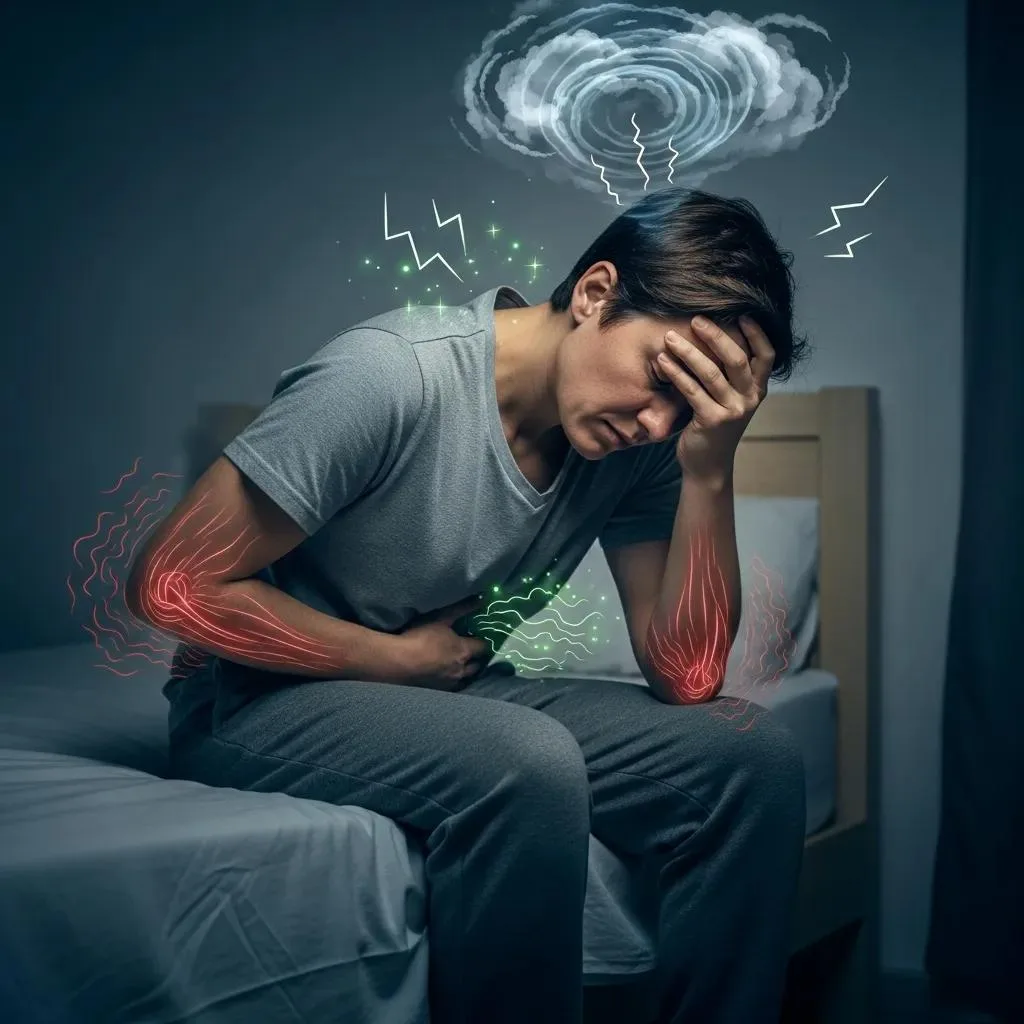
Withdrawal symptoms affect the body and mind and range from uncomfortable to medically concerning depending on severity. Physical signs include muscle aches, yawning, sweating, dilated pupils, and flu-like feelings. Gastrointestinal symptoms — nausea, vomiting, diarrhea — can cause dehydration and electrolyte loss. Psychological symptoms include anxiety, insomnia, agitation, strong cravings, and low mood, all of which raise relapse risk if left untreated. Seek urgent medical care if you or someone else shows severe dehydration, confusion, altered consciousness, or signs of infection.
Different opioids produce different withdrawal timelines based on half-life and receptor effects. The table below summarizes typical onset, peak, and duration for common opioid types so clinicians can tailor detox and symptom management appropriately.
Because timelines vary, clinicians match detox plans and symptom-control strategies to the specific opioid and the individual’s medical needs. Medically supervised care typically improves comfort and safety during these early days of recovery.
How Long Does Opioid Withdrawal Last and What Is the Detox Process?
Acute opioid withdrawal usually resolves within one to two weeks, though post-acute symptoms — such as sleep disturbance or low mood — can persist longer. Medically supervised detox starts with a clinical assessment of substance use history, medical risks, and psychosocial needs, then moves to stabilization with evidence-based symptom management and, when appropriate, medication under clinical monitoring. Detox services include vital-sign checks, hydration and nutrition support, medications for nausea or sleep, and discharge planning into the next level of care (inpatient rehab, outpatient MAT, or therapy). Detox treats physical dependence but is only the first step; ongoing behavioral therapies and social supports are essential for lasting recovery.
What Types of Opioid Rehab Programs Are Available?
Treatment is delivered across a continuum that matches care intensity to clinical need: medical detox, inpatient residential programs, partial hospitalization or intensive outpatient programs (PHP/IOP), and standard outpatient counseling. The right level depends on OUD severity, co-occurring mental health conditions, home stability, and overdose risk. Each program balances setting, intensity, and services to support stabilization, skill-building, and relapse prevention. The table below compares common program types to help you evaluate which option may fit a particular situation.
Together, these levels support initial stabilization (detox), focused treatment (inpatient/PHP/IOP), and long-term recovery maintenance (outpatient) through coordinated services and transitions of care.
Inpatient rehab provides 24/7 supervision, structured days, and concentrated therapy that combine medical stabilization with behavior change work. By removing people from triggering environments, inpatient care allows intensive therapy — including cognitive behavioral therapy and group work — while nursing staff manage withdrawal and medical needs. Inpatient programs are especially useful for severe OUD, co-occurring medical or psychiatric conditions, or unsafe home situations. Effective discharge planning connects patients to outpatient therapy and community supports to protect gains made during residential care.
What Are the Benefits of Inpatient Opioid Rehab Programs?
Inpatient care offers continuous clinical oversight and rapid response to medical or psychiatric issues, enhancing safety in early recovery. A steady daily routine encourages engagement in multiple therapy formats and builds peer support that reduces isolation. Medical teams can manage complex withdrawal, coordinate MAT when appropriate, and support adherence. For people at higher risk during unsupported withdrawal or outpatient treatment, inpatient care can improve retention and outcomes.
How Do Outpatient Opioid Treatment and Counseling Services Work?
Outpatient treatment ranges from weekly counseling to intensive outpatient programs that mirror residential intensity without overnight stays. These models combine medication, individual and group therapy, family involvement, and case management while allowing people to keep work and family responsibilities. PHP and IOP provide frequent therapeutic contact and are commonly used as step-down options. Outpatient care emphasizes relapse-prevention skills (for example, CBT and contingency management) and building long-term support networks. For many, MAT plus outpatient therapy and community resources becomes the foundation for sustained recovery.
For Nevada residents who want a local example, BetterChoice Treatment Center offers medical detox, inpatient residential care, outpatient counseling, and integrated therapy within a multidisciplinary framework — illustrating how one provider can deliver multiple levels of care across the continuum.
What Is Medication-Assisted Treatment for Opioid Addiction?
Medication-Assisted Treatment (MAT) pairs FDA-approved medications with counseling and behavioral therapies to reduce cravings, ease withdrawal, and block opioid effects. Medications stabilize brain chemistry so people can engage in therapy that addresses behavior, coping, and life skills. Research shows MAT lowers overdose deaths, improves retention in care, and enhances social functioning when combined with psychosocial supports. Knowing how different MAT medications work and how they fit into a treatment plan helps patients and families choose the most appropriate, evidence-based approach.
Which FDA-Approved Medications Are Used in MAT?
Common FDA-approved medications for OUD are buprenorphine, methadone, and naltrexone. Each has specific properties and care settings. Buprenorphine is a partial opioid agonist often used in office-based settings to reduce cravings and withdrawal with a ceiling effect that lowers overdose risk. Methadone is a full agonist dispensed in regulated clinics and is effective for severe OUD under daily supervision. Naltrexone is an opioid antagonist used for relapse prevention after detox and requires confirmation of opioid-free status before starting. The table below summarizes typical use-cases and monitoring points for these medications.
These medications are tools within a comprehensive care plan and are most effective when combined with evidence-based behavioral therapies and psychosocial supports.
How Does MAT Integrate with Behavioral Therapies?
MAT stabilizes brain chemistry so patients can meaningfully take part in behavioral therapies that target learned behaviors, triggers, and emotional factors that support opioid use. Evidence shows combining medication with therapies such as CBT produces better results than medication or therapy alone. Programs typically sequence stabilization, active psychotherapy, and relapse-prevention planning, and they include ongoing monitoring for response and adherence. Comprehensive plans often involve family support, contingency planning, and links to community recovery resources to support long-term success.
How Can Families Support Loved Ones Through Opioid Addiction Recovery?

Family support is a powerful part of recovery. Loved ones can provide emotional backing, help navigate treatment choices, and keep safety measures in place — for example, ensuring naloxone is accessible and setting clear, healthy boundaries. Support works best when it balances empathy with firm expectations, encourages treatment engagement, and avoids behaviors that inadvertently enable continued use. Learning about OUD, local resources, and family-therapy options helps families advocate for evidence-based care and participate constructively in treatment planning. Below are practical conversation strategies and simple scripts families can use to begin a discussion about treatment.
Families can try these steps when opening a conversation:
- Use factual, nonjudgmental language: Describe specific behaviors and say you’re concerned without assigning blame.
- Offer concrete help: Suggest calling to check treatment options together or offer to go to appointments with them.
- Set clear boundaries: Explain what support you will provide and what behaviors you can’t enable.
What Resources and Communication Strategies Help Families?
Helpful resources include family-education programs, support groups, crisis hotlines, and family therapy focused on communication and boundary-setting. Practical scripts can make tough conversations easier: start with concern (“I’m worried about your health”), offer help (“I can help look into treatment options”), and agree on a next step (“Can we check on this together tomorrow?”). Local and national helplines and peer-support groups can offer immediate guidance for crisis moments and long-term planning. Remember that confidentiality rules may limit what providers can share; work with treatment teams to learn how best to support a loved one while respecting their privacy.
Why Is Family Support Crucial in the Recovery Process?
Family involvement improves treatment retention and lowers relapse risk by reinforcing goals, helping with logistics, and providing emotional support. Research supports family therapy as a helpful adjunct to individual treatment, especially when family dynamics contribute to relapse triggers. Families often serve as advocates (navigating systems), logistics partners (transportation, appointments), and sources of encouragement. At the same time, family members should practice self-care and set boundaries to avoid enabling behaviors and to protect their own well-being.
How to Navigate Insurance and Access Treatment at BetterChoice Treatment Center?
Below is practical, step-by-step guidance for verifying insurance, starting intake, and knowing what to expect when you contact a local provider like BetterChoice Treatment Center — an accredited, multidisciplinary facility offering detox, inpatient, outpatient, and counseling services. Before you call, have the patient’s full name, date of birth, insurance ID and group number (if available), and a brief summary of substances used and medical history so intake staff can perform an efficient benefits check. Most programs begin with a phone screening to assess safety and level-of-care needs, then verify benefits and schedule admission or appointments. BetterChoice’s intake focuses on confidentiality and quick linkage to the right level of care, with staff coordinating authorizations and transitions when coverage rules apply.
Which Insurance Providers Are Accepted for Opioid Treatment?
Insurance accepted varies by facility and payer. Many programs work with private insurance, Medicaid, and sometimes Medicare, depending on licensing and contracts. When you call, ask about in-network status, prior authorization requirements, expected out-of-pocket costs, and whether the facility helps with benefits verification or appeals. If you don’t have insurance, ask about sliding-scale options, public programs, or community resources that can help with funding. Always verify coverage directly with intake for the most accurate information.
What Are the Steps to Verify Insurance and Begin Treatment?
Follow these practical steps to verify insurance and begin treatment at a center like BetterChoice:
- Prepare documentation: Have the patient’s name, date of birth, insurance ID, and a brief substance-use history ready before calling.
- Call intake: Contact the provider to request an initial clinical screening and benefits check; intake staff will document medical risks and urgency.
- Benefits verification: Intake will confirm in-network status, co-pays, and any pre-authorization needs and explain expected timelines.
- Schedule admission or appointment: Once level of care and coverage are confirmed, the care team schedules detox admission, residential intake, or outpatient appointments and explains what to bring and how privacy is protected.
At each step, confirm privacy protections and timelines so you can plan transportation and support. For in-person admissions, bring a government ID and insurance card; for phone or telehealth intakes, be ready to share the same information and ask for next-step contact details.
If you’d like to contact BetterChoice Treatment Center for intake and benefits verification, the center can be reached by phone at (725) 299-4777 and is located at 198 Ebb Tide Cir, Las Vegas, NV 89123. The program is accredited and multidisciplinary and can help coordinate medical detox, inpatient or outpatient placement, and counseling as clinically appropriate. This contact info is provided so Nevada residents can connect quickly and confidentially with local treatment resources; intake teams typically prioritize safety and rapid linkage to care.
Frequently Asked Questions
What are the long-term effects of opioid addiction on mental health?
Long-term opioid use can significantly affect mental health, contributing to anxiety, depression, and an increased risk of suicidal thoughts. Chronic opioid exposure changes brain systems that regulate mood and stress, which can make everyday coping harder. Stigma and social isolation often worsen these problems. Effective treatment usually addresses both addiction and mental health together through integrated care that includes counseling, psychiatric support, and community resources.
How can someone recognize the signs of opioid overdose?
Recognizing an opioid overdose can save a life. Look for slowed or stopped breathing, profound unresponsiveness, pinpoint pupils, and bluish lips or fingertips. Other warning signs include a weak pulse, cold or clammy skin, and loud snoring or gurgling sounds. If you suspect an overdose, call emergency services immediately and give naloxone if it’s available — naloxone can rapidly reverse opioid effects and buy time for medical care.
What role does naloxone play in opioid addiction treatment?
Naloxone is a life-saving emergency medicine that reverses opioid overdoses by displacing opioids from brain receptors and restoring breathing. It’s available as a nasal spray or injectable formulation, which allows bystanders to use it in urgent situations. While naloxone does not treat OUD itself, it’s a critical harm-reduction tool that prevents deaths and creates opportunities for people to access treatment and recovery services.
What are the differences between inpatient and outpatient rehab programs?
Inpatient rehab provides round-the-clock care in a structured, supportive environment and is best for people with severe OUD, medical or psychiatric complications, or unsafe home situations. These programs focus on stabilization, medical oversight, and intensive therapy. Outpatient rehab lets individuals live at home while attending scheduled therapy sessions, offering flexibility for those with milder OUD or ongoing responsibilities like work or family. Outpatient care supports long-term maintenance and is often used as a step-down after inpatient treatment.
How can individuals maintain recovery after completing a treatment program?
Maintaining recovery requires ongoing effort and supports. Aftercare — including support groups, continued therapy, and medication management when appropriate — helps reinforce coping skills and prevent relapse. Strong social supports, healthy routines (exercise, sleep, nutrition), and stress-management strategies all contribute to long-term stability. Staying connected to recovery resources and addressing mental-health needs early are also important for sustained success.
What should families do if a loved one relapses?
If a loved one relapses, respond with care and practical steps rather than blame. Encourage open conversation, help them re-engage with treatment, and contact healthcare providers if needed. Reassess the current plan and consider increasing support or changing levels of care. Families should educate themselves about relapse as part of the recovery process and continue to offer structured support while maintaining healthy boundaries.
Conclusion
Understanding opioid use disorder and available treatment paths empowers individuals and families to take informed, safer steps toward recovery. From medically supervised detox to outpatient MAT and counseling, the continuum of care offers options that meet different needs. Local resources like BetterChoice Treatment Center can help coordinate those services and connect people to timely, evidence-based care. If you or someone you love needs help, reach out to a treatment provider today — the first call can be the start of a safer, healthier path forward.