

Sustaining Sobriety: Comprehensive Addiction Aftercare and Relapse Prevention Strategies for Long-Term Recovery
Aftercare and relapse prevention are the bridge between short-term treatment and a sustained recovery life; they combine ongoing clinical support, practical coping skills, and community connections to reduce relapse risk and restore functioning. This article explains what aftercare planning rehab entails, why consistent post-rehab care improves long-term recovery outcomes, and how evidence-based relapse prevention strategies work in daily life. Readers will learn how to identify triggers, adopt coping mechanisms, choose appropriate post-rehab care options, and involve families in recovery support while understanding when to seek higher levels of care. The guide also maps typical program types—intensive outpatient programs, outpatient therapy, sober living, and mutual-support groups—to patient needs and describes how a local Nevada provider adapts continuum-of-care plans. Practical checklists, comparison tables, and step-by-step relapse prevention planning tools are included to help individuals and families turn knowledge into action. Throughout, keywords like relapse prevention strategies, sobriety maintenance, and post-rehab care options are used to align clinical evidence with actionable planning for long-term recovery.
What Is Addiction Aftercare and Why Is It Essential for Sustained Sobriety?
Addiction aftercare is the structured set of services and supports delivered after detox or inpatient treatment that sustain recovery by maintaining skill practice, medication management, and social supports; it works by reducing exposure to triggers and preserving gains from acute treatment.
Current research shows coordinated aftercare reduces relapse rates and improves employment, housing, and mental health outcomes by maintaining continuity of care and monitoring.
Further research underscores the critical role of post-rehabilitation programs in significantly reducing relapse rates, highlighting the tangible benefits of sustained aftercare.
Post-Rehabilitation Programs for Drug Relapse Prevention
Relapse is a process in which a person has been declared abstinence and returns to using drugs. The aimed of this research is to find out the policies and programs related to the prevention of drug relapse in rehabilitation centers. The results showed that there was no national minimum standard for handling relapse, egocentrism of ministries, the Ministry of Health emphasized medical rehabilitation more, the Ministry of Social Affairs emphasized social rehabilitation. and comprehensive program of BNN includes medical rehabilitation, social rehabilitation and post-rehabilitation. The various definitions of Relapse caused differences in the rate of Relapse in the 2018 Directorate of Mental and Drug Affairs, 24.3% as a rough number (claim data), Relapse rate at the National Narcotics Agency before the post rehabilitation program was 90%, after a post-rehabilitation program 30% and at Rehabilitation and Therapy House, Lido Bogor, around 7%.
Relapse in Drugs, Psychotropic, Addictive Abuse Post Rehabilitation:“Policy and Prevention Programs”, S Idaiani, 2020
Aftercare fits into the continuum of care immediately following medical detox or inpatient rehab and often includes step-down programs, therapy, medication management, and peer supports to address relapse prevention strategies. The following concise benefits summarize why aftercare is essential and set up how programs and techniques function in practice.
Aftercare delivers clear, measurable benefits:
- Ongoing clinical oversight reduces relapse risk by maintaining medication and therapy adherence.
- Structured supports improve daily functioning, housing stability, and employment readiness.
- Peer and family involvement decrease isolation and increase accountability during early recovery.
These benefits clarify why next we examine specific mechanisms—care coordination, medication management, and peer support—that operationalize aftercare and support sustained sobriety.
How Do Aftercare Programs Support Post-Rehab Recovery?
Aftercare programs support recovery through coordinated follow-up, scheduled therapy, medication-assisted treatment when appropriate, and peer-based supports that extend clinical oversight into daily life. Care coordination links clients with outpatient therapists, community resources, and housing or employment services to reduce stressors that can precipitate relapse. Medication management ensures that prescriptions for withdrawal, maintenance, or co-occurring conditions are monitored and adjusted as needed, which maintains stability during transition periods. Peer supports and recovery coaching provide lived-experience guidance and help clients practice coping skills, reinforcing progress made in formal treatment while facilitating community reintegration.
This operational mix leads into the key measurable benefits clients typically experience when they engage consistently in aftercare services.
What Are the Key Benefits of Engaging in Aftercare Services?
Engaging in aftercare produces concrete outcomes that support long-term recovery, including lower relapse rates, improved mental health, and enhanced social and occupational functioning. Regular therapy and monitoring catch early warning signs, while practical supports such as housing assistance and employment referrals reduce environmental stressors linked to return-to-use. Family involvement and education decrease enabling behaviors and build supportive home environments, further lowering relapse risk. Together, these benefits show how aftercare planning rehab moves recovery beyond crisis stabilization toward durable life change and community participation.
Understanding these benefits naturally leads to the practical relapse prevention techniques that individuals can learn and apply to maintain sobriety.
Which Effective Relapse Prevention Techniques Help Maintain Long-Term Sobriety?

Relapse prevention strategies combine cognitive, behavioral, and environmental techniques to recognize warning signs, manage cravings, and enact emergency steps that avert full relapse; these techniques work by replacing automatic substance use responses with practiced, adaptive behaviors. Effective relapse prevention blends trigger mapping, coping skills training (CBT and DBT techniques), lifestyle stabilization, and formal emergency plans to maintain sobriety maintenance. Below is a compact, actionable list of core techniques that individuals can practice and integrate into personalized relapse prevention plans to reduce the likelihood of return-to-use.
Key relapse prevention techniques to practice daily:
- Trigger Identification: Map internal and external cues that precede cravings to avoid or manage them proactively.
- Urge Surfing: Observe cravings as passing sensations rather than commands, using breathing and grounding to ride them out.
- Cognitive Restructuring: Use CBT techniques to reframe high-risk thoughts and reduce automatic relapse thinking.
- Behavioral Substitution: Replace substance use with structured activities like exercise, volunteering, or creative work.
- Contingency Planning: Have clear steps—who to call, where to go, and what resources to use—if a high-risk situation arises.
- Regular Monitoring: Keep scheduled check-ins with clinicians or peer coaches to adjust plans and maintain accountability.
These techniques function together; the next subsection explains how to identify personal triggers in a way that informs individualized coping strategies.
How Can Identifying Personal Triggers Prevent Relapse?
Identifying personal triggers prevents relapse by converting vague risk into specific, manageable patterns that guide targeted coping and avoidance strategies. Triggers fall into internal categories (mood, cravings, stress) and external categories (people, places, routines), and mapping them through journaling, therapy, or cue-tracking makes patterns visible. A simple worksheet—listing situations, emotional states, and responses—helps clients predict when risk is rising and schedule protective actions. With therapist support, clients practice alternative responses and rehearse emergency plans to interrupt automatic relapse sequences, making identification an actionable step rather than just insight.
Recognizing triggers creates the foundation for selecting and practicing coping skills that manage cravings and stress in the moment.
What Coping Skills Are Most Effective for Managing Cravings and Stress?
Practical coping skills for cravings and stress include breathing and grounding exercises, urge-surfing, structured activity scheduling, and problem-solving techniques; each skill reduces the intensity or duration of triggers and restores self-regulation. Immediate tools—box breathing, 5-4-3-2-1 grounding, and brief physical activity—lower physiological arousal, while longer-term strategies such as CBT-based thought reframing and activity planning build resilience. Clients are taught when to escalate care—if skills fail repeatedly or cravings intensify—which ensures safety and timely access to higher levels of clinical support. Regular practice in low-stress settings strengthens these skills so they are available under pressure.
Having concrete techniques in place clarifies which program types best support maintenance and when to step up intensity within the continuum of care.
What Types of Aftercare and Support Programs Are Available for Post-Rehab Success?
Aftercare and post-rehab care options range from low-intensity peer supports to structured step-down clinical programs, each offering different intensities of therapy, monitoring, and community integration; these program types meet distinct recovery needs. Typical options include intensive outpatient program (IOP), partial hospitalization program (PHP), outpatient therapy, sober living homes, peer recovery coaching, and mutual-support groups like AA/NA/SMART Recovery. Matching a person’s stability, relapse risk, and social supports to program intensity is key to successful aftercare planning rehab and long-term recovery support.
- Intensive Outpatient Program (IOP): Several weekly therapy/group sessions for people needing ongoing structure while living at home.
- Outpatient Therapy: Weekly individual or group sessions for ongoing skill maintenance and therapy work.
- Sober Living Home: Peer-managed residences offering housing stability and accountability during early community reintegration.
This comparison helps readers decide which post-rehab care options align with their current level of need. In practice, providers often help map clients to these options based on clinical assessment.
When transitioning from inpatient care, many facilities and case managers guide clients to the appropriate step-down service. For example, clinicians typically assess stability and then recommend IOP for those needing structure or sober living for those lacking safe housing. BetterChoice Treatment Center in Las Vegas, Nevada, commonly maps clients across these options using clinical assessments to align level of care with client risk and recovery goals, ensuring a planned transition rather than an abrupt discharge.
How Do Individual, Group, and Family Therapies Contribute to Recovery?
Individual, group, and family therapies each play a distinct role in recovery by addressing personal insight, peer learning, and systemic dynamics respectively; together they form a therapeutic meronomy supporting long-term change. Individual therapy allows focused work on trauma, co-occurring disorders, and relapse narratives, with sessions typically weekly and tailored to clinical needs. Group therapy builds social learning, skill rehearsal, and accountability through peer feedback and role-play exercises conducted multiple times per week in higher-intensity programs. Family therapy targets communication patterns, boundary setting, and education—reducing enabling behaviors and strengthening the home environment that supports sobriety.
These therapy formats are often combined in aftercare plans so clients practice individual coping while getting peer validation and family alignment to sustain gains.
What Role Do Sober Living Homes and Support Groups Play in Sobriety Maintenance?
Sober living homes and support groups play complementary roles: sober living provides housing and daily accountability for those needing stability, while mutual-support groups offer ongoing community and sponsor relationships that sustain motivation. Sober living homes emphasize house rules, random accountability measures, and peer norms that promote abstinence, which is crucial for people who leave structured inpatient settings without stable housing. Support groups such as AA, NA, or SMART Recovery add a low-cost, long-term layer of social support, offering meeting-based networks that support sobriety maintenance indefinitely. Together, these community-based options reduce isolation and create recovery-friendly routines.
This community layer prepares individuals for independence while preserving the social scaffolding needed to prevent relapse and encourages engagement with higher-level services when necessary.
How Does BetterChoice Treatment Center Personalize Aftercare and Relapse Prevention Plans?
BetterChoice Treatment Center personalizes aftercare by combining clinical assessment, individualized planning, and a documented continuum of care that transitions clients from medical detox and inpatient rehab into step-down services and community supports. The center emphasizes a multidisciplinary team—MDs, therapists, and nurses—alongside holistic therapies and 24/7 support to meet medical, psychological, and lifestyle needs in transition. Personalization includes reviewing insurance and practical barriers, coordinating referrals to outpatient programs or sober living, and documenting follow-up plans to ensure continuity.
What Is the Continuum of Care from Inpatient Rehab to Aftercare at BetterChoice?
The continuum of care follows an intentional sequence—intake and assessment, medical detox if needed, inpatient stabilization, step-down clinical programs (PHP/IOP), outpatient therapy/support groups, and ongoing monitoring—designed to taper intensity while maintaining supports. Assessments at intake identify medical needs, co-occurring conditions, and social determinants like housing and employment that shape the aftercare plan. Transition checkpoints include a discharge meeting with a written aftercare plan, scheduled outpatient appointments within seven days, and regular follow-ups with case management to adjust the plan based on progress. Families are included in transition planning to prepare logistics, support transportation, and reinforce recovery-oriented home environments.
This timeline clarifies expectations at each stage and helps individuals and families prepare for the operational steps that sustain sobriety.
How Does BetterChoice Integrate Holistic Therapies and 24/7 Support?
BetterChoice integrates holistic therapies—such as yoga, sound baths, and acupuncture—as optional adjuncts to clinical care to reduce stress, improve sleep, and strengthen mind-body regulation that supports relapse prevention strategies. These modalities are offered alongside evidence-based therapies and are presented as voluntary components that complement, not replace, clinical treatment. The center’s 24/7 support model includes on-call clinicians and case management to address urgent medication needs, crisis intervention, and logistical barriers such as transportation or benefits navigation. Access procedures and consent practices are defined at intake so clients can opt into holistic sessions while knowing how to reach clinical support at any hour.
These integrated supports aim to create a serene and confidential environment that reinforces stability during the vulnerable post-discharge period.
How Can Families Support Loved Ones in Sustaining Sobriety After Rehab?
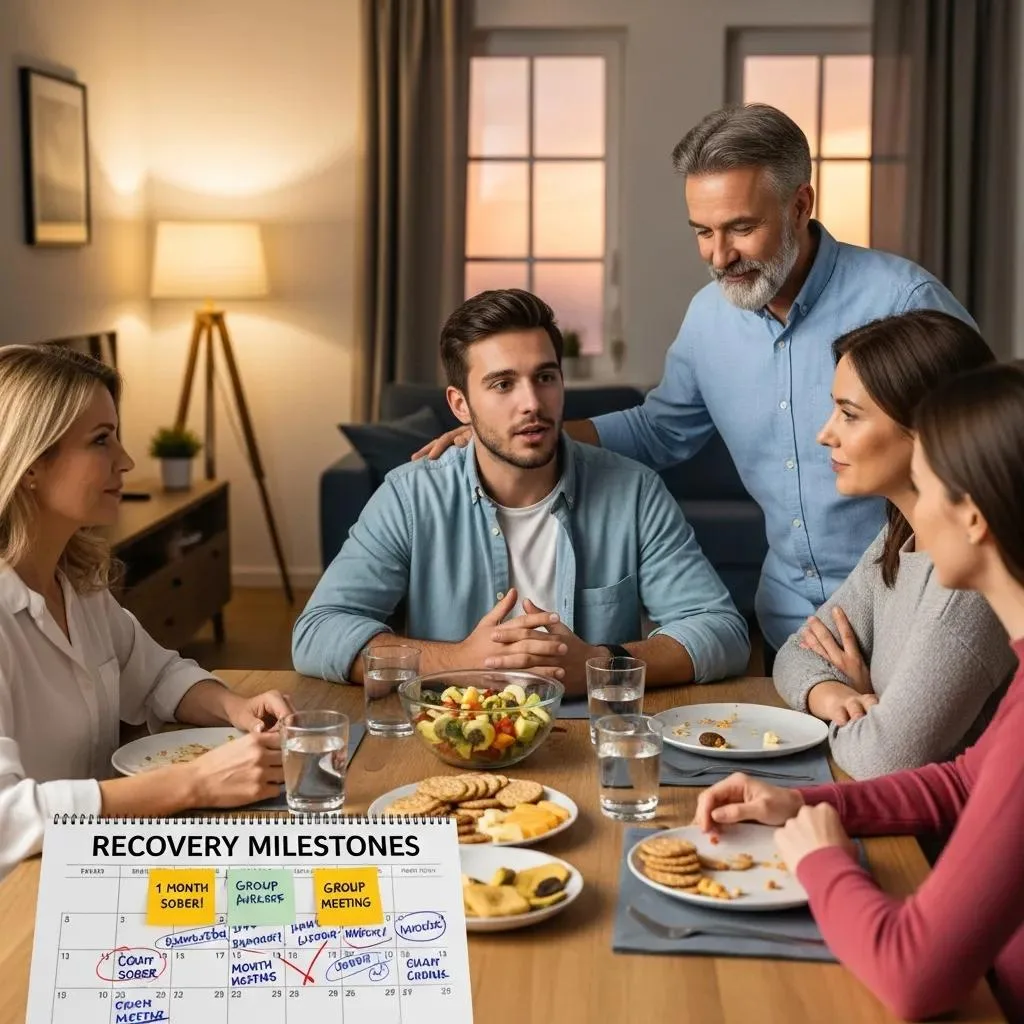
Families support sustained sobriety by learning about relapse risks, establishing clear boundaries, and facilitating access to aftercare services—actions that reduce enabling behaviors and increase constructive accountability. Education equips family members to recognize early warning signs and respond with supportive, not punitive, interventions. Practical steps include helping arrange transportation to appointments, monitoring medication adherence, and participating in family therapy or psychoeducation to shift interactions that may unintentionally maintain substance use. The following quick steps provide an actionable family-focused checklist for immediate application.
Practical family support steps:
- Educate: Learn common relapse triggers and signs of escalating risk to respond early.
- Set Boundaries: Establish clear, consistent rules about housing, finances, and responsibilities.
- Facilitate Care: Help schedule and attend appointments, support group meetings, and follow-ups.
What Are Effective Family Counseling and Education Approaches?
Effective family approaches—such as CRAFT-style motivation enhancement and family-systems therapy—focus on improving communication, reducing enabling behaviors, and increasing family-based contingencies that support recovery. Psychoeducation sessions teach family members about the neurobiology of addiction, relapse prevention strategies, and how to reinforce positive behaviors without rescuing. Family therapy sessions typically include goal-setting, role clarification, and problem-solving exercises that reassign responsibilities and rebuild trust. Referrals and intake pathways usually connect families to these services early in discharge planning to maximize engagement and long-term benefit.
These therapeutic approaches prepare families to sustain supportive routines, which the next section’s checklist helps operationalize in daily life.
How Can Family Members Help Build a Strong Recovery Support Network?
Family members build a recovery network by coordinating with clinicians, connecting loved ones to peer groups and sober housing when needed, and by modeling stable routines around sleep, meals, and responsibilities. Practical checklist items include helping locate local meetings, offering transportation, participating in scheduled family therapy, and maintaining consistent communication about progress and setbacks. Family members should also know when to involve professional crisis services—if there is danger to self or others—or when to lean on peer support networks for sustained involvement. Small, consistent supportive actions produce measurable improvements in engagement and reduce relapse likelihood.
This pragmatic checklist highlights how families can convert intentions into daily practices that support long-term recovery.
What Practical Sobriety Maintenance Tips and Long-Term Recovery Strategies Should Individuals Follow?
Long-term sobriety requires a blend of planned relapse prevention, stable lifestyle habits, ongoing therapy, and community engagement; these strategies collectively reduce vulnerability to stressors and build a purposeful, recovery-oriented life. Key pillars include developing a written relapse prevention plan, maintaining regular therapy or peer support, prioritizing physical health (sleep, nutrition, exercise), and creating routines that replace substance-centered activities. The section below outlines how to construct a personalized relapse prevention plan and offers lifestyle recommendations that support sustained recovery.
- List Warning Signs: Identify thoughts, feelings, and situations that typically precede cravings.
- Specify Coping Skills: Assign immediate actions (breathing, call a sponsor, leave the situation).
- Create an Emergency Contact List: Include clinicians, peer coaches, and trusted friends.
- Schedule Check-Ins: Set recurring therapy or peer-support appointments and daily recovery tasks.
This plan forms the backbone of daily sobriety maintenance and the next subsection explains how to create and rehearse it effectively.
How Can Developing a Personalized Relapse Prevention Plan Enhance Recovery?
A personalized relapse prevention plan enhances recovery by transforming abstract risk into concrete, rehearsed responses that can be activated under stress; the plan’s elements include warning signs, coping hierarchies, contacts, and environmental changes. Developing the plan involves a stepwise process: assess personal triggers, list preferred coping strategies, designate specific emergency contacts, and identify safe places to go if risk escalates. Practicing the plan in low-stress situations—through role-plays or simulations—builds procedural memory so actions feel automatic when cravings occur. Regular review and adjustment with a clinician or coach ensure the plan evolves with changing circumstances and maintains relevance.
Practiced and reviewed plans increase confidence and reduce the time between craving onset and effective coping, thereby lowering relapse probability.
What Lifestyle Changes Support Physical, Mental, and Spiritual Wellness?
Sustained sobriety relies on lifestyle changes that bolster physiological stability, emotional regulation, and meaning-making—factors known to reduce relapse vulnerability and enhance quality of life. Prioritize sleep hygiene, regular moderate exercise, balanced nutrition, and stress-management practices like daily mindfulness or brief yoga sessions to stabilize mood and reduce impulsive responses. Engage in purposeful activities—employment, volunteering, education—that restore identity and social role while reducing idle time that can lead to high-risk situations. Spiritual or values-based practices, whether formal faith traditions or secular reflection, can provide meaning and resilience during setbacks.
Small, consistent routines—30 minutes of activity daily, fixed sleep/wake times, and weekly social commitments—compound over time to create a recovery-supportive lifestyle that complements formal aftercare.
For those ready to take practical next steps toward sustained recovery, consider these low-pressure options: call a local treatment navigator, request an intake assessment, or ask about step-down services and housing supports. BetterChoice Treatment Center helps people in Nevada find treatment options quickly and provides clear guidance on medical detox and inpatient rehab transitions, personalized treatment planning, a multidisciplinary care team, 24/7 clinical support, and optional holistic therapies such as yoga and acupuncture. The center is located in Las Vegas, Nevada, and emphasizes confidential care with accreditations that include the Joint Commission Gold Seal of Approval and LegitScript recognition, which support trust in clinical processes and referrals for ongoing aftercare.
If immediate assistance is needed, the center can be reached by phone at (725) 299-4777 to discuss intake steps, insurance verification, and mapped referrals to outpatient or community supports that align with a personalized relapse prevention plan.