
Luxury Addiction Rehab & Wellness: A Practical Guide to Holistic Recovery Programs in Nevada
Spa and wellness offerings—when combined with medical care—help people in addiction treatment feel physically safer, sleep better, and lower stress, all of which support lasting recovery in Nevada programs. This guide walks through how relaxation therapies, spa modalities, and integrative wellness amenities complement medical detox and inpatient care to address withdrawal symptoms, emotional instability, and relapse triggers. You’ll learn the physiological reasons these therapies work, the typical amenities available in luxury programs, how services are safely integrated with evidence-based treatment, and what families should ask when comparing holistic options. We map common therapies—massage, acupuncture, yoga, sound baths, and nutrition—to stages of care and realistic timelines for benefit, and we reference recent clinical reasoning and studies that explain why accredited Nevada programs increasingly include these services.
How Do Spa Services Enhance Addiction Recovery Outcomes?
Spa services support recovery by calming the body’s stress response, improving sleep patterns, and helping people regulate emotion—changes that are measurable and clinically meaningful. Relaxation therapies reduce stress hormones like cortisol, increase parasympathetic activity, and can improve heart-rate variability, all of which lower reactivity to cues and strengthen relapse resilience. Clinical reviews show that interventions that improve sleep and stress recovery boost engagement in therapy and adherence to medication in early recovery. Knowing these mechanisms helps explain why spa modalities appear in integrated treatment plans and how they translate into everyday improvements for patients in detox and inpatient settings.
Quick reference: core mechanisms and expected outcomes
- Reduced physiological stress: relaxation lowers cortisol and sympathetic arousal, decreasing sensitivity to triggers.
- Improved sleep: better sleep supports thinking, learning, and emotional control.
- Enhanced engagement: physical comfort and less pain increase willingness to participate in therapy.
Those broad mechanisms lead to specific clinical benefits—reduced anxiety and better pain control—which we explore in the sections that follow, including practical expectations for sessions.
What Are the Key Benefits of Relaxation Therapy for Addiction?
Relaxation therapy helps by lowering anxiety, improving sleep, and reducing the body’s reactive response to substance-related cues. Practices like guided breathing, progressive muscle relaxation, and mindfulness reduce physiological stress markers and give people reliable tools for managing cravings. Clinical reviews suggest structured relaxation programs can ease relapse-related anxiety and improve quality of life during the first 90 days of recovery. Patients who adopt consistent relaxation routines typically report fewer nights of insomnia and more emotional steadiness—changes that make it easier to engage in CBT, group work, and peer support.
In clinical settings these gains free staff to focus on skill-building rather than constant symptom control. The next section looks at a hands-on modality—massage—and how it supports detox and pain management under medical supervision.
How Does Massage Therapy Support Detoxification and Pain Management?
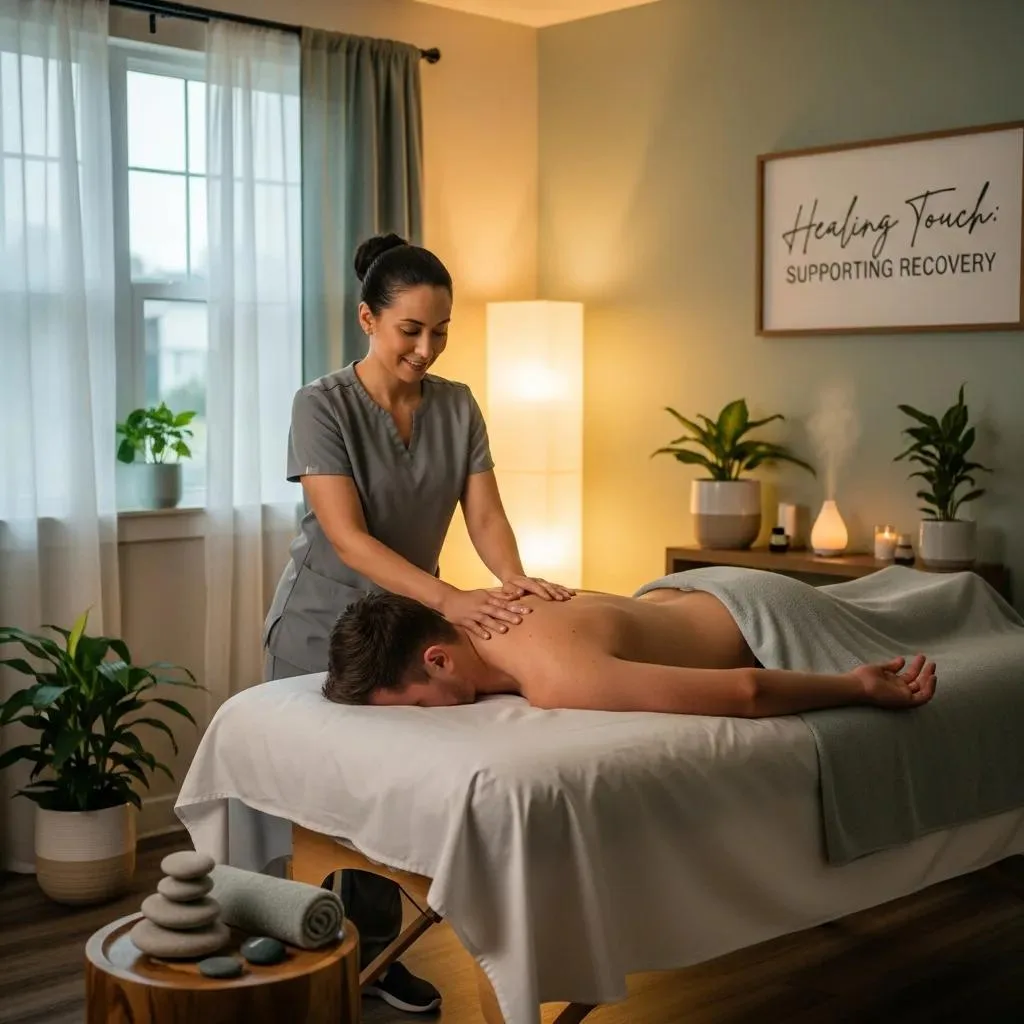
Massage supports detox and pain management by improving circulation, aiding lymphatic flow, and releasing muscle tension that often accompanies withdrawal and early sobriety. Targeted soft-tissue work can increase venous return and stimulate the lymphatic system, helping the body clear metabolic byproducts while easing discomfort. Typical sessions in treatment centers include a brief medical screen, light-to-moderate pressure adapted for withdrawal sensitivity, and coordination with nursing when patients are on medications. Safety precautions include avoiding deep pressure when a patient is medically unstable and ensuring therapists know about co-occurring conditions.
When massage is delivered with medical oversight and used alongside detox protocols, patients commonly report less body pain and better sleep. Those improvements can reduce PRN medication use and increase tolerance for therapeutic activities—linking physical comfort to emotional readiness for the broader suite of amenities offered by luxury programs.
Which Holistic Wellness Amenities Are Offered in Luxury Addiction Treatment Centers?
Luxury treatment centers typically pair clinical care with a menu of wellness services—spa treatments, yoga and meditation, acupuncture, sound baths, and nutrition counseling—to address recovery needs such as stress, sleep disruption, pain, and emotional regulation. Programs usually balance group classes and private sessions, with scheduling that preserves clinical oversight and patient safety. Knowing typical session frequency and intended outcomes helps families and patients choose amenities that match recovery goals.
Common amenities and a one-line description of their clinical purpose:
- Spa treatments: Deep relaxation and pain relief that support sleep and therapy participation.
- Yoga and meditation: Build mindfulness and reduce impulsive reactions linked to relapse.
- Acupuncture: Used for withdrawal discomfort and anxiety reduction through auricular and point protocols.
- Sound baths: Promote emotional regulation and reduce rumination via sensory entrainment.
- Nutrition counseling: Replenishes deficits and supports neurotransmitter recovery for mood stability.
- Private treatment rooms and gourmet recovery meals: Offer privacy, comfort, and nourishing food that support restoration.
These services are often delivered within an integrated program model. For example, some Nevada centers provide resort-style access to these amenities alongside accredited clinical care. BetterChoice Treatment Center in Las Vegas integrates spa offerings—like massage and sound baths—with medical detox and inpatient services, and maintains accreditation from recognized bodies. The center also accepts major insurance plans, which can affect access and planning for families exploring integrated options.
Comparison of common amenities by session purpose, typical frequency, and recovery benefit:
This side-by-side view clarifies how centers commonly schedule complementary care and what patients can expect when arranging therapies. The following sections take a closer look at acupuncture and yoga, including common protocols and measurable outcomes.
How Is Acupuncture Used to Support Detox and Stress Reduction?
In addiction care, acupuncture frequently uses ear-based (auricular) protocols and selected body points aimed at calming the autonomic nervous system, easing anxiety, and reducing mild withdrawal symptoms. Sessions are typically brief, focused, and performed by credentialed practitioners working under medical supervision. Evidence suggests auricular acupuncture can lessen perceived withdrawal discomfort and lower anxiety for some patients, but it’s most effective as an adjunct to medication and counseling—not a standalone treatment. Practitioners also screen for bleeding risks, medication interactions, and needle sensitivity to keep care safe during medically supervised detox.
When acupuncture is coordinated with nursing and psychiatric input, patients often report reduced cravings and better sleep the night after treatment—effects that can support early participation in therapeutic groups. The next section describes how yoga and meditation build sustained mindfulness skills that help prevent relapse.
What Role Does Yoga and Meditation Play in Mindfulness and Stress Relief?

Yoga and meditation teach breath control, gentle movement, and focused attention—skills that calm physiology, reduce stress reactivity, and improve coping with cravings. Typical clinic formats include restorative yoga, breath-focused practices, and short guided meditations tailored for early recovery where comfort and safety are priorities. Research shows consistent mindfulness practice reduces relapse risk factors—like impulsivity and stress-triggered craving—with measurable benefits after several weeks. Instructor training and session frequency matter; programs that combine brief daily practices with a longer weekly class see stronger gains in mood and self-regulation.
Pairing yoga with clinical counseling helps patients translate on-mat skills into everyday relapse-prevention tools, linking body-based regulation with cognitive strategies for long-term coping. The next section explains how wellness services are coordinated with clinical detox and inpatient care.
How Are Spa and Wellness Services Integrated with Medical Detox and Inpatient Rehab?
Integration follows a coordinated workflow: clinical intake, medical stabilization, then gradual layering of complementary therapies as the person tolerates them. The priority is medical safety—stabilizing vitals, managing withdrawal severity, and addressing medication needs—before introducing modalities such as massage, acupuncture, or yoga under nursing and medical oversight. Multi-disciplinary teams meet regularly to update care plans and schedule wellness sessions around medication times and clinical appointments. This process emphasizes safety, outcome monitoring, and documentation so therapy plans adjust in real time.
A clear stepwise process helps families and care teams set realistic expectations for timing and sequencing.
- Intake and screening: medical evaluation, psychiatric assessment, and wellness preferences documented.
- Stabilization: medical detox and symptom control; low-intensity wellness services begin as tolerated.
- Integration: full schedule of therapies added with documentation and team coordination.
- Aftercare planning: wellness practices transitioned into outpatient routines and community supports.
These steps reflect common workflows at established programs and show how wellness modalities are introduced safely. For example, BetterChoice Treatment Center pairs medical detox and inpatient rehab with complementary therapies in coordinated care plans; families may call to ask about intake or visit the facility to discuss options in person.
Mapping therapies to integration points and typical patient experience:
This mapping clarifies when each therapy is usually introduced and what patients can expect—helping clinicians and families coordinate care. The next section describes how resort-style amenities support engagement and retention.
What Is the Process of Combining Holistic Therapies with Evidence-Based Treatments?
Combining holistic therapies with evidence-based care uses a multidisciplinary protocol: comprehensive assessment, team-based planning, monitored delivery of complementary services, and outcome-driven adjustments. The assessment documents medical history, substance use, and current symptoms; the care team then builds an individualized plan that specifies how wellness services will support CBT, DBT, medication-assisted treatment, or other clinical work. Monitoring tools—symptom scales, sleep tracking, and progress notes—inform adjustments when a patient shows intolerance or clinical changes. Clear documentation supports continuity across shifts and into aftercare.
This structure ensures complementary therapies add measurable value without competing with core medical priorities, and it gives families transparent expectations about sequencing and safety checks. The next section looks at how the healing environment and resort-style delivery affect outcomes.
How Do Resort-Style Amenities Enhance the Healing Environment?
Resort-style amenities improve the therapeutic setting by lowering environmental stress, increasing privacy, and encouraging restorative routines that support participation and retention. Comfortable private rooms, nutrient-focused meals, and calm communal spaces reduce baseline stress and create opportunities for reflection and practice. Research on therapeutic milieus shows patients in quiet, private, well-designed settings attend more groups and have lower premature discharge rates. Practical examples include meal scheduling that supports circadian rhythms, private therapy rooms for trauma-informed work, and quiet spaces for daily mindfulness.
When environment and clinical care align, people engage more fully with treatment plans—boosting short-term stabilization and long-term adherence to aftercare. The next section examines nutritional and emotional supports that work alongside these environmental benefits.
These features show how physical design supports clinical goals and everyday recovery habits. The next major section focuses on nutrition and emotional wellness.
What Nutritional and Emotional Wellness Supports Complement Addiction Recovery?
Nutritional and emotional supports address biochemical deficits, stabilize mood, and teach regulation skills that reduce relapse risk. Nutrition work focuses on correcting electrolyte imbalances, replenishing vitamins commonly depleted by substance use, and building meal plans that support sleep and neurotransmitter balance. Emotional supports include individual and group therapy, sensory-based interventions, and structured psychoeducation that builds relapse-prevention skills. Together these approaches restore physical resilience and give people practical psychological tools for handling triggers.
Below is a comparison linking nutritional or emotional interventions to clinical benefits and likely timelines for improvement.
This table highlights how targeted nutrition and emotional modalities work together to restore balance and regulation. The following subsections describe nutritional guidance and sound baths in more detail.
How Does Nutritional Guidance Aid Physical Restoration in Rehab?
Nutritional guidance supports recovery by correcting common deficits in electrolytes, B vitamins, and protein that affect energy metabolism and neurotransmitter production. Dietitians assess labs and create meal plans that safely replenish nutrients, often producing noticeable gains in energy, sleep, and mood within several weeks of structured eating. Interventions might include increasing lean protein and complex carbohydrates to support serotonin production and scheduling meals to regularize blood sugar and circadian cues. Dietitians monitor progress and adjust plans to prevent refeeding issues and to meet co-occurring medical needs.
Restoring nutrition quickly helps patients feel more alert and less fatigued, which speeds engagement in therapy and supports learning during counseling sessions. The next subsection covers sound bath therapy as an emotional regulation tool.
What Are the Benefits of Sound Bath Therapy for Emotional Regulation?
Sound baths use sustained tones, gongs, and tuned instruments to guide the nervous system into a calmer state, lowering heart rate and sympathetic arousal while shifting attention away from worry. Sessions are usually passive—clients rest comfortably while a guided relaxation and soundscape run—though clinicians screen for trauma histories to avoid triggers. Many people report immediate reductions in anxiety and better sleep after sound sessions, and when combined with therapeutic work, sound baths can increase receptivity to emotional processing.
Because individual responses vary, clinicians add sound baths selectively and monitor for dissociation or over-arousal so the modality supports therapeutic goals rather than bypassing them. The next section addresses how families can support recovery by understanding wellness programs.
How Can Families Support Recovery Through Understanding Wellness Programs?
Families help most when they understand how wellness services fit into evidence-based care, ask clear questions about safety and integration, and support healthy routines after discharge. Knowing what each modality does, how often it’s provided, and how it complements medical treatment lets families set realistic expectations and advocate effectively. Ask about staff credentials, screening protocols, and how therapies are recorded in care plans to confirm proper oversight. An informed, supportive approach reduces anxiety and helps maintain healthy boundaries while encouraging consistent aftercare habits at home.
Practical ways families can help include learning relaxation techniques together, supporting regular sleep and meal routines, and joining educational sessions that explain the difference between adjunctive wellness services and core clinical treatments. The list below offers actionable steps families can take.
- Educate Yourself: Learn which modalities are proven adjuncts and which are experimental.
- Ask About Safety: Confirm screening, credentialing, and coordination with medical staff.
- Encourage Routine: Support regular sleep, balanced nutrition, and daily mindfulness after discharge.
- Respect Privacy: Follow visitation policies and honor therapeutic boundaries during care.
These steps help families partner effectively in recovery and reduce misunderstandings about what wellness services can—and cannot—achieve. The next sections expand on holistic approaches and their long-term effects.
What Should Families Know About Holistic Recovery Approaches?
Families should know that holistic approaches blend body-based and mind-based interventions with clinical care, operate under clinical oversight, and emphasize trauma-informed practice and informed consent. Key principles are safety, gradual introduction of modalities, and data-informed adjustments based on patient response. Ask specifics—how often therapies run, who delivers them, and how progress is measured—to ensure transparency and realistic expectations. That clarity helps families support balanced programs that combine symptom relief with skill-building for long-term recovery.
Framing holistic care as complementary to evidence-based treatment allows families to advocate for programs that deliver both immediate comfort and durable coping strategies. The next section links these approaches with sustained outcomes.
How Do Wellness Amenities Improve Long-Term Sobriety and Quality of Life?
Wellness amenities support long-term sobriety and quality of life by strengthening coping skills, reducing relapse triggers through better sleep and stress management, and improving physical health that underlies psychological resilience. Long-term trends show people who adopt regular mindfulness practices, maintain nutrition plans, and use somatic regulation techniques engage more in aftercare and report better social functioning. Early symptom relief—improved sleep and reduced pain—enables participation in skills-based therapies, which then consolidate into lasting habits that support relapse prevention.
When providers and families plan for sustained access to community wellness resources and teach maintenance skills during discharge, these amenities shift from short-term comforts to practical elements of a recovery lifestyle. For example, BetterChoice Treatment Center includes family education and community referrals to help patients continue wellness practices after inpatient care and offers families clear questions to ask during intake.
Frequently Asked Questions
What types of therapies are considered holistic in addiction recovery?
Holistic therapies treat the whole person alongside traditional medical care. Common examples include relaxation techniques (massage, guided breathing), acupuncture, mindfulness practices (yoga, meditation), sound-based therapies, and nutrition counseling. Each targets a different recovery need—stress reduction, emotional regulation, or physical restoration—and works best when paired with evidence-based medical and psychological treatments.
How can families assess the quality of a luxury addiction treatment center?
To evaluate a luxury center, check accreditation, staff credentials, and how services are integrated with clinical care. Ask how holistic therapies are coordinated with evidence-based treatments, what safety protocols exist, and what aftercare support is provided. Reading reviews, asking about outcomes reporting, and confirming insurance acceptance can also help families make an informed choice.
Are holistic therapies safe for all patients in recovery?
Safety depends on the individual. Holistic therapies can be very helpful, but they must be tailored to each person’s medical history and current condition. Qualified practitioners and clinical oversight are essential—especially during detox or when patients have co-occurring medical issues. A thorough assessment and ongoing communication with the treatment team are key to ensuring appropriate, safe care.
What role does nutrition play in addiction recovery?
Nutrition is foundational: it corrects biochemical imbalances that affect mood, energy, and cognition. Personalized meal plans and nutrient repletion help restore vitamins and minerals depleted during substance use, support neurotransmitter recovery, and stabilize blood sugar and sleep. Dietitians create plans that boost recovery, reduce irritability, and improve cognitive clarity—benefits that support therapy participation.
How do wellness amenities impact patient engagement in treatment?
Wellness amenities make the treatment environment more supportive and comfortable, which increases engagement. Private rooms, nourishing meals, and relaxing spa services lower stress and help patients participate in therapy. When patients feel physically and emotionally supported, they’re more likely to follow treatment plans and stay in care long enough to build recovery skills.
What should patients expect during their first week of holistic therapy?
The first week usually focuses on assessment and gentle introduction to modalities that match the person’s medical status and comfort. Expect screenings, brief relaxation sessions such as restorative yoga or guided breathing, and gradually added therapies as tolerated. The aim is to build safety and trust while stabilizing symptoms so patients can engage with deeper therapeutic work.
How can patients maintain the benefits of holistic therapies after treatment?
Maintaining benefits requires practice and planning: incorporate daily mindfulness or movement, keep to a balanced nutrition plan, and stay connected with community resources or outpatient programs. Regular routines—short daily practices, healthy meals, and follow-up with providers—help sustain coping skills. Ongoing support from clinicians and peer groups strengthens the transition back to everyday life.
Conclusion
When thoughtfully integrated with medical care, luxury spa and wellness services can meaningfully improve recovery by promoting relaxation, emotional balance, and physical comfort. These holistic approaches complement evidence-based treatment and create a more supportive environment that helps people engage and heal. Families and individuals exploring care should review accreditation, staff qualifications, and how wellness services are coordinated with clinical treatment to find the best fit. Contact BetterChoice Treatment Center to learn how our tailored programs combine medical oversight and holistic supports to help you or a loved one build lasting recovery.