Sound Bath Therapy for Addiction Recovery — Relaxation and Support at BetterChoice Treatment Center
Sound bath therapy uses resonant instruments and guided meditation to promote deep relaxation, help process emotions, and create a calm, receptive state that supports work in addiction recovery. This piece explains what sound baths are, how vibrational resonance and brainwave entrainment work, and why those effects matter for people managing withdrawal, anxiety, sleep problems, or past trauma. If you want practical guidance—what a session feels like, how sound therapy pairs with medical detox and inpatient or outpatient care, and how clinicians bring it into counseling and psychiatric plans—you’ll find clear, evidence-informed benefits, session logistics, contraindications, and step-by-step intake guidance designed for a clinical setting. We also outline common instruments and frequencies, summarize current research trends, and describe how BetterChoice Treatment Center in Las Vegas uses sound baths as one part of a multidisciplinary recovery plan. Read on for straightforward, actionable information to help you decide whether sound bath therapy is a right-fit complement to treatment.
What Is Sound Bath Therapy and How Does It Support Addiction Recovery?
Sound bath therapy is a gentle, non-invasive practice where tuned instruments create layered vibrations that guide brainwave patterns and encourage relaxation, stress relief, and emotional release. The process centers on vibrational resonance and guided breathing to help people shift into alpha and theta brain states—lowering physiological arousal and opening access to feelings and memories. For those in recovery, these shifts can reduce hypervigilance, improve sleep, and make psychotherapy more effective by softening defensive responses. The section below lists common instruments and explains how each one contributes to therapeutic effects.
What Instruments Are Used in Sound Bath Therapy?

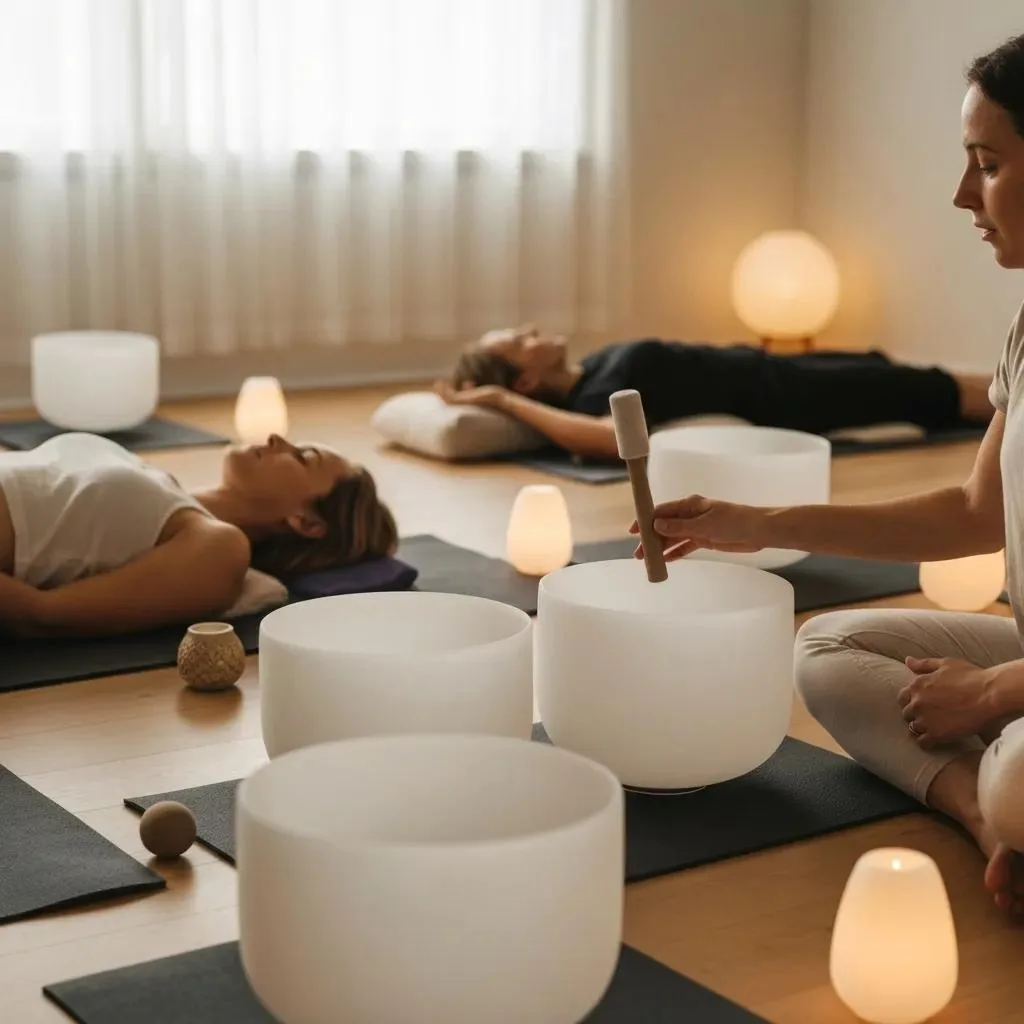
Practitioners typically combine gongs, metal and crystal singing bowls, tuning forks, and chimes to build a layered soundscape that targets different frequency bands and perceptual responses. Each instrument brings distinct overtones: gongs give wide-spectrum, low-to-mid tones that often trigger deep somatic release; metal singing bowls provide strong harmonics that support focused entrainment and grounding; crystal bowls produce higher sustained tones some clients experience as clarifying or gently stabilizing.
Below is a concise comparison of typical frequency roles and the therapeutic aims associated with each instrument.
This table shows why facilitators layer instruments: broad-spectrum sounds meet deeper, body-based needs while narrow-band tones help guide specific brain-state shifts. Knowing what each instrument does helps set expectations about session sensations and likely outcomes.
How Does Sound Bath Therapy Promote Relaxation and Emotional Healing?
Sound baths help relaxation by encouraging a shift from beta-dominant alertness into alpha and theta states, which can lower cortisol and sympathetic nervous system activity and support better sleep and emotional regulation. The mix of vibration, sustained tones, and guided breath creates a receptive internal environment where suppressed feelings can surface in a manageable way alongside psychotherapy. Recent research points to reductions in perceived stress and improvements in sleep after repeated sessions, although study designs and sample sizes vary. When sessions are offered within trauma-informed practice—emphasizing choice, pacing, and grounding—the risk of retraumatization is reduced and therapeutic benefit is maximized. The next section covers what to expect when preparing for a session.
What Are the Science-Based Benefits of Sound Bath Therapy in Addiction Recovery?
Sound bath therapy can support recovery through several evidence-aligned pathways: brainwave entrainment that encourages relaxation, neuroendocrine changes that lower stress hormones, and improved sleep that aids cognitive and emotional healing. A simple summary is: sound patterns → brainwave synchronization → reduced physiological arousal → increased readiness for therapy. While the research base is still growing, current studies and clinical observations report meaningful effects on stress, anxiety, and sleep—factors that matter for relapse prevention and treatment engagement.
Different sound bath benefits align with mechanisms and clinical outcomes relevant to recovery.
This comparison highlights that sound baths act through both physiological and psychological routes to support measurable outcomes used in recovery planning. With that context, the next subsections explain entrainment and the primary clinical benefits for stress, anxiety, and trauma.
How Does Brainwave Entrainment Enhance Recovery?
Brainwave entrainment happens when rhythmic external stimuli nudge neural oscillations toward synchronized alpha or theta patterns—states linked with relaxed attention and easier access to inner imagery and emotion. In recovery settings, entrainment can lower hypervigilance and anxiety, creating windows of reduced defensiveness that improve engagement in therapy and group work. Timing matters: scheduling sound baths before counseling or sleep-focused interventions can prime the nervous system for deeper processing. Clinically, short, repeated sessions are often used to build cumulative entrainment effects while staff monitor tolerance and stability.
What Are the Key Benefits for Stress, Anxiety, and Trauma Relief?
Sound baths lower stress and anxiety by engaging parasympathetic responses and reducing cortisol, which supports steadier mood and stronger coping during early recovery. For people with trauma histories, the practice can allow somatic release and emotional naming when framed with trauma-informed safeguards such as informed consent, pacing, and grounding techniques. These benefits help reduce relapse triggers tied to anxiety and sleep problems, but they work best as part of a coordinated plan that includes psychotherapy and medication management when needed. Clinicians should therefore treat sound baths as adjunctive tools—not standalone cures—and integrate them into broader care plans.
What Can You Expect During a Sound Bath Therapy Session at BetterChoice?
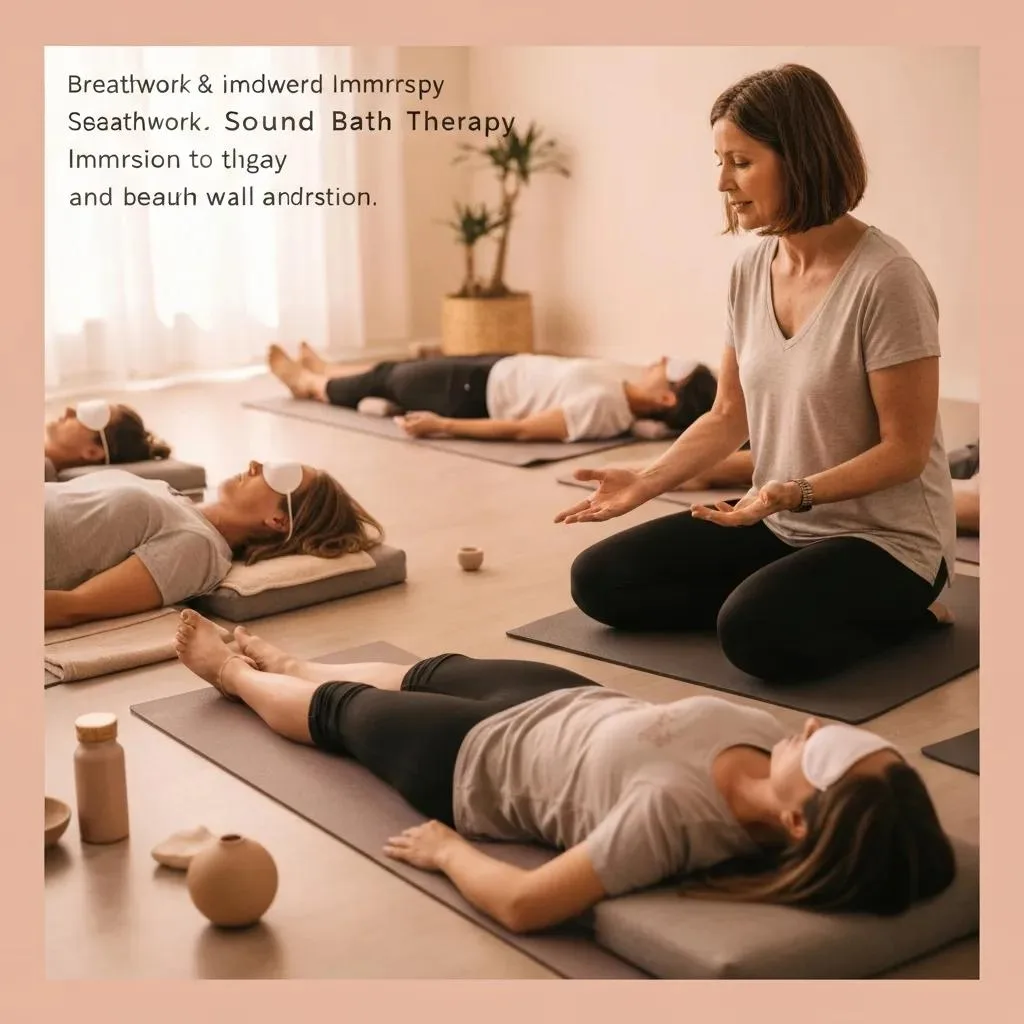
In a clinical setting, sound bath sessions include intake screening, a clear session structure, and post-session integration to protect physical safety and maximize therapeutic value. At intake, facilitators screen for medical instability, sensory sensitivities, and trauma triggers, and they explain group versus individual formats and session length. Sessions usually run 45–75 minutes: a brief breathwork and orientation, 20–40 minutes of immersive sound, and a gentle reorientation with optional processing. Below is a numbered overview of the typical intake and session steps you can expect in a treatment center.
- Pre-session screening: Facilitator asks about current medications, withdrawal symptoms, and trauma history.
- Preparation and choice: Clients receive guidance on positioning, supportive props, and optional eyes-open/closed preferences.
- Guided breathwork and grounding: Brief exercises set the nervous system baseline prior to sound immersion.
- Sound immersion: Layered instruments play while the facilitator monitors client responses and maintains safety.
- Post-session integration: Time for hydration, gentle movement, and optional short discussion with staff about sensations.
This step-by-step outline shows how clinical safeguards and structured flow create a safe, therapeutic experience. The sections below offer more detail on logistics and how to prepare personally.
How Is a Typical Sound Bath Session Structured?
A standard clinical session follows four phases: intake and consent (5–10 minutes), settling and breathwork (5–10 minutes), sound immersion (20–40 minutes), and closing/integration (5–15 minutes). Clients typically lie on mats or sit comfortably with eye coverings and blankets available; facilitators cue breathing and check in as needed to maintain grounding. Group sessions focus on shared experience and confidentiality, while individual sessions allow for tailored instrument choice and pacing. To prepare, wear comfortable, layered clothing, bring water, and avoid stimulants right before a session to help relaxation.
What Are the Immediate and Long-Term Effects After a Session?
Right after a sound bath, people often feel deeply relaxed, slightly lightheaded, emotionally released, or more sleepy—sensations that usually ease with grounding, movement, and hydration. With repeated sessions, many report cumulative gains like steadier sleep, lower baseline anxiety, and improved emotional regulation that supports therapy work. Clinically, better sleep and lower stress reduce relapse risk by improving coping and reducing physiological reactivity to triggers. Tracking both short-term reactions and long-term patterns helps clinicians set session frequency and integrate sound baths into each client’s care plan.
How Is Sound Bath Therapy Integrated into Comprehensive Addiction Treatment?
Sound bath therapy is most effective when intentionally integrated across treatment stages—supporting medical detox, enriching inpatient programs, and providing maintenance in outpatient and aftercare settings. In detox, sound baths can help with sleep and anxiety when medical staff confirm stability; in inpatient care, scheduled group baths complement therapy and provide regulated somatic work; in outpatient settings, periodic sessions support relapse prevention and stress management.
Below is a practical mapping of treatment stages to the role of sound bath therapy and recommended coordination steps.
This mapping underscores the need for clinical coordination—sound baths help recovery when scheduled and supervised by medical and behavioral health teams. The following subsection outlines detox and inpatient considerations and contraindications in more detail.
How Does Sound Bath Therapy Complement Medical Detox and Inpatient Rehab?
In medical detox, sound baths can reduce sympathetic arousal and support sleep, but they must be scheduled under medical supervision to avoid sessions during peak withdrawal or medical instability. In inpatient rehab, group baths teach regulation skills, normalize somatic awareness, and create structured chances to process emotions within a therapeutic community. Recommended frequencies vary by phase—short, monitored sessions in detox and regular weekly sessions during inpatient care—with ongoing communication between holistic facilitators and medical staff to manage contraindications and maintain safety. This coordinated approach keeps sound therapy an enhancement to clinical care rather than a complication.
How Does It Support Co-Occurring Mental Health Disorders?
For clients with co-occurring conditions—like anxiety, depression, or PTSD—sound baths can lower baseline arousal and make therapeutic material safer to access, especially when paired with evidence-based psychotherapy and medication management. The modality fits trauma-informed sequencing through pacing, informed consent, and grounding, and it often improves talk therapy by reducing avoidance and defensive arousal. Providers should screen, document, and refer to mental health professionals whenever sound bath sessions indicate needs beyond the modality’s scope, ensuring multidisciplinary, comprehensive care.
Why Choose BetterChoice Treatment Center for Sound Bath Therapy in Las Vegas?
BetterChoice Treatment Center offers sound bath therapy as part of a broader holistic therapies program in Las Vegas, Nevada, within a multidisciplinary addiction care model. We combine medical detox and inpatient services with complementary options—like yoga and acupuncture—to address both physical and psychosocial aspects of recovery. BetterChoice emphasizes a calm, confidential, medically supervised environment with coordinated care among physicians, therapists, and holistic practitioners. Below are a few features patients and families can expect when evaluating treatment options.
- Multidisciplinary Coordination: Medical and holistic teams plan sessions together to ensure safety and clinical relevance.
- Holistic Therapy Options: Sound baths are offered alongside yoga and acupuncture to support comprehensive healing.
- Confidential, Supportive Environment: We prioritize privacy, family involvement, and trauma-informed care practices.
These features illustrate how sound bath therapy sits inside an organized clinical program. The next subsection explains what distinguishes BetterChoice’s approach.
What Makes BetterChoice’s Holistic Approach Unique?
BetterChoice blends medical oversight with structured holistic offerings so sound bath therapy is embedded in each patient’s overall care plan rather than standing alone. Regular team meetings ensure facilitators coordinate with physicians and therapists—aligning session timing with medications and counseling goals. Complementary therapies like yoga and acupuncture add somatic and stress-reduction pathways, creating multiple touchpoints for regulation and recovery. This coordinated scheduling and documentation supports continuity of care for clients and families looking for a single, integrated treatment pathway.
How Do Accreditations and Certifications Ensure Quality Care?
BetterChoice participates in oversight and accreditation frameworks that strengthen clinical standards, data protection, and patient safety. Affiliations such as Nevada’s Health Workforce, LegitScript certification, and the Joint Commission Gold Seal of Approval indicate adherence to regulatory, ethical, and clinical-quality benchmarks. For patients and families, these accreditations mean structured clinical oversight, clear confidentiality policies, and external review of safety procedures—helping set realistic expectations about the regulated care environment and quality assurance in integrative treatment programs.
What Are Common Questions About Sound Bath Therapy in Addiction Recovery?
Patients and families commonly ask whether sound baths are evidence-based and who is a good candidate. Clear, balanced answers help set realistic expectations about benefits and limits. The short Q&A entries below offer evidence-aligned guidance and practical next steps for people considering this therapy as part of recovery planning. We emphasize that sound baths are adjunctive and should be coordinated with medical and behavioral health care.
Is Sound Bath Therapy an Evidence-Based Treatment for Addiction?
Sound bath therapy has supportive evidence for reducing stress, improving sleep, and influencing brainwave activity—but it is not a stand-alone, evidence-based cure for substance use disorders. Instead, it complements established treatments like medical detox, psychotherapy, and medication-assisted care. Recent studies and clinical reports show physiological signs of relaxation and improved subjective sleep and anxiety outcomes, though randomized controlled trials specifically measuring addiction outcomes are limited. Clinicians therefore use sound baths to enhance readiness for therapy and support relapse prevention as part of a comprehensive plan.
Who Can Benefit Most from Sound Bath Therapy?
People who tend to benefit include those with anxiety, sleep disturbances, or somatic symptoms of trauma who are medically stable and actively engaged in broader addiction care. Individuals with acute medical instability or severe withdrawal should wait until stabilized under medical supervision. Benefits are strongest when sessions are paired with psychotherapy, psychiatric care, and clinical monitoring. Providers should screen for suitability and adjust session frequency to individual tolerance so sound baths support—not replace—core clinical interventions.
Frequently Asked Questions
Can sound bath therapy be used for children or adolescents in recovery?
Yes. When tailored to developmental needs and emotional maturity, sound baths can help younger clients manage anxiety, improve emotional regulation, and relax. Sessions should be led by facilitators trained to work with youth, in a safe, supportive setting. Parental consent and involvement often enhance the therapeutic value.
How often should someone participate in sound bath therapy for optimal benefits?
Frequency depends on individual needs and treatment goals. Early in recovery, 2–3 sessions per week may help manage anxiety and sleep; as recovery progresses, weekly or biweekly sessions can maintain benefits. Regular participation builds cumulative effects, but schedules should be adjusted based on each person’s response and clinician guidance.
Are there any contraindications for sound bath therapy?
Yes. People with severe psychiatric instability, acute medical issues, or strong sensory sensitivities may need to avoid sound baths or attend only under close supervision. Those with certain medical devices (for example, pacemakers) should check with their provider before participating. Thorough pre-session screening helps ensure each participant’s safety and appropriateness.
What should participants wear or bring to a sound bath session?
Wear comfortable, layered clothing to adjust for temperature; bring a water bottle and any comfort items like a blanket, pillow, or eye mask. Avoid stimulants and heavy meals right before a session to make deep relaxation easier.
How does sound bath therapy differ from traditional meditation practices?
While both aim to reduce stress and build mindfulness, sound baths center on resonant sound as the primary tool. Instruments create an auditory environment that helps entrain brainwaves and deepen relaxation—often making emotional material more accessible than in silent meditation. Many people use both practices together for complementary benefits.
Can sound bath therapy be integrated with other holistic therapies?
Absolutely. Sound baths pair well with yoga, acupuncture, and mindfulness practices to address physical, emotional, and spiritual aspects of recovery. For example, combining sound baths with yoga can deepen relaxation and body awareness, while acupuncture can aid stress reduction. Coordinated therapies offer a layered support system during recovery.
Conclusion
Sound bath therapy can be a practical, evidence-informed way to support emotional healing and relaxation during addiction recovery. When integrated into a comprehensive treatment plan, clients often see better sleep, reduced anxiety, and improved emotional regulation—outcomes that strengthen engagement in recovery. As a complementary modality, sound baths enhance traditional therapies and offer another pathway to resilience. Learn how sound bath therapy might fit into your recovery plan at BetterChoice Treatment Center in Las Vegas.