Sound Baths: Healing, Calm, and Support for Addiction Recovery at BetterChoice Treatment Center — Las Vegas
Sound bath therapy uses resonant instruments and guided listening to encourage deep relaxation, safer emotional processing, and greater openness to other recovery supports. In addiction treatment, this mind–body approach helps lower stress, improve sleep, and steady emotions — all of which can reduce intense cravings and make therapy work more effective. This page covers what a sound bath is, the instruments and formats you may encounter, and the physiological ideas behind the effects (for example, brainwave entrainment and parasympathetic activation). You’ll also find a clear summary of clinical benefits, what to expect in a session, how BetterChoice integrates sound baths into care, and practical guidance for families supporting someone in recovery.
What is Sound Bath Therapy and How Does It Support Addiction Recovery?
Sound bath therapy is an immersive, noninvasive practice where sustained tones and harmonic textures guide listeners into calmer, more reflective states. These sounds can support emotional processing and help the body move out of a chronic “on edge” state by encouraging brainwave patterns associated with relaxation. For people in recovery, that lowered arousal often means less anxiety-driven craving and a clearer window for learning relapse-prevention skills. Sessions can be individual or group-based and are offered with trauma-sensitive pacing so each person stays safe and in control. Below is a brief instrument guide to help you recognize common tools used in sound baths.
Which instruments are used in sound bath therapy sessions?
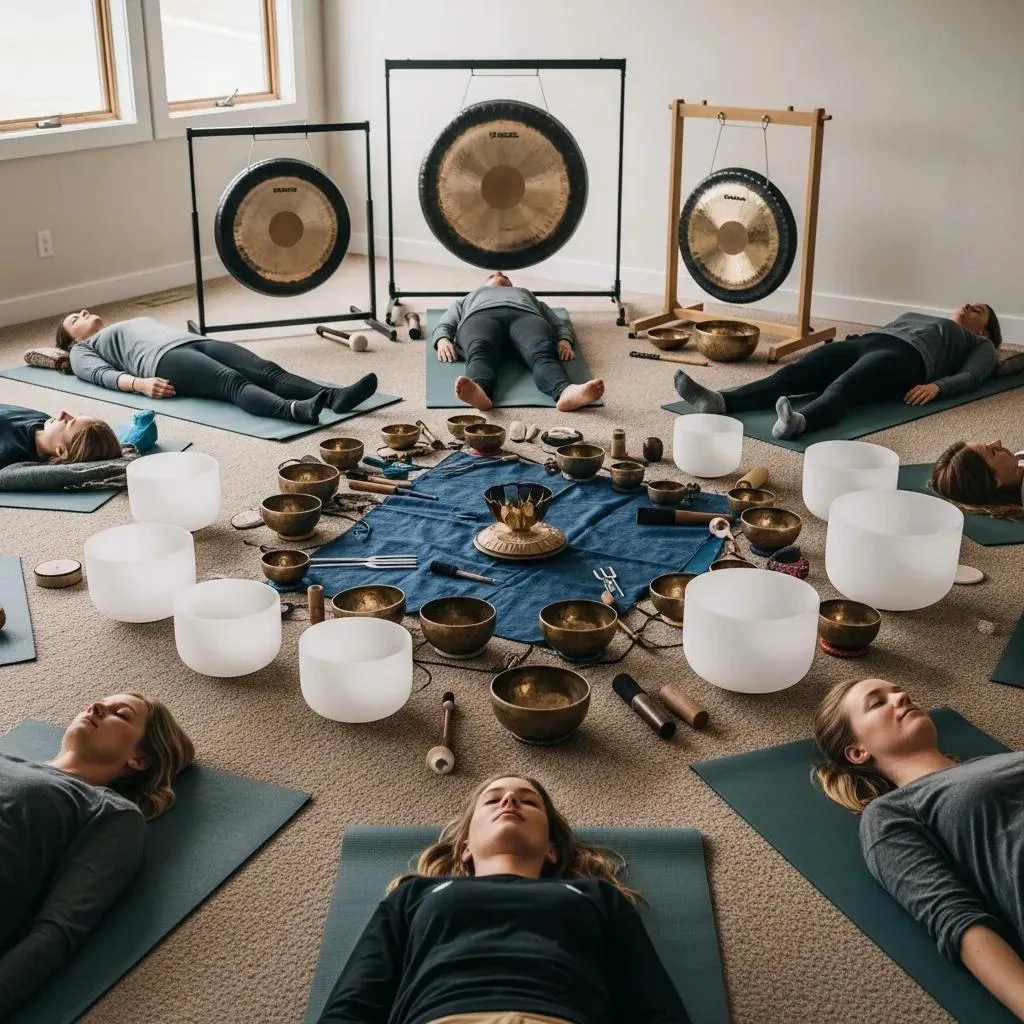
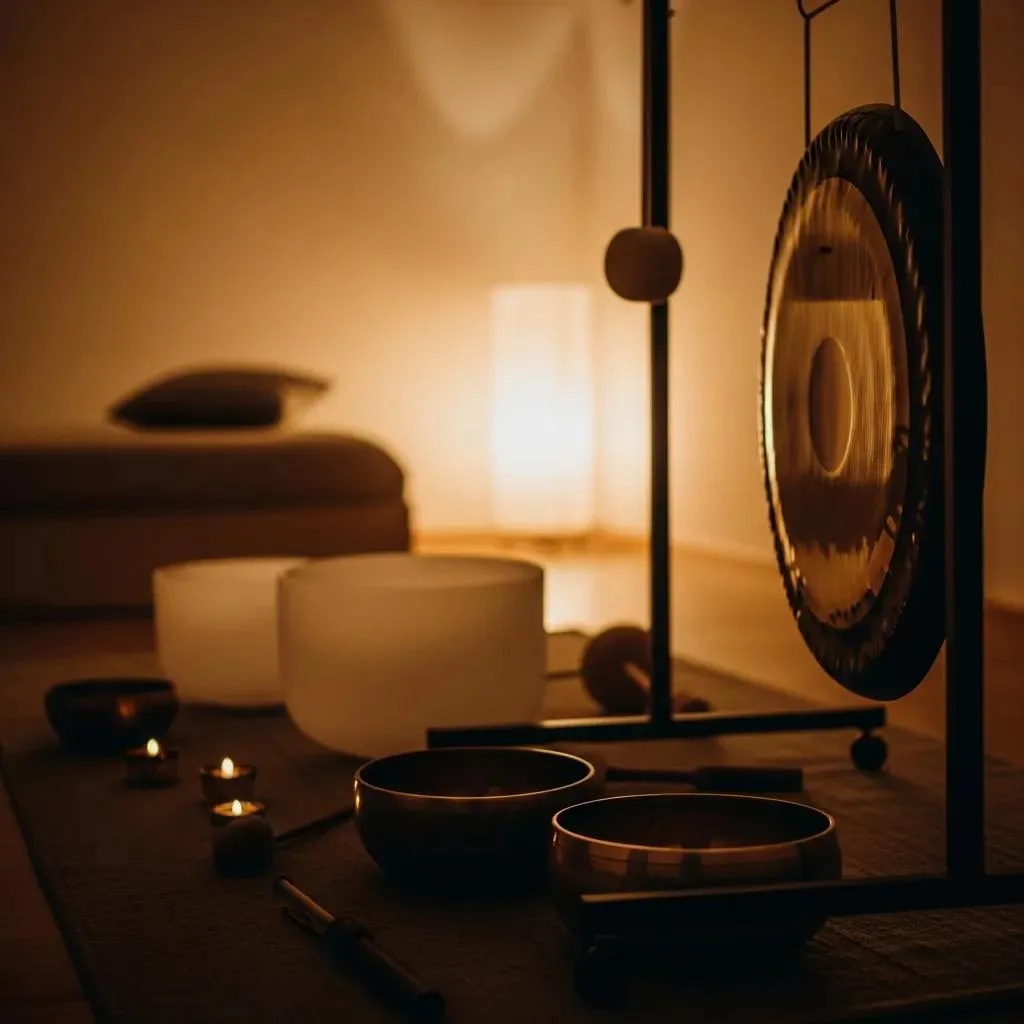
You’ll commonly see crystal singing bowls, metal gongs, chimes, and tuning forks. Each produces a different timbre and frequency that can shape the session experience. Crystal bowls make clear, sustained tones that create a spacious, meditative feel. Gongs offer broad, layered vibrations that people often feel in the body and that can support deep release. Tuning forks and chimes provide focused, higher-frequency notes useful for short resets or transitions. Practitioners often combine instruments with guided breathing or gentle vocal toning and tailor choices to group size, clinical goals, and comfort.
- Instrument selection shapes session pacing and therapeutic aim.
- Practitioners balance sustained sounds (bowls, gongs) with punctuated tones (chimes, tuning forks).
- Sessions can be tailored as group or individual experiences based on need.
Those choices lead naturally into the physiological principles that explain why sound baths can support relaxation and recovery.
What Scientific Principles Underlie Sound Healing for Relaxation and Recovery?
Sound healing appears to work through several connected physiological pathways: brainwave entrainment, modulation of the autonomic nervous system, and changes in hormones and neurotransmitters that affect stress and reward. Repetitive, resonant sounds can nudge brain activity toward alpha and theta ranges — states linked with relaxed focus and receptivity to therapy. At the same time, activating the parasympathetic nervous system can lower heart rate and reduce cortisol, creating a biological environment that supports sleep and emotional balance. Emerging studies and clinical reports show short-term reductions in stress markers and anxiety after guided sound sessions, which suggests practical usefulness for people in recovery. The list below highlights the core mechanisms.
- Brainwave entrainment: guiding EEG patterns toward alpha/theta for calmer, meditative states.
- Parasympathetic activation: increasing vagal tone and reducing physiological stress responses.
- Neurochemical effects: helping balance dopamine and lower cortisol to support emotional regulation.
Understanding these mechanisms helps clarify how sound baths can influence brainwaves, stress hormones, and mood systems.
How do sound vibrations influence brainwaves and stress hormones?
Repetitive sound input can synchronize neural activity so larger brain networks shift into alpha (8–12 Hz) and theta (4–8 Hz) ranges — patterns associated with relaxed awareness and mental imagery. That entrainment can ease transitions out of the hypervigilant, high-arousal states common in early recovery. In parallel, guided relaxation and resonant tones promote parasympathetic dominance, which is linked to lower cortisol levels — a hormone tied to stress and craving. Research shows that group sound sessions can reduce self-reported stress and, in some studies, measurable cortisol levels, creating a physiological window that makes therapeutic learning and craving reduction more likely.
What role does dopamine release play in emotional healing during sound baths?
Dopamine helps regulate reward, motivation, and positive mood. Pleasant, calming experiences during sound baths can trigger modest dopamine responses that lift mood without activating compulsive reward-seeking. For people recovering from substance use, this kind of regulated reward signaling supports rebuilding healthy motivation and interest in everyday activities. When sound is combined with mindful attention, it provides a gentle way to re-engage reward circuits through calming experiences rather than through stimulation.
That balanced dopamine response can reduce anhedonia and support relearning non-substance sources of pleasure — a helpful factor for long-term recovery resilience.
The neurochemical and autonomic effects above translate into measurable and practical benefits described next.
What Are the Key Benefits of Sound Bath Therapy in Addiction Recovery?

Sound bath therapy supports several recovery goals: lowering stress and anxiety, improving sleep, aiding trauma-sensitive emotional processing, and reducing acute cravings via physiological downregulation. Both research summaries and patient reports consistently show short-term anxiety reductions and improved sleep after guided sound sessions. The table below compares selected effects and practical outcomes so clinicians, patients, and families can quickly see where sound baths fit into care.
Different benefits are relevant at various recovery stages.
This side-by-side view clarifies practical targets for adding sound baths to a holistic care plan and leads into how the therapy reduces stress and cravings in real time.
How does sound bath therapy reduce stress, anxiety, and cravings?
Sound baths help shift the body out of fight-or-flight patterns by engaging parasympathetic pathways and lowering physiological arousal — the same bodily signals that often drive cravings. When physical tension eases, anxiety declines and people have more mental bandwidth for deliberate coping and reflection. Many patients report feeling noticeably calmer after sessions and better able to use skills learned in counseling. Clinically, sound baths are best used as an adjunct — a tool that creates brief, useful windows when patients are more receptive to behavioral work. Examples of measurable changes include improved heart rate variability and calmer responses during exposure-based therapies, both of which support craving management and relapse prevention.
These stress- and craving-related benefits also support trauma-informed care and sleep improvements, discussed next.
In what ways does sound healing aid trauma recovery and improve sleep quality?
Sound healing can support trauma recovery by providing predictable, controllable sensory input and a slow, gentle pace that lets participants approach difficult emotions safely. Trauma-informed delivery emphasizes choice, grounding techniques, and the ability to modulate intensity so sounds facilitate — not overwhelm — emotional work. For sleep, reductions in nighttime arousal and improvements in heart rate variability often translate into faster sleep onset and more consolidated rest, which are essential for cognitive and emotional recovery. In practice, clinicians pair sound baths with grounding and stabilization skills so improved sleep becomes a tool that helps sustain therapy engagement and mood stability.
These benefits create clear opportunities to include sound baths at specific stages of care, which we map out below.
How is Sound Bath Therapy Integrated into BetterChoice Treatment Programs?
At BetterChoice, sound baths are a complementary, nonpharmacologic service that supports detox stabilization, inpatient programming, outpatient continuity, and individual counseling. Our clinical and medical teams coordinate sessions so they’re safe and personalized — intake screens identify contraindications and help time sessions around medication or monitoring needs. The table below shows common program phases and how sound baths typically fit within each phase of a multi-disciplinary plan.
Program mapping helps clinicians, patients, and families understand timing and purpose.
This mapping clarifies expectations and leads into the individualized approaches BetterChoice uses to combine sound baths with medical care.
What personalized approaches does BetterChoice use to combine sound baths with medical treatments?
We use individualized assessments to match sound bath delivery to each person’s medical status, therapeutic goals, and trauma history. During intake we screen for contraindications — such as seizure risk or unstable psychiatric symptoms — and coordinate with medical staff to schedule sessions around medication changes or monitoring. Nursing and counseling teams communicate about timing, participant readiness, and post-session check-ins so care stays safe and continuous. Personalization also includes adjusting session intensity, group size, and grounding protocols so each patient receives a trauma-informed, medically appropriate experience that complements other treatments.
How sessions are delivered depends in part on the facility environment described next.
How does the serene environment at BetterChoice enhance sound bath therapy effectiveness?
A quiet, controlled room with comfortable seating or mats, soft lighting, and privacy supports the relaxation and safety that sound work requires. A calming environment reduces interruptions and helps people sustain inward focus, enabling deeper shifts toward parasympathetic balance. Predictable room layouts, comfortable furnishings, and clear arrival procedures reduce anticipatory stress and make participants more willing to engage — especially those with trauma histories. Practitioners also orient guests before each session so people know what to expect and feel grounded throughout the experience.
With program integration and environment in place, the next section explains what to expect during a session and how to contact the center.
What Can Patients Expect During a Sound Bath Therapy Session at BetterChoice?
Sessions follow a clear, paced structure: a brief orientation, a guided listening phase with resonant instruments, and a short grounding and reflection period to help integrate the experience. We design sessions to limit surprises and include pre‑session screening, comfortable positioning on a mat or recliner, a sound phase that typically lasts 30–60 minutes for individual work or 60–90 minutes for groups, and a debrief with staff. Safety and privacy are priorities: participants are encouraged to share needs, and clinicians watch for distress or medical concerns. For scheduling or program questions, call (725) 299-4777 or visit our Las Vegas location at 198 Ebb Tide Cir, Las Vegas, NV 89123.
The numbered flow below summarizes a typical session for quick reference.
- Arrival & Intake: Short screening and orientation to format and safety options.
- Preparation: Settle into a comfortable position and receive grounding guidance.
- Sound Phase: Guided playing of instruments while participants maintain mindful awareness.
- Transition: Gradual return to wakefulness with softer tones and breathwork.
- Debrief & Aftercare: Brief check‑in with staff to reflect and plan follow‑up supports.
This stepwise flow sets expectations and leads into practical tips and safety notes below.
What is the typical flow and duration of a sound bath session?
Individual sessions commonly run 30–60 minutes; group bowl or gong baths typically last 60–90 minutes. Allow extra time for check‑in and reflection. Wear loose, comfortable clothing and consider bringing a light blanket or pillow for comfort. Avoid heavy meals right before the session to minimize discomfort. After a session, a short period of quiet reflection, journaling, or hydration can support integration. Always tell staff about sensory sensitivities or medical concerns during intake so the practitioner can adjust volume, distance, or instrumentation.
Those timeframes and tips lead into safety and privacy considerations that keep sessions clinically appropriate.
Are there any safety or privacy considerations during sound bath therapy?
We screen for conditions such as photosensitive epilepsy, unstable psychiatric symptoms, or acute medical issues that may require adapted formats or medical supervision — so please share relevant history at intake. Practitioners use trauma‑informed consent, give participants the option to leave early, and pace sessions to avoid overwhelm. The facility offers private or semi‑private spaces and clinician‑led debriefs, and confidentiality follows standard clinical protections. If you have medical questions, discuss them with our clinical staff before attending so we can tailor sessions safely.
The next section explains how families can support participation and extend benefits at home.
How Does Sound Bath Therapy Support Families and Foster Holistic Healing?
Sound bath therapy can give families practical, nonjudgmental tools for stress reduction and shared grounding practices that improve household emotional regulation. When relatives learn simple listening and grounding skills, they can help create consistent, calming routines that support a loved one’s recovery. BetterChoice offers family resources and can guide relatives on how to listen, ask supportive questions, and join designated family sessions when appropriate. The guidance we provide helps family members avoid pressure and instead reinforce stability, safety, and continuity after sessions.
Below are simple, practical steps families can take to support someone using sound bath therapy.
- Listen and Validate: Offer nonjudgmental space for post‑session reflections without pressing for details.
- Encourage Routine: Help maintain sleep, hydration, and medication routines that support session benefits.
- Learn Grounding Tools: Practice short breathing or relaxation exercises to share calming strategies at home.
Those household practices build stability and lead to broader community and relational benefits described next.
How can family members understand and support loved ones using sound bath therapy?
Family members can be most helpful by asking open‑ended questions about the experience, offering practical support for post‑session routines, and honoring the person’s need for private reflection. Avoid making the therapy the only topic of recovery conversations; treat it as one complementary tool alongside counseling, medical care, and daily coping strategies. When available, attend family education sessions to learn supportive language and healthy boundaries. Asking the care team about pacing, contraindications, and follow‑up resources will clarify expectations and improve your support.
This supportive approach connects to the household benefits described next.
What role does sound healing play in promoting family stability and emotional wellness?
Sound healing can reduce shared household stress and introduce simple group practices — like brief breathing sessions or evening grounding rituals — that improve communication and co‑regulation. These nonclinical practices don’t replace therapy but complement it by creating calmer home environments that lower relapse triggers. Families who adopt short, predictable calming routines often report smoother transitions in stressful moments and better collective sleep. When combined with ongoing clinical care and 24/7 support from the treatment team, these household practices contribute to lasting emotional wellness and a more supportive recovery environment.
If you’re ready to learn more, the next table summarizes practical next steps for families and patients.
This table summarizes practical next steps for families and patients who want to include sound baths in a broader recovery plan.
- Plan a low‑pressure inquiry: Call the treatment team for screening information without obligation.
- Attend an orientation: Learn session formats, safety guidelines, and how families can support aftercare.
- Integrate gradually: Begin with low‑intensity sessions and increase frequency as comfort and need grow.
These simple steps help families and patients access sound bath therapy as a meaningful complement to comprehensive recovery supports.
Frequently Asked Questions
What should I wear to a sound bath therapy session?
Wear loose, comfortable clothing that lets you relax. Many people bring a lightweight blanket or pillow for extra comfort. Avoid heavy meals right before the session to reduce physical discomfort. The goal is a calm, distraction‑free setting where you can focus on the sounds and your internal experience.
Can sound bath therapy be used alongside traditional therapies?
Yes. Sound baths are designed to complement therapies such as cognitive‑behavioral therapy (CBT) and counseling. By helping lower stress and stabilize emotion, sound work can make people more receptive to psychotherapy. BetterChoice integrates sound baths into holistic care plans so patients benefit from both clinical and supportive practices.
How often should someone attend sound bath therapy sessions for optimal benefits?
Frequency depends on individual needs and treatment goals. Many people find weekly or biweekly sessions helpful for maintaining relaxation and emotional processing. In more challenging periods, more frequent sessions may be useful. Discuss scheduling with your therapist or treatment team to find the best rhythm for your recovery.
Are there any contraindications for participating in sound bath therapy?
Yes. People with conditions such as photosensitive epilepsy, uncontrolled psychiatric symptoms, or acute medical issues should disclose these at intake so we can assess safety and adapt the format. Always consult your healthcare provider or our clinical team if you have concerns about how sound baths may affect your specific health needs.
What can I do to prepare for my first sound bath therapy session?
Arrive a little early for check‑in and orientation. Wear comfortable clothes and bring a blanket or pillow if you like. Setting a simple intention — for example, to relax or to be curious — can help focus your experience. Let the facilitator know about any medical or sensory concerns so they can adapt the session for your comfort.
How can families participate in sound bath therapy together?
Families can join designated family sessions offered by treatment centers like BetterChoice. These shared experiences build connection and teach calming practices relatives can use at home. Families can also learn grounding techniques and short breathing exercises to support recovery routines and reinforce a calm household environment.
What are the long-term benefits of sound bath therapy for addiction recovery?
Longer‑term benefits can include improved emotional regulation, reduced baseline anxiety, and stronger coping skills. Regular participation may increase self‑awareness and resilience, making it easier to manage cravings and stress. Sound baths can also deepen engagement with mindfulness and relaxation practices that support sustained recovery and a more balanced, substance‑free life.
Conclusion
Sound bath therapy is a gentle, holistic tool that complements clinical care by promoting relaxation, emotional processing, and stress reduction. When integrated thoughtfully into treatment plans, sound healing can support better sleep, lower cravings, and greater readiness for therapeutic work. Families play an important role by learning supportive routines and grounding skills that extend these benefits at home. To learn how sound bath therapy can fit into your recovery plan, contact BetterChoice Treatment Center and our team will help you explore options.