
Sober Living Homes & Resources in Las Vegas: A Practical Guide to Post‑Rehab Support and Recovery
Sober living homes and recovery residences offer a structured, substance‑free place to transition from inpatient care back into daily life. This guide breaks down what sober living looks like, how these homes help prevent relapse, the kinds of residences you’ll find in Las Vegas, and practical steps to find the right placement after detox or residential rehab. Many people leave clinical treatment medically stable but face challenges rebuilding routines, managing triggers, and keeping support networks active. Sober living bridges that gap with peer accountability, predictable daily structure, and connections to outpatient care. Below you’ll find clear definitions, the concrete benefits of transitional housing, a simple comparison of local house types, how inpatient detox and rehab prepare you for this step, plus a checklist and questions to use when vetting homes in Las Vegas. We include actionable tips and local resource guidance to help you choose a recovery residence that fits your stage of recovery and real‑world needs.
What Are Sober Living Homes and Recovery Residences in Las Vegas?
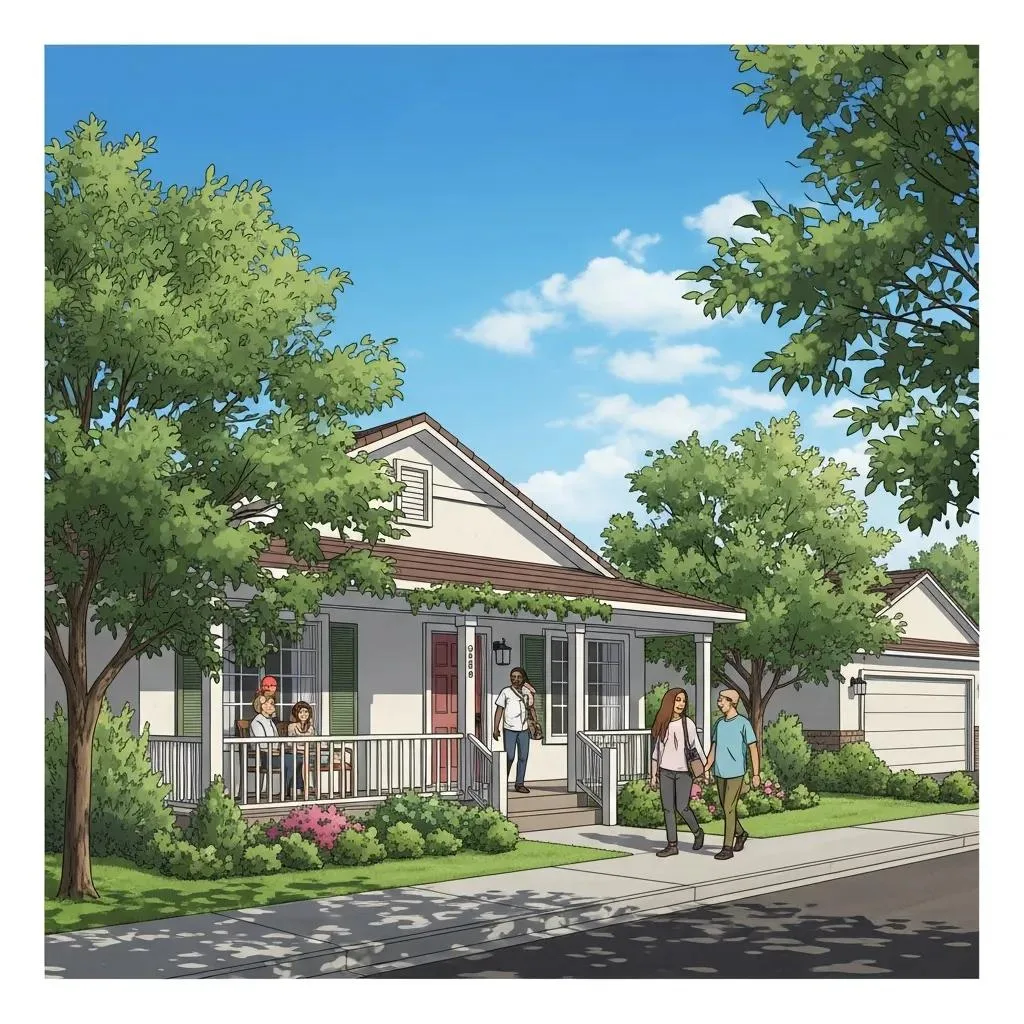
Sober living homes—also called recovery residences—are communal, drug‑ and alcohol‑free houses that combine structure, peer support, and accountability for people in early and mid‑stage recovery. They rely on house rules, shared responsibilities, and connections to outside supports like meetings and outpatient care to create a safer transition than returning immediately to an unsupervised setting. In Las Vegas you’ll find a wide range: low‑cost, lightly structured homes up to higher‑end residences with more services and amenities. The goal is consistent: limit exposure to relapse triggers while helping residents build the daily skills needed for independent living. Below are the core features to watch for when comparing local options.
Sober living homes commonly include:
- A strictly drug‑ and alcohol‑free environment with clear consequences for use.
- Peer accountability through house meetings, shared chores, and curfews.
- Connections to community resources and outpatient treatment as needed.
These elements create predictable routines and positive peer norms that support recovery. Next, we’ll look at how that support works day to day.
How Do Sober Living Homes Support Addiction Recovery?

Sober living supports recovery by replacing chaotic patterns with predictable, recovery‑focused routines and social reinforcement. Residents follow schedules—morning check‑ins, chores, curfews, and required attendance at mutual‑help meetings or outpatient appointments—that build healthy habits. Peer mentorship and shared responsibility offer day‑to‑day encouragement, while periodic drug testing and enforcement policies provide external accountability that strengthens motivation. A typical week might include daily chores, several house meetings, a couple of community meetings or therapy sessions, and coordinated job‑search or vocational activities. Those routines help people regain work and life stability and make the move from clinical care to independent living more sustainable over time.
What Is the Difference Between Sober Living Homes and Halfway Houses?
Sober living homes are usually voluntary, peer‑driven residences focused on gradual reintegration, while halfway houses often involve higher levels of supervision and can be court‑ordered or tied to formal programs. Sober living is commonly run by private operators and paid for by residents or third parties, with rules set by the house owner or manager. Halfway houses may be funded or overseen by government or criminal‑justice agencies and include mandated reporting, specified lengths of stay, and stricter supervision. When choosing housing in Las Vegas, confirm whether a residence is voluntary, the level of oversight, and whether program participation is optional or required—those differences affect personal autonomy and long‑term planning.
What Are the Benefits of Sober Living After Inpatient Rehab?
Sober living after inpatient rehab acts as a practical bridge: it preserves clinical gains while helping residents rebuild daily skills, lower relapse risk, and strengthen sober supports. The environment supplies structure, accountability, and gradual exposure to everyday responsibilities—each linked to better outcomes like higher treatment engagement, improved employment prospects, and fewer early relapses. Evidence and best‑practice guidance emphasize that steady social support plus routine reduces triggers and supports longer‑term recovery. The list below summarizes the main benefits to help you decide whether transitional housing fits your discharge plan.
Sober living typically provides four core advantages:
- Continuity of care and lower relapse risk through ongoing accountability and treatment linkages.
- Practical life skills—job searching, budgeting, time management—practiced in a supportive setting.
- Stronger social integration and sober networks that replace high‑risk relationships.
- A staged move to independence that allows clinicians to assess readiness for unsupervised living.
To make these benefits concrete, the table below links each outcome to how homes deliver it and an example result.
How sober living benefits translate into everyday practices.
This mapping shows how everyday house practices lead to measurable recovery gains and points toward the relapse‑prevention strategies that follow.
How Does Sober Living Prevent Relapse and Promote Lasting Recovery?
Sober living reduces relapse risk by removing easy access to substances, reinforcing sober behavior through peer norms, and keeping residents connected to counseling and mutual‑help groups. Houses encourage consistent therapy or meeting attendance, regular routines that lower boredom and stress, and monitoring (agreements and testing) that discourages use. Clinically, combining social support with structured daily activities lowers exposure to high‑risk situations and builds coping skills for cravings and stress. Practical examples include role‑playing refusal skills during house meetings or using a relapse‑prevention plan with a house mentor—small routines that translate clinical learning into everyday habits that support long‑term recovery.
What Life Skills and Peer Support Are Offered in Recovery Residences?

Recovery residences emphasize hands‑on life skills and peer‑led supports that speed readiness for independent living. Common offerings include help with resume writing and job applications, transportation planning, budgeting workshops, meal prep, and time‑management routines to support returning to work or school. Peer supports often mean assigned sponsors or mentors, regular house meetings to practice communication and conflict resolution, and sober social activities that replace past high‑risk patterns. These services produce immediate practical results—like a polished resume or a transit plan—and personal gains such as higher self‑confidence and a stronger sober identity, all of which make the transition to independent housing more likely to succeed.
What Types of Sober Living Homes Are Available in Las Vegas?
Las Vegas offers a wide selection of sober living options that vary by structure, supervision level, and amenities—from gender‑specific homes focused on safety to semi‑structured or upscale residences that add convenience. Knowing the categories helps you match a house to your recovery stage: early recovery often needs higher accountability, while people later in recovery may prefer semi‑structured or independent sober housing. The compact table below compares major sober living types by rules and typical daily routines so you can quickly see which class of residence fits your needs.
A quick comparison clarifies structure and daily expectations.
Use this table to weigh supervision, cost, and daily expectations as you consider which option best matches your recovery goals.
What Are Gender‑Specific and Structured Sober Living Options?
Gender‑specific homes create a safer, tailored environment where residents share similar experiences—useful for people with trauma histories or gender‑related needs. Structured residences enforce clearer rules—curfews, mandatory house meetings, supervised intake, and routine drug testing—designed for those in early recovery who need higher accountability. Gender‑specific houses often combine peer support with trauma‑informed practices and may connect residents to gender‑focused counseling. Choosing between gender‑specific and co‑ed structured options depends on safety needs, comfort in mixed settings, and how much accountability you require during early recovery.
How Do Recovery Residences Vary by Amenities and Support Services?
Amenities and support services affect both cost and recovery value. Some homes offer shared rooms and community kitchens, while others provide private rooms, transportation, and hands‑on job placement help. Services that most influence recovery outcomes include on‑site or linked counseling, employment assistance, transport to treatment and work, and coordination with outpatient providers for medications. Higher‑amenity residences can reduce logistical barriers to work and care but cost more, whereas basic houses focus on peer support and affordability. Clarify your priorities—immediate affordability and peer immersion versus access to structured services—so you can choose a residence that fits both recovery needs and daily life.
How Does BetterChoice Treatment Center Prepare You for Sober Living?
BetterChoice Treatment Center offers medical detox and inpatient rehab in Nevada using evidence‑based care and multidisciplinary teams that stabilize withdrawal and begin the work of recovery. Clinical stabilization—medical management of withdrawal, psychiatric evaluation for co‑occurring disorders, and early therapy—creates the medical and behavioral readiness many recovery residences require. BetterChoice emphasizes integrated care for co‑occurring issues and provides 24/7 clinical support during inpatient stays, which helps ensure smoother transfers to sober living by documenting medical clearance and outlining aftercare plans. The inpatient team—including MDs, therapists, and nurses—coordinates discharge planning and referrals under clinical and medical leadership.
BetterChoice’s discharge process follows practical steps to prepare clients for placement in sober living. Case managers develop individualized aftercare plans, confirm medical clearances, and compile documentation recovery residences often request—treatment summaries and proof of participation in therapy, for example. Staff link clients to outpatient programs, schedule follow‑up appointments, and provide housing referrals when appropriate. This coordinated discharge planning helps clients leave inpatient care with the paperwork and treatment connections that improve the chances of a successful transition to transitional housing.
What Role Does Inpatient Rehab Play in the Continuum of Care?
Inpatient rehab provides medical stabilization, focused therapy, and a structured setting to treat substance use and co‑occurring mental health conditions. Patients receive medication management when needed, daily individual and group therapy, family work, and skills training that address triggers and coping strategies. This intensive period reduces immediate risk, teaches relapse‑prevention techniques, and helps clinicians evaluate readiness for less supervised housing based on engagement, insight, and functional stability. When inpatient care is paired with strong aftercare planning, the continuum of care becomes a clear path from stabilization to supported reintegration—improving long‑term outcomes.
How Does Medical Detox and Rehab Equip You for Transitional Living?
Medical detox stabilizes the body by safely managing withdrawal and providing documentation that community housing often requires. Rehab builds behavioral and psychosocial readiness through therapy and life‑skill practice. Common entry criteria for many recovery residences include medical clearance, psychiatric stability, and active participation in treatment—milestones inpatient programs document to ease placement. Rehab teams also help create relapse‑prevention plans, rehearse sober living routines during discharge planning, and connect clients with outpatient clinicians who continue care after transition. These steps give recovery residences the clinical and practical assurances they need to accept a new resident and help the move to transitional housing feel planned and supported rather than abrupt.
How Can You Find the Right Sober Living Home in Las Vegas?
Start your search with a clear strategy: verify the operator or house reputation, confirm written house rules and safety measures, and weigh location, transportation, and cost against your recovery goals. Use a checklist to prioritize what matters most—level of structure, proximity to work or treatment, gender‑specific options, and available supports—then call or visit homes with focused questions. Below is a step‑by‑step checklist and sample questions to use on an initial phone call or site visit.
Begin with this practical search checklist:
- Confirm the operator and request written house rules and occupancy limits.
- Ask about required participation (meetings, testing) and average length of stay.
- Check safety features: secure entry, smoke detectors, and emergency plans.
- Evaluate location in relation to employment, treatment, and public transit.
This checklist narrows options and leads to the vetting questions you should ask during calls or visits.
When you contact or tour a house, ask these key questions:
- What are the house rules on substances, overnight visitors, and curfew?
- How is accountability enforced (testing, meetings, sanctions)?
- What support services are available or linked (therapy referrals, job help)?
- What are the fees, payment methods, and any required deposits?
These questions reveal whether a residence’s culture, structure, and practical supports match your recovery stage and daily needs, and they make cost and location trade‑offs easier to compare.
What Resources and Questions Should You Use When Searching for Recovery Residences?
Use local directories and community resources—Nevada 211, NARR (recovery residence standards), and clinician referrals—to narrow options and get objective details about operators and house types. Ask for written materials—house rules, admission criteria, and a resident handbook—before committing, and prioritize an in‑person visit to assess culture and safety. On first contact request a walk‑through, references from current or recent residents when available, and clear explanations of fees and refund policies. Collecting written documentation and firsthand impressions helps you evaluate a residence beyond marketing language and sets realistic expectations for your stay.
How Do Cost, Location, and House Rules Affect Your Choice?
Cost, location, and house rules each create trade‑offs. Lower‑priced homes often expect residents to take on more responsibility for transportation and services, while higher‑cost residences may include transport, meals, or job support that remove daily barriers. Location affects access to work, treatment appointments, and recovery meetings—living far from services can make it harder to keep commitments. House rules determine fit with your recovery stage: stricter rules benefit those needing high accountability; looser rules suit residents who have already demonstrated stability. Clarify your finances, treatment needs, and readiness for independence so you can pick a residence aligned with both recovery goals and everyday logistics.
What Are Common Questions About Sober Living Homes in Las Vegas?
Common questions center on length of stay, insurance, safety, privacy, and how to evaluate a home’s rules. Clear ranges and practical verification steps can help you discuss options with residences or referral sources like a treatment center.
How Long Should You Stay in a Sober Living Home?
Stays typically range from about three months to a year, depending on personal goals, work or school demands, and clinical advice. Early recovery often benefits from three to six months in a structured setting to build routines and sober connections; others stay longer to solidify employment, housing, and supports. Decisions to extend usually depend on treatment engagement and progress toward goals—common transition markers include consistent negative tests, steady employment, and regular therapy attendance. Work with your case manager or sponsor to set measurable goals that guide the right timeline for you.
Does Insurance Cover Sober Living in Nevada?
Insurance rarely pays for non‑clinical housing itself, but many plans cover medical detox, inpatient rehab, and clinical services connected to a residence. Coverage varies by plan and by whether services are billed through a clinical provider. When checking benefits, ask your insurer about inpatient care, outpatient therapy, medication management, and whether any housing‑related clinical services can be billed under behavioral‑health benefits. A practical verification checklist includes noting policy names, getting written confirmations of covered services, and requesting prior authorization for clinical services tied to your stay. If you need help navigating benefits or paperwork for placement, ask a treatment provider or case manager to assist.
For personalized planning or referral help in Las Vegas, BetterChoice Treatment Center can coordinate discharge planning and discuss placement options; call (725) 299-4777 or visit their Las Vegas office at 198 Ebb Tide Cir to request guidance and referrals. Their intake and case management teams can explain how inpatient stabilization and aftercare planning support successful transitions into recovery residences and help verify the documentation houses may require.
How Long Should You Stay in a Sober Living Home? (Transition Note)
If you need extra help matching a residence to your recovery stage, request an intake assessment that outlines goals, a projected timeline, and benchmarks for moving to less structured housing; that assessment becomes the roadmap for both you and the residence.
Frequently Asked Questions
What should I look for when choosing a sober living home?
Look for clear house rules, a reputable operator, and supports that match your needs. Ask for written rules and a resident handbook, check the location against your work or treatment plans, and learn the average length of stay and required participation (meetings, testing). Visiting potential homes helps you judge the culture and whether it feels like a safe, supportive fit for your recovery goals.
Are there specific sober living homes for women or men?
Yes. Many Las Vegas homes are gender‑specific, offering environments tailored to challenges commonly experienced by women or men in recovery. These houses may offer targeted support groups and trauma‑informed care, which can improve comfort and safety for residents who prefer a single‑gender setting.
How do sober living homes handle emergencies or crises?
Most sober living homes have protocols for emergencies—medical issues, substance use incidents, or resident conflicts—including reporting procedures and steps to get help. Ask about emergency plans, staff response procedures, and how the house links with local medical or crisis services when you tour a residence.
Can I work while living in a sober living home?
Yes. Many residents work while living in sober homes—employment helps build independence and routine. Homes usually support job searches and can accommodate work schedules, but be sure to discuss your hours with the house manager so you can meet both work and house responsibilities.
What happens if I relapse while living in a sober living home?
Responses vary by house policy. Some residences require a resident to leave after a relapse; others follow a structured plan for addressing the event, which may include re‑engagement in treatment. Ask about relapse policies up front and what support is offered to residents who struggle—knowing the plan helps you prepare and stay accountable.
How can family members support someone in sober living?
Family support matters. Maintain open communication, participate in family therapy when offered, and encourage sober activities. Learning about recovery and understanding realistic expectations can help family members provide consistent, constructive support that reinforces the resident’s progress.
What are the typical costs associated with sober living homes?
Costs vary by house, amenities, and services. Expect monthly rent that may include utilities and some services; some homes require a security deposit or upfront fee. Clarify all costs, payment methods, and refund policies before moving in, and factor housing costs into your overall recovery budget.
Conclusion
Choosing the right sober living home in Las Vegas can strengthen your recovery by offering routine, accountability, and peer support as you move from inpatient care to independent living. These residences help you build life skills and sober networks while providing a safer, stepwise path back to everyday life. Take your time comparing options, use the resources and checklists above, and reach out for help when you need it. Explore our listings of sober living homes to find a placement that fits your recovery goals and practical needs.