
Simple Relaxation Exercises for Addiction Recovery: Practical Techniques to Manage Stress and Protect Your Sobriety
Stress and cravings often stand between you and lasting recovery. Simple relaxation exercises can lower physical arousal, help you name and manage emotions, and reduce the chance of relapse. This guide walks through easy, practical practices—deep breathing, mindfulness, progressive muscle relaxation (PMR), gentle yoga, and journaling—with step-by-step instructions you can use in the moment or as part of a daily routine. You’ll learn why stress management matters for relapse prevention, how each technique affects the body and mind, and which practices match common recovery triggers. We also explain how facility-based holistic therapies can support your at-home work and what to expect from an organized program model. Sections cover: why stress management matters, quick scripts for the most effective techniques, somatic practices like PMR and restorative yoga, journaling approaches, how BetterChoice Treatment Center integrates holistic care, and practical tips to keep relaxation practices going. Keywords like relaxation techniques, deep breathing recovery, mindfulness for cravings, and stress reduction for relapse prevention are woven throughout as actionable guidance.
Why Stress Management Matters in Addiction Recovery
Learning to manage stress is a core recovery skill: it reduces bodily reactivity, breaks the chain that leads to cravings, and makes sober choices easier. When stress activates the HPA axis and ramps up the nervous system, it strengthens the same brain pathways that drive substance use and impulsive decisions. Reducing stress weakens those pathways and helps restore clearer thinking. Better stress management also supports sleep, steadier moods, and emotional regulation—all factors that lower relapse risk and help you get more from counseling and treatment. Below is a practical comparison of common relaxation methods to help you pick techniques based on how they work, how long to practice, and what benefits to expect.
Stress Management Techniques for Addiction: A Systematic Review
This review notes that addictions frequently begin as a way to cope with high stress. Stress-management approaches show promise for improving mental health and may ease addictive symptoms, though evidence about their direct impact on stress levels in people with addictive behaviors is still emerging.
The effect of stress management techniques on persons with addictive behaviors: a systematic review, M Louvardi, 2021
This comparison makes it easier to see which practices give fast craving relief and which build longer-term resilience. Next, we map common stress triggers to concrete coping actions you can use right away.
How Stress Raises Relapse Risk
Stress affects recovery through both body and mind. Physiologically, it raises cortisol and sympathetic arousal, which makes reward circuits more sensitive and substance cues harder to ignore. Psychologically, stress narrows focus, increases impulsivity, and reduces working memory—so choosing a planned coping response becomes harder. A common sequence looks like: social conflict → rumination → anxiety → craving → higher risk of impulsive use. Spotting that chain early and interrupting it with breathing, grounding, or calling support lowers the odds of relapse and preserves decision-making.
Common Stress Triggers in Early Recovery
Typical triggers in early recovery include withdrawal-related sleep disruption, social pressure or relationship strain, environmental cues tied to past use, and internal feelings like shame or boredom that prompt automatic urges. Matching triggers to coping responses helps you choose a quick tactic in the moment and a daily practice to reduce overall vulnerability. For example, short breathing routines or PMR often ease acute jitteriness or insomnia, while daily mindfulness and journaling help steady mood over time. The following quick mappings point to practical first responses.
- Social pressure and difficult conversations — try brief grounding or paced breathing.
- Sleep disruption and withdrawal agitation — use a bedtime body-scan or PMR.
- Environmental cues (places, objects) — practice urge-awareness and plan avoidance or safer routines.
- Internal emotional triggers (shame, anxiety, boredom) — turn to journaling or a short meditation.
These quick matches set up the guided scripts and technique instructions that follow.
Which Relaxation Techniques Work Best for Recovery?
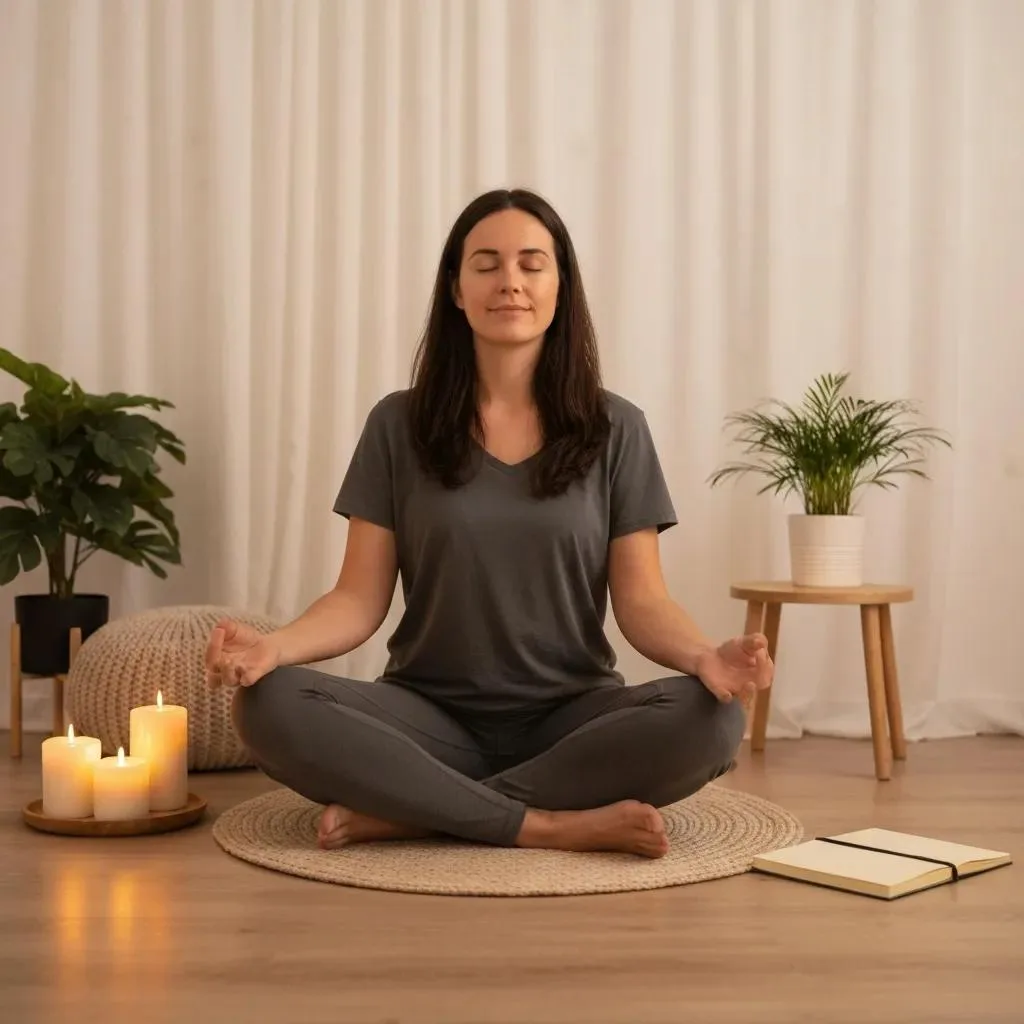
Several core practices reliably reduce craving intensity, lower physiological arousal, and build coping capacity when done consistently. Deep breathing offers immediate nervous-system down-regulation; mindfulness and short meditations reduce reactivity; PMR eases bodily tension; gentle restorative yoga reconnects breath and movement; and journaling helps process feelings and plan responses. Each practice has a role—acute relief, daily maintenance, or long-term resilience—so combining methods gives the best protection against relapse. Below are short, clear summaries you can reference quickly.
- Deep breathing (box, 4-7-8): Quickly calms the nervous system through parasympathetic activation.
- Mindfulness and guided meditation: Reduces reactivity by changing how you relate to thoughts and urges.
- Progressive muscle relaxation: Releases tension and signals safety to the body.
- Gentle restorative yoga: Uses slow movement and breath to increase interoception and calm.
- Journaling and structured writing: Helps process emotion, spot triggers, and plan protective steps.
These quick entries lead into step-by-step scripts and guidance on when to use each practice during recovery.
At BetterChoice Treatment Center in Las Vegas, we teach and supervise these techniques inside holistic therapy sessions. Counseling and a structured program help clients practice skills safely, and clinical staff support translating in-program learning into sustainable at-home routines.
How Deep Breathing Helps with Cravings and Anxiety
Deep breathing lowers cravings and anxiety by engaging the parasympathetic nervous system, slowing heart rate, and interrupting the stress–craving loop. Try box breathing: inhale 4 counts, hold 4, exhale 4, hold 4; repeat 4–6 cycles until you feel steadier. Or use 4-7-8: inhale 4, hold 7, exhale slowly for 8; do 2–4 rounds when anxiety spikes. Use breathing at the first sign of physical arousal, during urges, or before high-risk moments to restore focus and reduce impulsivity. Practicing 5–10 minutes daily builds baseline balance and makes quick breathing breaks more effective over time.
Mindfulness and Meditation Practices That Support Sobriety
Mindfulness trains attention and non-reactivity so cravings and strong emotions lose their grip. A practical body-scan: sit or lie comfortably, bring attention to your toes, and slowly move awareness through the body, noticing sensations without judgment for 10–15 minutes; this reduces rumination and can improve sleep. For an on-the-spot practice, try a three-minute breath-count: focus on the breath, count each exhale to five, then restart—this steadies attention during urges. Beginners often start with 5–10 minutes daily and build toward 20 minutes; guided recordings or clinician-led sessions help create a steady habit. Evidence shows short, consistent mindfulness reduces craving frequency and improves mood regulation in many recovery samples.
How PMR and Yoga Lower Stress During Recovery
Somatic practices target the body to reduce arousal and rebuild interoception, which substances and withdrawal can dull. Progressive muscle relaxation (PMR) alternates tension and release to tell the nervous system it’s safe, while restorative yoga uses supported postures and slow breath to deepen relaxation. Both reduce hypervigilance, improve sleep, and sharpen body awareness—helpful signs that let you notice relapse warning signs earlier and choose planned responses. The sections below include a short PMR script and safe, accessible yoga pose suggestions for recovery.
Use this quick, stepwise PMR script at home or in a quiet spot.
- Sit or lie comfortably and take three slow diaphragmatic breaths to settle.
- Bring attention to your feet: tense toes for five seconds, then release and notice warmth.
- Move upward—calves, thighs, hips, abdomen, chest, hands, arms, shoulders, neck, face—tensing each group for 5–7 seconds and then releasing.
- When you finish, rest for 2–3 minutes, breathe slowly, and notice the difference between tension and ease.
This short PMR sequence is easy to learn and gives rapid somatic down-regulation when practiced regularly, building the resilience that supports safer choices in recovery. Next are safe yoga position suggestions.
What Is Progressive Muscle Relaxation and How to Practice It
PMR reduces physical tension by tightening and then relaxing specific muscle groups, which calms autonomic arousal and can help with falling asleep. A typical session runs 10–20 minutes and starts with grounding breaths, then moves through feet, calves, thighs, abdomen, chest, hands, arms, shoulders, neck, and face—holding tension briefly and releasing fully. Modify holds to 3–5 seconds for limited mobility, and skip any tensing that causes pain; people with trauma histories may benefit from clinician guidance. Practicing PMR 3–5 times weekly at first, then as needed, helps you notice tension patterns that often precede cravings so you can intervene earlier.
Which Yoga Poses Help Ease Stress in Recovery?
Restorative poses calm the nervous system without requiring strength, making them suitable during withdrawal or low-energy days. Helpful options include Child’s Pose (use support under the torso), Legs-Up-the-Wall (a gentle reclined inversion), Reclining Bound Angle (with bolsters), and Savasana with a bolster under the knees for deeper rest. Focus on slow diaphragmatic breathing, relaxing the jaw, and holding poses 3–8 minutes depending on comfort; use props and modifications for joint pain or low stamina. A short 15–20 minute sequence of two or three gentle poses before bed or at your bedside can improve rest and reduce nighttime cravings, which helps daytime coping.
How Journaling Supports Emotional Regulation and Sobriety
Journaling helps by naming emotions, organizing thoughts, and creating concrete plans—steps that reduce the intensity and duration of cravings. Expressive writing helps unpack intrusive thoughts, gratitude lists shift attention to protective factors, and trigger-tracking logs reveal patterns that inform relapse-prevention planning. Short entries of 5–15 minutes give a reliable outlet and a record of progress that keeps motivation steady. The table below links specific journaling exercises to when to use them and the benefits they deliver.
The following table links journaling exercises to when to use them and the primary benefits they deliver.
Journaling Prompts That Work in Recovery

Good prompts turn vague worry into clear, manageable steps. Try: “What triggered my urge, what did I feel in my body, and what one small step will I take instead?” or “Name three things I did today that supported my recovery.” For cravings, use a short template—situation, urge intensity (1–10), thoughts, and one alternative action—to build a quick coping plan and track patterns over time. Aim for brief daily entries and a longer weekly reflection; paired with therapy and accountability, journaling becomes a practical relapse-prevention tool that reduces overwhelm and strengthens problem-solving.
How Creative Expression Supports Relaxation and Healing
Creative activities—drawing, music, crafts, movement—offer nonverbal ways to process emotion and lower arousal. Quick practices include a five-minute sketch to externalize intrusive thoughts, listening to a calming playlist during breathwork, or creating a collage that represents recovery goals. These activities provide alternative, healthy rewards that compete with substance use, shift identity toward positive activities, and expand coping options. Adding creative expression into weekly routines alongside journaling and mindfulness broadens your toolkit and supports long-term recovery.
How BetterChoice Treatment Center Blends Holistic Therapies with Clinical Care
At BetterChoice Treatment Center in Las Vegas, we combine evidence-based clinical care with supervised holistic therapies so clients learn relaxation skills in a safe, supported setting. The center provides medical detox and inpatient rehab alongside integrated care for co-occurring mental health needs, and schedules holistic sessions—yoga, sound baths, acupuncture—within individualized treatment plans. Intake assessments help determine appropriate therapies, clinicians coordinate timing with medical needs, and staff adapt session length and intensity based on withdrawal status or physical limits. Accreditation and clinical oversight support safety and privacy, and counselors help patients bring in-program practices into day-to-day life.
Before diving into specific therapies, the table below shows how common holistic options are used within a program and what a typical session looks like.
How Yoga, Sound Baths, and Acupuncture Help in Recovery
Yoga, sound baths, and acupuncture play complementary roles: yoga restores regulation through breath and movement, sound baths offer guided sensory relaxation that can lower arousal quickly, and acupuncture can provide adjunctive symptom relief. These therapies are supportive—not a cure—and are scheduled to align with detox and counseling to keep care safe and integrated. Typical benefits include reduced anxiety, better sleep, and smoother engagement in talk therapy; clinicians monitor how each client responds and adjust plans so interventions support relapse-prevention skills you can use on your own.
How Relaxation Exercises Are Personalized
Personalization starts at intake with an assessment of medical status, co-occurring disorders, mobility, and personal preferences. That information shapes a tailored plan that sequences therapies safely. For example, someone in early detox may begin with short 2–5 minute breathing exercises and seated restorative yoga, while a more stable client might progress to longer group meditation and acupuncture. Our clinical, medical, and holistic teams coordinate frequency, duration, and modality and suggest home-practice plans that respect energy levels and privacy. This approach keeps practice safe, paced, and more likely to stick.
Practical Tips to Keep Relaxation and Well‑Being Going
Consistency matters. Build short daily micro-practices (5–20 minutes) like morning mindfulness, midday breathing resets, and evening journaling to anchor your day. Use environmental cues—a designated mat, soft lighting, or a calming playlist—to make practice automatic, and protect sleep by limiting screens before bed. When self-practice isn’t enough, reach for professional support and peer connections; knowing how to check insurance coverage, estimate intake timelines, and ask about privacy can reduce stress when seeking higher levels of care.
- Schedule micro-practices: block 5–15 minutes at consistent times for breathing, mindfulness, or journaling.
- Create environmental cues: set aside a quiet corner with dim lighting and a comfortable seat to signal calm.
- Use reminders and accountability: set gentle alarms or partner with a peer for regular check-ins to build habit.
- Prepare a short coping script: write a three-step plan to follow during cravings (breathe, ground, call support).
These simple steps create a scaffold that makes self-regulation more automatic and less effortful. Below we offer a low-pressure next step if you want more structured support.
If you’re considering organized care, reach out to BetterChoice Treatment Center in Las Vegas to learn about program options, verify insurance coverage, and ask about intake timelines and privacy protections. Ask specific questions—how are therapies scheduled, how is counseling integrated, and what aftercare supports are available—to find the right level of care without added pressure. Combining daily self-practice with professional and peer support strengthens relapse prevention and long-term well-being.
Frequently Asked Questions
What are the benefits of adding holistic therapies to addiction recovery?
Holistic therapies—yoga, acupuncture, sound baths—support recovery by addressing both physical and emotional needs. They promote relaxation, reduce anxiety, and often improve sleep, which is crucial during early recovery. These practices also help build community and make treatment more engaging. When combined with traditional clinical care, holistic options broaden coping strategies and strengthen long-term sobriety.
How do I create a supportive space for relaxation during recovery?
Set up a small, consistent spot that cues calm: soft lighting, a comfortable chair or mat, and simple sensory supports like a favorite playlist or a soothing scent. Remove obvious distractions (turn off unnecessary devices) and use the space regularly for breathing, meditation, or journaling so it becomes a reliable anchor for practice.
Why is accountability important for maintaining relaxation practices?
Accountability helps turn intention into habit. Partner with a peer, join a support group, or share goals with a counselor to stay consistent. Set realistic goals—daily or several times a week—and use reminders or brief check-ins to keep momentum. Social support reinforces self-care and makes it easier to show up on hard days.
How can journaling help manage cravings?
Journaling gives structure to emotional processing and helps you identify triggers and successful coping steps. Use focused prompts: record what triggered the craving, rate the urge (1–10), note thoughts that came up, and pick one alternative action. Even short entries (5–15 minutes) help you spot patterns, clarify next steps, and reduce the power of the urge over time.
What quick techniques work in high-stress moments?
Quick, portable tools include box breathing or the 4-7-8 method to slow your system; a brief body scan or three-minute breath-count to center attention; and PMR-style tensing and releasing a single muscle group to reduce tension. These practices can be done almost anywhere and often provide fast relief.
How can I add creative expression to my recovery routine?
Make space for small creative acts—sketch for five minutes, play calming music during breathwork, or build a simple vision board. Creative activities provide nonverbal outlets for feelings, offer healthy rewards, and help reshape identity toward positive, meaningful activities. Add a weekly creative session to your routine and notice how it supports relaxation and resilience.
Conclusion
Simple relaxation exercises are a practical, effective part of recovery. Techniques like deep breathing, mindfulness, PMR, and journaling improve emotional regulation, reduce physiological arousal, and give you tools to handle high-stress moments. Built into daily routines and combined with professional support, these practices strengthen your defenses against relapse and help you build a steadier, healthier life in recovery. Learn more about putting these techniques into practice and how BetterChoice can support your next step.