

Rehab Packing List — What to Bring for Your Stay at BetterChoice Treatment Center
Starting an inpatient program can feel stressful. A simple, practical packing list removes guesswork so you can arrive calm and ready to focus on recovery. This guide walks through the documents, clothing, hygiene items, medications, medical devices, comfort items, and prohibited goods you should know about for a stay at BetterChoice. Bringing clearly labeled prescriptions and the right paperwork speeds admission and keeps care safe. Thoughtful clothing and personal-care choices help you take part fully in therapy and our holistic offerings. Below you’ll find clear checklists, step-by-step tips, and tables that explain our admission requirements and rules — including how we help with intake and insurance verification — so your arrival is smooth and uninterrupted.
What Essential Documents and Financial Items Should You Bring to Rehab?
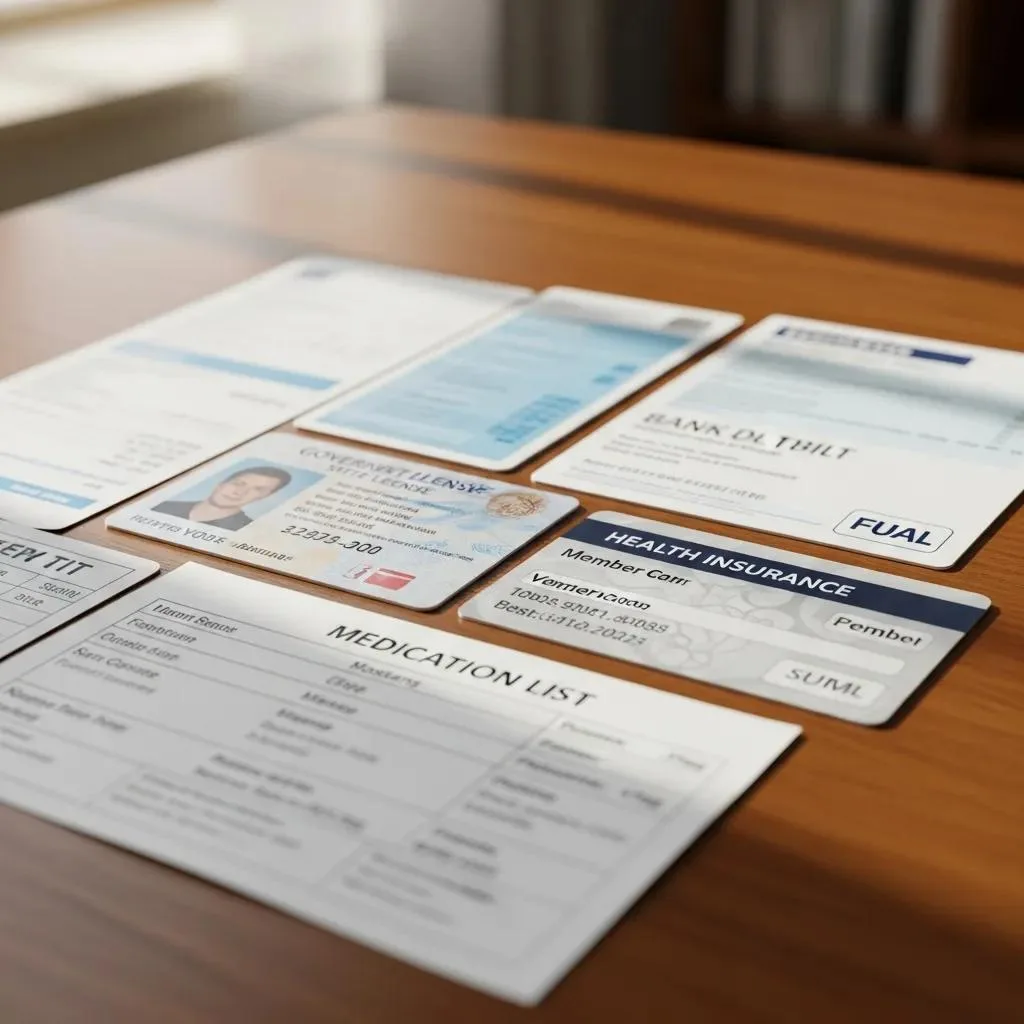
Having your documents and payment ready lets admissions verify identity, check benefits, and start clinical care without delay. Typical items we ask for are a government photo ID, current insurance information, a list of prescriptions or recent medical records, and emergency contact details. Accurate paperwork shortens intake and helps clinicians safely continue or adjust medications during medical detox or inpatient care. Below are the key items to bring and what each helps our team accomplish.
Must bring at admission:
- A valid government-issued photo ID for registration and identity verification.
- Your insurance card and policy number so we can confirm coverage and any pre-authorizations.
- An up-to-date list of prescriptions with dosages and prescribers to support medication reconciliation.
- Recent medical records or discharge summaries related to current health issues.
- A payment method or small cash for incidental expenses or co-pays if required.
- Two or more emergency contacts with names, relationships, and phone numbers.
These items let admissions verify benefits, coordinate care, and contact designated people quickly. Next we cover acceptable IDs and tips for preparing insurance details to make intake faster.
Which Identification and Insurance Documents Are Required for Admission?
Valid photo ID confirms identity and age — common examples are a state driver’s license or passport. For insurance, bring a physical or digital copy of your card showing insurer, member ID, and group/policy number so we can check benefits. If you already have authorization paperwork for a planned admission, bring that too. Quick tips: make color photocopies, take clear photos of cards, and write down subscriber names and insurer phone numbers. Keep copies in a small folder or a secure digital photo so admissions can verify information without delays.
How to Organize Prescription Information and Emergency Contacts Effectively?
A clear medication sheet that lists each medicine by name, strength, dose schedule, and prescriber reduces errors during intake and helps clinical reconciliation. Whenever possible, bring original prescription bottles so staff can confirm dispensing dates and pharmacy details. Include supplements and over-the-counter products on the same list, and note recent dose changes or adverse reactions. Provide at least two emergency contacts with full names, relationship, and phone numbers — and note any legal guardians or decision-makers — so the team can reach the right people quickly when needed.
Before your admissions interview, make sure copies of these items are easy to find and labeled to avoid delays. The table below summarizes common document types and how to duplicate them.
Different document types commonly required for inpatient admission and what to consider when preparing copies and digital backups.
Having these documents ready speeds intake and helps our staff verify identity and benefits quickly. Next, we’ll cover what clothing and footwear work best for daily life and therapy sessions.
What Clothing and Footwear Are Appropriate for Comfort and Therapy During Rehab?
Choose clothing that balances modesty, comfort, and practicality for group therapy, exercise, and shared living. Breathable, easy-care fabrics make laundering simple and support activity participation. Pack layers for changing temperatures and outdoor breaks. Footwear should be non-slip and supportive — closed-toe sneakers for activities and lightweight shower shoes for shared bathrooms. Below are practical packing tips and a short count to keep your luggage focused and functional.
Suggested fabrics and counts include soft cotton or moisture-wicking shirts and comfortable pants, plus two sets of sleepwear and a lightweight jacket for layering. Pick machine-washable, non-restrictive pieces that work for yoga or group exercise. Bring one slightly nicer outfit for family visits or program milestones, and avoid expensive or irreplaceable items.
- Five everyday tops: Comfortable, breathable shirts for activities and casual therapy.
- Three bottoms: Sweatpants, jeans, or casual trousers that are easy to wash.
- Two sleepwear sets plus a robe/slippers: For privacy and comfort in shared spaces.
These counts limit clutter while leaving enough options between laundry days. The next section explains types of everyday and sleepwear we recommend.
What Types of Everyday and Sleepwear Are Recommended for Your Stay?
Pack simple, modest, easy-to-wash items like cotton tees, lightweight long sleeves, and joggers that allow movement for therapy or yoga. For sleepwear, choose breathable pajamas or sweat sets and include a robe and slippers for shared bathrooms and lounges. Opt for fabrics that dry quickly and resist heavy wrinkling. Avoid clothing with explicit language or graphics to keep the community respectful. A small laundry rotation of two to three outfits per day helps keep your space tidy and ready for therapy.
These choices support comfort and dignity while allowing full participation in scheduled sessions. Next, we cover dress-code and layering tips.
How to Follow Dress Code and Layering Guidelines for Rehab Facilities?
Dress-code rules focus on modesty and safety — avoid revealing garments, offensive images, or clothing with unsafe attachments. Layering with a lightweight hoodie, zip-up sweater, or packable jacket helps you adapt to air-conditioned common areas and outdoor activities. Ask admissions about any facility-specific restrictions on pockets, drawstrings, or materials. To reduce stress about loss or damage, leave expensive or sentimental items at home. Neutral, comfortable layers let you move between group therapy, counseling, and holistic sessions with ease and respect for others.
Following dress-code guidance helps keep the therapeutic environment calm and focused. Next up: which personal hygiene and self-care items are allowed.
Which Personal Hygiene and Self-Care Items Are Allowed in Rehab?
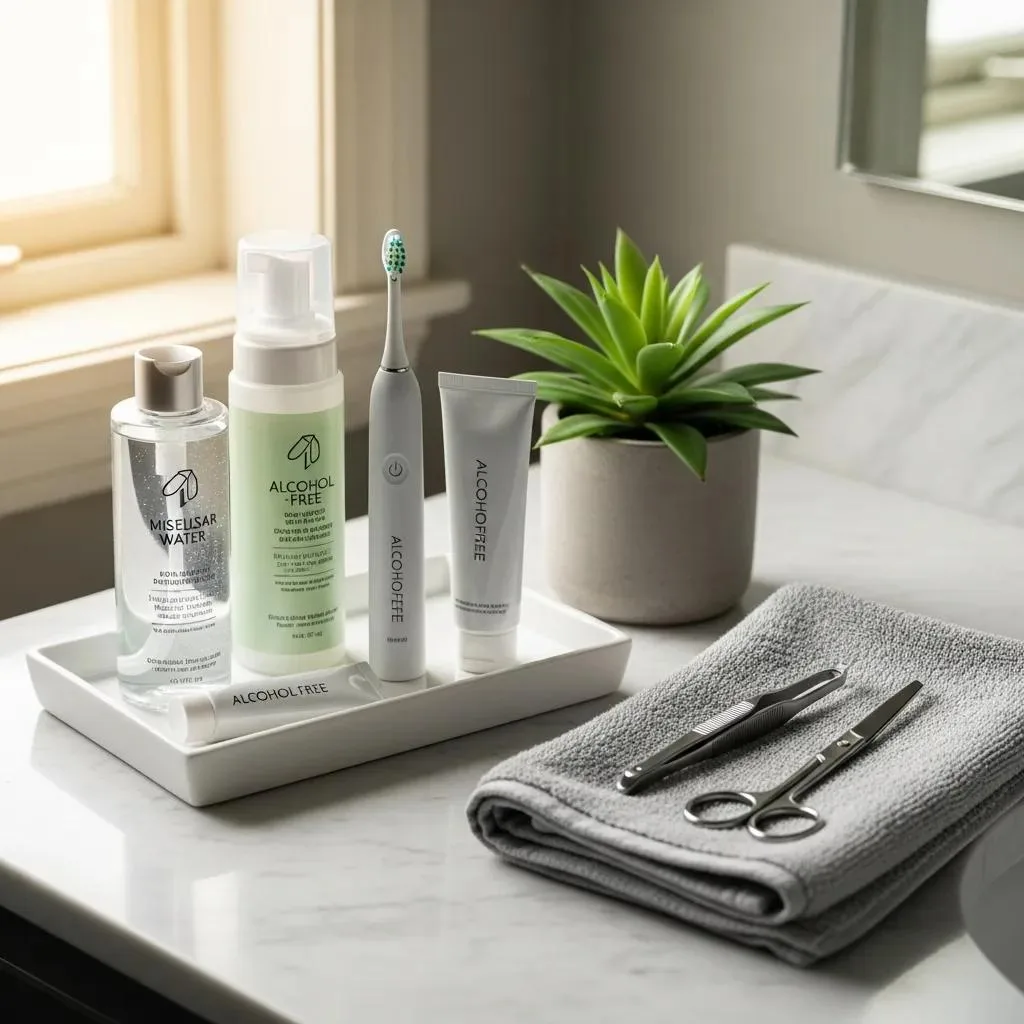
Allowed personal-care items prioritize safety and sobriety. We favor alcohol-free, non-aerosol toiletries and basic grooming supplies that pose minimal risk in shared settings. Commonly permitted items include toothbrushes, toothpaste, solid soap, pump or squeeze shampoo and conditioner, and basic grooming tools. Products containing alcohol or controlled substances are restricted. Label your items and keep them in a small toiletry bag to simplify intake checks. Below we explain why alcohol-free options matter and list recommended replacements.
- Alcohol-free mouthwash and hand soap: Clean without alcohol exposure or triggers.
- Pump or squeeze shampoos and conditioners: Non-aerosol options that meet inhalant restrictions.
- Basic grooming kit (toothbrush, comb, nail clippers): For personal use only and clearly labeled.
These permitted items help you stay tidy while protecting safety and sobriety. The next section covers grooming and feminine-hygiene specifics.
Why Are Alcohol-Free Toiletries Essential and What Should You Pack?
Alcohol-free toiletries remove ethanol-containing products that can be misused, trigger cravings, or show up on breath tests. Pack alcohol-free mouthwash, fragrance-free body wash or soap bars, low-sulfate shampoo and conditioner in non-aerosol bottles, and unscented deodorant. Solid alternatives like bar soap or shampoo bars are compact and remove aerosol concerns. Label everything with your name and keep items in one toiletry pouch so staff can inventory them quickly at intake.
Choosing alcohol-free, non-aerosol products supports clinical safety and the facility’s sobriety-first approach. Next: permitted grooming and feminine-hygiene items.
What Grooming and Feminine Hygiene Products Are Permitted?
Allowed grooming items typically include toothbrushes, toothpaste, hairbrushes, disposable razors if policy permits, pads and tampons, and basic skincare without alcohol or controlled ingredients. Electric shavers or styling tools may need approval after admission — check with admissions about battery and cord rules. Store feminine supplies discreetly and dispose of used items in provided receptacles per facility guidance. Keep kits minimal, labeled, and personal — do not share items with others.
How Should You Prepare and Pack Medications and Health Supplies for Rehab?
Preparing medications correctly protects your health and prevents diversion. Bring prescription medicines in their original labeled containers, include a printed medication list from your pharmacy if possible, and disclose supplements and OTC products so clinicians can review interactions. For devices like inhalers, insulin pens, or CPAP machines, bring manuals and a physician note if available, and coordinate with admissions about battery and power rules. The steps below describe the intake process so your meds and devices are handled efficiently and safely.
Follow these steps to prepare medicines for admission:
- Collect original containers: Bring prescription bottles showing pharmacy details and dispensing dates.
- Create a medication sheet: List each drug, dose, frequency, prescriber, and reason for use.
- Obtain physician or pharmacy printouts: Ask your pharmacy or prescriber for a current med list to verify prescriptions.
- Declare supplements and OTCs: Tell staff about vitamins and non-prescription remedies so interactions can be reviewed.
- Coordinate devices with admissions: Notify admissions about CPAP, oxygen, or other devices so we can arrange safe use.
These steps streamline verification and reduce safety risks. The table below outlines common meds and devices, what we need, and what happens at intake.
This table shows shared responsibilities at intake and reduces confusion about handling medicines and devices. Next we review rules for prescriptions and OTCs.
What Are the Rules for Prescription and Over-the-Counter Medications?
Bring prescriptions in original bottles that show your name, medication, dose, prescriber, and pharmacy so clinicians can reconcile home meds with facility regimens. Declare OTC products and supplements with brand and dose because staff review these for interactions and may restrict some items until cleared. A current pharmacy printout or prescriber notes (for tapers or special orders) speeds verification and supports safe detox or medication adjustments. Clear labeling and transparency help avoid delays and let the clinical team create a safe, evidence-based plan.
Which Medical Devices Should You Bring to Support Your Health Needs?
Commonly allowed devices include eyeglasses with a protective case, hearing aids with spare batteries, contact lens supplies if permitted, and essential respiratory or diabetes devices documented by a clinician. Bring spare batteries and label cords for battery-operated devices, and check with admissions about outlet access and any high-voltage restrictions. CPAP machines and similar equipment usually need pre-approval and documentation from the prescribing clinician to ensure safe setup. Whenever possible, bring device manuals and prescribing-provider contact info so staff can verify necessity and support use during your stay.
Coordinating devices with admissions preserves health needs while keeping everyone safe. Next we suggest comfort and therapeutic items that support emotional regulation and holistic therapy participation.
What Comfort Items and Therapeutic Aids Can Support Your Recovery Journey?
Small comfort items and therapeutic aids can help you stay grounded and engage in therapy without creating clutter or privacy concerns. Items like a journal, a few photos, and one or two books provide continuity and emotional anchors during treatment. Entertainment should be low-tech or offline to protect privacy and focus. Label everything and get pre-approval for any item that might be restricted. Below are practical suggestions for permitted comfort items.
Journaling and reflective reading support daily processing and track progress — useful in counseling and relapse-prevention work. A compact journal and one or two paperback books are typically fine; keep personal photos to a small number and store them in a designated place to protect privacy in shared rooms. These simple tools pair well with structured therapy to reinforce insights and build skills.
How Can Journals, Books, and Personal Photos Enhance Your Rehab Experience?
A journal gives you a private place to note emotions, triggers, and coping strategies from therapy. Books on recovery, mindfulness, or inspirational memoirs can support group material and model lasting change. A few personal photos remind you of relationships and values that motivate recovery. Limit items to compact formats — one journal, one small book, a handful of printed photos — to keep your space orderly and reduce the chance of loss. Store personal items in a labeled container so staff can help if something goes missing.
These reflection tools support therapeutic gains and lead into allowed entertainment and comfort items for downtime.
What Entertainment and Small Comfort Items Are Allowed?
Permitted entertainment typically includes offline MP3 players without internet or camera capability, paperback books, small puzzle books, and earbuds without a microphone if allowed. Charging and battery rules may limit multiple chargers or high-capacity power banks, so bring minimal charging gear and coordinate with staff on charging times. Streaming devices, social media access, or recording equipment are not allowed — they risk privacy and distract from treatment. A few low-tech comforts help you relax without pulling focus from recovery work.
These choices balance downtime with program expectations and lead into a clear list of prohibited items and the reasons behind those rules.
What Items Are Prohibited at BetterChoice Treatment Center and Why?
Certain items are restricted to protect safety, prevent diversion, and keep the environment therapeutic. Prohibited categories include alcohol, illicit drugs, weapons, aerosol sprays, and internet-enabled or recording devices. Electronics that allow unmonitored internet access threaten privacy and group dynamics, and some OTC inhalants or high-alcohol products can be triggers. Staff follow set procedures for handling prohibited items at intake — confiscation, return to a designated person, or disposal — so knowing the rules ahead of time avoids surprises. Below are common prohibited categories and why they’re restricted.
- Alcohol and illicit substances: Create safety, health, and legal risks.
- Weapons and sharp objects: Present direct safety hazards to everyone on campus.
- Aerosol sprays and high-alcohol products: Pose inhalant risks and misuse potential.
- Internet-enabled cameras or devices: Threaten privacy and confidentiality in therapy.
Knowing these rules helps you understand how policies protect the community. The next section gives examples and explains how staff typically handle prohibited items.
Which Substances, Electronics, and Valuables Are Not Allowed for Safety?
Items often confiscated at intake include alcoholic beverages, illicit drugs, unsecured prescription opioids not in original containers, weapons, aerosol cans, and devices that record or browse the internet. Each of these carries safety, diversion, or privacy risks. Staff document items, offer controlled disposal or return to a responsible party, and may secure valuables in a facility safe until discharge to prevent theft or loss. Families should avoid sending expensive jewelry, large sums of cash, or recording gear to reduce stress and disputes over ownership. If you’re unsure about an item, contact admissions ahead of arrival so we can advise how it will be handled.
Following these rules reduces risks in communal living spaces. The table below explains prohibited categories, their risks, and typical facility actions.
This table explains why items are restricted and what usually happens at intake. Next we describe how our rules support treatment and safety.
How Do Facility Rules Ensure a Safe and Therapeutic Environment?
Policies around prohibited items, medication handling, and dress codes protect patient safety, support clinical stability, and preserve privacy so therapy can proceed without avoidable interruptions. Limiting access to triggers and distractions helps create predictable routines that support abstinence-based goals and allows clinicians to monitor medical status during medical detox and inpatient care. Accredited facilities follow evidence-based policies and staff are trained to assess risk, manage crises, and meet regulatory standards. If you have questions about a particular item, contact admissions before arrival to discuss pre-approval, documentation, or safe transfer. BetterChoice Treatment Center in Las Vegas offers admissions guidance and insurance verification help to prepare you for intake.
BetterChoice follows clinical and safety standards and offers holistic therapies like yoga, sound baths, and acupuncture alongside medical and behavioral care. For next steps, reach out to our admissions team to confirm packing rules, request medication pre-approval, or verify what to bring for your specific program or medical detox.
Frequently Asked Questions
What should I do if I forget to bring an essential item to rehab?
If you forget something important, tell admissions as soon as possible. We can often provide alternatives, sell basic items on-site, or help arrange for family or friends to send needed items. Always check facility policies about outside deliveries so items arrive in compliance with our rules.
Can I bring my phone or electronic devices to rehab?
Most facilities, including BetterChoice, limit phones and internet-enabled devices to keep the focus on recovery. Non-internet devices like MP3 players may be allowed. Check with admissions for the specific electronics policy for your program.
How can I ensure my personal items are safe during my stay?
Label everything with your name and follow staff directions for storage. Avoid bringing valuables such as expensive jewelry or large sums of cash. If you have concerns, speak with admissions about secure storage options.
What if I have dietary restrictions or allergies?
Tell admissions about allergies or dietary needs during intake. We work with kitchen staff to provide appropriate meals and can note preferences to reduce risk and ensure comfort.
Are there any specific rules about sharing personal items with other residents?
Sharing personal items is discouraged to protect hygiene and privacy. Keep toiletries and comfort items separate and clearly labeled to respect others and reduce the spread of infections.
What should I do if I experience a medical emergency while in rehab?
If you have a medical emergency, notify staff immediately or call for help. BetterChoice has protocols and trained personnel to handle emergencies. Be sure to disclose pre-existing conditions during intake so staff can be prepared.
Can family members visit during my stay at rehab?
Visitation rules vary. Many centers permit family visits after an initial period and under set guidelines. Contact BetterChoice admissions to learn our visiting schedule and any requirements for family visits.
Conclusion
Packing thoughtfully for your stay at BetterChoice Treatment Center helps you settle in faster and focus on recovery. Bring the right documents, clearly labeled medications, and practical clothing and personal items to support your treatment. If you’re unsure about anything, our admissions team is here to help — reach out before arrival to confirm what to bring. You’re taking an important step toward better health — we’ll be with you through it.