
Recreational Therapy for Addiction: Using Sober, Supervised Activities to Support Lasting Recovery
Recreational therapy uses guided leisure and activity-based programming to help people in recovery heal, lower relapse risk, and rebuild a sober identity through meaningful, supervised experiences. Below we explain what therapeutic recreation looks like, how it supports brain and behavior change, the kinds of activities commonly used in treatment, how programs are tailored to each person, and practical steps to keep healthy leisure going after discharge. Many people leaving active use need alternatives to substance-driven rewards — recreational therapy offers repeatable, skill-building activities that retrain reward pathways, reduce idle time, and teach coping strategies. You’ll find clear explanations of the mechanisms behind activity-based interventions, evidence-informed relapse-prevention options, examples of creative and outdoor programming, and step-by-step tips for adding new hobbies into everyday life. We also include concise information about BetterChoice Treatment Center’s activity offerings and care coordination in Nevada so families and prospective patients can see how these services fit into real treatment plans.
What is Recreational Therapy in Addiction Treatment?
Recreational therapy in addiction care is a clinical, goal-directed approach that uses planned leisure, creative, and physical activities to restore function, build coping skills, and improve social and emotional wellness. At its core are behavioral activation, social learning, and physiological regulation — structured activities trigger healthy neurochemical responses and offer safe alternatives to substance use. Key outcomes include better physical health, improved emotion regulation, stronger social connection, and practical relapse-prevention practice that carries over into daily life. The section below offers a straightforward definition, the main mechanisms at work, and the primary benefits you can expect.
Recreational therapy complements detox and counseling by providing hands-on practice in supervised settings, helping translate therapeutic insight into everyday habits. That bridge between clinical care and real-world rehearsal is essential for long-term change and sets up the next section on how therapeutic recreation supports recovery at both biological and behavioral levels.
Recreational therapy supports recovery through direct physiological and behavioral pathways, outlined next.
How Does Therapeutic Recreation Support Addiction Recovery?
Therapeutic recreation helps recovery by replacing substance-driven reward patterns with structured, meaningful activities that create safe neurochemical reinforcement and teach coping skills. Activities such as team sports or group art projects raise endorphins and dopamine in healthy ways while reinforcing routine, goal-setting, and self-control. These interventions also strengthen executive functions — planning, follow-through, and impulse control — which lowers the risk of impulsive relapse. In practice, clinicians use graded tasks and group formats to build confidence, social skills, and readiness for community-based leisure.
Seeing these mechanisms makes clear why recreational therapy is both a clinical intervention and a practical skills-training approach. Next, we summarize the core benefits programs monitor during treatment.
What Are the Core Benefits of Recreational Activities in Rehab?
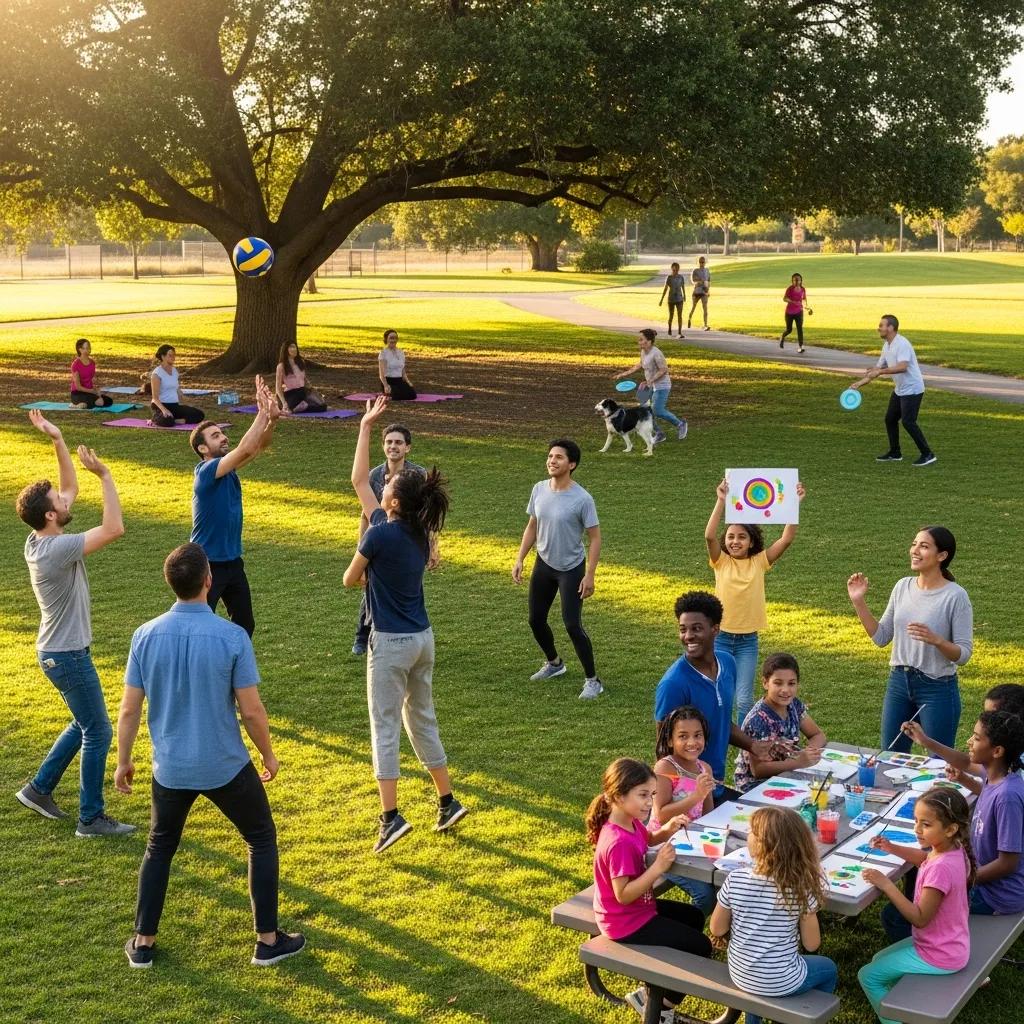
Recreational activities produce measurable gains across physical, emotional, social, and relapse-prevention areas that complement therapy and medical care. Physically, regular movement helps sleep, cardiovascular health, and stress resilience. Emotionally, expressive activities support trauma processing and mood regulation. Socially, group recreation builds peer support, reduces isolation, and models sober ways to have fun. Behaviorally, scheduled activities create routines that reduce idle time and give people safe practice responding to triggers. Programs commonly track attendance, mood changes, and functional milestones to document progress.
With these benefits established, the next section lists common activities used in residential and outpatient programs and explains how they’re scheduled and adapted for safety and effectiveness.
Which Recreational Activities Are Offered at BetterChoice Treatment Center?
At BetterChoice Treatment Center we weave recreational therapies into both inpatient and outpatient care to support whole-person recovery. Our typical offerings include yoga, meditation, sound baths, art and music therapy, fitness classes, group games, and supervised outdoor activities. Each activity targets stress reduction, emotional processing, social skills, or physical wellness and is adapted to the client’s clinical needs. Sessions are timed across program phases — shorter, supervised sessions during medical detox; daily recreation in inpatient care; and weekly or community-linked options during outpatient and aftercare to support transition. Safety is a priority: we use medical clearance, trained staff supervision, and modifications for physical limitations.
- Yoga and mindfulness — builds stress resilience and supports sleep hygiene
- Sound baths and guided relaxation — deep relaxation and emotional calm
- Art and music therapy — nonverbal expression and trauma-informed processing
- Fitness classes and team sports — boosts mood, fitness, and peer bonding
- Nature walks and outdoor excursions — restores focus and grows coping through challenge
These offerings are coordinated with clinical care and scheduled to match each phase of treatment.
Intro to schedule table: The table below clarifies typical session formats and when activities are offered across program phases.
Program integration at BetterChoice emphasizes clinical coordination and flexibility to meet medical and emotional needs. Next we look at specific mind–body practices and how they support overall wellness.
How Do Yoga, Meditation, and Sound Baths Promote Holistic Wellness?
Yoga, meditation, and sound baths lower sympathetic arousal and strengthen self-regulation by training breath control, focused attention, and embodied relaxation. Regular practice reduces stress reactivity, improves sleep, and gives on-demand tools to manage cravings or anxiety. Sessions include guided instruction, trauma-informed modifications, and connections to psychotherapeutic goals so the work in movement or stillness supports emotional processing.
We screen for contraindications at intake and offer adaptations for clients with physical limitations or trauma histories.
These mind–body practices pair naturally with creative therapies, which offer another route to emotional healing.
What Creative Therapies Like Art and Music Aid Emotional Healing?
Art and music therapies open nonverbal ways to express difficult feelings and safely process traumatic material when words aren’t enough. Clinicians lead structured projects and reflective discussion to help transform distress into manageable, symbolic forms.
Therapists use trauma-informed methods and tie expressive work to behavioral goals, like identifying relapse triggers or practicing impulse control. Examples include collaborative music-making to strengthen social skills or clay work to explore loss. Outcomes often include reduced distress, a broader emotional vocabulary, and increased engagement. These approaches are adaptable to personal preferences and cultural backgrounds to keep participation meaningful.
Expressive therapies feed into physical and outdoor activities that further support regulation and social connection, which we cover next.
How Do Physical and Outdoor Activities Enhance Recovery and Wellness?
Exercise and outdoor activities support neuroplasticity, lower stress hormones, and improve sleep — biological changes that reduce vulnerability to cravings and relapse. Physical activity raises BDNF and releases endorphins, which lift mood and support cognitive control, while time in nature restores attention and offers perspective helpful for identity change. Programs use graded activity plans and safety protocols so fitness and outdoor experiences match each person’s health status. Understanding these biological and behavioral effects explains why nature and exercise are core pieces of relapse-prevention planning.
These physiological benefits appear in group fitness and games that also strengthen social bonds and in Nevada-specific outdoor options that take advantage of local landscapes, described next.
What Role Do Fitness, Sports, and Group Games Play in Sober Fun?
Fitness, sports, and group games create routine, healthy competition, and cooperative problem-solving that transfer to everyday social and coping skills. Team activities model constructive peer interaction, promote accountability, and offer clear goals such as attendance or skill milestones. Programs emphasize inclusion and gradual challenge, often using small groups to maximize participation and safety. Expected outcomes include better mood, less loneliness, and stronger peer-supported relapse prevention.
The teamwork and social practice built through these activities prepare clients for community outings and local resources described next.
How Do Local Nevada Outdoor Adventures Support Addiction Rehab?
Nevada outdoor programming — supervised hikes, desert nature walks, and scenic day trips — taps into nature’s restorative effects to reduce rumination and strengthen coping through manageable challenge and peer support. Outings are planned with seasonal considerations, transportation logistics, hydration and heat safety, and appropriate staff-to-client ratios so they remain safe and therapeutic. These excursions are clinical opportunities to practice skills learned in treatment while enjoying sober leisure. Using Nevada’s landscapes helps clients discover non-substance sources of meaning and build a sustainable repertoire of activities.
Outdoor programming naturally connects to relapse-prevention and skills-building, which we explain below.
How Does Recreational Therapy Help Prevent Relapse and Build Coping Skills?
Recreational therapy reduces relapse risk by teaching alternative reward systems, rehearsing coping responses in real settings, and establishing predictable routines that limit exposure to high-risk situations. Core mechanisms include behavioral activation to counter avoidance, in‑vivo coping rehearsal, and social modeling through peer groups. Programs track progress with behavioral markers — attendance, demonstrated skills, and decreases in craving reports — to measure effectiveness. The goal is to create routines and responses people can carry into community life after discharge.
Below are direct, evidence-aligned mechanisms and a short outcome summary for quick reference.
- Behavioral activation — replaces substance-seeking with scheduled, meaningful activities that provide alternative reinforcement.
- Coping rehearsal — practicing responses during activities builds automatic, effective reactions to triggers.
- Social engagement — group recreation builds sober peer networks that buffer stress and add accountability.
When paired with clinical care, these mechanisms expand coping skills and support lower relapse rates over time.
What Are Effective Strategies Using Recreation for Relapse Prevention?
Effective approaches include blocking daily activity time, pairing coping-skill practice with leisure tasks, and using graded exposure to triggers in supervised settings to build mastery. Programs use cue-controlled activities where clients identify triggers and then rehearse alternatives through role-play, staff coaching, or group challenges. Tracking objective markers and adjusting difficulty keeps people engaged and progressing. Examples include simulated social outings with staff support and gradual community re-entry tasks that generalize coping skills.
These tactics build social confidence and peer support, which strengthen long-term recovery.
How Does Recreational Therapy Foster Social Connections and Confidence?
Recreational therapy builds social connection by using cooperative tasks and team-based activities to teach turn-taking, assertive communication, and empathy through shared goals. Small, progressive challenges — leading a group game or sharing creative work — offer measurable chances for mastery and boost self-efficacy. Peer feedback and clinician-led reflection reinforce social learning and help clients translate success in program into confidence in the community. Over time, these experiences help reshape identity away from substance use toward roles such as teammate, creator, or outdoor participant.
The social skills learned here inform how activity plans are personalized for each person, which we describe next.
How Is Recreational Therapy Personalized for Individual Recovery Needs?
Personalization starts at intake and continues through interdisciplinary care planning to match activities with medical status, psychiatric needs, physical ability, and personal interests. We create a tailored activity prescription: assessment findings guide which modalities, group formats, and intensity levels are safe and therapeutic. Clinical teams document contraindications and include recreational goals in the overall treatment plan so leisure activities reinforce therapy and medical objectives. Personalization increases engagement and therapeutic benefit — the section below outlines common assessment items used to guide programming.
This intake-to-plan pathway is how we deliver safe, effective recreational therapy through coordinated clinical teams and certified specialists.
What Assessment Processes Tailor Activities to Clients?
Assessments typically include medical clearance, psychiatric screening, functional movement checks, and interest inventories that together shape activity choices and safety planning. Medical clearance confirms cardiovascular and musculoskeletal readiness for exercise; psychiatric screening flags trauma sensitivities or contraindications for certain expressive modalities. Functional assessments determine needed adaptations and staffing ratios; interest inventories ensure activities feel personally meaningful. Clinicians synthesize these findings into individualized activity plans with clear goals and safety measures.
These steps support coordinated care delivered by certified recreational therapists and the broader clinical team, which we describe next.
Who Are the Certified Recreational Therapists at BetterChoice?
Certified recreational therapists manage activity planning, assess readiness, and lead group and individual sessions while collaborating with physicians, nurses, and licensed clinicians. Their credentials commonly include certification in therapeutic recreation and experience with behavioral health settings. Therapists document progress and adjust activity prescriptions based on clinical input. At BetterChoice, recreational therapists work within multidisciplinary teams across detox, inpatient, and outpatient phases to ensure safety, consistency, and therapeutic continuity.
Personalized recreation supports successful aftercare planning, which we cover next with practical steps for maintaining sober leisure after treatment.
How Can Patients Sustain Sober Fun and Healthy Leisure After Treatment?

Keeping sober leisure going after discharge starts with a clear, stepwise plan that moves in‑program activities into community options, accountability systems, and ongoing practice. Key elements are scheduling regular activity blocks, finding local groups or classes, keeping peer accountability, and continuing structured relapse-prevention check‑ins. Financial and insurance issues can affect access; BetterChoice can help with referrals and guidance about major insurance acceptance to ease follow-up care. The numbered steps below offer a practical roadmap for the first 90 days after treatment.
- Build a weekly activity schedule with 3–5 committed time blocks to protect routine and reduce idle time.
- Find two community resources or classes (fitness, art, outdoor groups) and attend with an accountability partner.
- Keep a graduated skills plan with weekly goals and clinician or peer check-ins to reinforce coping practice.
- Tap alumni programs or outpatient sessions to maintain social support and track progress with measurable milestones.
Following these steps helps turn in-program gains into lasting habits and connects clients to supportive community resources, described next.
What Are Practical Ways to Integrate New Hobbies into Daily Life?
Start small and specific — short daily practice or a weekly class — then increase time and complexity as confidence grows. Use habit-building methods (cue, routine, reward): pair new activities with established daily anchors like meals or commutes for consistency. Accountability partners, paid class enrollments, and calendar commitments increase follow-through. Regular reflection on enjoyment and functional benefit helps you adjust choices and expand activities gradually. Tracking progress and pleasure reinforces motivation and supports sustainable change.
These practical steps pair well with community resources that provide ongoing access and variety.
Which Community Resources Support Long-Term Recreational Wellness?
Community supports that help sustain recreational wellness include neighborhood community centers, hiking and outdoor clubs, art and music collectives, and peer-led sober activity groups — many offering low-cost or subsidized options. National organizations and online platforms can also connect people with virtual classes or local meetups, helpful when travel or mobility limit choices. When evaluating resources, look for safety, qualified staff, and trauma-informed approaches to ensure a good fit. BetterChoice can assist with referrals and insurance guidance to help clients access appropriate local programming.
For next steps and support, consider the options below.
- Call or email our treatment team to learn about recreational therapy schedules and post-discharge referrals.
- Visit the treatment center website or our Google Business Profile for program descriptions and service listings.
- Explore local community centers or peer-led sober groups to begin practicing new skills right away.
These practical, non-promotional steps help patients and families find information and start planning without pressure. The article ends here after the last required heading.
Frequently Asked Questions
What qualifications do recreational therapists have?
Recreational therapists typically hold a degree in therapeutic recreation or a related field and often hold national certification, such as from the National Council for Therapeutic Recreation Certification (NCTRC). They train in assessment methods, therapeutic modalities, and interventions tailored to people with addiction and behavioral health needs. That training helps them design safe, personalized activity plans that support clinical goals and measurable progress.
How can family members support a loved one in recreational therapy?
Family members can support recovery by encouraging participation, showing interest in progress, and joining sober activities when appropriate. Attending family sessions, helping identify local resources, and offering emotional support during challenging periods all strengthen long-term outcomes. Small, consistent acts of involvement help create a recovery-friendly environment.
What types of activities are best for maintaining sobriety after treatment?
Activities that combine physical health, social connection, and personal fulfillment work best for staying sober. Group sports, art classes, outdoor adventures, and regular fitness programs are common examples. The most sustainable choices are ones that resonate personally — activities you enjoy are far more likely to stick and replace substance-driven habits.
How does recreational therapy differ from traditional therapy?
Recreational therapy emphasizes experiential learning through structured activities, while traditional therapy often focuses on talk-based interventions. Recreational approaches let clients practice coping skills in real settings, boost emotional regulation through movement or creative work, and foster social bonds — all of which complement psychotherapy and medical treatment.
Can recreational therapy be effective for individuals with co-occurring disorders?
Yes. Recreational therapy can be adapted to address both substance use and co-occurring mental health conditions. Tailored activities help improve emotional regulation, social functioning, and coping skills. Clinicians design interventions to meet each person’s specific needs and monitor responses closely to ensure safety and benefit.
What role does community involvement play in recovery through recreational therapy?
Community involvement is essential. It builds social support, reduces isolation, and provides ongoing opportunities to practice sober leisure. Community groups and local programs extend the gains made in treatment, offering accountability and belonging that are important for sustained recovery.
Conclusion
Recreational therapy is a practical, evidence-informed way to strengthen coping skills, rebuild social connections, and support physical and emotional wellness during recovery. When integrated into clinical care, structured leisure and activity-based programming help people replace substance-driven rewards with meaningful, sober alternatives that support long-term success. If you’re exploring treatment options, BetterChoice Treatment Center includes comprehensive recreational therapy as part of our coordinated care — reach out to learn how our programs can help you or a loved one build a healthier, more connected life.