Pet Therapy for Addiction Recovery: How Animal-Assisted Care Supports Healing at BetterChoice Treatment Center
Pet therapy — often called animal-assisted therapy (AAT) — uses planned, supervised interactions with trained animals to provide steady emotional support and increase therapeutic engagement for people in recovery. By easing anxiety and improving mood through human-animal connection and measurable neurochemical shifts, AAT helps clients move from medical stabilization into active therapy. This guide describes how animal interaction supports recovery at biological and behavioral levels, highlights evidence-backed benefits such as stress reduction and greater resilience to relapse, and compares common program models including canine, equine, and small-animal formats. For Nevada residents, BetterChoice Treatment Center — a Las Vegas-based program offering medical detox, inpatient rehab, and holistic supports under accredited clinical oversight — can integrate AAT into existing care pathways to help stabilize emotions and boost participation. We define terms and mechanisms, summarize measurable benefits, compare therapy animal types, and explain how pet-integrated services are delivered, what to expect at intake and scheduling, and how these options align with clinical goals and accreditation standards. Keywords like animal-assisted therapy, emotional support animals, therapy dog addiction treatment, and relapse prevention animal therapy are used to help clinicians and patients find practical, evidence-based steps for safely adding animals into recovery plans.
What is Animal-Assisted Therapy and How Does It Support Addiction Recovery?
Animal-assisted therapy (AAT) is a goal-focused, evidence-informed intervention in which trained animals are used inside a therapeutic plan to support emotional regulation, social connection, and motivation during treatment. Interactions with animals can change neurochemistry — raising oxytocin and dopamine while lowering cortisol — which reduces stress and helps clients engage more fully in counseling and skills practice. Clinically, AAT promotes behavior change by creating predictable routines, encouraging responsibility, and offering nonjudgmental social support that can improve retention in early recovery. Recent studies and clinical reviews show that short, structured AAT sessions produce fast calming effects and measurable drops in anxiety, helping bridge the gap between medical stabilization and active psychotherapy. Those mechanisms explain why AAT is a complementary tool alongside detox and evidence-based behavioral therapies in substance use disorder care.
Defining Animal-Assisted Therapy and Emotional Support Animals
Animal-assisted therapy (AAT) refers to therapist-led interventions where animals are part of treatment goals under clinical supervision. Emotional support animals (ESAs) provide ongoing comfort outside formal therapy but are not the same as AAT. AAT animals — for example certified therapy dogs or horses used in equine-assisted activities — are chosen and trained to support therapeutic tasks; ESAs typically need documentation such as an ESA letter for housing or travel accommodations but are not substitutes for clinician-led sessions. In practice, therapy animals participate in sessions with clinicians and handlers following safety and behavior protocols, while ESAs may help with on-site emotional regulation when permitted by a facility. Clear distinctions allow clinical teams to set boundaries: therapy animals are part of the care plan and subject to session fidelity, and ESAs are adjunct supports with documentation and health requirements.
How the Human-Animal Bond Facilitates Healing in Addiction Recovery
The human-animal bond supports healing through attachment-like responses that promote oxytocin release, which in turn increases trust and lowers physiological arousal during stressful treatment moments. That biochemistry — together with social facilitation — reduces cortisol and creates a calmer environment that makes it easier for clients to engage in difficult work like trauma processing or relapse-prevention planning. Animals also offer predictable, nonjudgmental feedback that helps clients practice emotional regulation and impulse control within supervised sessions. By strengthening social connection and encouraging responsibility, animals help rebuild routines and prosocial habits that counter isolation and chaotic behaviors tied to substance use, making the bond a practical tool for sustained recovery.
What Are the Key Benefits of Pet Therapy for Emotional Support in Addiction Treatment?

Animal-assisted therapy provides several practical benefits in addiction recovery: physiological stress reduction, improved mood regulation, increased social engagement, and hands-on learning that supports relapse prevention. These effects come from neurochemical shifts (oxytocin and dopamine), stress buffering through lowered cortisol, and behavioral reinforcement of routine and caregiving that transfer to everyday recovery tasks. Clinically, these outcomes help patients tolerate withdrawal-related distress, stay engaged in inpatient programming, and develop coping strategies that reduce relapse risk. The table below pairs measurable mechanisms with their therapeutic value to offer a quick reference for clinicians and patients considering AAT as a complementary intervention.
Biological and behavioral mechanisms work together to make the emotional benefits of pet therapy measurable in clinical settings.
This comparison shows how biological and behavioral changes combine to support emotional stability and keep patients engaged in treatment, making pet therapy a multi-dimensional complement to standard addiction care.
Clinically relevant benefits of animal-assisted therapy for people in recovery include:
- Immediate reduction in stress and anxiety through calming, supervised interactions.
- Stronger mood regulation and motivation via reward-system activation and structured routines.
- Improved social skills and reduced isolation through guided group and community activities.
- Practical relapse-prevention gains by reinforcing daily structure and responsibility.
These outcomes create a foundation for adding AAT to broader treatment plans. The next section explains which animal therapies programs commonly use and how they fit operationally.
Which Types of Animal Therapy Are Used in Addiction Rehab Programs?
Programs commonly use several AAT modalities: canine-assisted therapy, equine-assisted activities, therapy-cat or other small-animal programs, and sometimes multispecies approaches tailored to clinical goals. Therapy dogs work well for in-house groups and individual coping practice; equine programs are usually offsite and emphasize nonverbal communication and boundary-setting; cats and small animals suit low-intensity settings that want anxiety relief without the logistics of larger animals. Every modality needs handler protocols, vaccination and safety checks, and clinician oversight to align animal activity with therapy goals. Choosing the right approach depends on treatment phase, facility logistics, and patient factors such as allergies, phobias, and medical contraindications.
What Roles Do Therapy Dogs and Emotional Support Animals Play in Recovery?
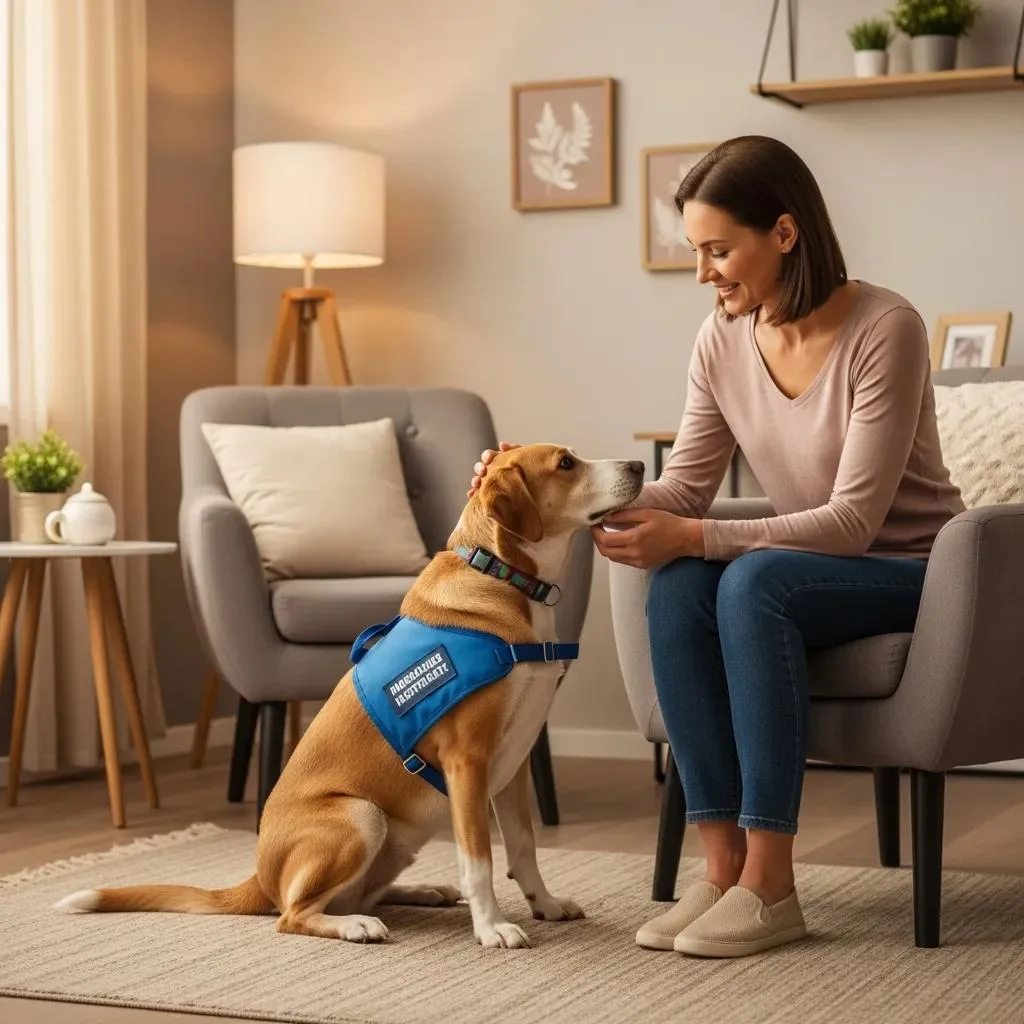
Therapy dogs are used in structured interventions — calming touch exercises, role-play for social skills, or presence during group processing — and require certified handlers plus clinician oversight to meet treatment aims. Emotional support animals act as ongoing companions that help with mood regulation outside formal sessions but typically need documentation, vaccination records, and facility approval to access residential settings. In clinical care, therapy dogs are integrated into measurable, evidence-based activities, while ESAs provide continuity of comfort when policies allow. Handler and clinical oversight ensures safety, infection-control, and behavior screening, and keeps animal involvement aligned with each patient’s treatment plan.
Is Equine Therapy an Effective Option for Substance Abuse Treatment?

Equine-assisted therapy uses large-animal interaction and nonverbal feedback to teach boundary awareness, responsibility, and emotional mirroring — approaches that can be especially helpful for clients with trauma histories or interpersonal regulation challenges. Research and program reports show equine sessions can increase self-efficacy, impulse control, and insight — skills tied to relapse prevention — though equine work often requires offsite facilities, higher costs, and careful medical screening for safety in patients recently detoxed. In inpatient programs, equine activities are usually offered after medical stabilization as a modular complement to on-site counseling rather than a daily treatment. Practical factors such as transport, staffing, and site access determine whether equine modalities fit a given program model.
How Does BetterChoice Treatment Center Integrate Pet Therapy into Its Addiction Recovery Programs?
At BetterChoice Treatment Center, pet therapy is treated as a complementary, clinically grounded option integrated into evidence-based detox and inpatient tracks. Integration requires interdisciplinary planning among clinical teams, nursing, and trusted animal-handling partners, plus scheduling that respects medical stabilization and infection-control needs. Policies cover eligibility, documentation, handler credentials, vaccination verification, and room or outdoor-space protocols so animal activities remain safe and therapeutically focused. Because BetterChoice already offers holistic supports like yoga and acupuncture and follows accreditation standards, adding AAT follows our model of blending medical care with supportive complementary therapies under strong clinical oversight.
What Are BetterChoice’s Policies for Pet-Friendly Rehab and Emotional Support Animals
Pet-integration policies prioritize clear eligibility, up-to-date health documentation, and scheduling controls to protect patients and staff while enabling therapeutic value. Required items typically include behavioral and vaccination records for animals, ESA letters when relevant, and clinical approvals to confirm a patient’s readiness. Safety rules often specify restricted access areas, mandatory handler presence during sessions, routine animal health checks, and cleaning protocols to reduce infection and allergy risk. Requests are routed through admissions or the clinical coordinator so pet interactions are timed around detox stabilization and therapy goals. These rules balance patient-centered care with facility safety and program integrity.
How Is Pet Therapy Combined with Detox and Inpatient Rehab Services?
Combining pet therapy with medical detox and inpatient rehab requires careful sequencing: medical stabilization and symptom control must come first, followed by supervised, time-limited animal sessions that form part of the overall care plan. Common steps include medical detox and stabilization, a team readiness review, scheduling of supervised sessions aligned with group therapy content, and ongoing evaluation to confirm safety and therapeutic benefit. Session formats can range from brief bedside calming visits during early stabilization to longer, goal-focused group or individual interventions as the client progresses. Coordination with nursing and psychiatry ensures sessions do not interfere with medication management, medical monitoring, or acute withdrawal care.
To clarify how pet therapy is phased into clinical care, the typical sequence looks like this:
- Complete medical detox and reach clinical stabilization under nursing and medical oversight.
- Conduct a multidisciplinary readiness review covering allergies, behavior, and treatment goals.
- Collect required documentation and approvals, including animal health records and handler credentials.
- Schedule supervised, time-limited AAT sessions coordinated with therapy groups and individual counseling.
- Monitor patient response and adjust frequency or modality to meet clinical objectives.
These steps help ensure pet therapy is used safely and effectively while keeping medical stabilization and evidence-based treatment at the forefront.
What Can Patients Expect When Participating in Pet Therapy at BetterChoice?
Patients can expect a structured intake and approval process that prioritizes clinical readiness and safety, followed by scheduled, supervised sessions tied to clear therapeutic goals like anxiety reduction, social skills practice, or relapse-prevention planning. Early inpatient days may include short calming visits, with group experiential activities introduced once medically stable and individualized assignments designed to translate responsibility and routine into aftercare plans. Required documentation usually includes proof of vaccination, behavior screening, and an ESA letter if requesting accommodation; clinicians review these items before approving access. Insurance coverage for AAT varies, so patients should verify benefits and discuss sliding-scale or alternative funding when needed.
The table below outlines intake steps, paperwork, and typical timelines so prospective participants understand the administrative and clinical path for pet-integrated care.
How Is the Intake Process Adapted for Pet Therapy Participants?
Intake adaptations for pet therapy focus on both patient and animal safety while confirming clinical appropriateness through extra documentation and screenings. Typical requirements include verified vaccination records, a temperament or behavior assessment for the animal, an ESA letter if relevant, and informed consent that outlines session limits and risks. Admissions coordinates a multidisciplinary review — medical, nursing, and clinical staff — to confirm readiness, and decisions are documented in the care plan so all shifts have the same guidance. Expect initial verification within days and the first supervised session once staff clearance and scheduling align.
What Support and Insurance Options Are Available for Pet Therapy Services?
Insurance coverage for AAT varies. Some behavioral health plans may cover animal-assisted therapy when delivered by licensed clinicians and documented in a treatment plan; ESAs and non-billable animal visits often require out-of-pocket payment or alternate support. Patients should request preauthorization for AAT, ask whether sessions can be billed under psychotherapy codes, and document clinical necessity to improve coverage chances. Alternative funding may include sliding-scale fees, community grants, or philanthropic support when available. Our clinical team can help with benefits checks, preauthorization requests, and appeals to identify workable funding options.
Why Choose BetterChoice Treatment Center for Pet Therapy in Las Vegas?
BetterChoice Treatment Center provides a local, evidence-minded setting where pet-integrated approaches complement accredited medical detox and inpatient care to support emotional stabilization and holistic recovery. Our model emphasizes coordination between clinical staff and complementary therapies — like yoga and acupuncture — within a standards-based framework backed by recognized accreditations and licensing. For Las Vegas residents seeking a safe, multidisciplinary option, BetterChoice situates pet therapy inside a comprehensive recovery pathway designed to improve engagement and emotional support. We prioritize transparency about policies, scheduling, and documentation so prospective patients understand how AAT fits within a full treatment plan.
What Makes BetterChoice’s Animal-Assisted Therapy Unique and Effective?
BetterChoice’s AAT approach is effective because we pair structured session goals with measurable outcomes, clinician-led interventions, and strict handler and animal-health protocols. By integrating AAT with our existing holistic services and upholding accreditation-driven quality controls, we avoid ad hoc visits that lack clinical purpose. Close coordination between nursing, medical detox teams, and therapists ensures AAT is scheduled at clinically appropriate times to support retention and emotional regulation. This standards-based integration separates treatment-focused AAT from informal animal visits.
Are There Success Stories Demonstrating Pet Therapy’s Impact on Lasting Recovery?
When internal data are limited, anonymized vignettes should be shared carefully. Current research and program evaluations, however, indicate that AAT can increase retention, lower anxiety scores, and boost self-efficacy — all outcomes linked to stronger long-term recovery. Studies through 2023 report modest-to-moderate stress reductions and improved mood after repeated AAT sessions, and program observations note better group participation and less isolation in inpatient settings. Clinicians should track outcome measures — for example anxiety scales, session attendance, and relapse indicators — to evaluate local impact and report aggregated results when appropriate. Transparent measurement and ongoing evaluation are essential to demonstrate lasting benefit and refine delivery.
- Contact and location note: BetterChoice Treatment Center operates in Las Vegas and can arrange local referrals and intake for patients interested in integrated care; our clinical teams are available by phone to answer admission and program questions.
Frequently Asked Questions
What qualifications do therapy animals need to participate in AAT programs?
Therapy animals must meet specific qualifications to ensure safety and therapeutic value. That usually means training and certification through recognized therapy-animal organizations, up-to-date vaccinations, and passing health screenings. Handlers should be trained to manage behavior and keep interactions safe and constructive. These standards help preserve a high-quality experience for patients.
How can family members support a loved one participating in pet therapy?
Family members can support participation by encouraging involvement, attending family therapy sessions that may include the therapy animal, and reinforcing positive experiences from sessions. At home, families can help maintain routines that echo the responsibility and structure practiced in AAT — for example, simple caregiving tasks or activities that promote emotional well-being.
Are there any risks associated with pet therapy in addiction recovery?
Pet therapy has many benefits, but there are risks to consider: allergies, fear of certain animals, or unexpected animal behavior can be challenging. Some clients with severe anxiety or trauma may find interactions overwhelming at first. Thorough screening, clear protocols, and continuous monitoring during sessions reduce these risks and allow staff to adapt or pause activity if needed.
What types of animals are commonly used in pet therapy programs?
Common therapy animals include dogs and cats, with smaller animals like rabbits or guinea pigs used in low-intensity settings. Equine therapy is also used for clients who benefit from nonverbal communication and boundary work. Each species offers different therapeutic strengths, and the choice depends on clinical goals, patient preference, and logistics.
How does pet therapy complement traditional addiction treatment methods?
Pet therapy complements traditional treatment by addressing emotional needs that may not be fully covered by conventional therapies alone. It helps with emotion regulation, reduces anxiety, and strengthens social connection, which can make patients more receptive to counseling. When combined with evidence-based practices, AAT adds a practical, relational layer to comprehensive care.
Can pet therapy be effective for all types of addiction?
Pet therapy can support many types of addiction, including substance use disorders and behavioral addictions, because the core benefits — stress reduction, mood improvement, and social support — are broadly applicable. Effectiveness varies by individual, so tailoring AAT to each person’s needs and treatment goals is important for maximizing benefit.
Conclusion
Carefully integrated pet therapy can add meaningful emotional support to addiction recovery: it calms anxiety, strengthens mood regulation, fosters connection, and promotes responsibility — all factors that support relapse prevention. When delivered within a structured, clinically supervised program, animal-assisted therapy complements medical and behavioral treatments and helps clients practice skills that transfer into daily life. If you’re exploring a holistic recovery path, BetterChoice Treatment Center can explain how our pet-integrated options fit into a personalized care plan and help you take the next step. Contact our admissions team to learn more about AAT availability and the intake process.