
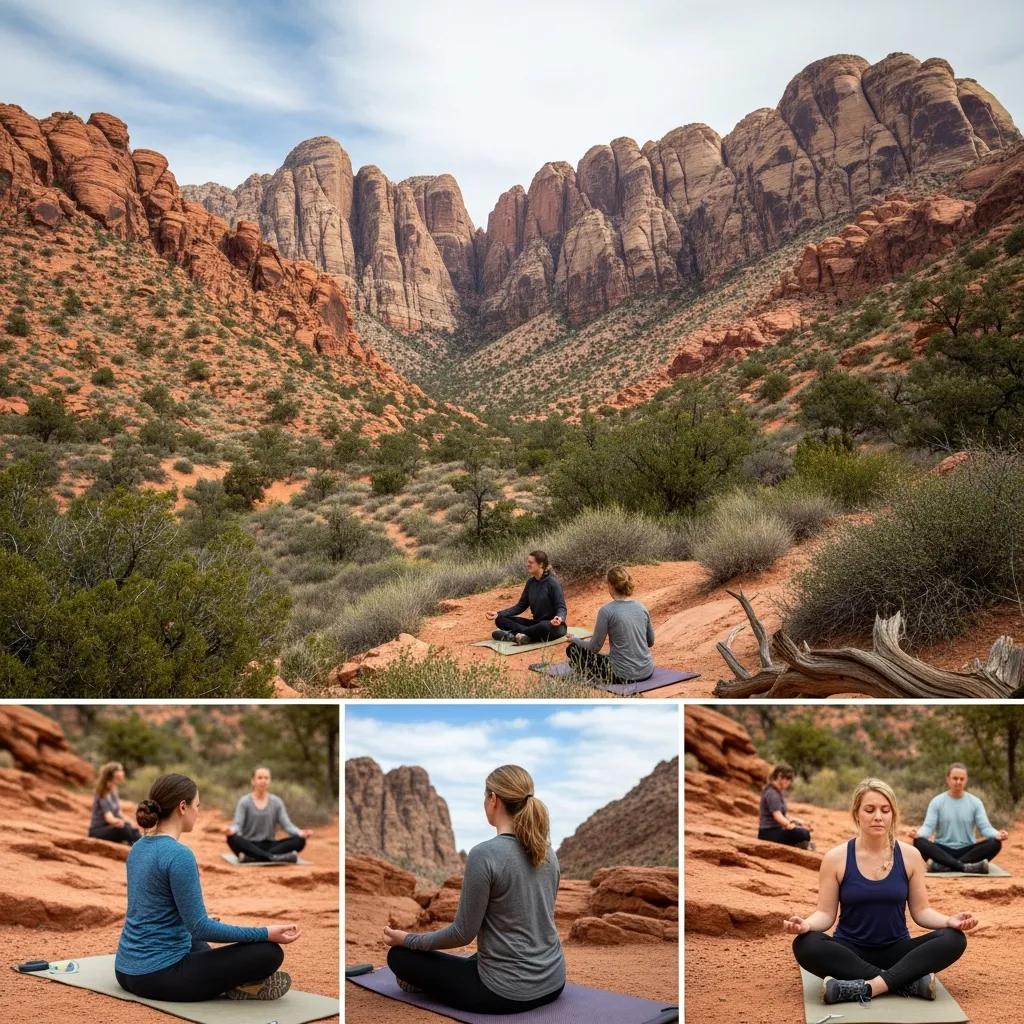
Las Vegas Outdoor Addiction Therapy: Comprehensive Wellness & Recovery Programs
Nature-based addiction therapy brings together evidence-based clinical care and carefully planned outdoor experiences to support physical, emotional, and social recovery. By using natural settings, guided movement, and hands-on learning, these programs help lower stress, steady emotions, and rebuild daily routines that support sobriety. Below, we explain why outdoor work in Las Vegas — from mindful hikes in Red Rock Canyon to outdoor yoga on campus — can speed recovery, how those activities integrate with medical detox and inpatient care, and what you can expect when joining a treatment program. Many people in early recovery struggle with poor sleep, anxiety, and isolation; nature-based therapies address these challenges by calming physiological arousal, encouraging healthy behavior, and providing peer-supported practice. This guide maps benefits, program models, adventure-based approaches, nearby natural sites, family involvement options, and practical intake and safety steps to help you plan outdoor therapy that complements clinical treatment and long-term relapse prevention.
What Are the Benefits of Nature-Based Recovery Programs in Las Vegas?

Nature-based recovery programs use purposeful outdoor activities to reduce stress, lift mood, and support lasting behavior change by engaging the senses and the body.
Time in natural settings lowers sympathetic nervous system activation and cuts down on rumination — both changes that can reduce cravings and improve emotional control for people in recovery.
Group outdoor activities also boost fitness, improve sleep patterns, and create social connection — practical coping skills that participants can use every day in Las Vegas.
Below is a concise list of the most common therapeutic benefits seen in nature-integrated addiction recovery programs to help patients and families decide if outdoor therapy matches their goals.
Core therapeutic benefits offered by nature-based programs in Las Vegas:
- Stress reduction: Natural settings lower cortisol and autonomic arousal, easing anxiety during withdrawal and early recovery.
- Improved mood: Sunlight and movement increase endorphins and serotonin, helping relieve depressive symptoms.
- Better sleep: Regular outdoor activity and daylight exposure help reset circadian rhythms.
- Physical fitness: Hiking, guided walks, and outdoor yoga strengthen cardiovascular and musculoskeletal health.
- Coping skills: Experiential challenges teach problem-solving, distress tolerance, and relapse-prevention techniques.
- Social bonding: Group activities build peer support and reduce the isolation common in early recovery.
These benefits reinforce one another: calmer physiology makes therapy and medical treatment more effective, which translates into measurable gains in wellbeing.
To make the differences clearer, the table below connects common outdoor therapies with the mechanisms they target and the outcomes you can expect.
Introductory comparison of outdoor therapies and main wellness benefits:
This comparison highlights how different outdoor activities target complementary recovery pathways. Integrating these sessions with clinical care makes overall treatment more effective and practical for program planning.
How Does Outdoor Therapy Support Addiction Healing?
Outdoor therapy supports recovery by changing stress biology, promoting behavioral activation, and giving people real-world practice with coping tools. Time in nature down-regulates the HPA axis, which lowers stress-hormone release and can reduce physiological triggers for craving. Structured outdoor routines replace substance use with healthy habits like walking, breathwork, and cooperative problem-solving. Practicing mindfulness and distress-tolerance skills in real-world natural settings helps transfer those skills into everyday life, strengthening resilience against relapse.
For example, a guided mindful hike pairs brief psychoeducation about cravings with on-trail coping exercises so participants can practice urge-surfing while naturally shifting attention to the environment.
That hands-on practice shortens the gap between insight and action. The next section describes measurable outcomes clinicians commonly track to assess progress.
What Mental and Physical Wellness Outcomes Can Be Expected?
People in nature-integrated programs often notice improvements in mood, sleep quality, and fitness within weeks, with stronger cognitive and social gains over months. Short-term changes (2–6 weeks) typically include reduced anxiety, more regular sleep, and increased daily activity. Medium-term gains (2–6 months) commonly show improved depressive symptoms, sustained use of coping skills, and greater social engagement. Clinicians measure progress with standardized tools such as sleep quality indexes, anxiety and depression scales, and functional fitness tests to tailor plans.
Outcomes depend on individual factors — medical stability, baseline fitness, and psychiatric comorbidity — so programs set realistic timelines and use repeated assessments to guide progression. Tracking these changes ensures outdoor activities complement medical detox, counseling, and medication-assisted treatments when applicable.
How Does BetterChoice Treatment Center Integrate Outdoor Activities into Addiction Recovery?
At BetterChoice Treatment Center, outdoor activities are woven into a clinical continuum that matches sessions to each patient’s medical and psychosocial needs. We combine onsite outdoor spaces with structured outdoor therapies and coordinate those services with medical detox and inpatient programming so high-acuity care happens indoors before outdoor participation begins.
Clinical staff evaluate medical stability, set supervision levels, and schedule activities so outdoor yoga, guided walks, and low-intensity fitness occur only after medical clearance and when patients are psychologically ready. Below is a service map that shows how specific components align with program phases and readiness.
Introductory mapping of service components to program phases:
This sequencing reflects BetterChoice’s safety-first approach: detox and stabilization come first, followed by graduated outdoor engagement that complements counseling and group work. The next section outlines the specific holistic outdoor therapies typically offered onsite and how they’re organized to support recovery.
Which Holistic Outdoor Therapies Are Offered Onsite?
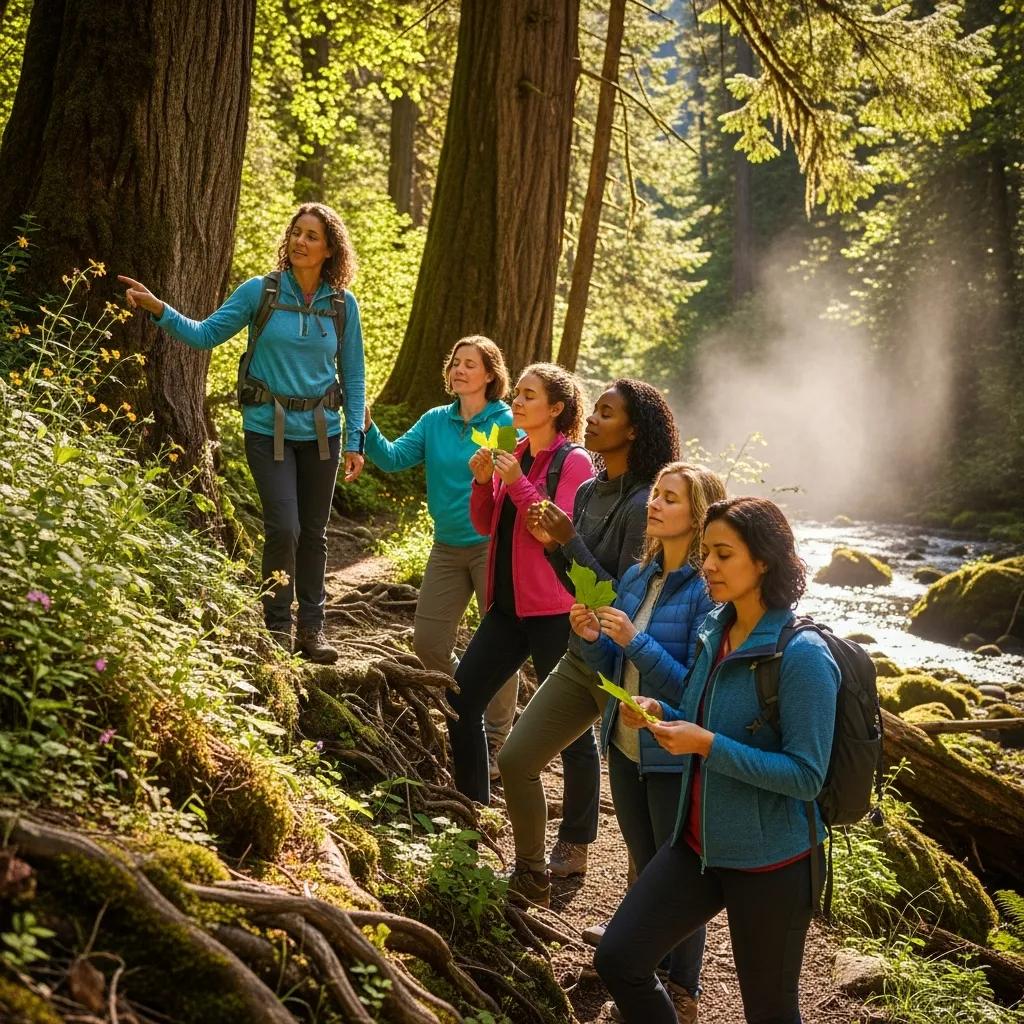
BetterChoice offers a range of outdoor therapies using our onsite spaces to support emotional regulation and physical health. Typical offerings include outdoor yoga for breath-and-movement integration, guided mindfulness walks that apply attention-restoration techniques, sound-informed relaxation sessions, and supervised outdoor fitness for cardiovascular health. Every session has a clear therapeutic purpose: they’re time-limited, led by trained staff or therapists, and matched to patient acuity and mobility.
Common session formats include a 45–60 minute practice (yoga or mindfulness), brief psychoeducation, and a group debrief that ties the outdoor experience to relapse-prevention goals. Low-intensity activities start early in inpatient stays after medical clearance; more demanding hikes and adventure exercises are scheduled later to build resilience progressively.
How Are Personalized Outdoor Wellness Plans Developed?
Personalized outdoor wellness plans are built through an interdisciplinary intake and ongoing review that considers medical status, mental health, mobility, and personal preferences. During intake the clinical team sets measurable goals and safety parameters; rehabilitation staff then design a phased plan that sequences onsite low-intensity sessions, progressive offsite excursions, and community reintegration activities.
Goals are reviewed periodically and plans adjusted for clinical progress, side effects, or environmental conditions. This collaborative, phased approach ensures activity intensity and supervision match each patient’s recovery stage, allowing safe exposure to nature while staying aligned with clinical objectives. Aftercare includes help connecting to community outdoor resources and maintenance strategies that support healthy routines after discharge.
What Adventure Therapy and Experiential Activities Enhance Recovery in Las Vegas?
Adventure therapy uses challenge-based outdoor tasks to teach problem-solving, teamwork, and emotional regulation — skills that support sustained recovery. In the Las Vegas area, appropriate modalities include low-ropes team challenges, therapeutic hiking, group navigation tasks, and water-edge experiential exercises that emphasize co-regulation and controlled stress exposure. Facilitators design activities to elicit learning and then lead reflective processing that turns trial-and-error into practical coping strategies.
- Low-ropes and team challenges: build trust, communication, and shared responsibility.
- Therapeutic hiking: develops endurance, pacing, and distress tolerance through graded exposure.
- Problem-solving exercises: strengthen executive functioning and adaptive coping under pressure.
- Water-edge or shoreline activities: support regulated arousal and grounding techniques.
Which Outdoor Activities Build Resilience and Coping Skills?
Specific activities map directly to resilience and coping by offering structured opportunities to practice adaptive behaviors. Therapeutic hiking encourages planning and pacing; low-ropes tasks require clear communication and cooperative problem-solving; and guided challenges create safe conditions to face fears and rebuild confidence.
Facilitators scaffold difficulty so participants experience early successes that reinforce mastery and self-efficacy. Group sizes are typically small to maximize participation and debriefing time; every session ends with reflective processing where participants connect experiential learning to concrete relapse-prevention strategies.
These intentional transfer activities help routinize healthy responses so participants are more likely to choose them when real-world stressors appear.
How Does Experiential Learning in Nature Support Lasting Sobriety?
Experiential learning in nature supports lasting sobriety by creating transferable habits, strengthening social supports, and embedding recovery rituals into daily life. Repeated practice of coping skills outdoors reinforces neural pathways that favor adaptive responses, increasing the likelihood of healthy choices under stress. Group experiences also form peer networks and shared stories that offer accountability and encouragement after treatment.
Programs often formalize these gains into aftercare plans, connecting participants with community groups and local outdoor resources to maintain activity routines. Long-term outcomes are tracked by monitoring continued involvement in healthy activities, relapse rates, and social support measures to evaluate the durability of experiential gains.
Where Are the Best Local Natural Attractions for Therapeutic Outdoor Activities Near Las Vegas?
Las Vegas is close to a wide range of natural environments suited for therapeutic outdoor work — from the red sandstone and desert views of Red Rock Canyon to the calm coves of Lake Mead and the alpine forests of Mount Charleston. Each site offers distinct sensory and physical conditions that therapists can use for mindfulness, graded exercise, and experiential learning.
Accessibility, seasonality, and intended therapeutic goals guide site selection and logistics for offsite excursions.
This comparison clarifies which environments best support different therapeutic aims and helps clinicians plan safe, effective onsite and offsite activities. The next sections describe how Red Rock Canyon and Lake Mead are used in practice and what seasonal planning looks like.
How Do Red Rock Canyon and Lake Mead Facilitate Mindfulness and Healing?
Red Rock Canyon’s striking geology and network of trails are ideal for attention-restoration and graded-exposure activities that reduce rumination and encourage present-moment focus. Mindful hikes use short stop-points, sensory checks, and breathwork to anchor attention, while elevation changes let clinicians scale physical challenge. Lake Mead’s shoreline offers lower-impact options: guided shoreline meditations and gentle walks that use water views and natural soundscapes to calm the nervous system.
Logistics matter: planners choose sunrise or late-afternoon slots to avoid heat, carry adequate water, and start with shorter loops to build tolerance before longer excursions. These precautions protect safety and boost therapeutic benefit.
What Wellness Benefits Does Mount Charleston Provide for Recovery?
Mount Charleston’s higher elevation and forested trails deliver cooler air, quieter surroundings, and forest-bathing opportunities that ease respiratory strain, lower physiological stress, and lift mood. The alpine setting supports longer reflective walks and restorative practices that counter urban overstimulation, and the fresher air can make moderate exertion feel more comfortable. Seasonal planning is essential: spring through fall generally offers clear access, while winter trips need careful weather and equipment checks.
Clinicians use Mount Charleston for multi-hour day trips focused on extended mindfulness, pacing strategies, and endurance-building hikes, always matching activity to fitness level and medical clearance. The mountain’s immersive sensory environment often leads to noticeable reductions in anxiety and improvements in sleep when integrated into a broader recovery plan.
How Can Families Participate in Outdoor Wellness Programs for Addiction Support?
Family involvement in outdoor wellness programs supports attachment repair, practical skill-building, and shared routines that help stabilize recovery after discharge. Families can take part in joint outdoor sessions, psychoeducational walks, and facilitated activities that practice communication and boundary-setting in a neutral, low-stakes setting. Structured family involvement also models healthy leisure and reinforces recovery-oriented habits at home.
- Supportive participation: families encourage and model safe behaviors.
- Educational engagement: family members learn relapse-prevention tools and communication techniques.
- Boundary maintenance: families agree to confidentiality and clear limits during sessions.
What Role Does Family Involvement Play in Nature-Based Recovery?
Family involvement helps repair relationships and develop co-regulation skills that are crucial for long-term recovery, especially when conflict or enabling behavior contributed to substance use. Outdoor family sessions focus on shared tasks, cooperative problem-solving, and guided reflection that reveal interaction patterns and allow practice of new responses. Nature provides a neutral backdrop that often reduces defensiveness and opens space for honest conversation, supporting deeper work in clinical sessions.
Preparation includes setting clear goals, privacy expectations, and safety plans so family participation supports — rather than complicates — the individual’s recovery. The next section explains how sessions are structured to balance therapeutic aims with safety and confidentiality.
How Are Outdoor Activities Structured to Support Family Healing?
Outdoor family sessions follow a clear agenda balancing experiential tasks, facilitated processing, and practical take-home strategies. Sessions typically begin with orientation and safety checks, move into cooperative activities (guided walks or low-ropes challenges), and finish with structured debriefing and practiced communication or boundary-setting skills. Facilitators close with concrete homework and a follow-up plan to maintain momentum.
This structure ensures clinical oversight, includes time for every family voice, and documents goals for integration into ongoing family therapy or outpatient follow-up.
What Should Patients Expect When Engaging in Outdoor Wellness and Recovery Programs?
Patients should expect a staged intake, medically informed scheduling of outdoor activities, insurance verification, and clear safety and privacy protocols. Typically, intake includes medical and psychosocial assessment, medically supervised stabilization if needed, and an introduction to low-intensity onsite outdoor sessions before any offsite outings. Insurance checks and prior authorizations are completed during intake to confirm coverage for inpatient and outpatient components, and clinical teams coordinate covered outdoor therapies within those authorizations.
Below is a practical checklist of what to bring and how to prepare so outdoor sessions are safe and predictable.
- Comfortable layered clothing and sturdy footwear appropriate for local terrain.
- Water bottle and sun protection (hat, sunscreen) for daytime sessions.
- Any required medications and documentation of medical clearance.
- A short personal plan with goals and emergency contact information.
What Are the Program Structure, Intake Steps, and Insurance Guidance?
Intake starts with a medical and psychosocial assessment documenting substance-use history, current medications, co-occurring conditions, and mobility limits. After assessment, clinicians determine medical clearance for outdoor activity and sequence services: medical detox (if required) → stabilization/inpatient rehab → initiation of low-intensity outdoor modules → graduated offsite excursions. Insurance verification is completed early; common steps include benefits checks, authorization requests for inpatient stays, and clarifying whether outdoor therapeutic services are covered.
We encourage patients to ask whether outdoor sessions fall under behavioral health benefits and to provide authorization details during intake to avoid scheduling delays. Coordination between clinical, activity, and case-management teams ensures outdoor therapies are integrated without disrupting medical care or billing.
How Is Safety and Privacy Ensured During Outdoor Activities?
Safety and privacy are protected through pre-session medical checks, supervision ratios matched to activity risk, and clear emergency-response procedures adapted for outdoor settings. Facilitators complete medical and risk screenings before each session, carry communication devices and first-aid supplies, and use predetermined routes and time limits to reduce environmental hazards. Privacy measures include choosing less-trafficked sites for sensitive work, obtaining informed consent for offsite activities, and setting confidentiality expectations for all participants.
These protocols preserve clinical safety and participant dignity while allowing the therapeutic benefits of nature exposure. If you’re ready to take the next step, our address is a clear starting point for in-person inquiries and intake coordination.
- Address for in-person inquiries: 198 Ebb Tide Cir, Las Vegas, NV 89123
Frequently Asked Questions
What types of outdoor activities are included in nature-based recovery programs?
Programs typically offer a mix of outdoor practices designed to support healing: outdoor yoga, guided nature walks, therapeutic hiking, and short mindfulness sits. Each activity is structured with a therapeutic aim — for instance, reducing stress, improving sleep, or building social support — and includes facilitation and debriefing so participants connect the experience to recovery goals.
How can outdoor therapy help with anxiety and depression?
Outdoor therapy can ease anxiety and depression through multiple pathways: nature exposure lowers cortisol and autonomic arousal, physical activity increases endorphins and serotonin, and group work reduces isolation. Mindful movement and attention practices taught outdoors also give people immediate tools to manage anxious or depressive states.
Are outdoor recovery programs suitable for individuals with physical limitations?
Yes. Most programs adapt activities for varying abilities — offering low-intensity options, shorter routes, or modified yoga poses. Clinicians assess mobility during intake and tailor sessions so everyone can participate meaningfully and safely.
What role does mindfulness play in outdoor therapy?
Mindfulness is central: it trains present-moment awareness and reduces automatic reactivity. Practicing mindfulness in natural settings helps people notice sensations and thoughts without judgment, which supports emotional regulation and makes coping strategies more accessible in daily life.
How do family members benefit from participating in outdoor wellness programs?
Family participation strengthens communication, models healthy routines, and provides hands-on practice with boundary-setting and relapse-prevention skills. Shared outdoor experiences can repair relational patterns in a neutral setting and help families build supportive environments for long-term recovery.
What should participants bring to outdoor therapy sessions?
Bring comfortable layered clothing, sturdy shoes, a water bottle, and sun protection. Also bring any required medications and documentation of medical clearance, plus a short personal plan with goals and emergency contact details.
How are outdoor therapy sessions structured for maximum benefit?
Sessions combine experiential activity, guided reflection, and practical skill-building. They usually start with orientation and safety checks, move into the activity (walk, yoga, or challenge), and end with a facilitated debrief that connects the experience to recovery strategies and homework.
Conclusion
Nature-based addiction therapy in Las Vegas pairs clinical care with the restorative power of the outdoors to support physical, emotional, and social recovery. Structured outdoor activities can reduce stress, improve mood and sleep, and strengthen social bonds — all essential elements for lasting sobriety. Knowing how these therapies coordinate with medical care helps you choose the right path for recovery. When you’re ready, explore our outdoor wellness programs to find the right fit for your healing journey.