

Opioid Addiction Treatment in Nevada — Understanding the Crisis and Finding a Path to Recovery
Opioid addiction — clinically called opioid use disorder (OUD) — is a treatable, chronic medical condition marked by compulsive opioid use, tolerance, and withdrawal that can damage health, relationships, and daily life. This guide describes the biological and social contributors to OUD, reviews medically supervised withdrawal and rehabilitation options across Nevada, and gives clear next steps for people and families seeking care in Las Vegas and statewide. You’ll learn how to spot symptoms, what medical detox and medication‑assisted treatment (MAT) involve, how levels of care compare from inpatient to outpatient, and what family‑centered and holistic supports can lower relapse risk. We also walk through insurance checks, admissions, and aftercare planning so you can move from stabilization to sustained recovery with practical expectations. Throughout, the focus is on evidence‑based care — detox, MAT, psychotherapy, and community supports — so families and individuals can make informed decisions about treatment in Nevada.
What Is Opioid Addiction and How Does It Impact Individuals and Families?
Opioid addiction (OUD) is a medical condition in which repeated opioid use changes the brain’s reward and stress systems, producing strong cravings, reduced control over use, and real life consequences. Over time people develop tolerance (needing more to get the same effect) and neuroadaptations that drive continued use despite harm. OUD raises the risk of overdose, infectious disease, and co‑occurring mental‑health conditions, and it often creates financial strain, caregiving disruption, and loss of trust inside families. Seeing OUD as a treatable health issue helps families move from blame to practical support — safety planning, accessing naloxone, and connecting with professional care.
What Are the Signs and Symptoms of Opioid Use Disorder?
Early recognition helps with timely intervention and safety planning. Behavioral signs include social withdrawal, missed responsibilities, “doctor‑shopping,” and legal or financial problems tied to obtaining opioids. Physical signs often show as pinpoint pupils, drowsiness, slowed breathing, or flu‑like withdrawal when doses are missed. Emotional and cognitive indicators include intense cravings, mood swings, poor decision‑making, and an inability to stop use despite harm. If you notice multiple signs, seek a professional evaluation right away and prioritize overdose prevention and access to naloxone.
What Causes Opioid Addiction and What Are Its Effects?
Opioid addiction usually results from several interacting factors: repeated prescription opioid exposure, use of illicit opioids (heroin, fentanyl), genetic vulnerability, trauma, and untreated mental‑health conditions. Repeated opioid use suppresses the body’s own opioid systems and alters dopamine reward pathways, producing tolerance and physical dependence that perpetuate use. Long‑term effects include higher overdose risk, difficulties with thinking and emotion regulation, infectious complications from injection use, and increased sensitivity to pain. Treating the medical, psychological, and social drivers of OUD improves outcomes and lowers the chance of relapse.
How Does Medical Detox Support Safe Opioid Withdrawal?
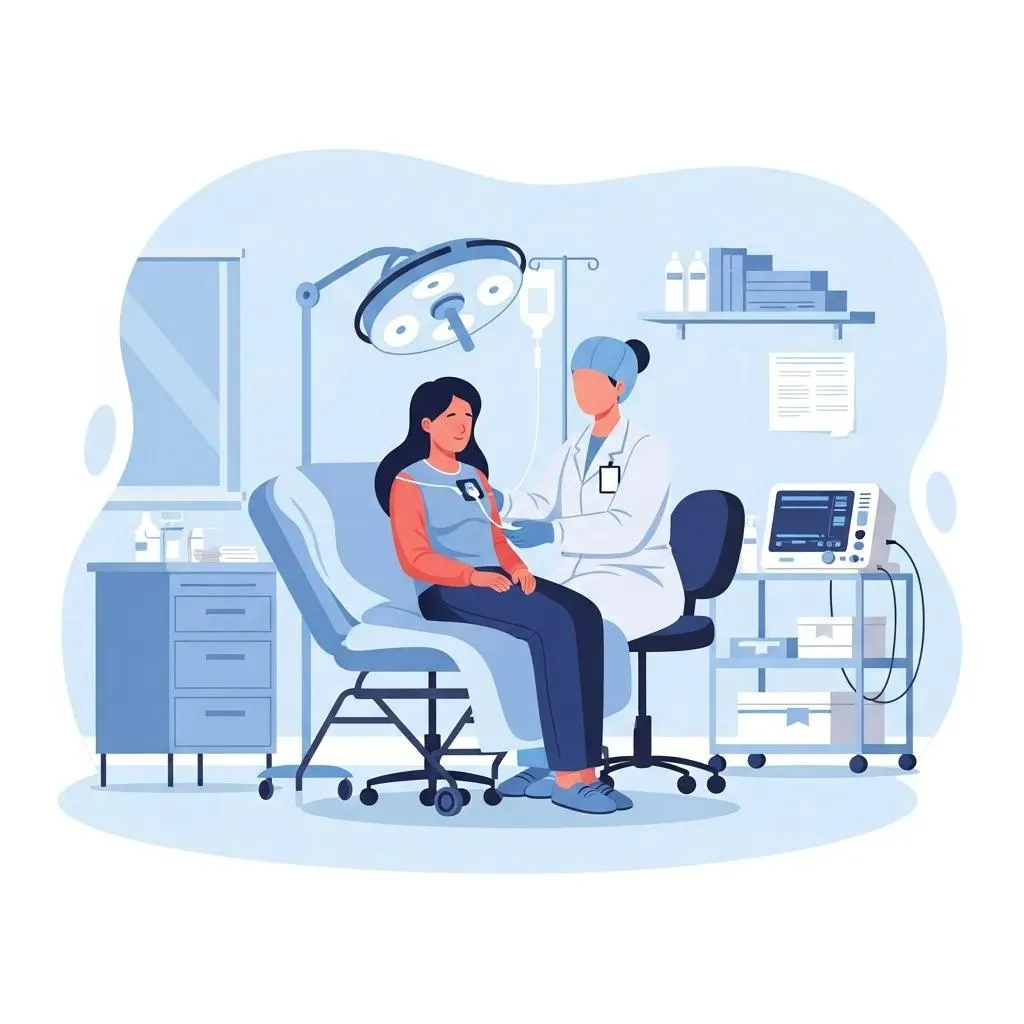
Medical detox is the supervised process of managing acute opioid withdrawal while stabilizing medical and psychiatric needs. Its primary goals are safety, symptom relief, and preparing patients for ongoing treatment. Under clinical care, detox teams monitor vital signs, provide symptom‑relief medications and fluids, and assess overdose and medical risk to reduce complications during the acute phase. Supervised detox shortens dangerous instability, allows earlier start of evidence‑based treatments like MAT, and creates a bridge to rehab and psychosocial services. Because fentanyl and some synthetic opioids can change withdrawal timing and severity, medical oversight is especially important for recent illicit opioid exposure.
The detox process generally follows a familiar sequence clinicians use to keep care safe and coordinated.
- Intake and medical assessment: A clinical review of medical history, current substance use, and overdose risk.
- Stabilization: Symptom control, monitoring, and short medical interventions to reduce acute distress.
- Transition planning: A discharge and treatment plan that links patients to MAT, residential care, or outpatient services.
This stepwise approach reduces immediate medical risk and sets the stage for sustained recovery through timely follow‑up care.
Before the comparison table below, note that the opioid’s source and formulation affect clinical strategy and expected withdrawal timelines.
This comparison shows that fentanyl‑related detox often needs longer, closer monitoring than some prescription opioid withdrawals, and that MAT is a critical bridge from detox to ongoing care.
After medical stabilization, prompt connection to the next level of care — MAT, inpatient rehab, PHP, or IOP — improves retention and lowers overdose risk.
What Is the Process of Fentanyl Detox in Las Vegas?
Fentanyl detox needs close clinical attention because of the drug’s potency and variable tissue binding, which can prolong withdrawal and raise overdose risk after a relapse. Care begins with a thorough medical screen, evaluation for co‑occurring psychiatric or medical issues, and an individualized symptom‑management plan. Clinicians provide supportive medications, monitor for respiratory compromise, and plan for MAT initiation or referral to higher levels of care when indicated. Local programs prioritize rapid transition into maintenance therapies and psychosocial supports to reduce short‑term mortality and improve recovery outcomes.
What Are Common Opiate Withdrawal Symptoms and How Are They Managed?
Opiate withdrawal often starts with early signs like anxiety, yawning, and a runny nose, moves to peak symptoms such as nausea, muscle aches, abdominal cramps, and insomnia, and gradually eases over days to weeks depending on the opioid. Medical detox focuses on symptom relief — fluids and electrolytes, antiemetics, pain control, and medications to reduce autonomic symptoms — together with close monitoring for complications. Clinicians use standardized scales to track severity and adjust care, and they arrange for MAT initiation when clinically appropriate to lower cravings and relapse risk. Effective symptom control reduces distress and improves engagement with follow‑up treatment.
What Are the Inpatient and Outpatient Opioid Recovery Programs Available?
Care for opioid recovery spans 24/7 inpatient residential programs to outpatient counseling, with intermediate options like partial hospitalization programs (PHP) and intensive outpatient programs (IOP) that provide structured therapy while people live at home. Each level balances clinical intensity, medical oversight, and psychosocial supports: inpatient programs offer continuous monitoring and a controlled environment for high‑risk patients; PHP delivers hospital‑level therapeutic hours during the day; IOP provides multi‑hour sessions several days per week; standard outpatient gives individual and group therapy with less frequent contact. The right level depends on severity, medical and psychiatric needs, social supports, and relapse or overdose risk.
The following list outlines typical program features to help match needs to care settings.
- Inpatient/Residential Programs: 24/7 clinical care, structured daily routines, medical oversight, and integrated therapies for high‑acuity needs.
- Partial Hospitalization Programs (PHP): Daytime clinical intensity similar to hospital care with multidisciplinary services and daily therapeutic hours.
- Intensive Outpatient Programs (IOP): Several weekly sessions combining group therapy, individual counseling, and case management while patients live at home.
These models form a care continuum that supports people from stabilization through skill‑building and community reintegration. Thoughtful transition planning reduces gaps that can lead to relapse.
A concise, fact‑based description of local services helps with decision‑making: BetterChoice Treatment Center operates inpatient programs along with step‑down options like PHP and IOP, offering multidisciplinary clinical teams and integrated therapies to support smooth transitions in care and continuity after detox. This overview clarifies what to expect from a facility that provides these levels of care.
The BetterChoice Difference
BetterChoice Treatment Center publicly lists its accreditations and credentialed staff and highlights multidisciplinary teams plus complementary therapies as parts of comprehensive care. Key factual elements include recognized accreditation, named clinical leadership, and the addition of holistic modalities alongside clinically supervised programs.
How Do Inpatient Rehab Programs Support Lasting Opioid Recovery?
Inpatient rehab supports recovery by offering a structured therapeutic environment where medical, psychiatric, and behavioral interventions are delivered continuously to stabilize patients and teach recovery skills. Daily schedules typically combine individual therapy, group psychotherapy, family sessions, psychoeducation, and medical monitoring to address co‑occurring disorders and relapse prevention. Continuous clinical oversight enables prompt medication management, crisis intervention, and coordination with social services to address housing or vocational needs affecting recovery. Transition planning into outpatient supports or MAT maintenance is built into care to help sustain gains after discharge.
What Are Intensive Outpatient and Partial Hospitalization Programs?
PHP and IOP mainly differ in daily intensity and medical oversight: PHP often provides full daytime programming with clinical monitoring, while IOP consists of several weekly sessions (evening or daytime) that let patients keep home responsibilities. Typical PHP schedules include multiple hours each weekday with access to psychiatry, medication management, and varied therapies; IOP offers structured therapy blocks (for example, 3–5 days per week) focused on relapse prevention, skills training, and case management. These programs suit people who need significant therapeutic contact but not 24/7 supervision, and they commonly serve as step‑down care after inpatient stabilization.
How Does Medication-Assisted Treatment Enhance Opioid Addiction Recovery?
Medication‑assisted treatment (MAT) pairs FDA‑approved medications with counseling and behavioral therapies to reduce cravings, prevent withdrawal, and lower overdose risk while supporting recovery goals. MAT stabilizes brain chemistry disrupted by opioids, reducing compulsive drug‑seeking and allowing people to benefit more from psychosocial treatment. When integrated into a comprehensive plan with therapy and case management, MAT increases retention, lowers illicit opioid use, and reduces mortality. Clinicians coordinate dosing, monitoring, and counseling to build individualized long‑term plans that focus on safety and day‑to‑day functioning.
Before the comparison table, note that each MAT medication works differently and is chosen based on clinical history, access, and treatment goals.
This comparison underscores that MAT isn’t one‑size‑fits‑all: medication choice depends on history, risk profile, and care setting, and each option works best alongside counseling and monitoring.
What Are the Roles of Methadone, Buprenorphine, and Naltrexone in MAT?
Methadone, buprenorphine, and naltrexone each have distinct roles based on their pharmacology and delivery models. Methadone, a full agonist, is dispensed through specialized clinics and can offer high retention for people with severe dependence. Buprenorphine, a partial agonist available via office‑based prescribing, reduces cravings and carries a safer overdose profile, making it widely used across settings. Naltrexone, an antagonist, is started after detox to block opioid effects and support relapse prevention in patients who are opioid‑free; starting it requires medical clearance and an opioid‑free window to avoid precipitated withdrawal. Clinicians weigh benefits, access, supervision needs, and patient preference when recommending a medication.
How Is MAT Integrated into Comprehensive Treatment Plans?
Integrating MAT includes medical initiation and regular follow‑up for dose adjustments and monitoring, combined behavioral therapies, and coordinated psychosocial supports such as case management, housing assistance, and vocational services. A typical pathway starts with medical assessment and safe induction onto a MAT medication, followed by scheduled counseling, urine drug testing or other monitoring, and crisis contingency planning. Ongoing collaboration among prescribers, therapists, and peer‑support resources keeps people engaged and addresses co‑occurring mental‑health conditions. Long‑term plans may involve maintenance dosing, cautious tapering only when clinically appropriate, and sustained psychosocial care to reduce relapse risk.
What Holistic Therapies and Family Support Resources Aid Opioid Recovery?

Complementary holistic therapies can support stress reduction, sleep, pain management, and emotional regulation when they’re added to core medical and behavioral treatments. Practices like yoga, acupuncture, mindfulness‑based stress reduction, and sound therapy help lower physiological arousal and build coping skills that reduce relapse vulnerability. Family‑focused services — education, family therapy, and naloxone training — strengthen support systems, improve communication, and reduce environmental triggers. When scheduled alongside primary treatments, these modalities increase engagement and address wellbeing areas not covered by medical care alone.
Below is a short list of common holistic supports and the benefits people often report.
- Yoga and mindfulness: Reduce stress and improve emotional regulation through breathwork and body awareness.
- Acupuncture: Can help relieve pain and ease some withdrawal discomfort for certain patients.
- Sound therapy and meditation: Promote relaxation, better sleep, and lower anxiety symptoms.
These supportive practices complement evidence‑based care by addressing physical and emotional needs that matter for long‑term recovery, and they’re often part of a comprehensive program schedule.
How Do Yoga, Acupuncture, and Sound Baths Support Healing?
Yoga and mindfulness strengthen autonomic regulation and emotional resilience, helping people manage cravings and stressors that trigger relapse. Acupuncture is sometimes used as an adjunct to ease pain and withdrawal symptoms, offering a nonpharmacologic option for symptom relief. Sound baths and guided relaxation reduce hyperarousal, support sleep, and stabilize mood in early recovery. When clinicians integrate these therapies into broader plans, many patients report better sleep, less anxiety, and greater readiness to engage in cognitive and behavioral work.
What Resources Are Available for Families of Those Struggling with Opioid Addiction?
Families benefit from education about overdose prevention, safe medication storage, and naloxone training — immediate steps that reduce mortality risk. Family therapy and structured education teach communication, boundary‑setting, and ways to support treatment engagement without enabling use. Local support groups and community organizations offer ongoing peer support and referrals for legal or financial guidance tied to caregiving. Taking safety steps and joining family‑focused treatment increases the chance that loved ones stay connected to care and help sustain recovery.
How Can Patients Navigate Insurance, Admissions, and Long-Term Recovery?
Handling insurance and admissions requires specific documents, verification steps, and an understanding of the usual flow from intake to placement in the right level of care. Verification typically needs insurance policy details, ID, and sometimes pre‑authorization for higher levels of care. Admissions usually include an intake assessment, medical clearance, and placement decisions based on clinical need and insurer rules. Aftercare planning centers on relapse prevention, community supports, and scheduled follow‑ups to maintain treatment progress.
The table below summarizes common insurers and what to prepare for verification.
This insurer‑focused table helps you gather essential information for verification and shows that pre‑authorization and clinical documentation are commonly requested.
Below is a short checklist of steps to expect during admissions.
- Bring photo ID, insurance or benefits information, and a brief summary of recent substance use for intake.
- Complete a clinical intake assessment covering medical history, psychiatric conditions, and current substance use.
- Undergo medical clearance and a placement decision to match the level of care to clinical needs.
Verification and admissions teams use these documents to speed placement; asking a treatment center’s intake staff for help can streamline the process. BetterChoice Treatment Center offers assistance with insurance verification and intake coordination to identify the right placement and next steps, supporting patients through the verification workflow as part of admissions.
What Insurance Plans Are Accepted and How Is Verification Handled?
Typical insurance procedures include an initial benefits check, pre‑authorization for higher levels of care, and ongoing claims coordination for inpatient or extended services. Expect a verification call or online check where insurance reps confirm coverage, identify copays or deductibles, and note any pre‑authorization requirements for residential care. Be ready to provide ID, policy number, recent claims, and concise clinical information to speed approval. Working with a program’s verification staff often eases this process by submitting paperwork and speaking with insurers on your behalf.
What Are Effective Strategies for Relapse Prevention and Aftercare Planning?
Strong relapse prevention combines medication continuity (if on MAT), ongoing therapy, peer support, and concrete trigger‑management plans tailored to individual risk. Practical steps include keeping scheduled counseling and MAT appointments, joining support groups or alumni programs, using contingency plans for high‑risk situations, and ensuring naloxone and emergency contacts are accessible. A sample 6–12 month aftercare timeline emphasizes early high‑intensity contact (weekly therapy and MAT follow‑up), gradual tapering of formal sessions as stability grows, and long‑term community involvement to sustain recovery. Continued monitoring and flexible plan adjustments lower relapse risk and support lasting recovery.
- Maintain MAT and medical follow‑up: Continue prescribed medication and regular clinic check‑ins.
- Engage in regular therapy and peer support: Weekly or biweekly contacts early on help build coping skills.
- Use a written relapse plan: List triggers, coping steps, and emergency contacts for quick action.
These strategies, combined with community supports and coordinated care, create a resilient aftercare plan that adapts as needs change and reduces long‑term risk.
Frequently Asked Questions
What is the role of family support in opioid addiction recovery?
Family support is often a cornerstone of recovery. Loved ones provide emotional stability, encouragement, and accountability. Involving family in therapy improves communication and helps set healthy boundaries. Family education on addiction, overdose prevention, and safe medication practices empowers caregivers to support someone in recovery without enabling harmful behaviors. Including family members in treatment planning can strengthen long‑term outcomes.
How can someone find local opioid addiction treatment resources in Nevada?
Start by contacting state or local health departments for directories of licensed treatment programs. National resources like the Substance Abuse and Mental Health Services Administration (SAMHSA) offer searchable treatment locators. Local healthcare providers, community organizations, and peer‑run support groups can also give referrals and up‑to‑date information tailored to your needs.
What are the potential side effects of medication-assisted treatment (MAT)?
MAT side effects vary by medication. Methadone can cause drowsiness, constipation, and sweating; buprenorphine may cause headaches, nausea, or fatigue; naltrexone can trigger withdrawal if started before the patient is opioid‑free. Talk openly with your provider about side effects so they can monitor and manage them throughout treatment.
What should I expect during the intake process for opioid addiction treatment?
Expect a thorough assessment of medical history, substance use patterns, and any co‑occurring mental‑health issues. Clinicians determine the severity of the condition and recommend the appropriate level of care. The intake typically includes questionnaires, ID and insurance checks, and a discussion of treatment goals to create a personalized plan.
How can holistic therapies complement traditional opioid addiction treatments?
Holistic therapies address physical, emotional, and spiritual needs alongside medical treatment. Yoga, meditation, and acupuncture can reduce stress, improve emotional regulation, and ease some withdrawal symptoms. These approaches often increase overall wellbeing and engagement in core treatments, giving people more tools to manage everyday challenges.
What are the signs that someone may be relapsing after treatment?
Warning signs of relapse include increased secrecy, withdrawal from positive social contacts, neglecting responsibilities, and reconnecting with people or places tied to past use. Emotionally, look for rising anxiety, depression, or irritability; physically, watch for changes in sleep, appetite, or personal hygiene. Spotting these signs early allows families and clinicians to intervene and reconnect the person with support.
Conclusion
Knowing the signs of opioid use disorder and the range of treatment options in Nevada helps individuals and families choose care that fits their needs. Evidence‑based treatments — including medical detox, MAT, therapy, and community supports — increase the chances of lasting recovery. If you or a loved one is ready to take the next step, review our resources and reach out to local treatment providers to start building a safer, more stable path forward.