

Nutrition & Diet for Addiction Recovery: A Practical Guide to Support Sobriety and Healing
Good nutrition is one of the cornerstones of lasting recovery. It replaces nutrients worn down by substance use, steadies mood, and reduces cravings that can lead to relapse. This guide walks through how targeted eating strategies and nutrient repletion help repair the brain, support liver and gut healing, and build emotional resilience during detox and early sobriety. You’ll find which macronutrients and micronutrients matter most, simple meal-planning steps to keep blood sugar and mood steady, and substance-specific priorities for alcohol and opioid recovery. We also explain how clinical programs put nutrition into practice—therapeutic meal plans, intake screening, and discharge planning—so these ideas can be used in inpatient care and at home.
Why Is Nutrition Crucial in Addiction Recovery?
Nutrition matters because substance use often leaves people nutrient-depleted and strains vital organs. Replacing those nutrients supports physical healing and lowers relapse risk. The right diet supplies amino acids and B vitamins for neurotransmitter production, keeps blood sugar stable to reduce mood swings and cravings, and provides antioxidants and anti-inflammatory nutrients that aid brain and liver repair. Restoring nutritional balance can ease withdrawal, speed tissue recovery, and improve the mental clarity needed for therapy and coping skills. That’s why dietary changes are a natural partner to counseling and medical care during early and sustained recovery.
How Does Addiction Impact Nutritional Health and Organ Function?
Substance use can cause malabsorption, appetite changes, dehydration, and organ damage, which often lead to specific nutrient shortfalls and medical complications. Chronic alcohol use, for example, interferes with thiamine absorption and burdens the liver, while stimulants and opioids may suppress appetite and slow gut motility, reducing intake and absorption. Those effects show up as fatigue, neuropathy, slow wound healing, and mood instability—all of which make treatment harder. Screening for weight shifts, deficiency signs, and organ markers at intake helps clinicians prioritize repletion and build dietary plans that restore function.
What Is the Role of Nutrition in Mood Regulation and Cravings Reduction?
Food affects mood and cravings by supplying the building blocks for neurotransmitters, stabilizing blood sugar, and lowering inflammation that alters brain signaling and reward pathways. Adequate protein delivers amino acids such as tryptophan and tyrosine for serotonin and dopamine production, while B vitamins help key enzymatic steps in neurotransmitter and energy metabolism. Choosing steady carbohydrates and eating regularly prevents hypoglycemia-driven cravings and impulsive behavior. Anti-inflammatory foods support neurochemical balance, which can reduce anxiety and depressive symptoms. Making these dietary habits part of daily life helps manage immediate cravings and supports longer-term emotional stability.
- Core ways nutrition reduces cravings and steadies mood:
Provides amino acids and B vitamins needed for neurotransmitter synthesis.
Prevents blood sugar dips that trigger impulsive cravings and irritability.
Reduces systemic inflammation that can worsen anxiety and cognitive fog.
These effects on neurotransmitters and blood sugar point directly to which nutrients should be prioritized for brain repair and physical recovery.
Which Essential Nutrients Support Brain Health and Physical Repair?
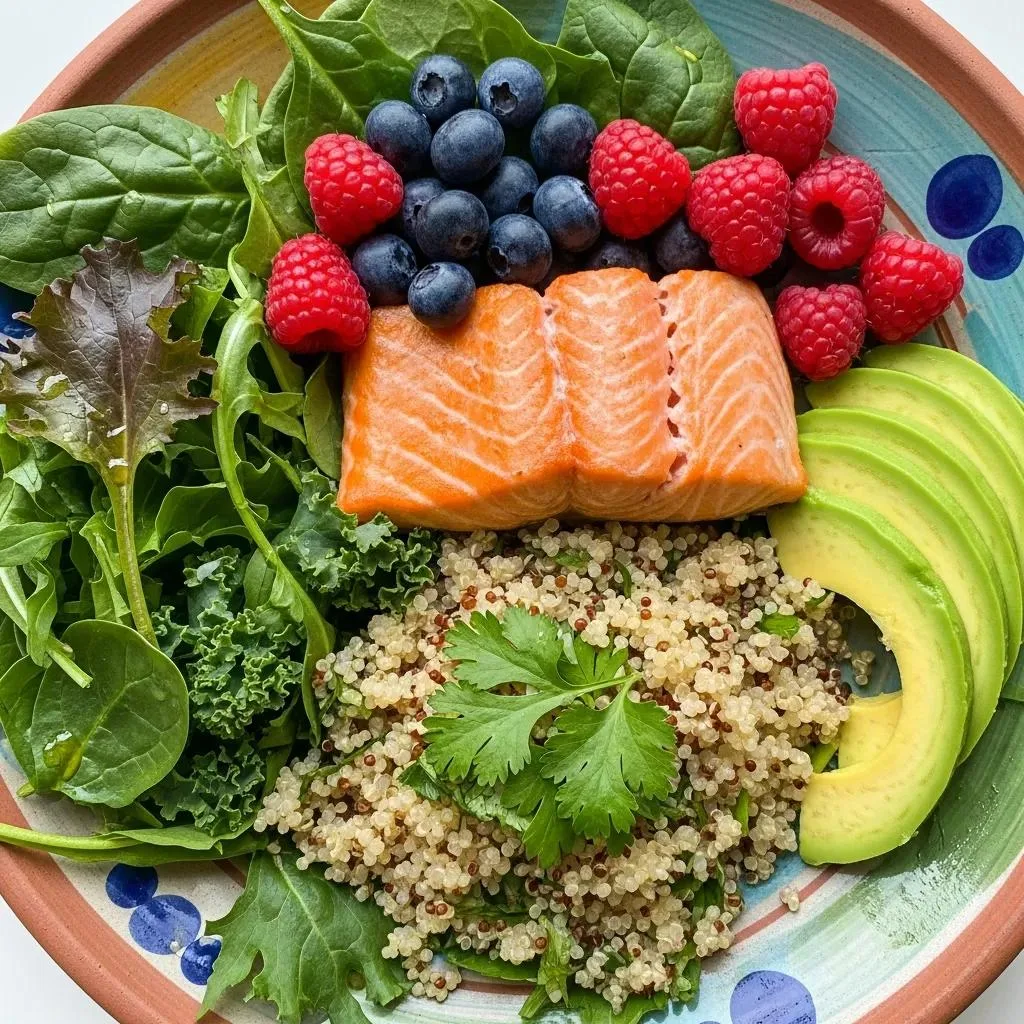
Recovery depends on macronutrients for energy and repair, plus micronutrients for neurotransmission, antioxidant protection, and tissue rebuilding. Protein is essential for muscle and liver repair and supplies amino acids for neurotransmitters. Complex carbohydrates give steady glucose for the brain, and healthy fats—especially omega-3s—help rebuild neuronal membranes. Important micronutrients include the B-complex vitamins, vitamin C, vitamin D, magnesium, and zinc, each supporting energy, collagen formation, sleep and mood, and immune function. Hydration and electrolyte balance are also critical, particularly during early detox when losses are common.
Different nutrients deliver specific recovery benefits:
Use these nutrient roles to shape meals that prioritize steady energy, clearer thinking, and physical healing during early recovery.
What Are the Key Macronutrients for Recovery: Proteins, Carbohydrates, and Healthy Fats?
Macronutrients supply the energy and building blocks for healing; balancing them helps curb cravings and support cognition. Quality protein at every meal helps rebuild tissue and supplies amino acids for serotonin and dopamine. Complex carbohydrates—whole grains and starchy vegetables—offer slow-release glucose to prevent crashes and mood swings, while fiber supports gut health. Healthy fats, particularly omega-3s, reduce neuroinflammation and aid neuronal repair. Including fatty fish, nuts, and seeds regularly supports brain recovery.
- Sample meals that balance macronutrients:
Grilled salmon with quinoa and steamed broccoli — protein + complex carbs + healthy fats.
Greek yogurt with berries and chia seeds — protein + antioxidants + omega-3 precursors.
Lentil stew with mixed vegetables and whole-grain bread — plant protein + fiber + steady energy.
Balancing these groups at each meal helps keep blood sugar steady and supplies the substrates the body and brain need to mend.
Which Vitamins and Minerals Are Vital for Healing During Recovery?
Certain vitamins and minerals deserve special attention during recovery because they’re commonly depleted and directly affect function. Thiamine (B1) and other B vitamins are crucial after heavy alcohol use to prevent neuropathy and support cognition; dietary sources and clinical supplementation are both used when needed. Vitamin C supports tissue repair and immunity, while vitamin D affects mood and immune regulation and may need supplementation after testing. Magnesium helps with sleep and craving control, and zinc supports wound healing and immune health. Noting signs like tingling, fatigue, or slow wound healing guides targeted repletion and food choices.
These micronutrient targets inform clinical screening and everyday meal choices that help accelerate recovery and reduce symptoms that interfere with therapy.
How Does BetterChoice Treatment Center Integrate Nutrition into Recovery Programs?
At BetterChoice, nutrition is part of clinical care—not an afterthought. We combine medical screening, chef-prepared therapeutic meals, and multidisciplinary oversight so nutrition advances healing goals while honoring patient dignity. During intake, clinicians assess for nutrient deficiencies, weight changes, and hydration so repletion plans can start right away. Our inpatient kitchen prepares meals that prioritize protein, complex carbs, healthy fats, and micronutrient-rich ingredients aligned with recovery objectives. Physicians, therapists, and nursing staff coordinate nutrition with medications and behavioral work, and 24/7 supervision ensures care is both safe and intentional.
The program’s approach centers on measurable outcomes and patient-centered care:
- Clinical screening at intake identifies immediate nutrient gaps and hydration needs.
- Therapeutic menus deliver consistent, nutrient-balanced meals timed to support blood sugar stability.
- Multidisciplinary teams monitor progress, adjust plans, and prepare discharge guidance for ongoing recovery.
This model makes nutrition a tracked, clinical element of detox and stabilization and leads naturally into the role of chef-prepared meals as therapeutic tools.
How Do Gourmet Meals Serve as Therapeutic Nourishment?
Chef-prepared meals do more than taste good—they help normalize appetite, increase nutrient density, and restore dignity around food while meeting clinical needs. Thoughtful menus combine lean proteins, colorful vegetables, whole grains, and healthy fats to provide amino acids, micronutrients, and anti-inflammatory compounds needed for brain and liver repair. Variety and palatability rebuild appetite and encourage consistent intake, which is crucial after appetite suppression or GI symptoms. Serving nutrient-dense food in an attractive way supports adherence and emotional well-being, reinforcing the therapeutic environment.
Repletion-focused menus aim for balanced components that promote steady energy and stable mood, which ties into how nutrition is sequenced through detox and inpatient care.
How Is Nutrition Incorporated into Detox and Inpatient Care?
Nutrition is phased through care: immediate hydration and electrolyte support in early detox, targeted micronutrient repletion and protein-focused meals during stabilization, and discharge planning that emphasizes sustainable meal patterns and community resources. Intake screening identifies urgent deficits and prompts early steps—oral rehydration, high-protein snacks, and vitamin support when indicated. During stabilization, consistent meals, weight and symptom monitoring, and clinical adjustments track recovery. Discharge planning offers practical meal ideas, grocery strategies, and referrals to outpatient nutrition services so gains are maintained after leaving care.
- Typical phased nutrition workflow:
Early detox: hydration, electrolytes, and gentle, frequent small meals.
Stabilization: nutrient-dense breakfasts, protein at each meal, and micronutrient emphasis.
Transition: individualized discharge guidance and community referrals.
This phased, supervised approach keeps nutrition integral to recovery rather than optional, supporting patients as they move from structured care back to daily life.
What Practical Dietary Strategies Promote Long-Term Sobriety?
Practical food strategies support sobriety by creating routine eating patterns, preventing blood sugar-driven cravings, improving sleep, and stabilizing mood—factors that help people stay engaged in treatment. Key tactics include simple meal planning, mindful eating to rebuild a healthy relationship with food, hydration guidelines for early recovery, and intentional reduction of processed foods and added sugars that fuel craving cycles. These steps are cheap, scalable, and effective in both residential and outpatient settings: weekly templates, snack rules to avoid energy dips, grocery lists of nutrient-dense staples, and short mindful-eating exercises.
- Actionable strategies to start now:
Create a simple weekly plan with three balanced meals and two snacks per day.
Put protein and fiber at every meal to keep blood sugar steady.
Swap sugary snacks for fruit plus protein or a small handful of nuts to blunt spikes.
Using these tactics consistently improves emotional regulation and relapse prevention; many treatment programs include structured support to help patients embed these habits during transition to outpatient care.
Treatment providers often supply discharge guides and links to community nutrition services to help maintain healthy habits after leaving inpatient care.
- How BetterChoice supports practical transition resources:
Includes meal-planning tools and mindful-eating exercises in discharge materials.
Coordinates with clinical staff to confirm ongoing nutritional needs before discharge.
Connects patients and families with community referrals for nutrition follow-up.
These supports translate inpatient progress into sustainable home routines, bridging structured care and independent recovery.
How Can Meal Planning and Mindful Eating Support Recovery?

Meal planning and mindful eating lower decision fatigue, prevent blood sugar extremes, and rebuild a calm, attentive relationship with food that counters impulsive eating tied to cravings. A simple three-step template—choose a protein, add vegetables or fiber, include a whole grain or starchy vegetable—creates predictable, balanced meals and reduces the pull of high-sugar convenience foods. Mindful practices like pausing before eating, chewing slowly to notice flavors, and checking fullness cues reconnect people with hunger signals and curb emotional eating. Pairing fruit with a protein or nut butter as a snack helps avoid energy dips that increase relapse risk.
- Three-step meal-planning template:
Pick a protein for repair and satiety.
Add vegetables or a salad for fiber and micronutrients.
Include a whole grain or starchy vegetable for steady energy.
Following this structure reduces reactive eating and supports steadier moods—one reason avoiding processed foods and added sugar matters so much for long-term recovery.
Why Should Processed Foods and Sugar Be Avoided During Recovery?
Processed foods and added sugars amplify inflammation, destabilize blood sugar, and can trigger reward pathways that keep craving cycles active—factors that raise relapse risk. High-sugar foods cause rapid glycemic swings that bring irritability, poor decision-making, and renewed cravings for quick energy. Processed items also lack many micronutrients needed for repair and can harm gut microbial balance, which affects mood and cravings through the gut–brain axis. Simple swaps—seltzer with lemon instead of soda, fruit plus protein instead of candy—cut those physiological triggers while keeping food enjoyable.
- Practical swaps to cut sugar and processed foods:
Replace sugary drinks with water flavored with citrus or herbs.
Swap packaged sweets for fresh fruit with a protein-rich snack.
Choose whole-grain bread instead of refined white bread to stabilize glucose.
Reducing processed foods and added sugars supports neurochemical balance and gut health, improving mood stability and long-term resilience against relapse.
These simple, repeatable strategies turn into daily habits that lower physiological and psychological triggers for relapse.
How Does Nutrition Address Specific Addiction Types?
Nutrition targets the specific physiological consequences of different substances, prioritizing foods and nutrients that address those effects. Alcohol recovery commonly focuses on liver support and B‑vitamin repletion; opioid recovery often emphasizes constipation relief, appetite restoration, and gut health. Tailoring dietary interventions to the substance speeds functional recovery, reduces symptom burden, and improves the ability to engage in therapy. Clinicians pair screening with targeted nutrition steps so dietary priorities align with medical and behavioral treatment plans.
These recommendations help clinicians focus on the most common, impactful deficits for each substance, improving recovery outcomes.
What Dietary Support Is Recommended for Alcohol Recovery?
Alcohol recovery typically starts with correcting thiamine and other B‑vitamin deficits and supporting liver recovery with protein, antioxidants, and hydration. Thiamine repletion is a medical priority because deficiency can cause cognitive problems and neuropathy—dietary sources like whole grains and legumes help, but clinical supplementation is often required. Liver-supportive choices—colorful vegetables rich in antioxidants, adequate protein for repair, and avoiding additional hepatotoxins—support functional recovery. Regular, balanced meals that include protein and fiber stabilize blood sugar and mood and lower relapse risk tied to physiological stress.
How Does Nutrition Aid Opioid Recovery and Manage Related Symptoms?
For opioid recovery, the diet focuses on easing constipation, restoring appetite, and supporting gut microbial health to improve comfort and nutrient absorption. Increasing fiber from vegetables, whole grains, legumes, and fruit along with ample fluid intake promotes regular bowel movements. Probiotic and fermented foods support microbial diversity, and small, frequent, protein-rich meals help rebuild appetite and preserve lean mass. Monitoring bowel habits and making gradual dietary changes under clinical guidance reduces symptom burden and helps patients stay engaged in treatment.
Substance-specific nutrition stabilizes physical symptoms and builds the physiological foundation needed for psychological and social recovery work.
For next steps, individuals and families can contact clinical providers to discuss intake and treatment options; calling the program directly or speaking with intake staff helps coordinate nutrition-informed care and transition planning.
BetterChoice Treatment Center can be reached at (725) 299-4777 for information about treatment pathways and nutrition support. Our facility at 198 Ebb Tide Cir, Las Vegas, NV 89123 includes staff trained to integrate clinical nutrition into care.
Frequently Asked Questions
1. How can I ensure I am getting enough nutrients during recovery?
Focus on a balanced diet of whole foods: a variety of fruits, vegetables, whole grains, lean proteins, and healthy fats. Regular meal planning helps you stay consistent and avoid processed options. If you’re concerned about deficiencies, work with a nutritionist experienced in addiction recovery who can tailor a plan and recommend testing or supplements when needed. Ongoing monitoring and small adjustments keep nutrition aligned with recovery goals.
2. What role does hydration play in addiction recovery?
Hydration supports detox, brain function, and overall health. Dehydration can worsen withdrawal symptoms and sap energy and mood. Drink water regularly and include hydrating foods like fruits and vegetables. In early recovery, electrolyte balance may matter—oral rehydration or electrolyte drinks can be helpful if recommended by clinical staff. Staying hydrated improves physical comfort and mental clarity for recovery work.
3. Are there specific foods to avoid during recovery?
Yes. Minimize processed foods and those high in added sugars, which cause blood sugar spikes and crashes that can trigger cravings and mood swings. Also limit caffeine and, of course, alcohol. Instead, prioritize nutrient-dense whole foods that support healing. These changes don’t have to be perfect—small, consistent swaps make a meaningful difference.
4. How can I manage cravings through diet?
Stabilize blood sugar and increase satiety. Choose high-protein and high-fiber foods—lean meats, legumes, whole grains—that keep you full longer. Eat regular meals and healthy snacks to prevent energy dips. Include anti-inflammatory foods like fatty fish and leafy greens for mood support. Mindful eating can also help you notice triggers and respond to cravings more intentionally.
5. What are some practical meal planning tips for recovery?
Create a weekly menu with balanced meals (protein + veggies + whole grain) and batch-cook when you can to reduce daily decisions. Keep a pantry stocked with staples like canned beans, whole grains, nuts, and frozen vegetables. Try simple recipes and prepare a few lunches or dinners on the weekend so healthy options are available when you’re tired or stressed.
6. How can I support my mental health through nutrition?
Choose foods that support brain health: omega-3s (fatty fish, walnuts, flaxseeds), B vitamins (whole grains, legumes, leafy greens), and consistent meals to avoid blood sugar swings. Stay hydrated and limit processed foods. These choices won’t replace therapy or medication but can meaningfully support mood and cognitive function alongside clinical care.
7. What should I do if I have specific dietary restrictions during recovery?
If you have allergies, intolerances, religious or personal dietary restrictions, work with a healthcare provider or nutritionist to build a plan that meets your needs. Many nutrient goals can be met with alternative foods or supplements when necessary. Being proactive about nutrition helps you stay on track with recovery while respecting your dietary limits.
Conclusion
Nutrition is a powerful tool in addiction recovery: it restores depleted nutrients, steadies mood, and reduces cravings—helping people build a strong foundation for long-term sobriety. By understanding substance-specific needs and using simple meal-planning and mindful-eating strategies, individuals can make steady, practical changes that support healing. For personalized guidance, reach out to a nutrition specialist or your treatment team to create a plan that fits your recovery path.