
New Hobbies for Recovery: Finding Joy and Purpose in Sobriety with Sober Activities for Adults
Rediscovering joy in sobriety means rebuilding daily life around meaningful activities that support your health, identity, and relationships. This guide shows how new hobbies can become structured sober activities that ease cravings, restore routine, and give adults in recovery a renewed sense of purpose. You’ll read why hobbies matter for relapse prevention and mental health, which creative, physical, mindful, and social activities most reliably support lasting change, and how to begin safely. Practical tables and lists compare hobby types by benefit and timeline, while evidence-based mechanisms (distraction, skill-building, identity change) explain how hobbies shift reward pathways and coping strategies. The piece also covers intake-style steps and privacy considerations for connecting hobby discovery to formal care, and highlights how BetterChoice Treatment Center in Las Vegas integrates holistic therapies and recreational programs to help people explore sober activities during treatment.
Why New Hobbies Matter for Lasting Recovery and Everyday Joy
Hobbies work in recovery because they replace substance-driven rewards with positive, repeatable experiences that lift mood, add structure, and deepen social connection. By introducing healthy reinforcement and predictable routines, hobbies reduce exposure to triggers and create new identity anchors in sober life. They also improve emotional regulation and boost your confidence in handling stress without substances. Knowing these core benefits makes it easier to choose activities that are realistic, meaningful, and sustainable—so you’re more likely to stick with them and lower relapse risk.
Different hobby types produce different recovery outcomes and may need varying levels of social or clinical support. The table below compares hobby categories by primary benefit and likely outcome to help you plan a balanced approach.
Pairing one creative, one physical, and one social or mindful hobby covers emotional, physiological, and interpersonal needs in recovery. The next section explains the psychological mechanisms that link hobbies to relapse prevention and better mental health.
How Hobbies Support Mental Health and Lower Relapse Risk
Hobbies protect mental health by offering distraction from cravings, chances to practice coping skills, and repeated small wins that build self-efficacy. Distraction serves as immediate alternative reinforcement: an engaging task pulls attention away from urges and reshapes what feels rewarding. Skill-building through hobbies strengthens problem-solving and emotion regulation, making you less vulnerable to triggers. Regular hobby practice also creates routine and predictability—two powerful buffers against the chaos that can lead to relapse—while tangible progress reinforces a sober identity.
- Distraction and alternative reinforcement shift craving-driven attention toward positive activities.
- Skill-building raises self-efficacy and improves coping in high-risk moments.
- Routine and structure reduce trigger exposure and normalize sober daily rhythms.
These processes explain why steady hobby engagement often lowers relapse rates and lifts mood. The following section outlines the physical and emotional benefits that complement the psychological effects.
What Physical and Emotional Benefits Do Creative and Active Hobbies Provide?
Creative and physical hobbies deliver complementary physiological and emotional benefits that strengthen recovery. Physically, exercise and yoga raise endorphins, support cardiovascular health, and improve sleep—factors that build stress resilience. Emotionally, art and music give nonverbal outlets for processing trauma and difficult feelings, reducing rumination and depressive symptoms. Together, these effects lower overall stress reactivity and stabilize mood, which makes cravings less intense and less frequent.
For example, painting can break a cycle of negative thinking while a brisk walk lifts mood through biochemical reward systems. Better sleep from regular exercise improves cognitive control and decision-making the next day. Those mixed benefits make creative and physical hobbies essential parts of a balanced recovery plan and naturally lead into specific hobby recommendations for self-expression and healing.
Top Creative Hobbies for Recovery: Self-Expression and Emotional Healing
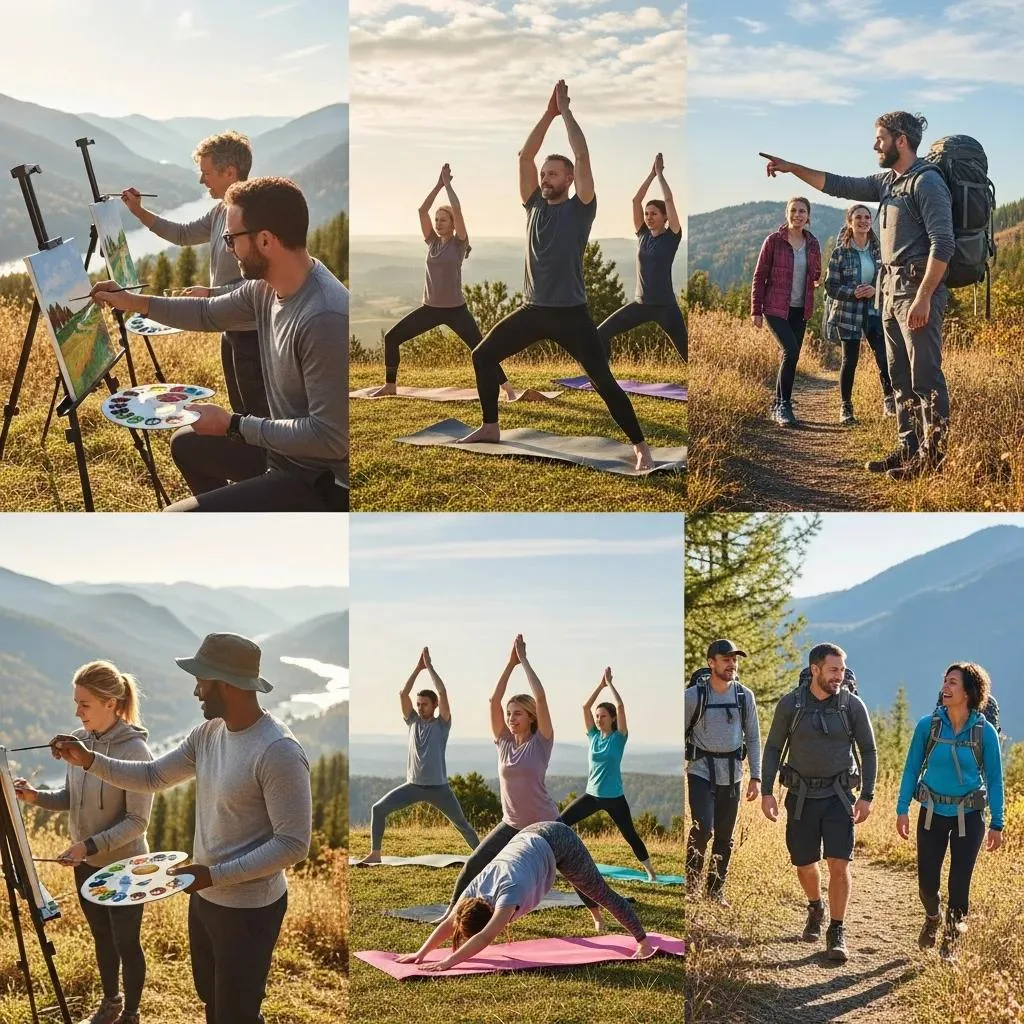
Creative hobbies give safe ways to name and shape feelings that are hard to say out loud and help you rebuild identity after addiction. Creative practice externalizes internal experience, provides visible progress, and offers a nonjudgmental space to learn. Choosing accessible creative outlets lets you start immediately and increase complexity as confidence grows. Below are practical creative options with quick tips for getting started and notes on accessibility.
Here are creative hobbies that suit adults in recovery and simple ways to begin:
- Painting or Drawing: Use inexpensive supplies and try short, timed sessions to take the pressure off.
- Music (listening, playing, songwriting): Build playlists for mood support or try a simple instrument in a group class.
- Journaling and Creative Writing: Use prompts focused on daily wins, cravings, and alternative actions.
- Photography and Collage: Use your phone to practice mindful observation and tell visual stories.
These options are tiered by cost and privacy: journaling and sketching are low-cost and private; community classes add social support; structured programs (like art therapy) offer clinical guidance when deeper processing is needed. The next sections dig into how these practices help and how to make them sustainable.
How Art, Music, and Writing Help Emotional Processing in Recovery
Art, music, and writing each support emotional processing in ways that complement talk therapy. Art and music allow nonverbal expression—you can feel and reshape emotions without immediately needing words. Writing turns experience into narrative, helping with cognitive reappraisal and trigger recognition. Group creative work adds shared vulnerability and modeling, which deepens connection and reduces shame about past substance use.
Starter prompts make creative practice easy to add to daily life. Try writing one paragraph about a craving and one sentence about an alternative action; sketch a mood using three colors for ten minutes; or record a short voice memo about something you’re grateful for. Small practices like these build habit, reveal patterns, and point you toward creative outlets that fit your needs.
Accessible Creative Outlets That Work for Adults in Recovery
Accessibility predicts whether a hobby will stick. Tier activities by cost, mobility, and privacy to match your situation. Low-cost at-home options include journaling, sketching, and free online music lessons. Community resources—library art nights or community college classes—offer low-pressure social exposure. On-site programs like clinical art or music therapy combine therapeutic oversight with creative exploration for those wanting deeper support.
- Low-cost at-home: journaling, sketching, creating playlists.
- Community-based: library workshops, community college classes.
- Structured/on-site: clinical art or music therapy integrated into treatment.
Picking an outlet that matches your energy and comfort level makes repeated engagement more likely and increases long-term benefit.
Physical Hobbies That Support a Healthy, Joyful Sober Life
Physical hobbies aid sober living by strengthening the body, improving mood chemistry, and building predictable routines that compete with substance use. Physical activity works through endorphin release, better sleep, and cardiovascular adaptations that buffer stress. Matching intensity to your current fitness and health keeps things safe and sustainable; gentle progressions lower injury risk and encourage consistency.
Use the table below to compare physical hobbies by access and typical time-to-benefit so you can pick activities that fit your goals.
This table helps you prioritize activities that suit your mobility, local resources, and expected timeline. The sections below explain physiological mechanisms and the role of mindful movement.
How Yoga, Hiking, and Sports Improve Well‑Being and Reduce Stress
Yoga, hiking, and sports lower stress through physical and behavioral pathways that strengthen recovery resilience. Yoga pairs breathwork with gentle movement to calm the stress response and heighten body awareness. Hiking combines aerobic exercise with nature exposure, which boosts endorphins and mental clarity. Team sports add social bonding and accountability, providing safe sober social time.
A gradual plan—short yoga sessions three times a week, slowly increasing hiking distances, or joining a beginner recreation league—promotes safety and steady progress. These activities also help normalize sleep and appetite, common early recovery challenges, which improves cognition and decision-making over time.
Why Mindful Movement and Outdoor Time Matter for Lasting Sobriety
Mindful movement and outdoor activities link body awareness to craving management and offer restorative settings that reset mood. Time in nature lowers physiological stress markers, restores attention, and lifts mood. Mindful movement teaches urge-surfing and present-moment focus, so you can notice cravings without acting on them.
To find local options, check park maps and trail resources, join community hiking groups, or look for beginner-friendly yoga classes. Even short nature walks or ten minutes of mindful stretching at home produce measurable stress reduction and support sustained sobriety through simple, low-barrier routines. The next section covers relaxation-focused hobbies that deepen inner balance.
How Mindful and Relaxation Hobbies Build Inner Calm and Emotional Balance
Mindful and relaxation hobbies strengthen attention control and lower stress reactivity—two central relapse drivers. Practices such as meditation, gardening, and nature walks promote decentering from cravings and increase baseline calm. Because short, consistent sessions (5–20 minutes daily) add up over time, these activities produce steady improvements in emotional regulation and reduce impulsive reactions to triggers.
Below are three practical practices, with recommended frequency and how they support recovery goals.
- Brief daily meditation: 5–15 minutes to build attention control and cut rumination.
- Gardening or hands-on grounding: 20–60 minutes several times a week for sensory regulation and routine.
- Nature walks with mindful focus: 20–40 minutes to boost mood and cognitive restoration.
These practices can be woven into existing recovery plans and paired with other hobbies for a full, holistic approach. The following subsections offer benefits and simple practice scripts.
Benefits of Meditation, Gardening, and Nature Walks for Stress Management
Meditation strengthens attention and reduces automatic reactivity by improving prefrontal control over impulses. Gardening provides sensory grounding—soil, scent, texture—that calms the nervous system and anchors attention. Nature walks combine movement with restorative scenery to improve mood and cognitive function. Together, these practices lower stress markers and make cravings feel less urgent.
Short practice examples include a five-minute seated breath exercise on waking, a thirty-minute weekend gardening task, or a daily twenty-minute mindful walk focusing on sensory detail. Regular practice produces measurable stress relief and supports engagement with other sober activities.
How Mindfulness Reduces Cravings and Brings More Joy
Mindfulness lowers cravings through techniques like urge-surfing and decentering, which change how urges are experienced without trying to eliminate them instantly. Urge-surfing teaches you to notice craving sensations as temporary waves rather than commands, increasing tolerance and reducing impulsive responses. Decentering shifts focus from momentary desire to wider values and goals, which deepens meaning and enjoyment.
Try this simple urge-surfing script: notice the craving, name its physical sensations, breathe through the peak for one minute, then reassess intensity. Repeating this practice strengthens inhibitory control and reshapes reward perception so that sober hobbies become genuinely rewarding.
How Social and Community Hobbies Build Support, Purpose, and Belonging
Social and community hobbies grow social capital and accountability—two pillars of long-term recovery. Group activities give shared goals, role models for sober behavior, and low-pressure spaces to practice social skills. Volunteering and classes create purpose while book clubs and shared projects provide mental engagement and gentle accountability. Starting slowly protects privacy and reduces stigma while allowing gradual social reintegration.
The list below outlines safe, accessible social hobby options and simple steps to begin.
- Volunteering: pick short shifts to build consistency without overwhelm.
- Group classes or workshops: choose beginner-friendly or recovery-specific options.
- Peer-led clubs (book, craft, walking): join groups that prioritize low-pressure participation.
These activities help shift identity from “someone with a problem” to “someone who contributes,” which boosts self-worth and lowers relapse risk. The next sections explain why these choices matter and how they reduce relapse likelihood.
Why Volunteering, Group Classes, and Book Clubs Strengthen Social Connection
Volunteering, group classes, and book clubs build connection through shared goals rather than substance use, reshaping social norms and assigning meaningful roles. Helping others fosters purpose and counters shame by highlighting competence. Group learning creates mutual support, modeling, and small wins that add up into a stronger sobriety identity.
Practical starting points include low-commitment volunteer roles, short-term community workshops, or online-to-offline book clubs that begin with anonymity and transition to in-person meetings when you’re ready. These gradual steps ease social anxiety and preserve privacy while building dependable sober networks.
How Social Activities Lower Relapse Risk and Increase Belonging
Social activities lower relapse risk by increasing accountability, offering peer support during high-risk moments, and modeling sustained sober behaviors. Accountability shows up as regular check-ins and shared expectations in group settings, making substance use less likely. Peer relationships also expand coping options by exposing you to different recovery strategies and normalizing setbacks as part of progress.
Examples include a walking group with weekly check-ins or a volunteer team with scheduled shifts—both create steady social rhythms that reduce isolation and reinforce sober identity. These social buffers make cravings easier to manage and support long-term commitment to meaningful hobbies.
How BetterChoice Treatment Center Supports Hobby Discovery with Holistic Care and Recreation
At BetterChoice Treatment Center in Las Vegas, Nevada, clinical care is paired with holistic therapies and recreational activities so clients can safely explore new interests while in treatment. Within medical detox and inpatient rehab, on-site programs schedule daily therapeutic and recreational blocks that let people sample yoga, sound baths, acupuncture, and group classes as part of individualized plans. The program blends clinical sessions (detox, counseling) with supervised holistic practices to introduce coping tools and potential hobbies in a secure setting.
Which Holistic Therapies—Yoga, Sound Baths, Acupuncture—Are Available at BetterChoice?
We offer yoga classes that combine breathwork and gentle movement to support nervous system regulation and body awareness. Sound baths provide guided relaxation using resonant instruments to lower stress and encourage emotional release. Acupuncture is offered as an adjunct to address pain, insomnia, and stress—each session follows safety and consent protocols and is scheduled within a personalized plan. Sessions are often available multiple times per week, vary by modality, and are integrated into daily programming so clients can try several options.
Each therapy serves both as clinical support and as a hobby-discovery opportunity: short, safe sessions can be continued after discharge in community settings. Safety and consent are prioritized, and practitioners coordinate with clinical teams when these therapies are included in treatment goals.
How a Comfortable, Personalized Setting Helps You Try New Activities
A calm, welcoming environment lowers the barriers to trying new things by reducing shame and increasing willingness to experiment. Quiet spaces and thoughtful amenities give clients room to practice mindfulness, join creative groups, or enjoy outdoor activities with dignity and privacy. Staff-led introductions and small-group formats make first steps less intimidating and increase the chance you’ll keep participating.
Personalized programming makes sure hobby exploration matches your pace and clinical needs. That scaffolding—from guided introduction to community transition—helps you identify sustainable sober activities you can maintain after treatment while benefiting from structured support during early recovery.
Frequently Asked Questions
1. How can I choose the right hobby for my recovery journey?
Choose a hobby by matching it to your interests, access, and current needs. Start with activities that once brought you joy or that spark curiosity. Check your physical and emotional energy and pick hobbies that fit that level. It helps to try a mix of creative, physical, and social options so you address several recovery needs. Community classes or workshops can add motivation and accountability as you explore.
2. What are some low-cost hobbies I can start immediately?
Low-cost options you can begin today include journaling, sketching, and listening to curated music. These require little or no equipment and can be done at home. Look for free community offerings—library art nights, neighborhood workshops—or online tutorials that let you try new skills without spending much.
3. How can I fit hobbies into my daily routine?
Make hobbies part of your day by setting small, consistent windows for them. Start with 10–15 minutes daily and use reminders or calendar slots to protect that time. Gradually increase the minutes as it feels natural. Pair hobbies with existing routines—listen to music while cooking or journal before bed—to help them stick.
4. What role does community play in keeping me sober through hobbies?
Community matters because it provides social support, accountability, and shared experience. Group activities like volunteering or clubs connect you with people who understand recovery and reduce isolation. Those relationships motivate you to stay engaged and offer encouragement when things get hard.
5. Are some hobbies better for emotional healing than others?
Certain hobbies are especially helpful for emotional healing—art, music, and writing are great examples. They let you express feelings that are hard to say and help you make sense of experience. Mindfulness practices like gardening and meditation also improve emotional regulation and foster calm, making them powerful tools in recovery.
6. How do I find local resources to try new hobbies?
Search community centers, libraries, and local online groups for workshops and meetups. Websites like Meetup and neighborhood Facebook groups list events and clubs. Check bulletin boards at community spaces for classes that may not be advertised widely. Local recovery centers and treatment programs often share resource lists, too.
7. What if starting a new hobby feels overwhelming?
If you feel overwhelmed, simplify: choose very short sessions, lower expectations, and focus on enjoyment rather than mastery. Invite a friend or a peer from recovery for support, or start with activities that need little commitment. Building confidence slowly is a perfectly valid path—small, consistent steps add up.
Conclusion
Picking up new hobbies is a practical way to bring joy and purpose into sober life. Creative, physical, and mindful activities offer alternatives to substance use while supporting emotional balance and social reconnection. BetterChoice Treatment Center provides holistic therapies and recreational programs designed to help you discover meaningful, sustainable sober activities. Begin exploring today—small steps can lead to big changes in recovery and daily well‑being.