
Narcotics Anonymous Meetings — Arts District Las Vegas: Your Local Recovery Guide
Narcotics Anonymous (NA) meetings near the Arts District in Las Vegas are peer-led, confidential gatherings where people facing substance use can find connection, practical guidance, and a path forward using the Twelve Steps. This guide walks you through what NA is, how local meetings run, where to find convenient sessions around the Arts District, and how meetings can work alongside clinical care and aftercare planning. If you need recovery options that fit work, transit, or family schedules, this article gives clear steps to find meetings, plan your visit, and combine peer support with professional treatment when appropriate. You’ll also find quick-reference meeting lists, resources for current schedules, and a concise look at how BetterChoice Treatment Center helps clients move from medical care into community support. Read on to learn how NA meetings operate, what to expect at your first visit, how to keep a dependable meeting routine, and which complementary groups and services are available across Las Vegas.
What Is Narcotics Anonymous and How Does It Support Recovery?
Narcotics Anonymous is an international, member-run fellowship focused on recovery from drug addiction. Through the Twelve Steps and regular meetings, NA creates a practical support system: mutual accountability, peer mentoring, and consistent social contact that help people reduce isolation and build healthier habits. Meetings become a steady network where members exchange honest experience, share coping strategies, and reinforce drug-free choices—actions that often improve daily functioning and long-term recovery engagement. Knowing how NA meetings are structured and what to expect makes it easier to use them as a dependable part of your overall recovery plan.
What Is Narcotics Anonymous?
NA is a voluntary fellowship for anyone who wants to stop using drugs. It centers on the Twelve Steps and Twelve Traditions as a shared framework for personal responsibility, reflection, and service. NA is peer-led: members organize and run meetings, offer sponsorship, and share lived experience rather than providing clinical treatment. That peer model complements formal care by helping people stay connected to recovery activities after treatment ends. NA emphasizes anonymity, respect, and confidentiality inside meetings to create a safe place for everyone involved.
How Do NA Meetings Work?
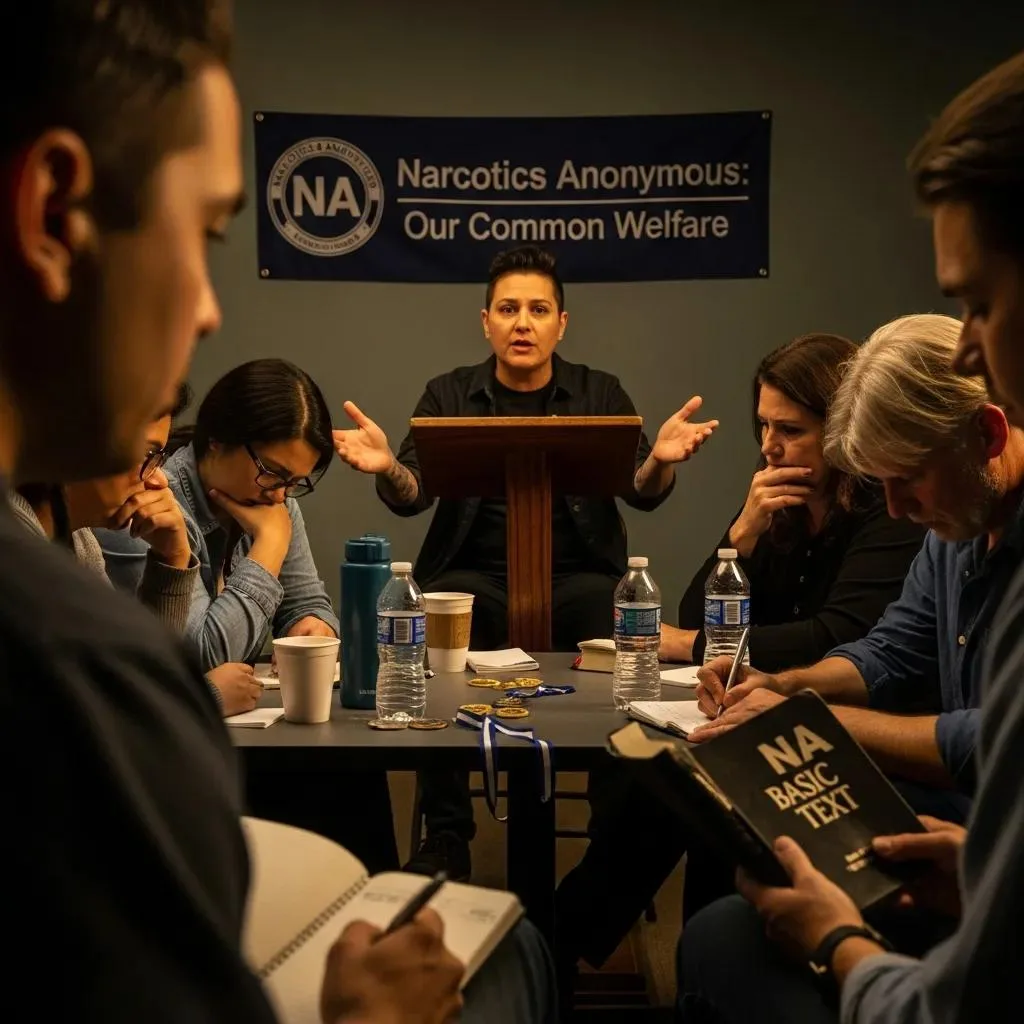
NA meetings follow simple, repeatable formats designed to welcome newcomers while protecting group safety and privacy. Common formats include open meetings, closed meetings, speaker nights, and step-study groups—each fits different needs and comfort levels. Typical etiquette emphasizes respectful listening, no cross-talk during shares, and volunteer-led chairing; sharing is optional and newcomers are usually invited to observe first. Accessibility (entrances, seating, parking, transit) varies by venue, so checking a meeting’s current status and format before you go will make your first visit smoother and less stressful.
Where to Find NA Meetings in Las Vegas Near the Arts District
To find NA meetings near the Arts District, check local meeting lists, community bulletin boards, and intergroup directories for times, formats, and accessibility details that match your needs. Meetings range from small, newcomer-friendly gatherings to larger speaker sessions and are often held in community centers, churches, or civic spaces within a short drive of the Arts District. A little practical planning—confirming whether a meeting is open, checking wheelchair access, and noting parking or transit options—removes friction and increases the chance of consistent attendance. The table below gives a quick snapshot of sample meetings near the Arts District so you can compare logistics and decide which sessions to try first.
The following table lists representative Arts District–adjacent NA meetings, their typical day/time, meeting type, and quick accessibility notes.
Which NA Meetings Are Available Near the Arts District?
Within walking distance or a short drive of the Arts District you’ll find newcomer-friendly open meetings, speaker nights, and closed discussion groups offered at various times. Open and newcomer meetings are often the best starting point for first visits because they welcome new people and sometimes include brief orientations. When you pick a meeting, note the format and any accessibility or family-friendly labels so you land in the right environment. If you try several meetings, aim for a consistent set of times each week to build routine and social connections that support lasting recovery.
How Can I Access NA Meetings Across Las Vegas?
Finding NA meetings citywide means using official directories, local intergroup lists, and community outreach calendars that post schedules and format notes. Check more than one source and call or message an organizer when meeting status is uncertain—venues and times can change. If you need extra logistical help, BetterChoice Treatment Center can provide referrals, printed schedules, and coordinate transportation as part of discharge planning or aftercare. Confirming meeting status before you travel helps avoid surprises and supports safer, more reliable attendance.
What Are the Benefits of Attending NA Meetings in Las Vegas?
NA meetings offer peer-based support that strengthens clinical care and helps sustain recovery through steady social connection and shared accountability. Regular attendance builds a sober network, reduces isolation, and offers practical coping techniques from people who’ve been through similar struggles. Many members report better daily structure, fewer cravings thanks to shared strategies, and more access to sober activities and local resources. Knowing these benefits helps you decide how to combine community support with professional treatment for a balanced recovery plan.
NA meetings provide several specific advantages for people in recovery:
- Peer accountability and shared experience that reduce isolation and encourage abstinence.
- Predictable meeting routines that add weekly stability to recovery life.
- Access to sponsors, literature, and local resources that support relapse prevention.
How Do NA Meetings Complement Professional Addiction Treatment?
NA meetings add ongoing social support, relapse-prevention tips, and community accountability after formal treatment ends. Clinical programs address medical detox, medication, and therapy, while NA provides everyday reinforcement and peer mentorship through sponsors and regular meetings. Pairing clinical aftercare plans with steady NA attendance can boost long-term engagement and lower readmission risk by reinforcing coping skills learned in treatment. When clinicians and peer-support networks align goals, they create a stronger continuum of care that supports both medical stability and social recovery.
What Support Does NA Offer to Families and Loved Ones?
While NA focuses on the person in recovery, many communities offer family-oriented or separate family support groups to help loved ones learn about addiction and healthy boundaries. These sessions teach relatives how to support recovery without enabling, how to set limits, and how to take care of themselves. Look for meetings labeled family-friendly or ask local organizers about resources for relatives—participating can lower caregiver stress and improve communication while respecting the primary focus on the individual’s voluntary engagement.
How Does BetterChoice Treatment Center Support Your Recovery Journey?
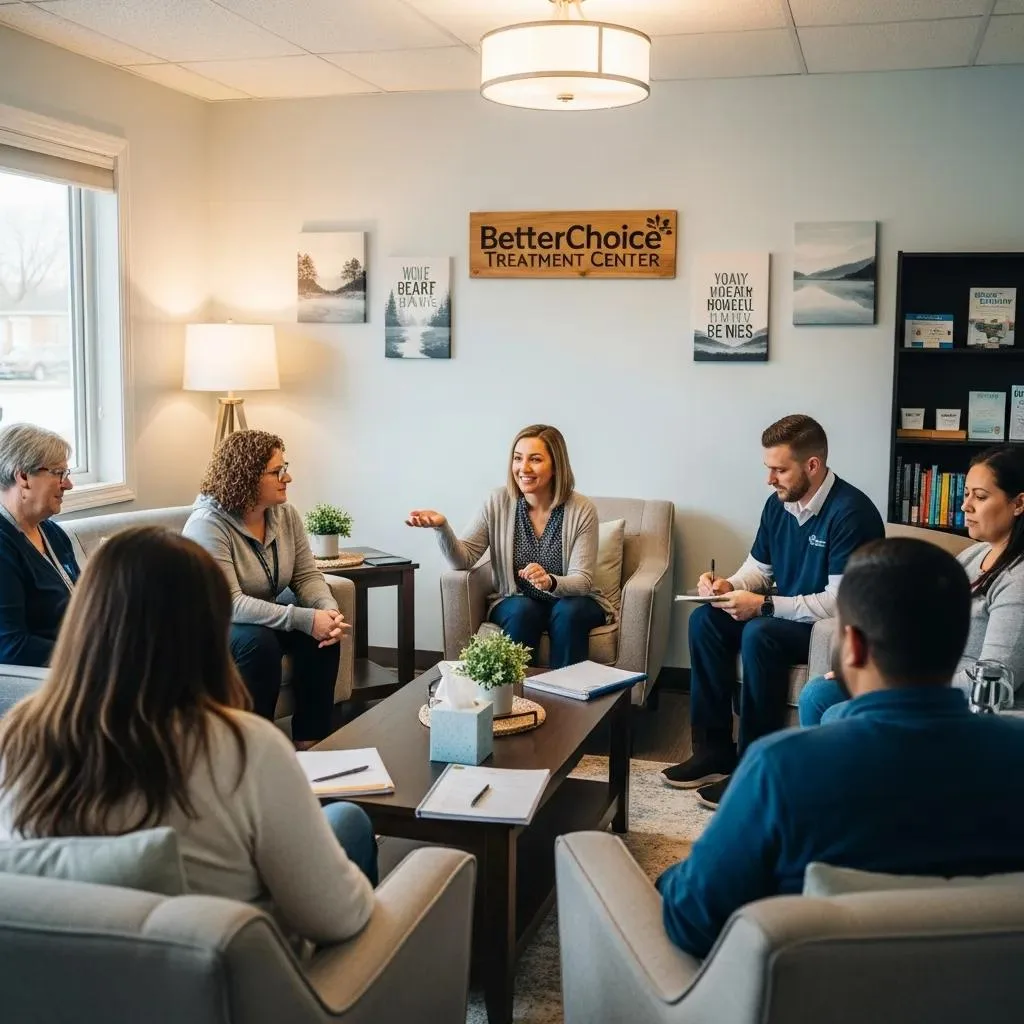
BetterChoice Treatment Center offers a clinical continuum that can be coordinated with community supports like NA to build a tailored plan for stabilization, treatment, and aftercare. Services include medical detox for a range of substances, inpatient rehabilitation, outpatient programs, and counseling—plus help with intake, insurance navigation, and transition planning. BetterChoice is accredited and certified by Nevada’s Health Workforce, LegitScript, and The Joint Commission, reflecting a commitment to recognized clinical standards and safety. For people leaving inpatient care, staff prioritize aftercare planning that links clients to local NA meetings and peer supports to strengthen long-term recovery.
The table below summarizes core program attributes to help readers match needs to levels of care.
What Addiction Treatment Programs Does BetterChoice Offer?
BetterChoice provides a range of clinical services starting with medical detox for substances including alcohol, marijuana, methamphetamine, opiates, heroin, fentanyl, cocaine, and other stimulants. Inpatient rehab offers structured, residential care focused on stabilization, therapy, and life-skill building; outpatient programs and counseling deliver flexible options for those who don’t need residential supervision. Intake normally begins with screening and clinical evaluation, followed by individualized treatment planning. Staff also offer insurance guidance and case coordination to simplify access to care and support transitions into community resources like NA.
How Can BetterChoice Help You Connect with NA and Local Support Groups?
BetterChoice staff help clients connect with NA and local groups by providing referrals, printed meeting schedules, and case-management support for transportation and aftercare appointments. Teams respect client privacy and obtain consent before sharing any information with outside groups, so clients control how they engage with community resources. Practical supports may include meeting recommendations based on recovery stage, scheduling help, and family resource counseling. These services are framed as practical, non-promotional assistance to increase the likelihood of sustained involvement in recovery communities.
How to Navigate the Las Vegas NA Meeting Schedule Effectively?
Staying on top of meeting schedules means using reliable directories, confirming meeting status before you go, and building a weekly routine that accounts for transit and personal obligations. A consistent approach—checking resources, calling organizers when possible, and choosing a few regular meetings—reduces confusion and supports steady attendance. The table below lists practical resources, how often they’re updated, and how to access them to verify current meeting times and formats.
Where Can I Find Updated NA Meeting Times and Locations?
Primary sources for current meeting information are official NA directories, local intergroup lists, and venue postings—these are usually updated weekly or whenever meetings confirm changes. Before you go, check multiple sources and, when possible, contact a meeting organizer or the venue to confirm format and accessibility. BetterChoice can provide printed schedules and help coordinate outreach to meeting contacts as part of aftercare planning. Confirming meeting details before travel helps avoid closed or relocated sessions and keeps your attendance consistent, which supports better recovery outcomes.
What Tips Help with Attending NA Meetings Near the Arts District?
Simple planning makes attending Arts District meetings easier: verify the meeting time and venue, plan your arrival, and bring a small notebook for contacts or notes. Aim to arrive 10–15 minutes early to find parking or seating, and choose newcomer-friendly meetings if you want a brief orientation. Establish a reliable travel plan—public transit, rideshare, or a sober friend—to reduce barriers to attendance. If you’re combining meetings with clinical aftercare, coordinate schedules with your care team to support continuity and follow-up.
- Practical checklist for first-time Arts District meeting visits:
Confirm meeting time and venue status before leaving.Arrive early to secure parking or orientation.Bring a notebook and any preferred recovery literature.Ask a sponsor or volunteer questions after the meeting if needed.
What Additional Addiction Support Groups Are Available in Las Vegas?
Las Vegas offers many recovery-focused groups beyond NA to fit different philosophies and needs. Alternative 12-step fellowships, secular peer-support groups, and family-focused meetings give more tools for relapse prevention, skill building, and social reintegration. Knowing the range of options helps individuals and families choose supports that align with their values and clinical goals.
What Other 12-Step and Peer Support Groups Exist in Las Vegas?
Alternatives and complements to NA include alcohol-focused 12-step groups, secular mutual-help options centered on self-management skills, and family support meetings for loved ones. Each type has its own meeting styles and language, so sampling a few formats helps you find the best fit for your recovery needs and values.
How Do These Groups Complement NA Meetings and Treatment?
Different groups bring different strengths: some focus on spiritual or step-based work, others teach cognitive-behavioral tools, and family groups help repair relationships and set boundaries. Attending multiple types of meetings can broaden coping skills, expand your support network, and cover gaps a single group might not address—while formal treatment provides medical and psychological care. Coordinating participation across groups and with professional services creates a customized support network that strengthens resilience and lowers the chance of relapse.
Frequently Asked Questions
What should I expect during my first NA meeting?
Your first NA meeting will usually feel welcoming and low-pressure. Meetings commonly start with brief introductions and readings from NA literature, then move into personal shares. You’re welcome to listen only—sharing is optional and many newcomers take time before speaking. The group emphasizes confidentiality and respect, so you can attend safely and at your own pace.
Are NA meetings suitable for individuals with co-occurring disorders?
Yes—many people with co-occurring mental health and substance use conditions find NA helpful for peer support. NA focuses on addiction recovery, and members often relate to similar challenges. That said, NA is best used alongside professional mental-health care to ensure a full, coordinated treatment approach.
How can I find a sponsor in NA, and what is their role?
To find a sponsor, attend meetings and connect with members whose recovery approach resonates with you. A sponsor is a more experienced member who offers guidance, accountability, and personal experience as you work the Twelve Steps. Choose someone you trust and feel comfortable talking with—sponsorship can be a key source of ongoing support.
Can family members attend NA meetings?
Regular NA meetings are designed for people in recovery, so family members usually do not attend them. Many areas do offer family-friendly meetings or separate support groups for loved ones. If you’re a family member seeking support, ask local organizers about meetings or resources specifically for families.
What resources are available for those who cannot attend in-person meetings?
If you can’t make in-person meetings, online NA meetings, recorded talks, literature, podcasts, and virtual support groups can help you stay connected. Local groups often share updates via websites or social pages, so you can access meetings and resources from wherever you are.
How can I stay motivated in my recovery journey after attending NA meetings?
Maintain motivation by building a routine that includes regular meeting attendance, reflection, and sponsor contact. Connect with members outside meetings for additional support, set reachable recovery goals, and celebrate small milestones. Adding therapy, exercise, or other wellness activities can also boost your resilience and sense of progress.
What should I do if I feel uncomfortable sharing in a meeting?
If you don’t feel ready to share, it’s perfectly fine to listen. Many people observe for several meetings before speaking. You can also talk privately with a sponsor or trusted member if you need questions answered or support. NA aims to be a safe, respectful environment for every level of participation.
Conclusion
Narcotics Anonymous meetings around the Arts District in Las Vegas offer meaningful peer support and a steady community that can be essential to recovery. These meetings give people space to share, find accountability, and learn coping strategies that support sobriety. By exploring local meeting options and combining them with professional care, you can build a recovery plan that fits your life. Take the next step—find a meeting that feels right for you and connect with others who understand the path forward.