
NA Meetings in Las Vegas — A Practical Guide to Finding Local Support
Narcotics Anonymous (NA) is a peer-run fellowship that offers anonymous, regular meetings for people working to stop or reduce drug use. This guide walks you through how NA meetings in Las Vegas work, where to find current schedules, which meeting types fit different needs, and how clinical care can complement community support. If you’re unsure where to begin after a relapse or are looking for longer-term recovery options, this page gives clear next steps, safety tips, and family resources you can use right away. The content is broken into sections on NA’s core principles and benefits, how to locate meetings, meeting formats and etiquette, the role of professional treatment, family supports, and local trends affecting demand. Keywords like NA meetings Las Vegas, local NA, and how to find NA meetings Las Vegas are included to help you connect with peer recovery quickly and safely.
What Are NA Meetings and How Do They Support Recovery in Las Vegas?
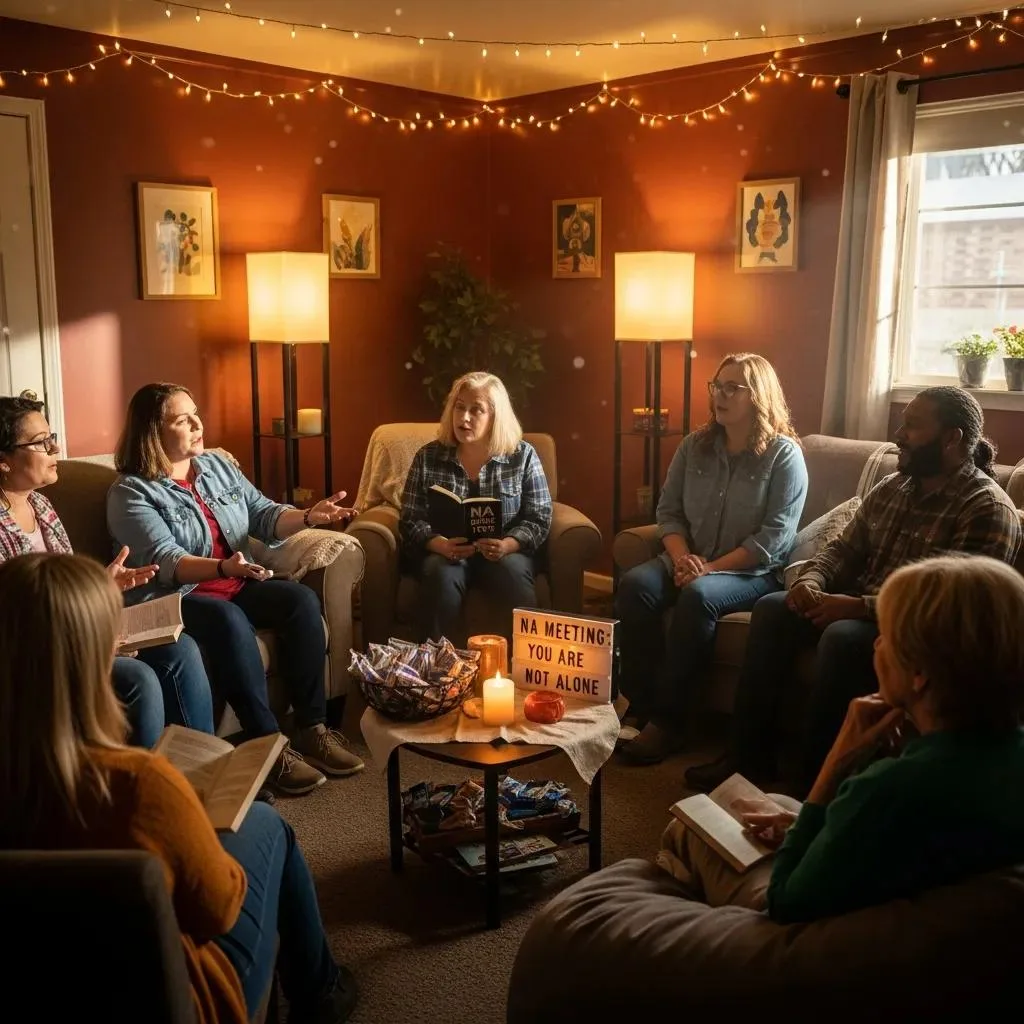
NA meetings are regular gatherings of people with lived experience of substance use who share recovery strategies and offer mutual support. The group’s strength is mutual aid, grounded in anonymity and the 12-step approach. Meetings create reliable opportunities for accountability, shared problem-solving, and modeling sober behaviors — all of which reduce isolation and build coping skills. Attending meetings connects you with sponsors, peer mentors, and local referrals for healthcare, housing, or work resources. A predictable schedule and peer accountability help replace old patterns with healthier routines and lower the chance of relapse. Below we outline NA’s core principles and the practical ways meetings support lasting recovery.
What Is Narcotics Anonymous and Its Core Principles?
Narcotics Anonymous is a 12-step fellowship built to support anyone seeking recovery from active addiction through shared experience and shared traditions. Its core principles stress anonymity, voluntary membership, nonprofessional peer leadership, and spiritual—not religious—values that encourage responsibility and community care. In everyday practice this looks like sponsors, step work, and meeting traditions that protect confidentiality and reduce hierarchy. For newcomers, anonymity helps reduce stigma and encourages honest sharing. Sponsors offer one-on-one guidance for applying recovery tools between meetings. These structures create a steady, practical environment where personal stories become useful roadmaps for others.
How Do NA Meetings Help Individuals Overcome Addiction?
NA meetings help by providing social connection, concrete coping strategies, and direct links to local services that lower relapse risk and build resilience. Peers model sober routines, share relapse-prevention tips, and often coordinate practical support such as rides, childcare, or referrals to medical care. Regular attendance, step work, and sponsor contact form habits that many people find essential to long-term recovery. Meetings also offer a low-barrier entry into broader care systems when clinical stabilization, medication, or more intensive therapy is needed. Knowing when to combine peer support with professional care improves the chances for durable recovery, which leads into how to find Las Vegas meetings.
How Can You Find Local NA Meetings in Las Vegas?

Use a few reliable steps to find NA meetings in Las Vegas: check regional NA listings, consult up-to-date meeting directories, verify times and locations by phone, and consider online or hybrid meetings if getting to an in-person group is difficult. Start with Region 51 resources and national meeting finders for verified schedules and contact info. Use map searches to narrow results by neighborhood, accessibility, or meeting format, and call the listed contact or meeting chair before your first visit to confirm details. If you need help with transportation, clinical referrals, or reading a schedule, local treatment providers can often coordinate without pressuring you to attend. The list below gives immediate actions to locate a meeting quickly.
- Check Region 51 and official NA directories for Las Vegas listings and verified contacts.
- Use local meeting finders and map tools to filter by time, venue type, and accessibility.
- Call the meeting contact or helpline to confirm start time, entrance details, and any safety notes.
- Consider online or hybrid meetings as a short-term option if travel or timing is a barrier.
These steps minimize confusion and help you arrive prepared; next we outline typical meeting venues and how to read schedules.
Where Are NA Meetings Held in Las Vegas?
NA meetings in Las Vegas commonly meet in churches, community centers, treatment facilities, and some healthcare sites. Each venue has its own entry, parking, and accessibility details. Churches and community centers often host evening or weekend meetings with clear parking and separate entrances; treatment centers may run meetings for clients transitioning out of care and can offer extra staff support. Call ahead to check parking, ADA access, and whether the meeting uses a side or rear entrance. Arriving 10–15 minutes early gives you a chance to meet a greeter and learn any group-specific rules; confirming location changes ahead of time reduces no-shows caused by holidays or temporary moves.
What Is the Las Vegas NA Meeting Schedule and How to Access It?
Local NA schedules are kept current by regional resources and online directories. Listings include start time, meeting format, and notes like speaker nights or childcare availability. When you read a listing, look for meeting type (open, closed, speaker, step study), exact start time and typical length, and accessibility notes — some listings use abbreviations to indicate wheelchair access or hybrid/online options. If you can’t attend in person, many groups list online meetings alongside in-person options. Check schedules the day before and call if you’re unsure to avoid arriving at a canceled or moved meeting.
What Types of NA Meetings Are Available in Las Vegas?
Las Vegas offers a variety of NA meeting formats for different stages of recovery, comfort levels, and goals. Formats differ by who may attend, how sharing is structured, and the meeting’s focus. Common examples are open meetings for newcomers, closed meetings for people with a desire to stop using, speaker meetings that feature personal stories, and step-study meetings that work through the 12 steps. Etiquette changes by format — for example, speaker meetings limit cross-talk while step-study groups focus on step-related discussion. The short comparison below helps you pick where to try first.
- Open meetings: Welcoming to anyone curious about recovery — good for first visits.
- Closed meetings: For people who identify a desire to stop using — encourages candid sharing.
- Speaker meetings: Feature one person’s recovery story, followed by group reflection.
- Step study meetings: Focus on reading and applying specific steps of the 12-step program.
Choosing the right meeting depends on your needs and comfort. The next section offers a practical checklist to help you decide.
What Are Open, Closed, Speaker, and Step Study NA Meetings?
Open meetings welcome friends and family and provide a lower-pressure way to observe how a meeting runs, typically with group readings and open sharing. Closed meetings are for people who say they have a desire to stop using substances and often lead to deeper, more private conversation. Speaker meetings center on a single person’s recovery story, followed by group response and discussion — they can be inspirational and practical. Step study meetings work through the 12 steps in a structured manner, often using readings, worksheets, or sponsor-guided reflection to deepen recovery work.
How to Choose the Right NA Meeting for Your Recovery Journey?
Start by asking: do you want an open or closed space? Do you prefer discussion or a speaker format? What times and accessibility features fit your schedule? Newcomers often try a few open or newcomer meetings to observe before moving to closed or step-focused groups. If travel or scheduling is a barrier, try online meetings while arranging in-person attendance for local peer connections. When clinical stabilization, medication, or counseling is needed, pairing those services with NA attendance typically supports better engagement and longer-term progress.
How Does BetterChoice Treatment Center Complement NA Meetings in Las Vegas?
Clinical care and NA meetings work together by addressing both medical and social sides of recovery. BetterChoice Treatment Center in Las Vegas offers medical detox, inpatient rehab, outpatient programs, and counseling that help clients stabilize, build skills, and connect to peer supports. Medical care eases withdrawal and clears the way for meaningful participation in meetings. Inpatient and outpatient programs teach relapse-prevention skills and plan aftercare with referrals to local NA groups and sponsors. Coordinated handoffs between clinicians and community groups help preserve continuity as clients move from structured care back into community recovery — below we describe services and how they link to NA participation.
What Professional Treatment Services Does BetterChoice Offer?
BetterChoice provides medical detox with clinical oversight, inpatient rehab for daily, structured therapy, outpatient programs for continued treatment while living at home, and counseling for co-occurring mental health needs. Detox focuses on early stabilization and safety over a few days to a week depending on need, reducing immediate relapse risk. Inpatient rehab offers intensive therapy, group work, and skill building to prepare clients for community involvement. Outpatient programming maintains therapy and case management while allowing clients to keep work or family responsibilities. Counseling supports trauma-informed care, relapse prevention planning, and connections to local NA groups for a smoother transition back to community supports.
How Do Clinical Programs Support Long-Term Sobriety Alongside NA?
Clinical programs support long-term sobriety by combining medical stabilization, cognitive-behavioral skills, and discharge planning that connects clients to peer supports and recovery networks. Relapse-prevention plans from clinical care often include suggested meeting schedules, sponsor contacts, and coping strategies for high-risk situations — all reinforced in NA meetings. Aftercare usually follows a sequence—detox, inpatient stabilization, outpatient follow-up—each stage increasing independence while staying connected to community supports. Insurance and intake steps affect timing and access, so early verification and pre-authorization help smooth the transition from clinical care into local NA involvement.
What Resources Are Available for Families of NA Members in Las Vegas?
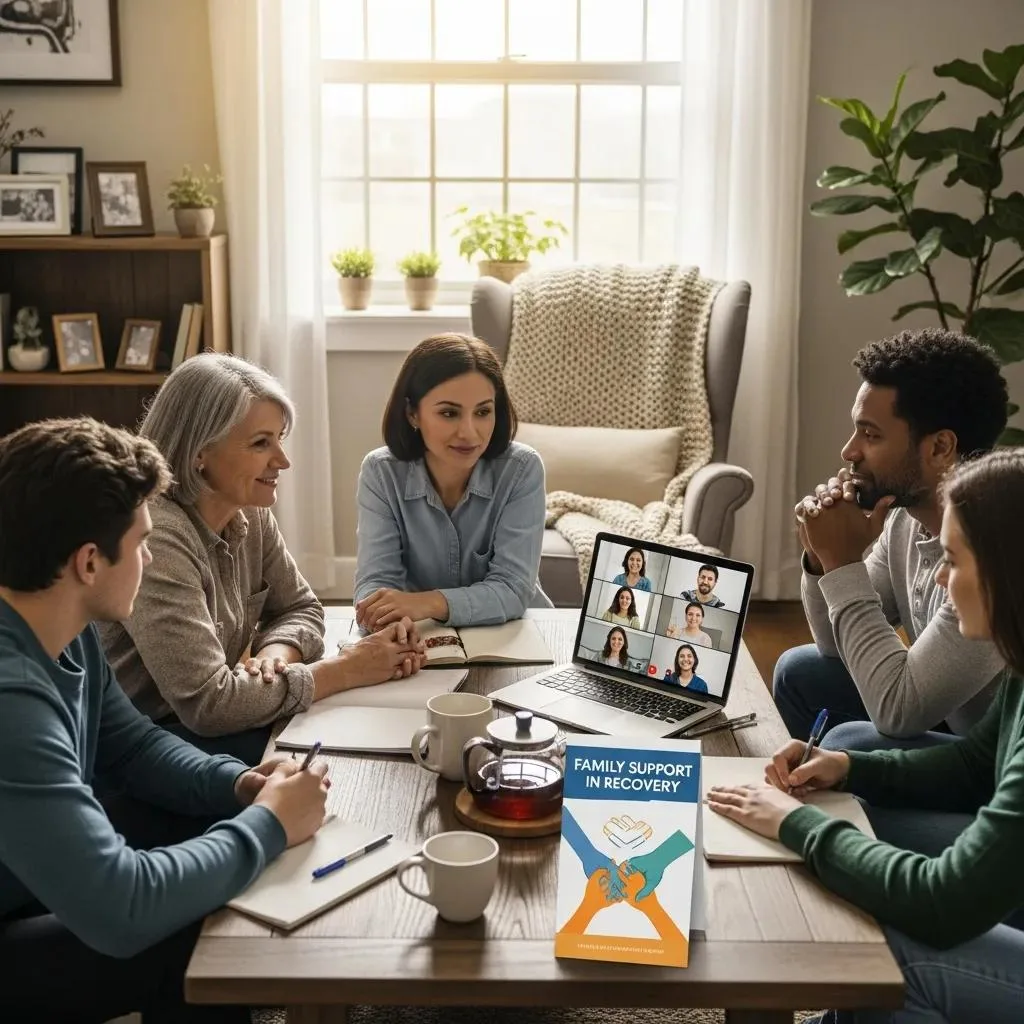
Families are a vital part of recovery while also needing their own support and boundaries. Local resources include family education sessions, Al-Anon-style groups, family therapy, and hotlines that link relatives to immediate help. These resources teach families to view addiction through a medical lens, improve communication, and find peer support so they can be constructive allies. Treatment centers and community organizations often run family workshops and can refer loved ones to local support groups. The table below lists common family resources in Las Vegas and how to access them.
How Can Families Support Loved Ones Attending NA Meetings?
Families help most by offering steady support while keeping healthy boundaries. Learn supportive communication, offer practical help like rides, and encourage consistency without coercion. Avoid enabling behaviors such as supplying money for substances. Joining family education or support groups helps you learn what to say and what to withhold. If dynamics are complicated or safety is a concern, family therapy or consultation with a treatment provider can offer structured mediation and guidance.
- Do encourage attendance and offer practical help such as transportation or childcare.
- Do set clear boundaries about safety, finances, and household rules.
- Don’t use threats or coercion; prioritize invitations and support over ultimatums.
This balanced approach keeps families supportive without sacrificing safety or wellbeing.
What Local Family Support Groups and Resources Exist in Las Vegas?
Local family supports include Al-Anon-style meetings, family education workshops run by treatment centers, and community hotlines that can refer families to counseling and emergency services. Schedules are often posted at community centers, faith-based venues, and on treatment provider websites. For immediate direction, call a local treatment provider to learn which family groups are active now. Peer-led family groups offer emotional validation, practical coping tips, and referrals that make navigating recovery easier for everyone involved.
What Are the Current Addiction Trends in Las Vegas and Why Is NA Important?
Rising overdoses and the spread of potent synthetic opioids have increased the need for accessible community supports like NA in Las Vegas. Local trends show higher demand for quick stabilization, naloxone training, and low-barrier peer supports that reduce isolation and connect people to care. NA meetings act as neighborhood-level resources that provide regular contact points, sponsor networks, and local knowledge about harm-reduction and emergency resources. Understanding local data and the role of fentanyl helps explain why combining clinical care with community supports strengthens resilience and can lower mortality.
What Are the Latest Substance Use Statistics in Nevada?
Recent reports show elevated overdose rates in the region and a growing share of opioid-related deaths tied to synthetic opioids. That gap between treatment need and available services highlights the role of peer-led groups in filling access gaps. These trends underscore the value of low-barrier options like NA meetings for immediate connection, reduced isolation, and referrals to medical and social services. Keeping track of local data helps providers and community groups adjust meeting availability and outreach to meet changing needs.
How Does the Fentanyl Crisis Impact NA Meeting Demand in Las Vegas?
The fentanyl crisis drives more people to seek help after nonfatal overdoses and prompts more families to look for support, increasing demand for meetings. NA groups become hubs for rapid peer education on overdose response, naloxone distribution, and safer-use information, often coordinating with public-health efforts to expand training. Higher demand can strain meeting capacity, creating a need for additional or hybrid meeting options so newcomers can join without disrupting group cohesion. Ensuring leaders and participants are trained in overdose response and local emergency resources strengthens the community’s capacity to respond.
Frequently Asked Questions
1. What should I expect at my first NA meeting in Las Vegas?
Your first NA meeting is usually welcoming and low-pressure. Meetings often begin with a reading of the NA preamble and brief introductions, followed by sharing from members. You’ll hear personal stories and recovery tips. Feeling nervous is normal — many people are in the same place. Arriving a little early can help you meet a greeter and get comfortable before the meeting starts.
2. Are NA meetings confidential, and how is anonymity maintained?
Yes — confidentiality and anonymity are central to NA. Members are asked to respect each other’s privacy and not repeat meeting conversations outside the room. Many groups encourage using only first names and creating a safe space where people can speak honestly without fear of judgment. This trust is essential to open sharing and recovery.
3. Can I attend NA meetings if I am not a member of the organization?
Yes. Open meetings welcome anyone interested in recovery, including friends and family. Closed meetings are reserved for people who say they have a desire to stop using. If you’re unsure where to start, try an open meeting to observe the format and meet members.
4. How can I support a loved one who is attending NA meetings?
Support them with encouragement and practical help, like rides, while avoiding pressure or ultimatums. Respect their privacy about meeting details and learn about addiction so your support is informed. Family support groups are a good step for relatives who want guidance on boundaries and communication.
5. What resources are available for individuals who cannot attend in-person NA meetings?
If you can’t attend in person, many NA groups offer online or hybrid meetings. These let you connect from home while keeping continuity in your recovery. NA websites also host literature and forums, and local treatment centers may provide telehealth services to supplement peer support.
6. How do I know if an NA meeting is right for me?
Try an open meeting first to observe the group and see how you feel. If you want deeper work, consider step-study or closed meetings. Think about your goals — accountability, learning, or community — and try a few groups until one feels like the right fit.
7. What should I do if I feel uncomfortable during a meeting?
If you feel uncomfortable, it’s okay to listen without sharing. You can leave quietly if needed. Later, talk with a trusted member or sponsor about your experience — they can offer perspective and suggest different meetings that might suit you better. Finding the right support can take time, and that’s normal.
Conclusion
Narcotics Anonymous meetings in Las Vegas offer vital peer support for people working toward recovery. By familiarizing yourself with meeting formats, schedules, and local resources — and by leaning on clinical care when needed — you can find a supportive path that fits your life. Families also benefit from education and peer groups that improve outcomes for everyone involved. Take a first step today: check local listings, call a meeting contact, or reach out to a treatment provider for help connecting with the recovery community.