

Meth Rehab Program — North Las Vegas, Nevada: Comprehensive Treatment and Recovery Solutions
Methamphetamine use causes serious physical, mental, and social harm in North Las Vegas. This guide walks families and people seeking help through practical, evidence-based steps: how medical detox eases withdrawal, what inpatient and outpatient programs provide, which counseling methods address cravings and trauma, and how families can manage admissions, insurance checks, and ongoing support. We focus on Nevada’s local realities while explaining clinical basics—why medical detox may be required, how therapies like CBT and DBT lower relapse risk, and which aftercare supports long-term recovery. Sections move from defining meth addiction and its effects to a clear walkthrough of medically supervised detox, inpatient program structure, outpatient options (IOP vs PHP), counseling approaches, and useful family logistics. We also highlight how a local treatment center can help with access and care coordination.
What Is Methamphetamine Addiction and How Does It Affect People in North Las Vegas?
Methamphetamine addiction is a chronic substance use disorder marked by repeated stimulant use that changes brain reward systems and undermines decision-making, motivation, and stress control. Repeated surges of dopamine and other neurotransmitters reinforce drug-seeking and weaken frontal-lobe control over impulses, producing strong cravings and cognitive difficulties. In North Las Vegas, these brain changes often interact with social factors—unstable housing, co-occurring mental health issues, and limited access to coordinated care—raising medical and functional risks. Recognizing both the biological and social drivers helps explain why integrated care for withdrawal symptoms and behavioral causes is essential. The sections that follow list common signs to help families and clinicians spot stimulant use early and summarize short- and long-term health consequences to guide treatment choices.
What Are the Signs and Symptoms of Meth Addiction?
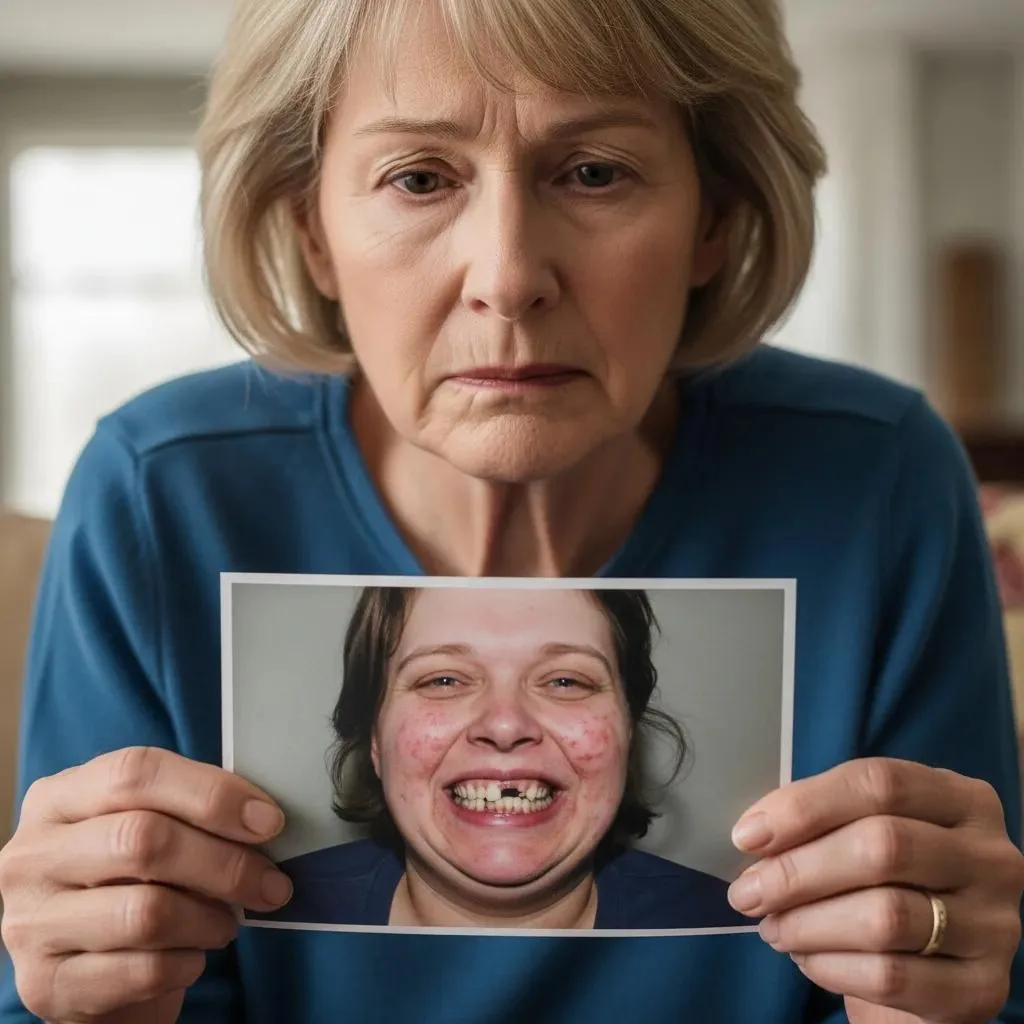
Spotting methamphetamine addiction means watching for changes across behavior, appearance, and thinking that develop over weeks or months. Behavioral signs include secrecy, intense focus on getting and using the drug, pulling away from friends or family, agitation, paranoia, and risky decisions that harm work or relationships. Physical signs often include rapid weight loss, severe dental decay (“meth mouth”), dilated pupils, disrupted sleep, and skin picking or sores. Cognitive and emotional changes can show up as memory and concentration problems, mood swings, anxiety, and depression. If someone becomes severely agitated or shows psychosis, seek urgent clinical evaluation. Early recognition makes it easier to get medical detox and therapy, lowering the chance of immediate complications and long-term harm.
What Are the Health Risks and Long-Term Effects of Meth Use?
Meth use carries both short-term medical dangers and longer-term psychiatric and social consequences. In the short term, users face elevated heart rate and blood pressure, higher risk of stroke or heart attack, severe agitation, and possible stimulant-induced psychosis. Repeated use can accelerate neurotoxic effects on dopamine and serotonin systems. Over time, people may experience lasting cognitive problems (attention, memory, planning), chronic mood disorders, greater risk of infections, and social harms like unemployment, legal trouble, and damaged relationships. Co-occurring mental health conditions—depression, anxiety, trauma-related disorders—are common and complicate recovery, so integrated dual-diagnosis care is often needed. Knowing these risks helps families and clinicians choose the right level of care and prioritize comprehensive medical and psychiatric assessment.
How Does the Medical Detox Process Support Safe Meth Withdrawal in North Las Vegas?
Medically supervised detox is focused on safely managing withdrawal symptoms, watching for medical or psychiatric complications, and preparing people for ongoing behavioral treatment. The main goal is symptom stabilization: clinicians check vital signs and mental status, address severe agitation or insomnia, and use medications when clinically appropriate to reduce acute distress. Detox for stimulant withdrawal often lasts several days to a week, though timelines vary by use history, co-occurring conditions, and overall health. After stabilization, a clear plan to move into residential or outpatient therapy is crucial to lower relapse risk. The table below compares common detox settings and timelines so patients and families can set realistic expectations and plan next steps.
The table below summarizes typical detox settings and timelines to help readers compare what to expect.
This comparison shows how medically supervised detox differs from quitting alone: continuous observation and targeted interventions reduce the risk of emergencies and create a bridge to structured treatment.
What to Expect During Medically Supervised Meth Detox?
Intake begins with a full medical and psychiatric assessment to document substance use history, current health, medications, and immediate safety concerns. In the first 24–72 hours staff monitor vitals, mental status, sleep, and hydration, and they offer evidence-based comfort measures—like controlled sleep support and short-term symptom relief medications—when appropriate. The focus is humane stabilization rather than substitution therapy. Patients typically receive education on withdrawal, early relapse prevention, and a coordinated plan for the next step of care, whether residential treatment or intensive outpatient services. Families usually get guidance on visitation and communication so they can support recovery while respecting clinical safety rules. These early steps affect engagement and readiness for therapeutic work.
How Are Meth Withdrawal Symptoms Managed for Comfort and Safety?
Withdrawal care centers on supportive treatment, targeted medications when needed, and ongoing monitoring for medical or psychiatric issues. Non-drug approaches include hydration, nutrition, sleep hygiene, and coping techniques to ease anxiety and cravings. Clinicians may prescribe short-term medications for severe agitation, insomnia, or depressive symptoms under supervision. Safety checks include regular vital-sign monitoring, suicide-risk screening, and observation for psychosis or serious cardiovascular problems that would require higher-level care. Clear communication about symptom timelines and a transition plan to therapy are essential to reduce early relapse risk and maintain momentum toward recovery.
What Are the Benefits and Features of Inpatient Meth Rehab Programs in Nevada?
Inpatient (residential) meth rehab offers a structured, therapeutic setting to break the cycle of use, deliver intensive therapy, and rebuild daily routines and functioning. Key benefits include 24/7 clinical supervision, a predictable schedule that reduces triggers, focused access to individual and group therapy, and a safer environment to address co-occurring medical or psychiatric issues. Residential stays vary by clinical need—from short stabilization to longer therapeutic stays guided by progress and goals—and they include planning for outpatient aftercare to maintain gains. The table below outlines typical inpatient program features to help families compare options and set expectations.
This comparison highlights how residential care concentrates therapeutic resources and supervision to create early recovery momentum and prepare clients for rejoining their communities.
Which Therapeutic Modalities Are Used in Residential Meth Treatment?
Residential programs typically combine evidence-based therapies that target substance use and underlying psychological issues. Cognitive Behavioral Therapy (CBT) works on thought patterns and behaviors that sustain use and teaches coping skills for cravings and high-risk situations. Dialectical Behavior Therapy (DBT) and trauma-informed care help with emotion regulation and healing from past trauma. Group therapy and peer-support reinforce social learning, model recovery skills, and reduce isolation. Specialty services—like dual-diagnosis care—address co-occurring psychiatric disorders. Delivering these modalities through a multidisciplinary team increases the chance of lasting behavior change and improved functioning.
How Do Luxury Amenities Enhance the Recovery Experience?
Comfortable, private, or resort-style amenities don’t replace clinical care but can support recovery by lowering stress, improving sleep, and preserving dignity during a difficult time. Quiet, private spaces help reduce environmental triggers and let clients focus on therapy without added logistical burdens. For many people, a calm setting helps normalize sleep and decreases sensory overload—both of which support emotional regulation and daytime participation. When amenities are offered, view them as helpful supports that make clinical work more effective, not as the primary factor in recovery.
How Do Outpatient Stimulant Addiction Programs in Las Vegas Provide Flexible Support?

Outpatient options—from Intensive Outpatient Programs (IOP) to Partial Hospitalization Programs (PHP)—provide structured therapy while allowing people to live at home, work, or attend school. They fit those with stable housing and lower acute medical risk. PHP offers daytime clinical intensity similar to residential care without overnight stays and is useful after medical stabilization when more intensive therapy is still needed. IOP delivers several hours of therapy per week in group and individual formats and often serves as a step-down from higher care or an entry point for milder cases. Both models prioritize continuity, skill-building, relapse prevention, and connections to community resources. The right level depends on medical stability, support systems, and treatment goals.
What Are the Differences Between Intensive Outpatient Program and Partial Hospitalization Program?
Program intensity helps match care to need by weekly hours, therapeutic focus, and clinical oversight. PHP usually requires daily attendance for multiple hours (often five days a week) and gives intensive clinical support with medical and psychiatric oversight. IOP typically involves fewer weekly hours (commonly 9–20) and focuses on group therapy, individual counseling, and skills training that fit work or family schedules. Many people move from PHP to IOP to standard outpatient therapy as they progress. This stepped-care approach balances support with growing independence.
- Key differences include weekly hours, level of clinical monitoring, and suitability based on stability.
- PHP is appropriate when daily clinical support is needed without an inpatient stay.
- IOP fits people who need structured therapy but can keep daily responsibilities.
These pathways support continuity of care by matching intensity to clinical need and offering clear steps to step down treatment.
How Does Continued Support Facilitate Long-Term Recovery?
Long-term recovery relies on aftercare that reinforces skills from higher levels of care and offers social support during early sobriety. Aftercare options include scheduled outpatient counseling, peer-support meetings, sober living, and relapse-prevention planning that identifies triggers and practices coping strategies. Case management and links to community services—employment help, housing assistance, and primary care—reduce environmental pressures that can lead to relapse. Regular follow-up and a tailored continuing-care plan increase the chance that treatment gains become lasting improvements in health and daily life.
What Counseling and Therapy Options Support Meth Addiction Recovery in North Las Vegas?
Counseling and therapy are central to stimulant addiction treatment: they address the psychological drivers of use, build coping skills, and repair relationships harmed by addiction. Common approaches include Cognitive Behavioral Therapy (CBT) for practical skills, Dialectical Behavior Therapy (DBT) for emotion regulation, trauma-informed care for past trauma, and family therapy to restore communication and support. Integrated dual-diagnosis treatment treats co-occurring psychiatric disorders to lower relapse risk. Evidence-based plans are personalized and provided across inpatient and outpatient settings. The sections below explain how CBT works and why family counseling matters.
How Does Cognitive Behavioral Therapy Address Meth Addiction?
Cognitive Behavioral Therapy helps by identifying and changing thoughts and behaviors that trigger and sustain meth use. CBT teaches practical coping skills to manage cravings and rehearses alternative responses to high-risk situations. Techniques include cognitive restructuring to challenge distorted beliefs, behavioral experiments to try new strategies, and skills training for stress management and relapse prevention. Activity scheduling and skills rehearsal help rebuild daily routines and reduce idle time that can lead to relapse. When CBT is part of a full treatment plan, it boosts self-efficacy and lowers rates of returning to use by giving practical tools for recovery.
What Role Does Family Counseling Play in Healing Relationships?
Family counseling restores communication, sets healthy boundaries, and educates relatives about addiction and recovery to reduce enabling and increase supportive behaviors. Sessions typically include relapse-prevention planning, safe ways to support treatment, crisis-management strategies, and steps to rebuild trust through concrete agreements. Preparing families for nonlinear progress helps them stay involved without enabling ongoing use. When families engage in treatment, outcomes often improve because the social environment shifts from chaos to predictable, supportive interactions that back recovery goals.
How Can Families Navigate Treatment Logistics and Support Loved Ones in Meth Rehab?
Families are vital to accessing care and supporting lasting recovery, but they need clear steps for admission, insurance verification, and ongoing support that avoid enabling. The admission process usually starts with a clinical screening and medical assessment to identify the right level of care, followed by arranging transport, scheduling intake, and providing insurance or payment information. Families should gather recent medical records, current medication lists, and insurance details to speed placement. Below are practical steps families can follow to manage logistics and offer appropriate support.
- Gather essential information: recent medical records, a list of current medications, and insurance card details.
- Arrange safe transport: confirm arrival time, what to bring, and whether medical clearance is needed.
- Ask about level-of-care recommendations: request a clear plan for detox, residential, or outpatient placement.
Following these steps helps families move from crisis response to organized support. The summary below explains common insurance pathways and verification actions.
This table shows that verification needs a member identifier and specific questions about inpatient detox, residential treatment, and outpatient services; families should request pre-authorization when possible to avoid placement delays.
What Insurance Options and Costs Are Associated with Meth Rehab in Nevada?
Coverage varies by plan, but many commercial insurers and public programs pay for medically necessary detox and addiction treatment with authorization. Families should verify benefits early in the admission process. Useful verification steps include providing the insurer with the member ID, diagnosis details if available, and the proposed level of care (detox, residential, PHP, IOP). If coverage is unclear, ask the treatment provider’s admissions team to help with benefit checks and pre-authorization. Costs depend on level of care and length of stay; transparent verification and asking about out-of-network benefits or case-management support can help families plan and uncover additional coverage options.
How Does BetterChoice Treatment Center Support Families During Recovery?
BetterChoice Treatment Center assists families by coordinating admissions, helping with insurance verification, and offering structured family programming to improve communication and recovery planning. Our multidisciplinary team—physicians, therapists, and nurses—provides clinical assessments and explains recommended levels of care during intake. Admissions coordinators gather documentation and verify benefits to speed placement. Families can call the center to start the process and ask about visitation and family sessions; our local Nevada presence also helps connect patients to next-step services and community supports. These operational supports ease the administrative load and create clearer pathways from crisis to stabilized care.
- Ask the admissions team to run an insurance verification and explain any authorization steps.
- Request information about family education and structured sessions to support ongoing engagement.
- Keep a single point of contact at the facility to coordinate updates and next steps.
These practical steps help families focus on supporting recovery while the clinical team handles treatment planning and medical needs.
Frequently Asked Questions
What is the role of aftercare in meth addiction recovery?
Aftercare helps people maintain recovery after initial treatment by providing ongoing supports like outpatient counseling, peer groups, and sober living options. These services reinforce skills learned in treatment, help manage triggers, and keep social connections that support sobriety. A clear aftercare plan lowers the likelihood of relapse and helps people navigate everyday challenges in recovery.
How can families support a loved one during recovery from meth addiction?
Families can help by keeping communication open, setting and enforcing healthy boundaries, and joining family therapy when invited. Learning about addiction and recovery reduces blame and improves support. Offer consistent emotional encouragement but avoid enabling behaviors. Family counseling can rebuild trust and improve the household environment, making recovery more sustainable.
What are the signs that someone may need meth rehab?
Warning signs include big behavior changes, secrecy, social withdrawal, and neglecting responsibilities. Physical signs include rapid weight loss, dental problems, and poor hygiene. Emotional signs may include mood swings, anxiety, or depression. If you notice these signs, approach the person with compassion and encourage a professional evaluation—early help leads to better outcomes.
What should I expect during the intake process for meth rehab?
Intake includes a comprehensive assessment of medical history, substance use, and any co-occurring mental health concerns. This evaluation determines the right level of care and shapes the treatment plan. Expect to discuss recovery goals and immediate needs. The intake process helps create a personalized plan and ensures necessary supports are in place.
How do I choose the right rehab program for meth addiction?
Choose a program based on addiction severity, co-occurring disorders, and personal needs. Look at therapy types offered, staff qualifications, and whether the program provides aftercare and family involvement. Ask about outcomes and the continuum of care. Consulting a healthcare professional or an admissions coordinator can help match the right program to individual circumstances.
What is the importance of dual-diagnosis treatment in meth rehab?
Dual-diagnosis treatment is important because many people with meth addiction also have mental health conditions like depression or anxiety. Treating both the addiction and the underlying mental health issues at the same time improves outcomes. Integrated care helps people develop coping strategies for both conditions and reduces the chance of relapse.
How can I find local support groups for families affected by meth addiction?
Local support groups can be found through organizations like Al-Anon and Nar-Anon, local treatment centers, community mental health agencies, and online directories. Many programs and clinics maintain lists of peer-support meetings and family education groups. Joining a support network offers practical resources, coping tips, and emotional support during a difficult time.
Conclusion
Accessing a comprehensive meth rehab program in North Las Vegas gives people a structured path to reclaim their lives through proven therapies and coordinated care. Programs that address both the physical and psychological aspects of addiction improve the chances of lasting recovery and better quality of life. Families are an essential part of that journey, and understanding admission and treatment logistics empowers them to provide effective support. If you or someone you love needs help, explore available resources and reach out to a local treatment center to take the first step toward recovery.