
Meditation in Recovery: Mindful Practices to Ease Stress and Reduce Cravings
Meditation in recovery is a deliberate practice of focused attention and open, nonjudgmental awareness that helps reduce stress and interrupt craving-driven reactions. This guide shows how mindfulness supports sobriety by sharpening self-awareness, improving emotion regulation, and building relapse-prevention skills you can use in minutes each day. You’ll find clear explanations of neurobiological mechanisms, concise evidence summaries, step-by-step techniques adapted for addiction recovery, and practical ways to fold short practices into everyday life to lower stress and cravings. The guide walks through: how meditation supports recovery, the science behind brain and hormonal changes, effective techniques with instructions, how movement and sound therapies fit in, daily micro-practices for steady sobriety, and action steps to get started. Keywords like stress reduction recovery, mindfulness sobriety, meditation addiction, and mindfulness-based relapse prevention are used naturally so this resource stays useful and evidence-informed. For readers seeking clinical help, practical lists, comparison tables, and facility-specific intake guidance for Nevada are included.
How does meditation support addiction recovery and sobriety?
Meditation supports recovery by training present-moment awareness so you can notice cravings without automatically acting on them. That pause between urge and response weakens habitual substance use by engaging attention systems that help the prefrontal cortex regulate impulsive reactions. In practical terms, meditation improves emotional control, lowers stress-related relapses, and strengthens relapse-prevention skills that work alongside counseling and medication when they’re part of care. This is the core idea behind mindfulness-based relapse prevention (MBRP): learning to spot triggers, label sensations, and choose skillful responses instead of reacting.
Mindfulness helps you notice triggers earlier, creating room to use coping strategies before stress turns into use. That awareness is the first line of defense against automatic relapse patterns and connects directly to neuroscience demonstrating how meditation reshapes craving- and stress-related brain circuits.
Meditation supports recovery through three practical mechanisms:
- Greater self-awareness creates a pause between trigger and action, interrupting automatic substance-use responses.
- Better emotional regulation lowers reactivity to stressors that often lead to relapse.
- Craving-interruption tools (urge surfing, labeling, breathwork) give immediate, actionable ways to reduce urge intensity.
These mechanisms set the stage for the clinical evidence and brain-change discussion that follows, showing why steady practice leads to measurable benefits.
What are the core principles of mindfulness in recovery?
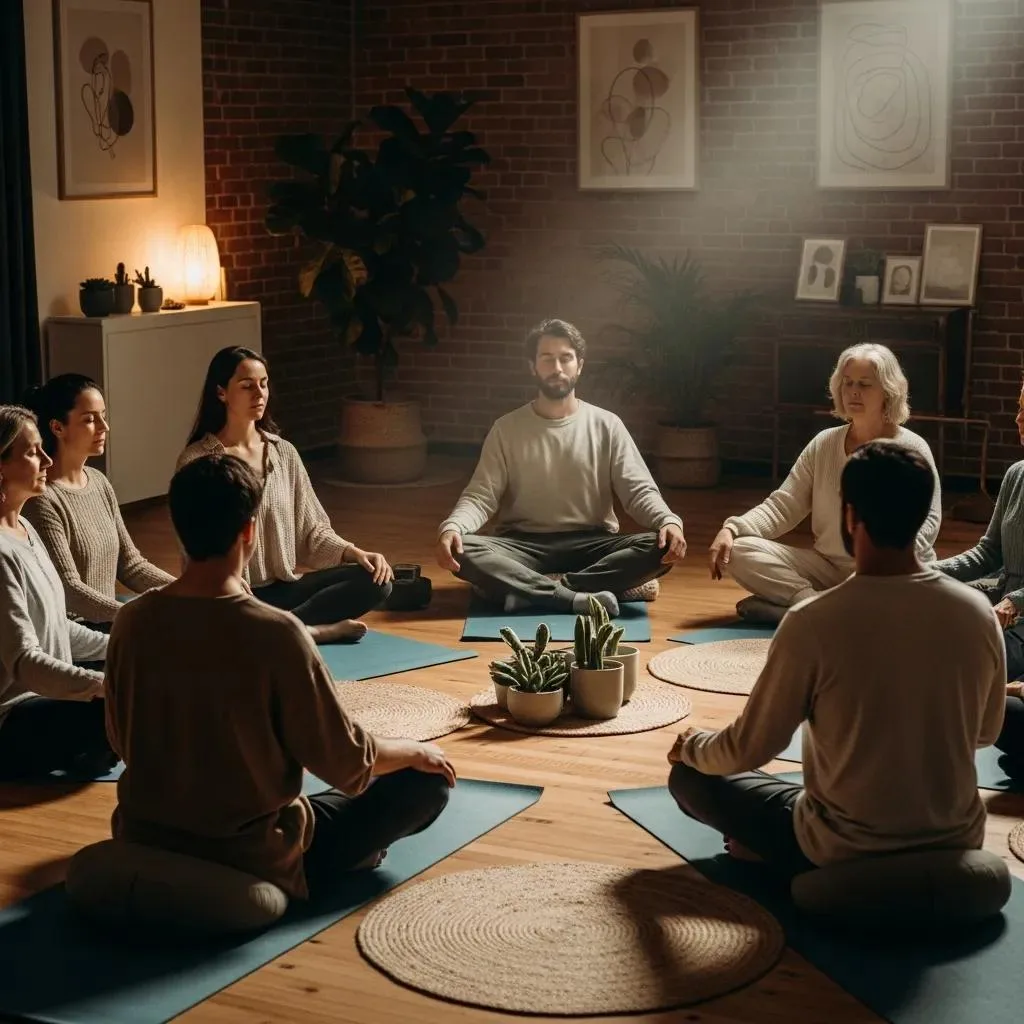
Core mindfulness principles useful in recovery include present-moment attention, nonjudgmental observation, acceptance, and self-compassion applied to cravings and setbacks. Present-moment attention means noticing sensations, thoughts, and urges as they arise instead of getting pulled into stories about past use or future worries. Nonjudgmental observation reduces shame by framing cravings as temporary events rather than moral failures, which supports ongoing engagement with recovery. Self-compassion treats slips as learning moments and reduces avoidance behaviors that can escalate into relapse.
A simple, practical practice is labeling a craving—“thinking,” “feeling,” “urge”—for a few breaths. That small move often lessens the craving’s hold and creates choice. These principles prepare you for emotion-regulation practices that directly support relapse prevention, such as urge surfing and breath-based focused attention.
How does meditation improve emotional regulation and relapse prevention?
Meditation strengthens top-down control from prefrontal regions over limbic reactivity, which helps produce calmer, goal-directed responses during stress. In recovery this means less impulsivity, clearer choices in high-risk situations, and better handling of negative emotions without turning to substances. Useful exercises include urge surfing—watching an urge rise and fall without acting—and naming emotions to lower their intensity. These micro-skills are core to MBRP and similar programs and can be practiced in therapy sessions or throughout daily life.
Regular practice rehearses new response patterns until they become more automatic, reducing relapse risk over time. Knowing that emotional regulation is a trainable skill helps both clinicians and participants focus on short, consistent practices that support more advanced techniques later on.
What scientific evidence explains meditation’s impact on stress and craving reduction?
Evidence for meditation’s effects on stress and cravings comes from multiple, converging areas: neural changes, hormonal shifts, and improved behavioral outcomes. Neuroimaging shows changes in prefrontal control networks and reduced amygdala reactivity. Physiological studies report lower cortisol and better heart rate variability. Clinical trials of mindfulness-based programs report reduced craving intensity and lower relapse rates. Together, these domains provide a coherent explanation for why meditation can be a helpful adjunct to recovery care.
Below is a compact summary table of representative findings to make this evidence easy to scan for clinicians and participants.
Across studies, different measures demonstrate how meditation alters brain, hormone, and behavior outcomes relevant to recovery.
This table shows how brain, body, and behavior data align to explain meditation’s role in reducing stress-triggered relapse, and it leads into the next section on specific brain areas and physiological benefits.
How does meditation reshape brain areas like the amygdala and prefrontal cortex?
Meditation can reduce amygdala reactivity to stress while strengthening prefrontal circuits responsible for attention and impulse control. These neuroplastic changes decrease automatic threat responses and improve cognitive control, helping people respond to cravings with thoughtfulness rather than reflex. For recovery, lower emotional reactivity means fewer intense moments that trigger substance use, and stronger prefrontal regulation supports long-term sobriety goals. These neural shifts build gradually with consistent practice, which is why both short-term relief techniques and longer-term training are valuable.
Understanding these neural mechanisms helps translate practice into targeted exercises—like breath-focused attention—that specifically recruit prefrontal control and address craving circuitry.
What are the physiological benefits: cortisol reduction and enhanced resilience?
Regular meditation reduces baseline stress markers such as cortisol and improves autonomic balance as seen in heart rate variability, offering a physiological buffer against stress-induced relapse. Lower cortisol means less sustained arousal during daily stressors, which can reduce the drive to self-medicate. Better heart rate variability reflects greater parasympathetic flexibility, allowing faster recovery after stress. Together, these changes boost resilience and make it easier to manage cravings and stress without returning to substance use.
These measurable effects inform practical recommendations for practice frequency and duration, since brief, regular practices accumulate into meaningful reductions in physiological stress and relapse vulnerability.
Which meditation techniques are most effective for managing stress and cravings?
Several techniques—focused attention, body scan, loving-kindness, and guided meditations—are well-suited to managing stress and cravings because each targets different recovery needs: attention training, bodily awareness, and self-attitude. Focused attention builds concentration and impulse resistance; body scans increase interoceptive awareness so you notice somatic craving signals; loving-kindness reduces shame and builds self-compassion; guided meditations give structured support for beginners. The right choice depends on recovery stage, personal preference, and immediate goals like acute craving relief or long-term emotion regulation.
Below is a comparison table summarizing mechanisms and practical benefits to help you select the practice that fits your needs.
This comparison highlights how different practices play complementary roles in a recovery plan and sets up clear instructions for focused attention and body-scan techniques next.
How do focused attention and body scan meditations work in sobriety?
Focused attention trains you to return to an anchor—usually the breath—when the mind wanders, strengthening top-down control and reducing impulsive reactions to cravings. Try this simple practice: sit quietly for five minutes, inhale for four counts, exhale for four, and gently bring your attention back to the breath each time you notice distraction. Work up to 5–20 minutes as you feel comfortable.
A body scan moves attention through the body to notice subtle sensations that accompany an urge, allowing those sensations to pass instead of triggering action. A practical body-scan lasts 10–20 minutes, but you can shorten it to a two-minute micro-scan when cravings spike.
Use focused attention in the morning to build baseline regulation, and use quick body scans during cue exposure or when physical tension signals a possible lapse.
What role do loving-kindness and guided meditations play in recovery?
Loving-kindness meditation fosters warm, compassionate feelings toward yourself and others, directly addressing shame and self-criticism that can fuel relapse cycles. A short script—wishing yourself safety, healing, and ease for five to ten minutes—can reduce negative self-talk and boost motivation for recovery. Guided meditations provide structured verbal support that lowers cognitive load for beginners and help rehearse coping skills with prompts for urge-surfing or stress relief. Families and clinicians can use guided scripts to support clients in early outpatient stages or during group sessions.
Compassion-based and guided formats make practice emotionally safe and accessible, complementing attentional and interoceptive techniques covered earlier.
How do yoga and sound baths integrate meditation to support stress relief and craving control?

Yoga and sound baths bring meditation into the body and senses through mindful movement, breath coordination, and auditory immersion. Yoga pairs movement with breath to help recalibrate the nervous system, lower cortisol, and increase body awareness—useful for noticing early craving signals. Sound baths offer gentle, sustained tones that promote deep relaxation, shift attention away from ruminative thought, and activate the parasympathetic nervous system to reduce anxiety and stress-driven urges. These modalities give embodied pathways to mindfulness that are especially helpful when sitting meditation feels difficult.
Below is an operational table showing how each holistic therapy integrates mindfulness and what participants can expect from a session.
These descriptions clarify practical outcomes and lead into facility-specific offerings that weave these therapies into clinical care plans.
What are the benefits of holistic therapies offered at BetterChoice Treatment Center?
At BetterChoice Treatment Center we offer holistic therapies—yoga, sound baths, and acupuncture—within a personalized, evidence-informed approach to addiction recovery in Las Vegas, Nevada. Sessions are aligned with clinical goals: yoga classes blend breathwork and mindful movement in group or one-on-one formats; sound baths provide guided relaxation in a low-stimulation setting; and acupuncture supports physical relaxation and sleep hygiene. Frequency depends on the individualized treatment plan—common schedules include multiple weekly group sessions or individualized appointments—always coordinated with clinical staff for safety and privacy. We emphasize integration with counseling and relapse-prevention work, and our team adapts sessions to each person’s recovery stage and medical needs.
How do these practices enhance mindfulness and emotional balance?
Movement- and sound-based practices strengthen core mindfulness skills by repeatedly directing attention to breath, body sensations, or external tones, which builds attentional control and emotional regulation. Many participants report faster reductions in anxiety and improved sleep after several sessions, creating a steadier baseline for cognitive techniques like urge labeling. Over time, breath-awareness learned in yoga or sound baths transfers to sitting meditation and on-the-spot micro-practices during cravings. These gains show up as fewer high-arousal episodes, better stress tolerance, and more consistent use of relapse-prevention strategies.
Describing these emotional and behavioral changes helps readers see how holistic therapies support individual practice and clinical care.
How can daily mindfulness practices be incorporated beyond formal meditation?
Daily mindfulness extends meditation into routine activities so stress reduction and craving management become part of life, not just formal sessions. Simple exercises—like a 4-4-4 breath before meals, a three-step sensory check during cravings, or mindful walking—offer quick ways to downregulate anywhere. Repeating micro-practices builds new habits that reduce reactive patterns and support long-term sobriety. Pairing these practices with aftercare and outpatient supports ensures continuity, and family members can learn to reinforce routines and find local resources in Nevada.
Below are brief, concrete exercises you can start using right away.
- 4-4-4 Breath: Inhale for four counts, hold for four, exhale for four — repeat three times to calm immediate arousal.
- 3-3-3 Sensory Check: Notice three things you see, three you hear, and three you feel to ground your attention in the present.
- One-Minute Urge Surf: Name the urge, observe sensations for 60 seconds without acting, and notice the urge’s peak and decline.
These micro-practices are portable and effective at interrupting cravings. The next section explains how regular use turns them into durable relapse-prevention habits.
What simple mindfulness exercises help maintain sobriety?
Short, actionable exercises offer quick relief in high-risk moments and are easy to repeat throughout the day. The 4-4-4 breath lowers sympathetic activation; the 3-3-3 sensory check moves attention to neutral sensory data; and a one-minute urge-surfing practice helps you observe cravings until they pass. Other useful options include mindful eating to ground yourself and a one-minute body scan to notice tension that often precedes use. These micro-practices work best when rehearsed regularly so they become automatic responses to triggers rather than optional extras.
Regular rehearsal deepens their effect and prepares you to adopt scheduling and habit-building guidance presented next.
How does consistent practice prevent relapse and manage triggers?
Consistent practice prevents relapse by turning deliberate coping actions into habitual responses to stress and cravings, effectively rewiring automatic reaction patterns. Recommended practice doses include short daily sessions (5–15 minutes) plus on-demand micro-practices during high-risk moments, with gradual progressions to longer sessions as skills develop. Tracking progress with brief journals or apps supports habit formation and provides tangible evidence of reduced cravings and improved mood. Family members and support people can help by encouraging scheduled practice times and modeling short mindful pauses before stressful interactions.
These habit-building strategies lead into concrete starter steps and local support options for those ready to begin.
What steps can you take to begin meditation in your recovery journey?
Starting meditation in recovery is safest when it’s paired with a clinical assessment, a staged practice plan, and integration into broader treatment when needed. Begin with a brief intake to clarify recovery stage, co-occurring conditions, and any safety concerns that might change practice recommendations. A common starter plan includes micro-practices during the first two weeks, followed by supervised group sessions or clinician-led guided meditations. Guided audio, support groups, and outpatient counseling offer structure and accountability as your skills grow.
Below is a concise how-to sequence you can use right away.
- Get an assessment to confirm safety and recovery stage before starting formal meditation.
- Follow a two-week micro-practice roadmap (daily 5–10 minute sessions plus on-demand micro-skills).
- Connect with outpatient supports or group sessions for supervision and skills rehearsal.
These steps orient you for safe initiation and connect to the facility-specific intake guidance below.
How to start meditation techniques for addiction recovery?
A beginner two-week roadmap helps new practitioners build tolerance and basic skills without triggering overwhelming stress. Week one focuses on daily 5–7 minute focused-attention sessions and using the 4-4-4 breath during moments of stress; week two adds short body-scan practices and a guided loving-kindness session two to three times. Safety notes: people in acute detox or with severe psychiatric symptoms should begin meditation under clinical supervision, and clinicians should be alerted to intense distress during practice. Use guided audio or clinician-led sessions for extra support if intrusive memories or strong cravings emerge.
This starter program offers a safe progression and points you toward clinical intake and local support options.
Where to find resources and support at BetterChoice Treatment Center?
BetterChoice Treatment Center helps people in Nevada access treatment quickly and provides clear guidance for addiction recovery, including referrals to holistic therapies like yoga, sound baths, and acupuncture. During your first contact expect an intake assessment covering medical history, current substance use, and recovery goals; staff will explain timelines for starting group or individual holistic sessions and coordinate them with counseling while prioritizing privacy and clinical oversight. BetterChoice offers 24/7 support and assists with care navigation; family members can call about aftercare and outpatient referrals and learn ways to support ongoing mindfulness routines. Our location is 198 Ebb Tide Cir, Las Vegas, NV 89123, and we can be reached at (725) 299-4777.
This information is intended to help you connect to local, integrated supports that pair meditation with clinical care and to close the loop on next steps for beginning a mindful recovery plan.
Frequently Asked Questions
What is the best time of day to practice meditation for recovery?
There’s no single best time—choose what fits your schedule and stick with it. Many people prefer mornings because a brief practice sets a calmer tone for the day and supports focus. Others find evenings more helpful for unwinding and processing the day. The most important factor is consistency: pick a time you can keep and experiment to see when you feel most receptive.
Can meditation be combined with other therapeutic approaches?
Absolutely. Meditation pairs well with therapies like cognitive-behavioral therapy (CBT), group work, and medication-assisted treatment. Mindfulness can strengthen emotional regulation and coping strategies, making those therapies more effective. Many recovery programs now blend mindfulness-based approaches with traditional care to address both psychological and physiological aspects of addiction.
How long should I meditate each day to see benefits?
Starting with 5–10 minutes a day can produce noticeable benefits. As you get more comfortable, increasing to 15–30 minutes can deepen the effects on stress and craving management. Consistency matters more than length—regular short practices often beat sporadic longer sessions. Tracking progress can help you stay motivated.
What if I find it difficult to focus during meditation?
Difficulty focusing is normal, especially at first. Meditation is a skill that improves with practice. Use anchors like the breath, a simple mantra, or guided meditations to help you stay present. When your mind wanders, gently notice it and return to your anchor without judgment. Over time, your concentration will improve.
Are there specific meditation techniques recommended for beginners?
Yes. Focused-attention meditation (breath-focused) is an accessible starting point. Body scans help you notice physical signs of cravings. Loving-kindness supports self-compassion and reduces shame. Guided meditations are especially useful for beginners because they provide structure and support. Try a few methods to see which feels right.
How can I stay motivated to maintain my meditation practice?
Set clear intentions and realistic goals. Schedule practice times and use apps, journals, or a practice partner for accountability. Joining a group or class can boost motivation. Reminding yourself of practical benefits—less stress, clearer decisions, better emotional control—helps maintain commitment, and celebrating small milestones keeps momentum going.
What role does community support play in meditation and recovery?
Community support provides encouragement, accountability, and shared experience. Group meditation and peer support groups create safe spaces to share challenges and wins, which reinforces commitment to recovery. Community can also introduce new techniques and perspectives that enrich your practice and recovery journey.
Conclusion
Meditation can be a powerful tool in recovery—improving emotional regulation, reducing cravings, and increasing self-awareness. Backed by research on brain and physiological changes, mindfulness practices complement clinical care and build resilience against relapse. By adding short, consistent practices into daily life, you can create meaningful, lasting change. Explore our resources and reach out to find the meditation techniques and supports that work best for you.