

Medications Used in Alcohol Detox: Safe, Effective Options at BetterChoice Treatment Center
Alcohol detox is a medically supervised process that helps people stop drinking while safely managing withdrawal. Medications are often central to lowering symptom severity, preventing serious complications like seizures or delirium tremens, and improving comfort during the first days of recovery. This guide walks through the medication classes commonly used in detox — from benzodiazepines such as Librium (chlordiazepoxide) to adjunctive anticonvulsants like gabapentin — and explains longer‑term options including naltrexone, acamprosate, and disulfiram. You’ll learn how withdrawal typically unfolds, which drugs are used for acute stabilization versus relapse prevention, and how medication‑assisted treatment (MAT) fits alongside counseling and holistic therapies. Practical sections describe what to expect during medical detox at BetterChoice Treatment Center in Las Vegas, including intake, monitoring, and available supports. We also use clear keywords — like librium detox, gabapentin alcohol withdrawal, medical detox, and naltrexone alcohol — to help people and families comparing care choices.
What Is Alcohol Withdrawal Syndrome and Why Is Medical Detox Essential?
Alcohol Withdrawal Syndrome (AWS) is a predictable set of symptoms that can appear when someone with physical dependence reduces or stops drinking. Years of alcohol exposure change the brain’s GABA and glutamate systems; when alcohol is removed, the nervous system can become overactive, producing symptoms from tremor and anxiety to seizures and delirium tremens. Medical detox is critical because professional assessment, monitoring, and targeted medications substantially lower the risk of severe complications and death. Unsupervised withdrawal can deteriorate quickly over hours or days, so early recognition and medical support both reduce suffering and create a safer path into ongoing addiction treatment and MAT. Knowing how symptoms progress helps clinicians choose and time medications and monitoring appropriately.
What Are the Common Symptoms and Risks of Alcohol Withdrawal Syndrome?
Withdrawal symptoms range from mild, uncomfortable signs to life‑threatening events. Early symptoms often include tremor, sweating, anxiety, nausea, headache, insomnia, and a fast heart rate; these usually start within 6–24 hours after the last drink and often peak between 24 and 72 hours. More serious problems can include generalized tonic‑clonic seizures and delirium tremens (DTs), a severe state of confusion with unstable vital signs that can be fatal without treatment. Because seizures and DTs need rapid medical response, anyone with moderate‑to‑severe dependence or a history of severe withdrawals should seek medically supervised detox. If a person develops high fever, loss of consciousness, repeated seizures, or extreme disorientation, they need emergency care right away.
The following list summarizes common symptom groups and red flags:
- Mild-to-moderate autonomic symptoms: tremor, sweating, rapid heartbeat, and anxiety.
- Neuropsychiatric symptoms: insomnia, vivid dreams, agitation, and trouble concentrating.
- Severe complications: seizures and delirium tremens, marked by intense confusion and unstable vital signs.
These categories inform how closely someone should be monitored and which medications are most appropriate — and they help explain why supervised detox is the safest option for at‑risk individuals.
How Does Medical Detox Ensure Safety During Alcohol Withdrawal?
Medical detox combines structured assessment, continuous monitoring, and timely medication to address the underlying neurobiology of withdrawal. Intake evaluations capture withdrawal history, medical conditions, and other substance use; standardized tools such as CIWA‑Ar (Clinical Institute Withdrawal Assessment for Alcohol) are often used to score symptoms and guide dosing. Ongoing vital‑sign checks, nursing observation, and clinician availability let teams act quickly if seizures or DTs occur. Medication strategies — including symptom‑triggered benzodiazepine dosing or scheduled tapers — are paired with supportive care like fluids, electrolyte replacement, and treatment of co‑occurring medical issues. Together these practices reduce complications, shorten symptom duration, and make the handoff to rehab or outpatient care safer and more effective.
- Assessment and monitoring: regular CIWA‑Ar scores and vitals guide care intensity.
- Medication management: symptom‑triggered or scheduled dosing lowers withdrawal risk.
- Supportive care: hydration, nutrition, and correction of metabolic problems supplement pharmacotherapy.
These operational steps form the clinical backbone of safe detox and set the stage for choosing the right medications.
Which Medications Are Used for Alcohol Withdrawal Syndrome?
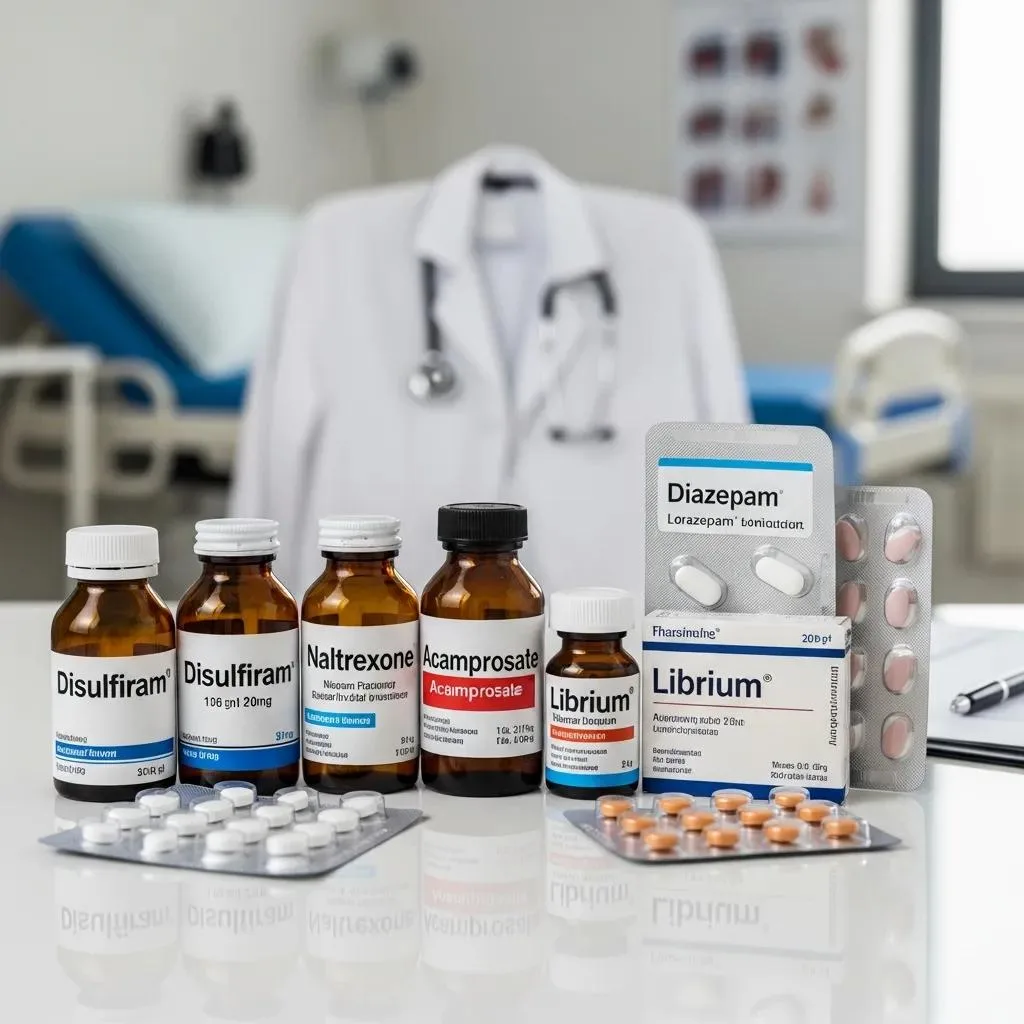
Medications for acute alcohol withdrawal generally fall into three groups: benzodiazepines, anticonvulsants/adjuncts, and supportive agents. Each targets particular risks such as preventing seizures, easing anxiety, or helping with sleep. Benzodiazepines — for example, chlordiazepoxide (Librium), diazepam, and lorazepam — are first‑line for moderate‑to‑severe withdrawal because they enhance GABA‑A activity and calm central nervous system hyperexcitability. Anticonvulsants like gabapentin or carbamazepine may be used as adjuncts or alternatives for selected patients, particularly with milder symptoms or when benzodiazepines are not appropriate. Safety concerns include sedation, respiratory depression when combined with other depressants, and dependence with prolonged benzodiazepine use; that’s why careful monitoring and tapering are essential. At BetterChoice, MDs and nursing staff follow established monitoring protocols and individualize medication plans; see the section “How Does BetterChoice Treatment Center Integrate Medication‑Assisted Treatment with Holistic Therapies?” for more about care coordination.
The table below compares common acute‑care medications used in withdrawal by mechanism, typical clinical dosing approach (non‑prescriptive), purpose, and common side effects.
How Do Benzodiazepines Like Librium Work in Alcohol Detox?
Benzodiazepines ease withdrawal by boosting GABA‑A receptor function, offsetting the brain’s hyperexcitable state after chronic alcohol use stops. Drugs like chlordiazepoxide (Librium) act as positive allosteric modulators at GABA‑A receptors, increasing chloride flow into neurons and reducing excessive firing — which lowers autonomic symptoms, tremor, and seizure risk. Clinically they can be given using symptom‑triggered dosing guided by CIWA‑Ar or with scheduled taper regimens; both approaches try to balance effective symptom control with avoiding over‑sedation. Because benzodiazepines carry dependence potential, clinicians plan short courses with clear tapers and consider alternatives for patients with benzodiazepine sensitivity or respiratory compromise. This pharmacology explains why benzodiazepines remain a mainstay of acute detox care.
Selection, monitoring, and tapering of benzodiazepines naturally lead into a discussion of their benefits and safety considerations below.
What Are the Benefits and Considerations of Using Benzodiazepines?
Benzodiazepines provide rapid relief from withdrawal symptoms, lower the risk of seizures, and reduce the chance of progressing to delirium tremens when used under medical supervision. Their practical strengths are reliable anxiolysis, improved sleep, and a proven track record in inpatient detox. Important considerations include the risk of over‑sedation, respiratory depression (especially with opioids or alcohol), potential iatrogenic dependence if courses are prolonged, and drug interactions with other CNS depressants. Clinicians reduce these risks with symptom‑triggered dosing, frequent monitoring, documented taper plans, and careful patient selection; in some cases, alternatives such as gabapentin or carbamazepine are chosen. Overall, when delivered within structured clinical pathways, the benefit‑risk profile favors benzodiazepines for moderate‑to‑severe withdrawal.
Benefits and considerations at a glance:
- Benefit: Effective seizure prevention and quick anxiety relief.
- Risk: Sedation and respiratory compromise with polypharmacy.
- Mitigation: Short courses, tapering, and close monitoring.
This balanced perspective helps providers match medication choices to each patient’s clinical needs.
How Does Gabapentin Support Alcohol Detox and Cravings Reduction?
Gabapentin is often used off‑label to support mild‑to‑moderate withdrawal and to help reduce cravings. It works by modulating calcium channels and indirectly affecting GABAergic tone. Recent studies suggest gabapentin can improve sleep, lower anxiety, and reduce some measures of craving, making it a useful adjunct when benzodiazepines aren’t ideal or as a step‑down after stabilization. Clinicians may consider gabapentin for patients with milder withdrawal, those with contraindications to benzodiazepines, or people with persistent sleep and anxiety problems that raise relapse risk. Safety points include central nervous system effects, the need for renal dose adjustments, and emerging concerns about misuse — so gabapentin requires careful clinical judgment, monitoring, and patient education. The table below summarizes gabapentin’s off‑label role, proposed mechanism, studied dose ranges, and safety notes.
Clinically relevant summary of gabapentin’s properties:
What Is Gabapentin’s Role and Mechanism in Alcohol Detoxification?
Gabapentin is used mainly as an adjunct to reduce anxiety, improve sleep, and lessen craving after acute withdrawal; its use for alcohol detox is off‑label. It binds to the α2δ subunit of voltage‑gated calcium channels, dampening excitatory neurotransmission and indirectly supporting inhibitory GABA signaling — which can reduce the hyperexcitable state of withdrawal. Randomized and observational studies show benefits for milder withdrawal and in some post‑detox relapse prevention efforts, though the evidence is not as extensive as for benzodiazepines or FDA‑approved long‑term agents. As an adjunct, gabapentin can be used alone in carefully selected cases or combined with other supports, with transparent counseling and close follow‑up. Clinicians weigh these considerations when fitting gabapentin into an individualized plan.
What Are the Dosage Guidelines and Safety Considerations for Gabapentin?
Gabapentin dosing strategies in alcohol‑related care vary between studies, typically using divided daily doses that are adjusted for symptom response and renal function; exact regimens are individualized by clinicians. Safety monitoring focuses on CNS effects such as dizziness and sedation, checking renal clearance for dose changes, and watching for possible misuse or diversion in patients with substance use histories. Because gabapentin is renally excreted, doses should be lowered in kidney impairment and treatment response reviewed frequently. Providers reduce risks by setting clear goals, limiting supply when appropriate, and placing gabapentin within a broader treatment plan that includes counseling and follow‑up.
Key safety considerations:
- Renal dosing: adjust dose for reduced kidney function.
- CNS effects: monitor for sedation and counsel about safety with driving or operating machinery.
- Abuse mitigation: frequent follow‑up and integrated care reduce misuse risk.
These precautions help ensure gabapentin’s benefits are used safely within a comprehensive detox plan.
What Medications Aid Long-Term Alcohol Dependence Treatment?
Medications used for long‑term alcohol treatment focus on preventing relapse and reducing heavy drinking by altering reward pathways or producing aversive effects when alcohol is consumed. The three main agents are naltrexone (an opioid receptor antagonist that blunts alcohol’s rewarding effects), acamprosate (which helps rebalance glutamate/GABA signaling to support abstinence), and disulfiram (which causes an unpleasant reaction if alcohol is taken). Choosing among these depends on patient goals (harm reduction versus abstinence), medical history, potential drug interactions, and how the medication is delivered (oral versus injectable). When combined with psychosocial therapies, these medications form the MAT component of long‑term care and improve outcomes for many people when used and monitored appropriately.
How Does Naltrexone Help Reduce Alcohol Cravings and Prevent Relapse?
Naltrexone reduces alcohol’s rewarding effects by blocking mu‑opioid receptors, which can lower craving and the risk of heavy drinking. Studies show it reduces rates of heavy drinking and can blunt subjective craving; options include daily oral dosing or a long‑acting injectable to support adherence. Suitability depends on treatment goals, absence of recent opioid use, and baseline liver function — clinicians check liver enzymes before and during treatment. Used alongside counseling and behavioral supports, naltrexone is a key option for people aiming to reduce relapse risk and harmful drinking patterns.
What Are the Roles of Acamprosate and Disulfiram in Supporting Abstinence?
Acamprosate helps stabilize the brain’s glutamate and GABA systems after long‑term alcohol exposure, which can ease protracted withdrawal symptoms and biological urges to drink. It’s typically used for patients committed to abstinence and requires adherence to a multi‑dose daily schedule and renal dosing adjustments. Disulfiram works differently: by inhibiting aldehyde dehydrogenase it causes an unpleasant reaction if alcohol is consumed, serving as a behavioral deterrent that depends heavily on patient motivation and supervision. Acamprosate is chosen for biochemical support of abstinence; disulfiram is chosen when a strong aversive strategy is appropriate and close oversight is available. Careful patient selection, counseling, and monitoring are essential for both medications.
Summary comparison insights:
- Acamprosate: supports neurochemical balance to help maintain abstinence.
- Disulfiram: creates an aversive reaction that requires motivation and supervision.
- Naltrexone: reduces alcohol reward and heavy drinking, available in oral and injectable forms.
These options let clinicians tailor long‑term plans to each person’s goals and clinical context.
How Does BetterChoice Treatment Center Integrate Medication-Assisted Treatment with Holistic Therapies?

BetterChoice combines medication‑assisted treatment with counseling and complementary therapies through a multidisciplinary model built around individualized plans and coordinated care. Our clinical team — MDs, nurses, and therapists — works together to choose safe, evidence‑based medications for detox and long‑term management while offering holistic modalities such as yoga and acupuncture to support physical and emotional regulation. We emphasize accreditation and quality standards, accept major insurance plans to improve access, and schedule holistic therapies alongside medical management so medications address neurochemical needs while counseling and somatic practices build relapse‑prevention skills. This integrated approach aligns pharmacologic treatment with psychosocial supports to improve safety and long‑term outcomes.
What Personalized Treatment Plans Does BetterChoice Offer for Alcohol Detox?
At BetterChoice we create individualized detox plans that start with a full medical and psychosocial assessment to determine withdrawal severity, co‑occurring conditions, and recovery goals. Medication choices are tailored to the clinical picture — for example, benzodiazepines for higher‑risk withdrawal or gabapentin as an adjunct when appropriate — with nursing and physician oversight for dosing and tapering. Our multidisciplinary team coordinates transitions from detox to inpatient rehab or outpatient care as needed to ensure continuity and linkage to counseling and MAT for long‑term management. We also handle insurance verification and provide logistical support during intake to minimize delays. This patient‑centered process matches evidence‑based medication strategies to each person’s clinical profile and recovery objectives.
How Are Counseling and Holistic Therapies Combined with Medications?
Counseling — including cognitive behavioral therapy (CBT), individual therapy, and group work — runs alongside medication management to address triggers, coping skills, and relapse prevention. Holistic therapies such as yoga and acupuncture are integrated to help with relaxation, sleep, and stress reduction, complementing the neurochemical stabilization medications provide. Clinicians and therapists hold regular case reviews to align treatment timing, track response, and adjust medications or therapies as needed. That coordination ensures pharmacologic control of withdrawal and cravings is reinforced by psychosocial supports that build resilience and long‑term recovery skills.
Counseling and holistic integration highlights:
- Behavioral therapies: address cognitive and environmental relapse triggers.
- Holistic modalities: support sleep and stress reduction in early recovery.
- Team coordination: aligns medication changes with therapeutic progress.
This combined approach treats both symptoms and the skills needed for sustained recovery.
What Should Patients Expect During the Alcohol Detox Process at BetterChoice?
Patients at BetterChoice can expect a clear intake, continuous clinical monitoring, individualized medication plans, and coordinated transition planning. The process begins with screening and a medical assessment to determine withdrawal severity, medical risks, and the right level of care; monitoring includes regular vital signs, symptom scoring, and nursing observation with MD oversight available around the clock. Medication strategies are personalized — benzodiazepines for moderate‑to‑severe withdrawal, adjunctive anticonvulsants when appropriate, and planning for longer‑term MAT when indicated — and are paired with supportive therapies and counseling. We address practical matters like insurance verification and next‑step planning early to reduce barriers, and staff uphold privacy and clinical safeguards throughout admission. Together these elements create a predictable path from acute stabilization to ongoing treatment.
What Is the Intake Process and Insurance Guidance for Medical Detox?
Intake usually starts with an initial phone or online screening to confirm medical suitability and insurance eligibility, followed by a full clinical evaluation on arrival that includes medical and substance‑use history and baseline labs as needed. We verify insurance to clarify coverage for medical detox and inpatient services and help patients with common administrative steps to smooth admission; BetterChoice accepts major insurers and provides guidance to navigate benefits. Typical first‑day items include photo ID, medical records, and a list of current medications, along with clear information about what to expect during observation and medication initiation. Early communication about insurance and logistics helps patients and families focus on clinical stabilization rather than paperwork.
Intake and insurance checklist summary:
- Initial contact and screening: confirm medical suitability for detox.
- Insurance verification: clarify coverage and answer financial questions.
- Admission items: bring identification and relevant medical records.
Clear intake steps and insurance help reduce delays and support timely, medically supervised detoxification.
How Does BetterChoice Ensure Privacy, Safety, and Continuous Support?
BetterChoice protects privacy with standard confidentiality practices and maintains safety with 24/7 clinical monitoring and a multidisciplinary staff. Privacy follows healthcare confidentiality norms, and clinical teams provide ongoing assessment to spot complications early and intervene promptly. Safety measures include regular vital‑sign checks, symptom‑triggered medication adjustments, and clear escalation pathways to higher levels of care when needed. Continuity of support continues after detox through referral pathways to inpatient rehab, outpatient programs, and counseling services, helping patients keep momentum after stabilization. These elements combine to create a safe, private, and supportive environment for medically supervised withdrawal and the start of recovery.
Key safety and support features:
- 24/7 clinical monitoring: continuous observation and rapid response.
- Privacy safeguards: adherence to confidentiality and clinical standards.
- Continuity of care: planned referrals and coordinated transitions after detox.
Frequently Asked Questions
What is the role of counseling in alcohol detoxification?
Counseling addresses the psychological side of addiction and is a key part of detox. It helps people identify triggers, build coping strategies, and strengthen resilience against relapse. Modalities like cognitive behavioral therapy (CBT), individual counseling, and group sessions are combined with medical care to improve outcomes. While medications manage withdrawal symptoms, counseling supports emotional recovery and planning for long‑term sobriety.
How long does the alcohol detox process typically last?
Detox duration varies by the person’s level of dependence, medical history, and symptom severity. Generally, withdrawal can last a few days to about a week, with initial symptoms appearing 6–24 hours after the last drink and often peaking around 72 hours. Continuous monitoring and individualized treatment at centers like BetterChoice help keep detox safe and allow clinicians to adjust care as needed.
Are there any alternative therapies used during alcohol detox?
Yes. Many programs integrate complementary therapies to support overall well‑being during detox. At BetterChoice we offer options such as yoga, acupuncture, and mindfulness alongside medical treatments. These therapies can reduce stress, improve sleep, and support emotional regulation, complementing pharmacologic interventions and contributing to a more holistic detox experience.
What should patients bring to the detox facility?
To prepare for admission, patients should bring valid photo identification, any relevant medical records, and a current list of medications. Comfortable clothes and personal hygiene items are helpful; please avoid valuables and any prohibited substances. Facility staff will provide guidance about what to expect, which can ease anxiety about the first day.
How does BetterChoice Treatment Center support families during detox?
We recognize that family support matters. BetterChoice offers family education, family therapy options, and regular updates (with the patient’s consent) to help families understand the process and learn how to support recovery. Family involvement in counseling sessions can address their concerns and improve outcomes for everyone involved.
What happens after detox at BetterChoice Treatment Center?
After detox, most patients transition into a comprehensive treatment program — either inpatient rehab or outpatient services — that focuses on long‑term recovery. This may include MAT, counseling, and support groups. Our multidisciplinary team works with each patient to create a personalized aftercare plan that addresses ongoing needs and reduces relapse risk. Follow‑up care and community resources help sustain progress beyond the detox phase.
Conclusion
Knowing the medications used in alcohol detox helps people and families make safer, more informed decisions. When delivered as part of a medically supervised program, treatments like benzodiazepines and adjunctive options can reduce withdrawal risk and improve comfort — while longer‑term medications, counseling, and holistic supports help build lasting recovery. BetterChoice Treatment Center offers personalized, evidence‑based care that blends medication‑assisted treatment with therapies to support the whole person. If you or a loved one are considering detox, reach out to learn more about our programs and next steps toward a healthier future.