

Medication Management in Dual Diagnosis Treatment: A Practical Guide to Integrated Care and Recovery
Medication management for dual diagnosis means using carefully chosen medicines alongside counseling and support so people with both a mental health condition and a substance use disorder can get steady, safer progress in treatment. This guide walks through how medication plans are made, which drug classes are commonly used, and how medication works with psychotherapy and holistic supports to lower relapse risk and improve day-to-day functioning. Many people face overlapping problems—depression can intensify substance use and substance use can worsen anxiety—so individualized medication strategies are key to breaking those cycles and making therapy more effective. Below you’ll find clear definitions, evidence-based medication groups, safety and monitoring considerations, clinical workflow steps for intake and stabilization, and practical tips families can use to get help started. We also use targeted phrases such as medication management dual diagnosis, pharmacological interventions for dual diagnosis, and medication adherence strategies dual diagnosis to make this resource easy to find for clinicians, families, and patients.
What Is Dual Diagnosis and Why Is Medication Management Important?
In dual diagnosis, a person has both a mental health disorder and a substance use disorder at the same time. Medication management means prescribing and monitoring medicines that address psychiatric symptoms and substance-related physiology together, with the goal of stabilizing risk and improving the person’s ability to participate in therapy and recovery supports. Medications can ease withdrawal, lower cravings, and help regulate mood and sleep. When used within an integrated care model—where addiction and psychiatric care are coordinated—medication becomes a practical tool to reduce crises and support longer-term recovery.
Dual diagnosis often creates feedback loops: anxiety may lead to self-medication with alcohol, and long-term substance use can trigger or worsen depression. Because the conditions interact, treating one without assessing the other can miss important drivers of relapse. Research shows better outcomes when clinicians screen for and treat both disorders together. Early identification lets teams focus on safe stabilization, plan medication timing carefully, and set up combined therapy and relapse prevention from the start.
Medication plays three main roles in dual diagnosis care: stabilizing dangerous symptoms quickly, lowering relapse risk, and making patients more ready to learn in therapy. Psychiatric drugs adjust mood and cognition, while medications for substance use reduce the reinforcing effects of substances or blunt cravings. Practically, this means fewer emergency visits, better therapy attendance, and reduced overdose risk in early recovery. Clinicians also protect patient safety and privacy by following informed consent rules and monitoring for side effects—building confidence for patients and families considering medication-based treatment.
Key benefits of coordinated medication management include:
- Stabilization: Fast symptom relief that lowers immediate clinical risk and helps daily functioning.
- Relapse prevention: MAT and other medications reduce cravings and make relapse less likely.
- Therapy readiness: Reduced symptoms let patients engage more fully in psychotherapy and behavioral work.
These advantages explain why integrated medication protocols are central to evidence-based care for co-occurring disorders and why clinicians emphasize safe, monitored prescribing.
Defining Dual Diagnosis: Co-Occurring Mental Health and Substance Use Disorders
“Dual diagnosis” (or co-occurring disorders) means someone has at least one psychiatric disorder and at least one substance use disorder simultaneously. Both conditions can shape how the other starts and progresses, so assessment must cover mood, anxiety, psychosis, trauma history, and substance patterns. Co-occurrence is common across care settings, and missing one diagnosis often reduces treatment success. A typical example: a person with major depressive disorder might drink to cope, which can briefly dull symptoms but ultimately deepens depression and raises risk. That’s why clinicians need a dual-focused approach from intake onward.
Early detection relies on screening tools and careful interviews to tell substance-induced symptoms apart from primary psychiatric illness—this distinction affects which medications are started and when. Often clinicians will stabilize substance-related physiology first, then begin psychiatric medication trials once acute intoxication or withdrawal is controlled. Clear team communication among prescribers, therapists, nurses, and families supports accurate diagnosis and safe medication planning.
Why Medication Management Matters for Stabilization and Relapse Prevention
Medication management targets the biological drivers of relapse—withdrawal, intense cravings, and severe mood or anxiety symptoms—by acting on neurotransmitter systems involved in addiction and mental illness. For example, medications that balance serotonin or dopamine can ease depression and reduce the urge to use substances to self-medicate. Stabilization improves sleep, thinking, and coping, creating a critical window when psychosocial treatments work better. Safety practices—dose titration, lab monitoring when needed, and careful checks for drug interactions—help minimize risk when psychiatric and SUD medications are used together.
Practical outcomes of good medication management include faster symptom control, fewer emergencies, and better retention in treatment programs. Clinicians use monitoring plans—vitals, labs, urine tests when indicated—to spot side effects or nonadherence early and make timely adjustments. Throughout, teams explain treatment goals and risks, obtain informed consent, and involve families only with the patient’s permission, which supports trust and respects autonomy. These safeguards make medication a reliable and ethical part of dual diagnosis care.
Which Medications Are Used in Dual Diagnosis Treatment?
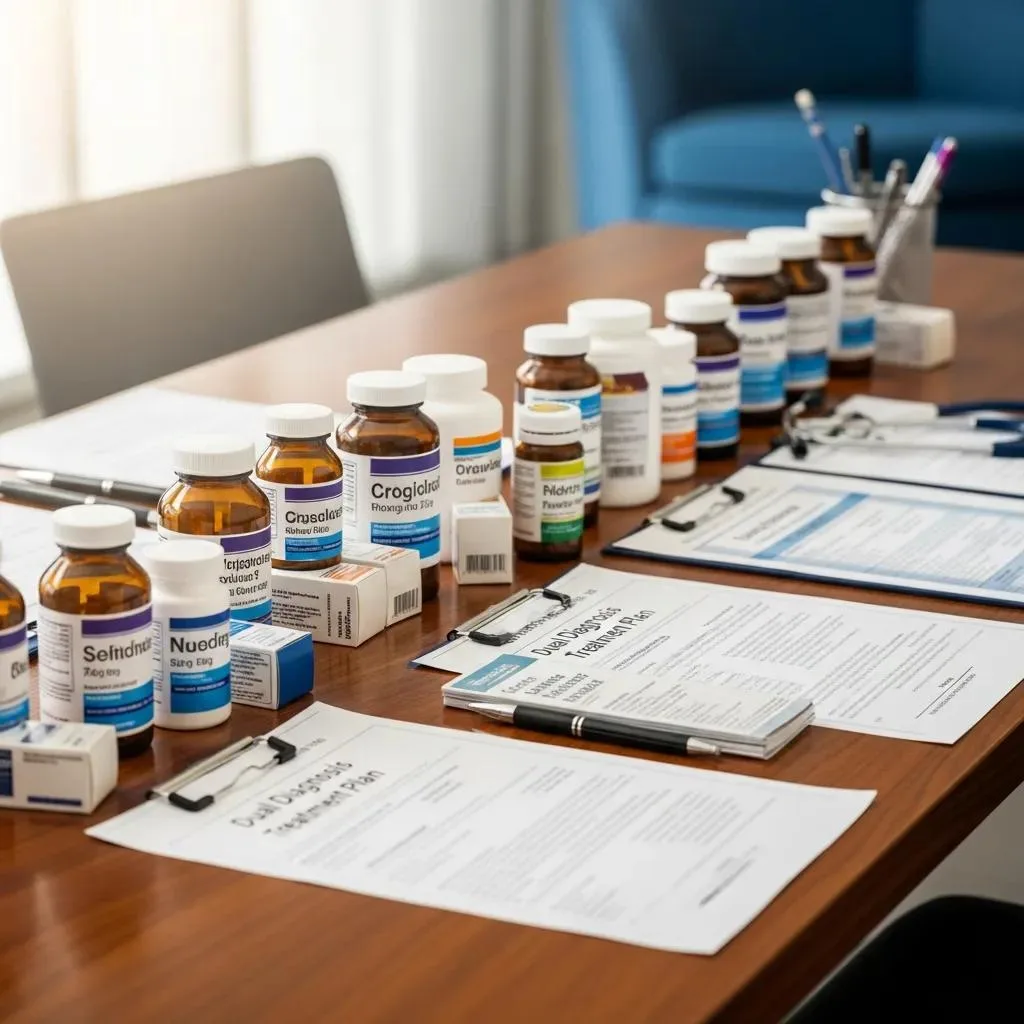
Treatment typically combines psychiatric medications for mood, anxiety, bipolar disorder, or psychosis with medication-assisted treatments (MAT) for substance use disorders. Common psychiatric agents include antidepressants (SSRIs, SNRIs), mood stabilizers (lithium, valproate), and antipsychotics (atypical agents). MAT options include naltrexone, buprenorphine, and methadone, which reduce cravings, block drug effects, and lower overdose risk. Choosing the right drugs means weighing effectiveness, interaction risks, monitoring needs, and the patient’s current substance-related physiology.
The table below summarizes commonly used medication categories, their main uses, expected effects, side effects, and monitoring notes so clinicians and families can quickly compare options and safety requirements.
These options underscore why clinicians tailor medication choices to diagnosis, medical history, and likely adherence, and why careful monitoring is essential in dual diagnosis care.
Psychiatric Medications: Antidepressants, Mood Stabilizers, and Antipsychotics
Clinicians select psychiatric medications based on the main mental health condition—depression, anxiety, bipolar disorder, or psychosis—and how symptoms overlap with substance use. Antidepressants (SSRIs/SNRIs) help mood and anxiety and often improve sleep. Mood stabilizers (lithium, valproate) manage bipolar swings. Antipsychotics treat psychosis and can calm severe agitation. Prescribers consider side effects, interactions with substances, and timing—often waiting until acute intoxication or withdrawal settles so medication effects are clearer. Routine monitoring includes symptom checks every few weeks and lab work for drugs that need it, with attention to metabolic and neurological side effects.
When psychiatric meds are combined with MAT, prescribers check for pharmacologic interactions and overlapping sedation or metabolic risks. For example, using sedating antipsychotics with opioid agonists raises respiratory concerns, so clinicians may choose less sedating options or adjust doses. Ongoing communication between medical providers, psychiatry, nursing, and therapy teams ensures side effects and responses are tracked and that medication changes support overall treatment goals. That collaborative approach reduces risk and helps steady progress across mental health and addiction care.
Medications for Substance Use Disorders: Naltrexone, Buprenorphine, Methadone, and Others
Medications for substance use disorders are core elements of MAT and are chosen based on the substance, clinical history, and recovery goals. Buprenorphine (a partial opioid agonist) reduces opioid cravings and withdrawal and lowers overdose risk when inducted correctly. Methadone (a full agonist) is another effective option under regulated clinic dosing. Naltrexone (an antagonist) helps prevent opioid relapse after detox and reduces alcohol cravings. Acamprosate and disulfiram serve distinct roles for alcohol care—acamprosate stabilizes cravings, disulfiram creates an aversive reaction to drinking. Eligibility depends on medical status (for example, liver health), recent opioid use, and a patient’s ability to follow monitoring requirements.
Induction and monitoring differ by medication: buprenorphine must be timed to avoid precipitated withdrawal; methadone follows strict dosing rules in a clinic; naltrexone usually requires a confirmed opioid-free interval before starting. Safety checks include liver tests for certain drugs, monitoring for sedation or orthostatic changes, ECGs for methadone when indicated, and medication reconciliation and urine testing as needed. These steps help ensure MAT is effective and safe, highlighting the need for experienced teams in dual diagnosis care.
How Does BetterChoice Treatment Center Manage Medication for Dual Diagnosis?
At BetterChoice Treatment Center, medication management for dual diagnosis is delivered through coordinated assessment, individualized plans, and continuous oversight from an interdisciplinary team—physicians, psychiatrists, nurses, and therapists. The center is licensed and accredited and follows evidence-based protocols to provide integrated care for mental health and substance use disorders. That structure supports medical oversight, around-the-clock clinical support during stabilization, and clear documentation so medication decisions align with therapy goals and discharge planning.
This step-by-step process shows how roles and timing combine to create a safe, collaborative medication pathway that supports recovery goals.
Initial Assessment and Personalized Medication Plans
The initial assessment collects medical, psychiatric, and substance use history and establishes baseline vitals and labs to guide safe medication choices. Clinicians screen for suicide risk, overdose risk, prior medication responses, and medical comorbidities to decide whether immediate treatment or a short stabilization period is needed. Families are told how consent and privacy work, and clinicians explain medication goals, expected effects, and monitoring so everyone understands the plan. In the first 24–72 hours providers typically focus on stabilizing withdrawal or severe psychiatric symptoms, then co-create a personalized medication plan that supports therapy and discharge needs.
Expect an iterative approach: initial doses are often conservative and adjusted as symptoms and tolerability become clear. Shared decision-making is emphasized—patients can raise concerns and preferences while clinicians balance safety and evidence. Early, clear communication reduces uncertainty and supports better adherence as treatment continues.
Continuous Monitoring and Adjustments by Our Expert Medical Team
Ongoing monitoring includes routine clinical checks, vital signs, symptom scales, and lab tests when appropriate to spot side effects, interactions, or changing needs. Nursing staff perform daily assessments and report to prescribers; psychiatrists and physicians review progress at scheduled points to decide whether to titrate, switch, or maintain medications. Triggers for change include persistent cravings, worsening mood or psychosis, intolerable side effects, or abnormal lab results. Clinicians document and discuss changes with patients and families when appropriate, keeping decisions clear and collaborative.
Care transitions are planned so that when a patient steps down to outpatient services, medication plans, monitoring needs, and community supports are handed off to the receiving providers. Families receive practical education about medication purpose, warning signs, and supportive, non-coercive ways to help—measures that reduce relapse risk and improve long-term outcomes.
How Is Medication Integrated with Therapy and Holistic Treatments?
Medication works best when combined with evidence-based therapy and supportive services. Medicines reduce symptom intensity so patients can learn skills and practice relapse-prevention strategies in therapy. Integrated teams coordinate treatment plans and hold regular case discussions so medication changes support therapeutic goals—like mood stabilization or reframing cravings—rather than interrupt them. For example, pairing CBT with an antidepressant targets both thinking patterns and the biological drivers of depression, improving overall results. This coordinated approach helps medication translate into real-world gains and sustained recovery.
This coordination ensures medication is an enabling tool—not a standalone fix—and makes adherence part of a larger recovery plan.
Combining Pharmacotherapy with Psychotherapy and Counseling
Using medication together with therapy produces complementary effects: medicines reduce immediate symptom burden while counseling teaches coping skills and behavior change for lasting recovery. Practical pairings include SSRIs with CBT for depression, and MAT with motivational interviewing and relapse-prevention counseling for opioid use disorder. Teams use shared care plans, regular multidisciplinary meetings, and co-created goals to time medication changes so they support—not disrupt—therapeutic work. Patients who receive both medication and therapy generally show stronger symptom improvement and lower rehospitalization rates, supporting integrated treatment for dual diagnosis.
Clinicians often time medication adjustments around therapy milestones—for example, avoiding major dose changes during an intensive therapy week—so medication and psychotherapy reinforce each other. Clear patient education about how medications support therapy helps set realistic expectations and encourages consistent adherence to both medication and psychosocial treatment.
Psychoeducation and Patient Empowerment for Medication Adherence
Psychoeducation helps patients and families understand why medicines are prescribed, how they work, what side effects to expect, and when to contact the care team—information that supports informed adherence. Practical tools include pill organizers, reminder systems, simplified dosing, and written action plans listing clinician contacts. Clinicians offer options and tailor solutions to each person’s routine. Families can help by encouraging routines and attending education sessions, while clinicians respect consent and avoid coercion. Patients who understand medication purpose and monitoring are more likely to stick with treatment and engage in therapy over time.
Short counseling scripts about side-effect management, expected timelines for improvement, and plans for missed doses reduce anxiety and improve consistency. These empowerment strategies build a partnership among patients, families, and clinicians that supports long-term recovery.
What Support Is Available for Families and How to Get Started?
Families are a vital part of recovery when clinicians explain privacy rules and offer targeted education and involvement options. Typical supports include family therapy, psychoeducation groups about medications and side effects, and permissioned involvement in discharge planning. With the patient’s consent, families learn practical, non-coercive ways to help—providing rides, reminders, or encouragement to attend therapy—while staff clarify legal limits on information sharing. Thoughtful family involvement strengthens the recovery environment and reduces isolation for both patients and caregivers.
- Bring ID and a brief medical history, including past diagnoses and medications.
- Prepare a short substance-use timeline with dates, substances, amounts, and prior treatments.
- List current medications, allergies, and contact info for primary care or psychiatric providers.
- Have emergency contacts and any legal or safety notes ready to share with clinicians.
Using this checklist makes intake smoother and helps clinicians prioritize assessments and safe medication decisions.
Family Involvement and Support in Medication Management

Family involvement can include attending education sessions, taking part in family therapy, and agreeing to permitted communication with the treatment team about medication plans. Early conversations explain consent and privacy so families know what information can be shared and how to help without taking control. Practical steps families can take include helping organize medications, providing transportation to appointments, and practicing communication techniques learned in therapy. Those supports reduce organizational and cognitive burdens during early recovery and improve outcomes.
Clinicians coach families to avoid enabling behaviors and instead offer recovery-focused support—responding constructively to setbacks and encouraging engagement with medication and therapy. This balanced approach boosts the chance of lasting adherence and stabilization.
Insurance, Payment Options, and Intake Process at BetterChoice
Insurance verification and payment conversations are standard at intake and usually cover coverage for inpatient or outpatient care, medication costs, and prior authorization needs. Families should bring insurance cards, ID, and any past treatment records if available; administrative staff will confirm benefits and explain next steps for assessment and medication management. The intake sequence usually follows a clear path: initial contact and screening, medical and psychiatric assessment, stabilization and medication initiation if needed, and coordinated discharge planning with outpatient follow-up. These steps help align coverage and clinical care so medication access continues without interruption.
To begin with a local provider, search for BetterChoice Treatment Center in Las Vegas to view verified listings and contact details. Local reports note the center’s accredited standing and an interdisciplinary team of MDs, therapists, and nurses who provide integrated care and round-the-clock support. Brian Kaszuba appears in some public records as an associated person and may be a helpful contact for inquiries. Many families start by calling the intake line or submitting an online form; the facility then schedules a clinical assessment and explains what paperwork to bring to the first visit.
This resource concludes here and provides practical, clinically informed guidance on medication management for dual diagnosis—connecting pharmacology with therapy coordination, family supports, and clear steps to begin care with an accredited local provider.
Frequently Asked Questions
What are the signs that medication management is needed in dual diagnosis treatment?
Medication management should be considered when mood swings, severe anxiety, withdrawal symptoms, or cravings interfere with daily life or therapy participation. Red flags include ongoing self-medication with substances, big shifts in mood or behavior, and difficulty benefiting from therapy alone. If past treatment hasn’t helped or symptoms pose safety concerns, medication can provide needed stabilization.
How can families support medication adherence in dual diagnosis treatment?
Families help most by creating predictable routines and offering practical support: setting up pill organizers, giving reminders, helping with transportation, and attending education sessions to learn what to watch for. Open, nonjudgmental communication and positive reinforcement promote adherence. Families should also learn side-effect signs and how to contact the care team.
What role does therapy play alongside medication in dual diagnosis treatment?
Therapy and medication work together: medications lower symptom intensity so patients can learn coping skills, and therapy addresses the behaviors and triggers that lead to substance use. Integrated care models coordinate both so each supports the other—for example, CBT plus an antidepressant often leads to better outcomes than either alone.
How is medication monitored during dual diagnosis treatment?
Monitoring includes regular symptom reviews, vital checks, and lab tests when appropriate. Clinicians track side effects, medication levels if required, and interactions with other drugs. This ongoing assessment lets the team adjust doses or change medications as needed and keeps patients and families informed.
What should patients expect during the initial assessment for medication management?
The initial assessment covers medical history, psychiatric background, and substance use patterns. Providers take baseline vitals and may order labs to guide safe prescribing. This phase often lasts 24–72 hours and focuses on identifying immediate stabilization needs, explaining medication options, and planning monitoring and follow-up.
Are there specific medications that are more effective for dual diagnosis treatment?
No single medication fits everyone. Common choices include SSRIs for depression and anxiety, mood stabilizers for bipolar disorder, and MAT options like buprenorphine or naltrexone for substance use disorders. The right medication depends on the person’s diagnoses, medical history, and potential interactions. Regular monitoring and adjustment are essential to find the best regimen.
How can patients and families prepare for the intake process at a treatment center?
Gather ID, medical history, current medication lists, and any past treatment records. Prepare a short timeline of substance use with dates and amounts, list allergies and provider contacts, and have emergency contacts ready. Bringing this information speeds up assessment and supports safer, faster medication decisions.
Conclusion
Thoughtful medication management is a core part of effective dual diagnosis treatment. When medicines are combined with therapy and family support, patients gain faster stability, lower relapse risk, and better readiness for lasting recovery. Families are important partners when consent and privacy are respected. If you or a loved one needs integrated care, reach out to a local treatment center to start the intake process and get personalized support.