
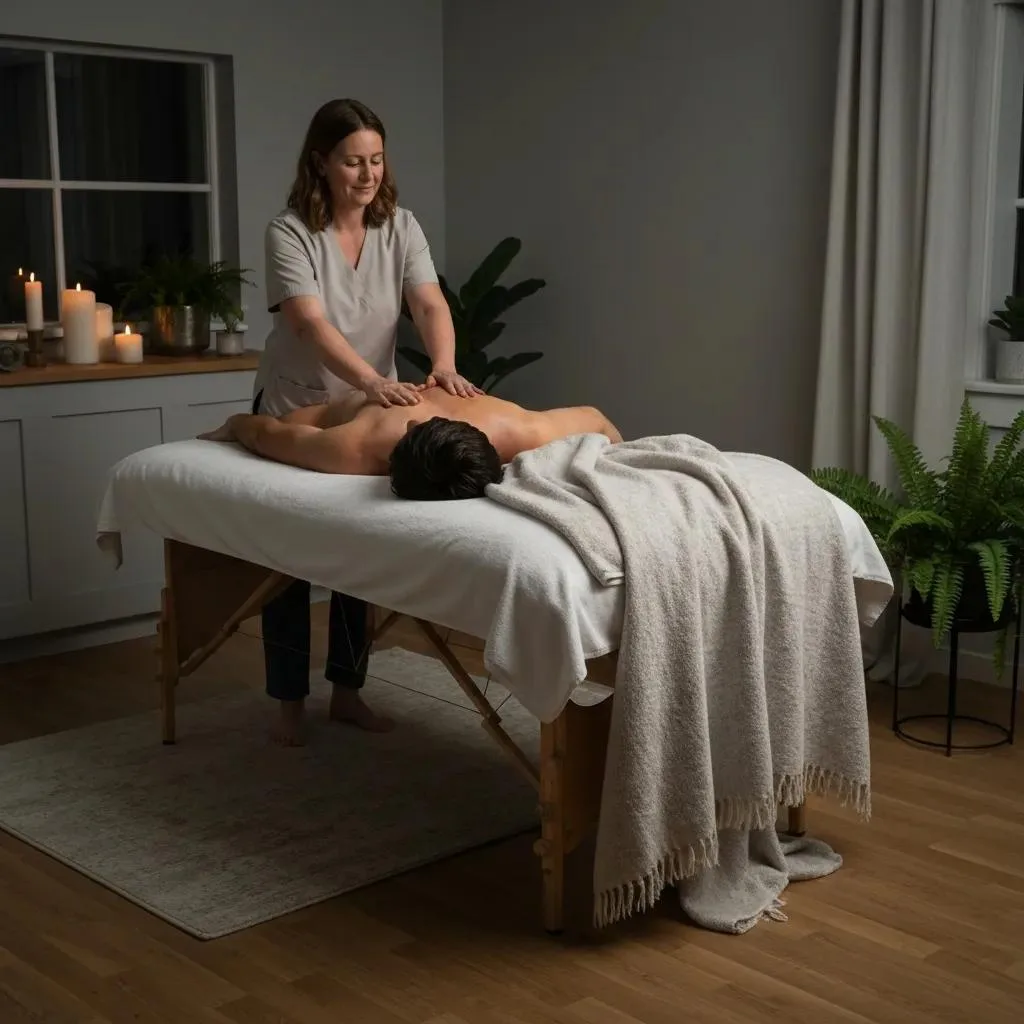
Massage Therapy: Relaxation & Stress Relief During Addiction Recovery
Massage therapy in addiction recovery uses hands-on techniques to ease muscle tension, reduce stress hormones, and help the nervous system settle into a calmer state. Research and clinical experience show massage can lower cortisol, boost endorphins and serotonin, and encourage parasympathetic (rest-and-digest) activity — changes that often mean slower breathing, a steadier heart rate, and better sleep. For people in recovery, those physical shifts translate into tangible benefits: less anxiety during withdrawal, improved pain and tension control, and greater readiness to engage in counseling and relapse-prevention work. This page walks through how massage produces those effects, lists main recovery benefits, compares common modalities, and shows how massage is used across detox, inpatient, and outpatient care. You’ll also find comparison tables, practical steps for families and patients, and clear guidance on safety, therapist qualifications, and how to access services in Nevada.
How Does Massage Therapy Support Relaxation and Stress Relief in Recovery?
Massage supports relaxation by combining mechanical work on soft tissues with sensory signals that tell the nervous system to downshift. Compression, stretching, and rhythmic strokes improve circulation and lymph flow while gentle, predictable touch reduces sympathetic (fight-or-flight) activity. In recovery settings, those responses can lower the intensity of stress reactions that often trigger cravings or relapse, making massage a helpful complement to medical and behavioral care. The sections below explain the hormone changes and parasympathetic effects in plain terms, so clinicians and families can decide when massage is appropriate.
What Physiological Effects Does Massage Have on Stress Hormones?

Massage affects several hormones and neurotransmitters tied to stress and mood. Common findings include lower cortisol and higher endorphin and serotonin levels, which help with short-term relief and can support mood stability over time. Lower cortisol helps blunt the cascade of stress that can fuel anxiety and cravings, while endorphins and serotonin contribute to a sense of well‑being during early recovery. Better circulation from massage also supports tissue recovery and comfort, useful when withdrawal brings muscle soreness or restlessness. These physiological changes are why massage is treated as a complementary therapy within medically supervised detox and stabilization—not a replacement for medical care.
Research: Massage Lowers Cortisol
Studies that sample cortisol before and after massage most often find reductions, suggesting massage can meaningfully lower this stress hormone.
How Does Massage Activate the Parasympathetic Nervous System for Recovery?
Massage stimulates sensory pathways with gentle pressure and rhythmic strokes that increase vagal tone and improve heart-rate variability — measurable signs of relaxation. When therapists pace the session slowly, use breath cues, and maintain predictable touch, clients frequently breathe deeper, settle mentally, and show lower heart rates. Improved vagal regulation supports emotional control and reduces the intensity of stress-triggered cravings. Therapists watch these responses and adjust pressure and tempo to support parasympathetic activation while keeping consent and comfort central to care.
Massage Therapy and Parasympathetic Nervous System Response
Moderate‑pressure massage may work in part by increasing parasympathetic nervous system activity, possibly through vagal afferent pathways. This helps explain massage’s calming effects.
BetterChoice Treatment Center lists massage among its holistic services, offering Acupuncture and Massage Treatments as part of coordinated care and operating with recognitions noted in public reports like Nevada’s Health Workforce, LegitScript, and The Joint Commission. That institutional context indicates manual therapies are scheduled and delivered alongside medical monitoring and counseling, rather than as stand-alone wellness extras. For families comparing options, knowing a facility offers these services and holds recognized accreditations helps set realistic expectations about how massage will fit into a structured recovery plan.
What Are the Key Benefits of Massage Therapy During Addiction Recovery?
Massage brings several recovery-focused benefits by linking physical effects to emotional and behavioral outcomes that matter in detox and rehab. By improving circulation and down‑regulating the nervous system, massage reduces physical discomfort and restless tension common in withdrawal. It also helps lower anxiety, improve sleep, and support emotional regulation — all of which increase a person’s ability to take part in counseling and use relapse‑prevention strategies. The table below maps benefit areas to how massage helps and the practical effects patients and clinicians can expect.
Massage supports recovery through clear mechanisms:
- Easing withdrawal discomfort: Improves circulation and reduces muscle tightness to lessen soreness and restlessness.
- Reducing anxiety: Parasympathetic activation and lower cortisol ease acute anxious arousal.
- Improving sleep: Increased serotonin and relaxation help with falling and staying asleep.
- Supporting emotional regulation: Trauma‑sensitive pacing and consented touch improve tolerance for emotional work.
- Enhancing engagement in therapy: Greater physical comfort and mood stability make counseling more effective.
These effects explain why massage is commonly included with medical and psychosocial treatments in comprehensive recovery plans.
This table links physiological mechanisms to recovery outcomes and helps clinicians choose massage approaches that match patient needs. Understanding those connections supports safe, effective use of massage within larger treatment goals.
How Does Massage Ease Withdrawal Symptoms and Detoxification?
Massage can ease withdrawal by improving blood and lymph flow, which helps remove metabolic byproducts and reduce muscle tension that worsens discomfort. Techniques like gentle effleurage and lymphatic drainage support venous return and may relieve swelling or stiffness caused by inactivity or medications. Therapists coordinate with medical staff to avoid massage during acute instability — medical clearance is essential if a client has uncontrolled vitals, severe dehydration, or recent invasive procedures. When used appropriately, massage adds symptom relief that complements medication‑assisted and supportive care and can improve comfort and adherence to treatment.
Can Massage Therapy Reduce Anxiety and Improve Emotional Well‑being?
Massage reduces anxiety by calming the nervous system and offering a predictable, safe sensory experience that counters hyperarousal common in early recovery. Combined with breath work and clear consent protocols, techniques help clients tolerate touch and bodily sensations without retraumatization and support rebuilding trust in therapeutic relationships. Over repeated sessions, lower physiological arousal and better mood create space for patients to process emotional material in counseling. Massage is not a substitute for psychotherapy but is a practical tool that lowers barriers to emotional work and daily coping.
Which Types of Massage Therapies Are Offered for Stress Relief in Recovery?

Different modalities bring complementary strengths for relaxation and stress relief. Choice depends on clinical needs, trauma history, and physical symptoms. Swedish massage focuses on relaxation and circulation and is often used early to restore calm. Deep tissue addresses chronic muscular tightness and pain but requires careful pacing and consent in trauma‑sensitive populations. Craniosacral therapy uses very light, nervous‑system‑focused touch to support autonomic regulation. The short list below outlines common options and typical indications.
- Swedish Massage: Best for general relaxation and circulation during early stabilization.
- Deep Tissue Massage: Used for chronic tension and pain once the client is stabilized and has given consent.
- Craniosacral Therapy: Gentle, nervous‑system‑focused work for autonomic regulation and trauma‑sensitive care.
- Trauma‑Informed Massage: Adapted methods that emphasize choice, pacing, and safety for survivors.
Therapists often combine techniques in a single session to address layered needs; modality choice should reflect client goals and medical considerations.
Use this comparison to match a modality to recovery‑phase goals and safety needs. Considering trauma history and medical status reduces risk and improves outcomes.
What Are the Benefits of Swedish, Deep Tissue, and Craniosacral Massage?
Swedish massage creates broad relaxation through increased blood flow and gentle stimulation, which eases muscle tension and supports sleep — helpful during initial stabilization when anxiety and sleep disruption are common. Deep tissue targets deeper fascial layers and chronic tension patterns that may have developed during long‑term substance use or stress; it can reduce chronic pain and improve range of motion but must be paced and consented. Craniosacral therapy uses subtle cranial and spinal techniques aimed at autonomic regulation, offering a low‑intensity option for clients who need nervous‑system support without strong pressure. Each modality has distinct mechanisms that map to practical recovery goals and safety considerations.
How Does Trauma‑Informed Massage Enhance Emotional Healing?
Trauma‑informed massage follows principles of safety, choice, collaboration, and empowerment. It prioritizes client control over touch, clear consent, and predictable session structure to avoid retraumatization. Therapists use verbal check‑ins, offer modified positioning, and keep hands visible or provide alternatives so clients feel in control. These practices lower the risk of triggering memories and support emotional regulation. When paired with psychotherapy, trauma‑informed massage offers somatic regulation that complements cognitive work and helps clients reconnect with bodily safety cues — a crucial approach when trauma histories are present.
How Is Massage Therapy Integrated into a Personalized Addiction Recovery Plan?
Massage is woven into personalized recovery plans through a structured intake, medical clearance, scheduling protocols, and clinical coordination to ensure safety and goal alignment. Session frequency and modality are typically set after an initial assessment covering medical status, medications, withdrawal timeline, and trauma history; documentation and team communication help manage contraindications. Massage may be deferred during unstable acute withdrawal, introduced during stabilization once cleared, and offered regularly in inpatient and outpatient phases for symptom management. The table below clarifies when massage is offered across care settings and how teams coordinate to protect safety.
Patients and families should expect a clear intake that screens for contraindications and aligns massage with other clinical interventions:
- Initial assessment and medical clearance: Intake reviews medications and withdrawal status.
- Scheduling aligned with clinical milestones: Sessions are timed to support therapy and sleep cycles.
- Documentation and team communication: Notes are shared with clinical staff to coordinate care.
These steps make sure massage complements medical, counseling, and holistic therapies rather than operating separately.
This overview explains operational practices that keep massage safe and clinically useful across recovery phases. Clear medical protocols and team communication are essential to protect clients and maximize benefit.
When Is Massage Therapy Recommended During Detox and Inpatient Rehab?
Massage during detox is recommended only after medical stabilization and clearance, because acute withdrawal can involve unstable vitals, autonomic hyperactivity, and medication interactions that require medical oversight. Once a patient is stabilized in inpatient rehab, therapists may offer short, low‑intensity sessions focused on relaxation and breathing while tolerance is established. Contraindications — such as uncontrolled hypertension, severe agitation, recent invasive procedures, or active infection — must be screened before scheduling. Inpatient scheduling often uses shorter, more frequent sessions at first, progressing in length and intensity as stability improves.
How Does Massage Complement Other Holistic Therapies at BetterChoice?
Massage works alongside acupuncture, yoga, counseling, and other holistic services by addressing somatic and autonomic dimensions that talk therapy alone may miss. For example, massage can relax the body in preparation for acupuncture aimed at sleep, while yoga reinforces breath control and body awareness. Clinicians sequence interventions so massage prepares clients for deeper psychotherapy or group work and avoid scheduling it right before sessions that require high emotional activation. This coordinated approach uses complementary therapies to strengthen stress regulation and relapse prevention.
Who Are the Expert Massage Therapists Providing Care at BetterChoice Treatment Center?
BetterChoice Treatment Center lists a multidisciplinary clinical team, including a Medical Director and Clinical Director who coordinate care. Massage therapists work within that clinical framework, collaborating with medical and clinical staff to ensure safety, documentation, and alignment with treatment goals. Individual therapist biographies are developed during intake and orientation, while the facility’s structure supports ongoing training, trauma‑informed practices, and medical oversight. This team‑based approach helps ensure massage is clinically appropriate and tied to overall recovery objectives.
What Qualifications and Training Do Our Therapists Have in Addiction Recovery?
Therapists working in integrated recovery settings hold recognized massage credentials and receive extra training in trauma‑informed care, infection control, and clinical coordination. At BetterChoice, clinical oversight and quality assurance roles support ongoing professional development, and the presence of a Medical Director and Clinical Director helps ensure therapists follow medical clearance and documentation protocols. Therapists typically complete intake and case reviews that align treatments with each person’s medical and psychosocial needs, reflecting an organizational focus on safe, evidence‑informed practice. These structures reduce risk and increase the therapeutic value of massage in a recovery plan.
How Do Our Therapists Customize Massage for Individual Recovery Needs?
Customization starts with a structured assessment of medical history, current medications, withdrawal status, trauma history, and treatment goals. That assessment guides modality, pressure, session length, and safety precautions. Therapists outline a plan — for example, Swedish for relaxation, craniosacral for nervous‑system regulation, or deep tissue for chronic pain — then obtain informed consent and set clear boundaries and signals to keep the client in control. Sessions are documented and reviewed with the clinical team as needed, and therapists adapt plans based on feedback, vitals, and progress. This assessment → plan → session → review cycle keeps massage aligned with individualized recovery goals while maintaining safety and continuity with other treatments.
What Are the Most Common Questions About Massage Therapy in Addiction Recovery?
Patients and families often ask about safety, timing, privacy, effectiveness, and how to access massage during recovery. Clear answers reduce uncertainty and support timely decisions. Safety questions focus on medical clearance, contraindications, and trauma‑sensitive approaches; timing questions address when to start massage during detox or inpatient care. Effectiveness questions ask whether massage improves sleep or reduces cravings, while access questions cover scheduling, insurance, and facility logistics. The FAQ below offers concise guidance and practical next steps for Nevada residents and family members seeking integrated care.
Many families find these practical next steps helpful when coordinating massage within a recovery plan:
- Call the center to discuss intake and medical clearance for massage.
- Ask how clinical staff and therapists coordinate care.
- Confirm privacy and trauma‑informed practices during intake.
These actions help families and patients move forward while protecting medical and emotional safety.
How Does Massage Help With Sleep Improvement in Recovery?
Massage supports sleep by calming physiological arousal, increasing serotonin (which supports melatonin production), and promoting relaxation that helps with sleep onset and continuity. For stable clients, sessions are often scheduled in the late afternoon or early evening to align effects with bedtime; clinicians avoid late‑night treatments that could disrupt facility routines. Repeated sessions over weeks often bring cumulative improvements in sleep quality, though timelines vary by medication effects, circadian patterns, and co‑occurring conditions. Therapists coordinate with clinical teams to choose modalities and timing that maximize sleep benefits while supporting overall treatment goals.
Can Massage Therapy Reduce Cravings and Support Long‑Term Sobriety?
Massage can help reduce cravings indirectly by lowering stress hormones, improving sleep, and strengthening emotional regulation — all factors that can trigger substance use. Evidence supports massage as an adjunctive tool that reduces triggers rather than a standalone anti‑craving treatment. It is most effective when combined with counseling, medication‑assisted treatment when indicated, and structured behavioral interventions. Clients who include regular somatic care in aftercare plans often report better stress tolerance and improved use of coping skills learned in therapy, which contributes to long‑term sobriety when integrated into a comprehensive plan.
Massage Therapy for Stress Reduction: A Literature Review
A review of the literature examined massage effects on physiological stress markers, including urinary cortisol and catecholamines, and found evidence that massage can reduce stress measures.
For Nevada residents seeking in‑person support, BetterChoice Treatment Center lists an address at 198 Ebb Tide Cir, Las Vegas, NV 89123 and a primary contact phone number at (725) 299-4777 for questions about intake and available holistic therapies. Families can call to discuss medical clearance, how massage is coordinated with clinical staff, and whether trauma‑informed practices are in place — practical steps that help ensure safe, timely access to integrated care locally.
Frequently Asked Questions
What should I expect during my first massage therapy session in recovery?
At your first session, the therapist will take a focused intake covering medical history, current medications, and any trauma history so the treatment fits your needs. They’ll explain the techniques planned and check that you’re comfortable. Sessions usually begin with gentle techniques to gauge tolerance, and you’ll be invited to give feedback at any time to ensure a safe, positive experience.
How often should I receive massage therapy during addiction recovery?
Frequency depends on individual needs and treatment goals. Early on, sessions may be weekly or twice weekly to help with withdrawal symptoms and anxiety. As recovery progresses, frequency often drops to biweekly or monthly for maintenance. Work with your therapist and clinical team to choose a schedule that supports your recovery plan.
Are there any risks associated with massage therapy during recovery?
Massage is generally safe, but there are risks, especially in early recovery. Contraindications — such as uncontrolled hypertension, severe agitation, or recent medical procedures — may prevent treatment. Medical clearance is important, and therapists trained in trauma‑informed care help reduce the chance of retraumatization. Open communication about discomfort or concerns is essential to minimize risk and maximize benefit.
Can massage therapy be used alongside other treatments for addiction?
Yes. Massage pairs well with counseling, medication‑assisted treatment, and other holistic therapies like acupuncture and yoga. By lowering stress and anxiety, massage can make it easier to engage in other therapies and practice coping skills. Coordination between therapists and clinical staff is important to ensure a cohesive treatment plan.
How can I find a qualified massage therapist for addiction recovery?
Look for therapists with training in trauma‑informed care and experience with recovery populations. Contact treatment centers that offer integrated care, since they often employ therapists experienced in this area. Check credentials from recognized massage organizations and ask for referrals from healthcare providers or support groups to find therapists who understand recovery needs.
What should I do if I feel uncomfortable during a massage session?
If you feel uncomfortable, tell the therapist right away. A professional will respect boundaries and adjust pressure, technique, or positioning. You can request a break or stop the session at any time. Therapists trained in trauma‑informed care prioritize your safety and emotional well‑being throughout the session.
Conclusion
Massage therapy can be a valuable part of addiction recovery, helping to ease withdrawal discomfort, lower anxiety, and support emotional regulation. These benefits improve physical comfort and make therapeutic work more effective. If you’re considering massage as part of your recovery, reach out to BetterChoice Treatment Center to learn how our holistic therapies can fit into a coordinated treatment plan and support your steps toward lasting recovery.