
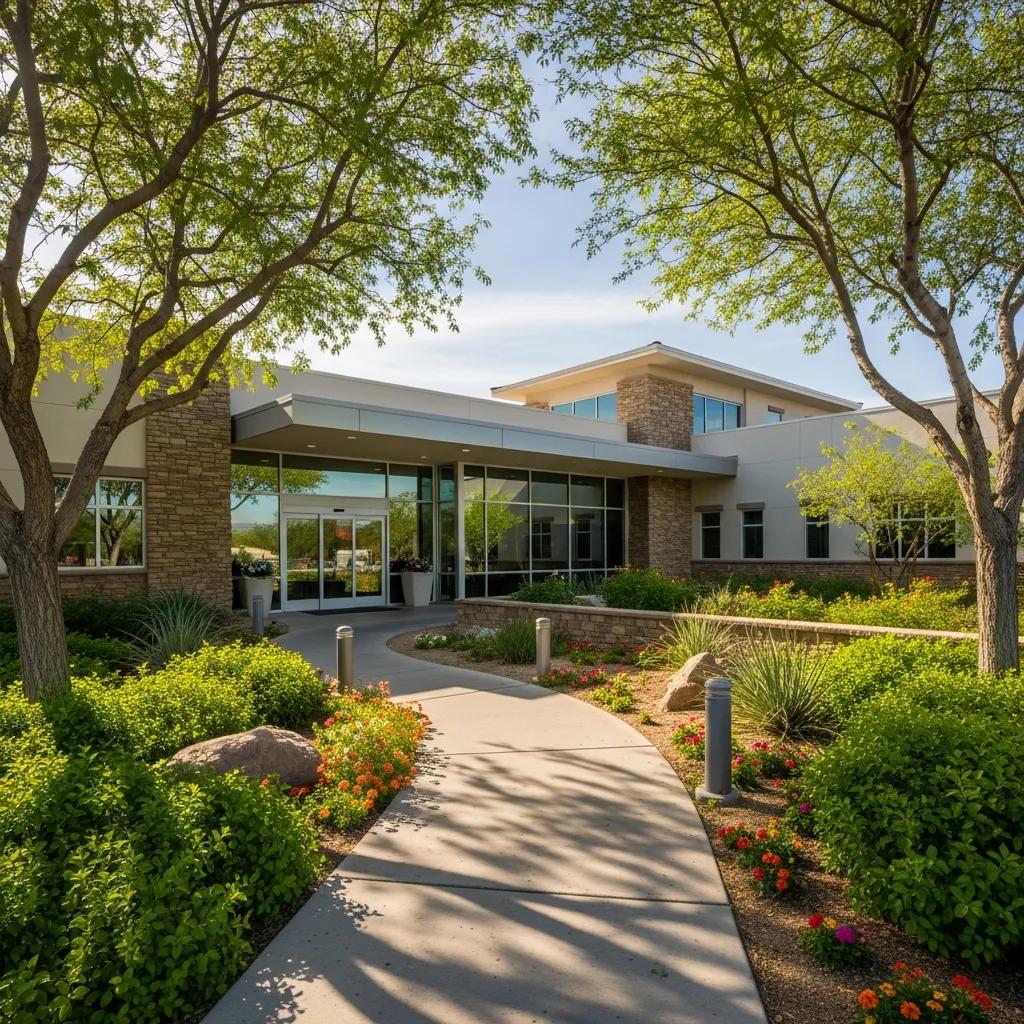
Marijuana Rehab Program — Spring Valley, Nevada: Compassionate, Evidence-Based Cannabis Addiction Treatment & Recovery Support
Marijuana rehab helps people with Cannabis Use Disorder through medical detox, structured therapy, and ongoing support aimed at reducing use and restoring daily functioning. This guide explains how cannabis-specific programs work for Spring Valley residents, who may benefit from them, and the evidence-based options available — from detox and residential care to outpatient services, dual-diagnosis treatment, and family involvement. You’ll learn common warning signs, what medically supervised detox looks like day by day, and which therapies improve long-term outcomes. We compare outpatient levels of care, describe integrated mental health treatment for co-occurring conditions, and offer practical ways families can support recovery while keeping safety and boundaries in place. We also note local access considerations and how a nearby resource — BetterChoice Treatment Center — typically supports transitions from detox into ongoing care. By the end, you’ll have a clear checklist for recognizing cannabis use disorder, understanding treatment options in Nevada, and taking the next steps toward help.
What Are the Signs and Symptoms of Marijuana Addiction in Spring Valley?

Marijuana addiction — clinically called Cannabis Use Disorder — means a person struggles to control cannabis use, keeps using despite harm, and shows physical or psychological dependence that gets in the way of daily life. Repeated THC exposure can change brain reward systems and decision-making, which lowers motivation and raises craving; spotting these shifts early makes timely help more likely. Common consequences include falling grades or work problems, changes in mood or thinking, tolerance and withdrawal, and withdrawing from activities once enjoyed. Recognizing these signs can prompt an assessment and connect people with appropriate care. Local trends and risk factors in Nevada also shape outreach and services available to Spring Valley residents.
How to Recognize Cannabis Use Disorder Symptoms?
Look for behavior changes, physical symptoms, and impacts on functioning. Someone may use more than they intended, be unable to cut down, or spend a lot of time getting or recovering from cannabis use. Withdrawal often includes sleep trouble, appetite shifts, irritability, and anxiety after stopping — symptoms that can make quitting hard without help. Families and individuals can use simple screening questions: Have they tried and failed to quit? Is use taking up a lot of time? Is it harming work, school, or relationships? If the answer is “yes” to several items, a professional evaluation is recommended — early intervention improves recovery odds and reduces secondary harms.
What Are the Latest Marijuana Addiction Statistics in Nevada?
Regional data show changes in cannabis use and treatment patterns since legalization, with some increases in regular use and treatment admissions among young adults and particular communities in Nevada. State and national surveys document higher rates of regular cannabis use, and greater availability is linked to increased reports of problematic use in certain age groups. Local public health officials recommend tracking these trends and expanding services like medically supervised detox and outpatient programs to meet demand. These patterns explain why Spring Valley-area providers are adapting services to treat Cannabis Use Disorder as a common behavioral health concern.
How Does the Marijuana Detox Program in Spring Valley Work?
Medically supervised marijuana detox is a structured process that evaluates medical and psychiatric needs, manages withdrawal symptoms, stabilizes the person, and lays out the next steps for ongoing care. Clinicians focus on safety and symptom relief: monitoring vitals, assessing psychiatric risk, and using targeted, non-opioid treatments to ease sleep issues, mood swings, and gastrointestinal complaints while ensuring hydration and nutrition. Detox is usually short — generally several days to a week — and serves as a bridge to residential or outpatient treatment so patients can engage fully in therapy once acute symptoms ease. Knowing the typical timeline helps patients and families set realistic expectations and choose appropriate follow-up care.
The typical stepwise timeline for detox looks like this:
- Assessment and intake: Medical and psychiatric screening, baseline vital signs, and a personalized withdrawal plan.
- Stabilization: Daily checks, symptom-targeted medications or supportive care, with attention to sleep and mood.
- Transition planning: Discharge planning that links patients to inpatient, IOP/PHP, or outpatient services and schedules aftercare.
This progression — assessment → stabilization → transition — helps patients move safely from acute withdrawal into ongoing treatment and relapse prevention.
Intro to detox attributes and comparison table:
What to Expect During Medically Supervised Marijuana Detox?
Expect a focused intake on day one, followed by daily monitoring and symptom-focused care over several days. Withdrawal symptoms often peak around days two to four and usually ease within the first week, though sleep problems and cravings can continue and require follow-up. Support includes behavioral coping strategies, brief counseling, and medications when clinically appropriate for severe anxiety or insomnia, plus case management for housing, benefits, or other social needs. Planning for the next level of care starts early so people leave detox with appointments and a clear treatment pathway, which improves continuity and outcomes.
How Does Detox Ensure Safety and Comfort?
Detox protects safety through continuous clinical oversight, regular vital-sign checks, and emergency protocols to address medical or psychiatric complications. Comfort measures focus on easing symptoms — sleep hygiene, balanced nutrition, hydration, and calming therapies — and on creating a predictable routine that lowers anxiety during withdrawal. Staff explain expected symptom timelines and teach coping skills to patients and families, reducing distress and encouraging engagement in the next phase of treatment. Together, these practices make detox a medically appropriate first step for many people with moderate to severe cannabis dependence.
Locally, BetterChoice Treatment Center provides medically supervised detox that emphasizes safety, round-the-clock clinical supervision, and coordinated transitions to the next level of care. The center helps with referrals and insurance verification and offers practical guidance to patients planning their next steps after detox.
What Are the Benefits of Inpatient Marijuana Treatment in Nevada?

Inpatient (residential) marijuana treatment offers a safe, structured setting where people receive daily therapy, medical oversight, and a break from the triggers that fuel use. Removing environmental cues, delivering concentrated evidence-based therapies such as CBT and motivational interviewing, and providing immediate access to clinical and peer support are core benefits. Residential care helps stabilize daily routines, supports sustained participation in group and individual sessions, and offers intensive case management for housing, employment, and other social needs. Together, these elements increase the chances of early sustained abstinence and build a foundation for relapse prevention.
Residential programs typically include multiple therapeutic activities each day. Key benefits include:
- Structured environment: Fewer triggers and more focus on recovery.
- Intensive therapy: Daily group and individual work to develop new skills.
- Comprehensive support: Coordinated medical, psychiatric, and case-management services.
- Aftercare planning: Thorough discharge plans and connections to continued care.
These advantages make inpatient rehab a strong option for people with severe functional impairment, unstable housing, or significant psychiatric comorbidity that make outpatient care difficult.
Intro to inpatient program components and comparison table:
BetterChoice Treatment Center’s inpatient model combines licensed, accredited care with individualized treatment plans and optional holistic supports like yoga and acupuncture — alongside comfortable amenities to help patients focus on recovery. The facility assists with insurance verification and admission logistics so eligible Spring Valley residents can access residential programs when clinically appropriate.
What Is the Structure and Daily Schedule of Residential Rehab?
A typical residential day balances therapy, education, and restorative activities to promote learning and recovery skills. Mornings often start with group therapy or psychoeducation, mid-day includes individual sessions and skills training, and afternoons are reserved for recreation, holistic therapies, or case management; evenings usually offer relapse-prevention workshops and reflection time. A predictable routine supports sleep regulation and reduces impulsive behavior by filling the day with recovery-focused activities. Schedules remain flexible to meet individual clinical needs so treatment intensity can match progress.
Which Therapeutic Approaches Are Used in Inpatient Rehab?
Inpatient treatment for cannabis dependence uses evidence-based approaches like cognitive behavioral therapy (CBT) to change patterns that support use, motivational interviewing to build readiness for change, and group therapy to strengthen peer support and social skills. Family therapy and relapse-prevention planning help address relationship dynamics and prepare for a safe return home. Some programs add holistic supports — such as yoga or acupuncture — to improve stress management and sleep, complementing the core behavioral therapies. These combined methods target both the brain-based and psychosocial drivers of addiction.
How Do Outpatient Cannabis Programs Support Flexible Recovery in Spring Valley?
Outpatient programs let people get structured treatment while living at home so they can keep working or studying and practice recovery skills in real life. The key benefit is applying new skills in everyday situations with professional support. Outpatient levels range from weekly counseling to Intensive Outpatient Programs (IOP), which meet multiple times per week, and Partial Hospitalization Programs (PHP), which provide near-daily care without an overnight stay. This stepped approach lets clinicians match intensity to need and move patients up or down as recovery evolves. For Spring Valley residents, outpatient options increase access while allowing people to maintain family and job responsibilities.
Below is a concise comparison of outpatient levels to clarify suitability and intensity.
Local providers help with scheduling, telehealth options, and insurance verification to improve access for busy residents. BetterChoice Treatment Center, for example, offers flexible schedules, telehealth follow-ups, and insurance verification to reduce administrative barriers for Spring Valley clients. These supports help people stay employed or in school while getting treatment and improve attendance and outcomes.
What Are Intensive Outpatient and Partial Hospitalization Programs?
IOP and PHP provide graduated intensity. IOPs meet several times per week for a few hours per session; PHPs offer near-full-day clinical programming without an overnight stay. Both aim to stabilize symptoms, teach coping skills, deliver relapse-prevention training, and coordinate community supports. IOP is commonly used as a step-down after detox or residential care; PHP can be a step-up from standard outpatient when more structure is needed. Both combine group therapy, individual counseling, and case management to form a comprehensive outpatient pathway.
How Can Patients Balance Treatment with Daily Life?
Balancing treatment with obligations takes planning: communicate with employers or schools about appointments as needed, arrange transportation or telehealth access, and schedule sessions during lower-demand times. Useful strategies include consolidated scheduling (grouping sessions on the same days), using employer leave policies, and asking family or peers for logistical support. Telehealth increases flexibility for follow-ups and counseling when in-person attendance is difficult, but consistent participation is key to better outcomes. Early coordination with treatment staff helps create a manageable plan and increases the chance of completing the recommended care.
What Is Dual Diagnosis Treatment for Cannabis Addiction in Spring Valley?
Dual diagnosis treatment addresses both Cannabis Use Disorder and co-occurring mental health conditions at the same time. Untreated depression, anxiety, PTSD, or other psychiatric disorders can drive substance use, while ongoing substance use can worsen mental health — integrated care treats this two-way relationship. Typical components include a comprehensive assessment, combined psychotherapy for both conditions, and medication management when appropriate. Integrated care improves retention in treatment and lowers relapse rates. For Spring Valley patients, identifying and treating co-occurring conditions is essential to lasting recovery.
How Are Mental Health and Marijuana Addiction Treated Together?
Treatment starts with a thorough, integrated assessment to map symptoms and create a unified care plan that addresses both substance use and mental health. Clinical teams coordinate therapies — for example, trauma-informed CBT for PTSD alongside addiction-focused CBT — and psychiatric evaluation for medications that target mood or anxiety when needed. Ongoing monitoring lets clinicians adjust treatments as recovery progresses and interpret changes in substance use within the broader mental-health context. Coordinated workflows reduce the risk of fragmented care and improve long-term recovery prospects.
What Are Common Co-occurring Conditions with Cannabis Use Disorder?
Common co-occurring disorders include anxiety, depression, ADHD, and trauma-related conditions. These can form cycles of self-medication and symptom worsening. Screening for these conditions is standard in comprehensive programs because addressing them directly reduces relapse risk and improves functioning. Treatment plans typically combine disorder-specific psychotherapy, relapse-prevention work, and strengthened social supports. Early identification and an integrated response are critical for better long-term outcomes.
How Can Families Support Loved Ones Through Marijuana Rehab?
Families are vital in encouraging treatment entry, supporting engagement, and helping sustain recovery through practical assistance, emotional support, and participation in family-based therapies. Helpful actions include learning about the disorder, setting clear boundaries, assisting with logistics (transportation, appointments), and modeling sober behavior. Research shows family involvement increases treatment engagement and lowers relapse risk. Teaching family members about withdrawal timelines, relapse warning signs, and how to access local services creates a safer home for recovery. Family involvement should respect the person’s autonomy and privacy while offering steady, nonjudgmental support.
What Are Effective Ways Families Can Help?
Start with open, empathetic conversations focused on safety and connecting the person to care rather than assigning blame. Brief scripts can help begin those talks. Practical help includes arranging intake evaluations, driving to appointments, or coordinating childcare or work leave during treatment. Setting boundaries — for example, not providing money that could enable use — protects both the person in recovery and family members. These supportive actions, combined with following through on treatment plans, raise the chance of long-term recovery.
How Does Family Counseling Aid Recovery?
Family counseling teaches loved ones about addiction, improves communication, and develops relapse-prevention steps that include family members as recovery allies. Sessions usually cover psychoeducation, role-playing healthier communication, problem-solving around triggers, and building a shared aftercare plan for the return home. Clinicians emphasize confidentiality and safety while coaching families on balancing support with clear boundaries. When families engage in counseling, relapse rates tend to drop and overall family functioning improves, creating a more stable recovery environment.
Ways family counseling helps:
- Education: Teaches family members about cannabis dependence and withdrawal.
- Communication skills: Builds strategies to reduce conflict and support change.
- Relapse planning: Creates clear steps families can take if use recurs.
These structured supports turn families into active partners in recovery rather than bystanders, improving outcomes for people with Cannabis Use Disorder.
BetterChoice Treatment Center offers family-focused services within accredited care standards, ensuring family counseling and education are available as part of integrated treatment plans. The program emphasizes licensed, evidence-based approaches and helps families confirm insurance coverage so Spring Valley residents can access these services. Accreditation supports consistent, quality care for patients and their loved ones.
198 Ebb Tide Cir, Las Vegas, NV 89123 — contact via phone at (725) 299-4777 for help finding the right level of care in Spring Valley and to ask about insurance verification and program availability.
Frequently Asked Questions
What is the duration of a typical marijuana rehab program in Spring Valley?
Program length depends on individual needs and the severity of the disorder. Detox is typically 3 to 7 days for acute stabilization. Inpatient residential care often ranges from 30 to 90 days. Outpatient care is more flexible — weekly sessions or multiple weekly visits depending on the level of care. Talk with a treatment provider to determine the best length of stay for your situation.
Are there specific therapies used in outpatient marijuana treatment?
Yes. Outpatient programs commonly use evidence-based therapies tailored to each person. Examples include cognitive behavioral therapy (CBT), motivational interviewing, and group therapy. These approaches address thinking and behavior patterns, build coping skills, and provide peer support. Family therapy is often included to strengthen support systems and improve communication, which supports long-term recovery.
How can I find the right rehab program for my needs?
Finding the right program starts with assessing your needs, preferences, and life circumstances. Research local facilities like BetterChoice Treatment Center, which offers services from detox to outpatient care. Consider therapy types, staff qualifications, accreditation, and aftercare options. Consulting a healthcare professional or addiction specialist can provide personalized recommendations based on your clinical picture.
What role does aftercare play in recovery from marijuana addiction?
Aftercare is essential for maintaining gains after treatment. It may include ongoing therapy, peer-support groups, and regular check-ins with counselors. Continued support helps people navigate challenges, reinforce coping skills, and lower the risk of relapse. Effective aftercare plans are individualized and can greatly improve long-term recovery.
Can family members participate in the treatment process?
Yes. Family involvement is often beneficial and encouraged. Many programs, including BetterChoice Treatment Center, provide family counseling to educate loved ones and equip them with tools to support recovery. Involving family creates a supportive environment that helps sustain long-term change.
What should I expect during the initial assessment at a rehab center?
The initial assessment typically includes a thorough review of physical and mental health, substance-use history, and any co-occurring conditions. Clinicians will ask about cannabis use patterns, withdrawal symptoms, and prior treatments. The goal is to build a personalized treatment plan that fits your needs and recovery goals.
How does insurance coverage work for marijuana rehab programs?
Insurance coverage varies by plan and provider. Many treatment centers, including BetterChoice Treatment Center, work with a range of insurance companies to help clients access coverage for detox, inpatient, and outpatient services. It’s important to verify your benefits before starting care to understand coverage and possible out-of-pocket costs. Staff at the treatment center can assist with verification and the admission process.
Conclusion
Entering a marijuana rehab program in Spring Valley gives people a structured route to recovery that addresses cannabis dependence and any co-occurring mental health needs. With local support from providers like BetterChoice Treatment Center, you can expect personalized, evidence-based care designed to improve long-term outcomes. Families also play a crucial role, offering practical help and steady support through the recovery process. Take the first step toward a healthier future by reaching out to learn about our treatment options today.