
2025 Advances in Addiction Science: New Treatments and Evidence-Based Progress
In 2025, addiction research is expanding practical tools and treatments that lower cravings and support long-term recovery, helping move discoveries from the lab into everyday care. This article breaks down the latest neuroscience findings, emerging therapy options, medication developments, relapse-prevention technology, and personalized care models clinicians and families are using to improve outcomes. You’ll get clear, actionable explanations of how the dopamine reward system, genetic and epigenetic drivers, GLP-1 medications, psychedelic-assisted therapy, transcranial magnetic stimulation (TMS), digital therapeutics, and AI-based relapse prediction are being applied in practice. We also cover how behavioral science and holistic supports fit with medical care and where the evidence is strongest versus still investigational. Finally, we describe how a provider like BetterChoice Treatment Center aligns services and quality processes with current evidence so families can make informed next steps. The sections that follow outline major neuroscience breakthroughs, therapy modalities, pharmacotherapy comparisons, relapse-prevention innovations, personalization and holistic approaches, and how research translates into clinical practice.
What Are the Latest Breakthroughs in Addiction Neuroscience Research?
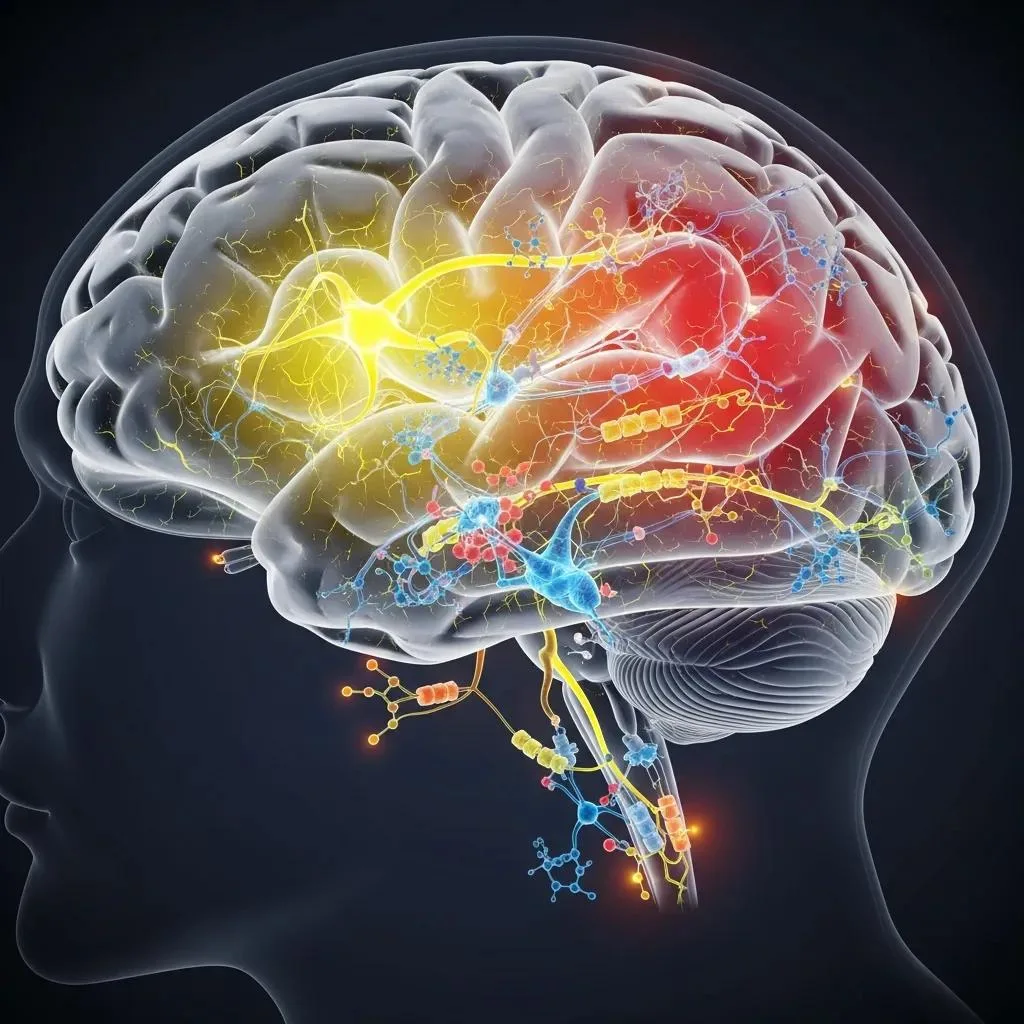
Today, addiction is understood as a chronic brain condition with altered reward circuits, weakened executive control, and lasting neuroplastic changes. Recent molecular work highlights targets like RHEB and epigenetic enzymes such as HDAC5 that affect synaptic strength and long-term potentiation—changes that map onto measurable shifts in craving and relapse risk. Recognizing neuroplasticity helps explain why behavioral therapies that reshape circuitry can lead to durable recovery, especially when paired with the right medications. These findings support targeted interventions that aim to restore prefrontal control over limbic-driven reward responses and reduce the pull of drug-related cues—key steps in preventing relapse.
Key neuroscience advances and what they mean for care:
- Neuroplasticity Targets: Identifying molecular switches that drive synaptic remodeling opens pathways for treatments that strengthen executive control and weaken drug-cue associations.
- Epigenetic Modulation: Enzymes like HDAC5 are linked to long-term vulnerability, suggesting epigenetic approaches could complement therapy to lower relapse risk.
- Novel Molecular Pathways: Proteins such as RHEB create new pharmacologic entry points to rebalance reward circuitry and curb compulsive drug-seeking.
These discoveries help guide which therapies may restore circuit balance and inform the personalized treatment options that follow.
How Does Addiction Affect Brain Reward Pathways and Dopamine?
Addiction changes the brain by boosting dopamine responses in the mesolimbic reward pathway: the ventral tegmental area (VTA) signals to the nucleus accumbens and prefrontal cortex to assign salience and motivate behavior. Repeated substance use raises phasic dopamine spikes while lowering baseline dopamine tone, so drug cues become overly salient and everyday rewards lose appeal. That shift leads to impaired control, compulsive seeking, and trouble delaying gratification—which helps explain why relapse can happen long after detox. Clinically, restoring prefrontal regulation through cognitive training, neuromodulation, or medication helps rebalance decision-making and reduce cue-driven relapse, enabling psychosocial and biological treatments to work together for sustained recovery.
What Genetic and Epigenetic Factors Influence Addiction Vulnerability?
Genetic variants influence addiction risk by shaping neurotransmitter systems, receptor levels, and metabolism—factors that set baseline vulnerability but don’t determine destiny. Epigenetic changes—chemical modifications that alter gene expression without changing DNA—explain how stress and substance exposure produce persistent circuit changes; enzymes like HDAC5 are emerging as important modulators of synaptic plasticity. This genetic-versus-epigenetic distinction supports more personalized care: someday genetic screening and epigenetic markers may help tailor medications and therapies. Translational trials are testing whether modifying epigenetic enzymes can reverse maladaptive changes, which could inform future individualized treatment plans combining medication, psychotherapy, and neurostimulation.
Which Innovative Addiction Therapies Are Emerging in 2025?
New and growing therapies in 2025 include psychedelic-assisted therapy, transcranial magnetic stimulation (TMS), digital therapeutics, and VR-assisted interventions—each with different mechanisms, care settings, and evidence levels. Psychedelic-assisted therapy pairs guided pharmacology with psychotherapy to disrupt entrenched patterns and promote rapid, insight-driven change; TMS noninvasively alters cortical excitability to improve impulse control and reduce craving; digital therapeutics deliver structured behavioral programs and remote monitoring to extend care beyond clinic walls. Together, these approaches form a hybrid model where clinic-based treatments create therapeutic gains and digital tools support continuity and adherence—important for turning short-term breakthroughs into long-term recovery.
Where patients typically access these therapies and how strong the evidence is:
This comparison clarifies access routes and helps clinicians match patient needs to setting and evidence as they decide how to integrate newer options into care.
For providers, careful patient selection, informed consent, and integration with standard psychosocial supports are essential. BetterChoice Treatment Center treats innovative modalities as part of a full continuum—stabilizing medical and behavioral needs before considering adjunctive or investigational therapies and coordinating multidisciplinary teams for safe delivery. Families researching options should ask about setting, supervision, and how experiential therapies will be paired with structured psychotherapy.
How Are Psychedelic-Assisted Therapies Transforming Recovery?

Psychedelic-assisted therapy combines a pharmacologically active psychedelic with careful preparation and structured integration psychotherapy to produce rapid psychological insight and weaken entrenched substance-related patterns. These agents transiently increase neural flexibility and reduce rigid network connectivity, creating an opportunity for new learning that psychotherapy helps consolidate. Early trials show durable reductions in substance use for some protocols, but safety screening, trained facilitators, and standardized integration are critical. Because this approach is still emerging in many places, ethical safeguards, clinical oversight, and therapist training are central to turning neurobiological effects into lasting behavior change.
What Role Do Transcranial Magnetic Stimulation and Digital Therapeutics Play?
TMS and digital therapeutics are complementary: TMS adjusts cortical excitability to lower craving and strengthen executive control, while digital tools deliver scalable, evidence-based behavioral modules and remote monitoring that support skills practice. TMS is given in repeat clinic sessions targeting prefrontal regions tied to inhibitory control and has shown promising effects for stimulant and nicotine dependence. Digital platforms offer interactive CBT-style modules, contingency management, and real-time check-ins to extend clinic contact and boost adherence. Pairing TMS-induced neural priming with digital reinforcement can maximize neuroplastic windows and ease the transition to outpatient care.
What New Medications Are Advancing Substance Use Disorder Treatment?
In 2025, pharmacotherapy includes refinements to standard medication-assisted treatment (MAT), growing data on GLP-1 receptor agonists for alcohol and opioid outcomes, and early-stage candidates for stimulant use disorders. GLP-1 receptor agonists influence appetite and reward circuitry, and recent studies suggest they may reduce alcohol use and opioid craving in some patients by altering gut-brain signaling and dopaminergic responses. Core MAT—buprenorphine, methadone, and naltrexone—remains the foundation for opioid use disorder, while investigational agents and combined medication-plus-neuromodulation strategies aim to address stimulant SUD, where no broadly approved drug yet exists. Medication advances work best when paired with counseling, case management, and relapse-prevention supports.
A concise comparison of medication classes, mechanisms, and evidence to inform clinical decisions:
Key pharmacologic options differ by mechanism, typical use case, and regulatory status.
How Do GLP-1 Medications Reduce Opioid Cravings and Alcohol Intoxication?
GLP-1 receptor agonists act on central and peripheral pathways that shape reward valuation and satiety. By modulating dopaminergic responsiveness to rewarding stimuli, they can blunt the reinforcing effects of alcohol and lessen cue-driven opioid craving in some patients. Recent clinical studies report measurable reductions in alcohol intake and lower subjective intoxication when GLP-1 agents are used as adjuncts, though results vary by dose and population. These drugs are not yet approved specifically for SUD in many regions, so clinicians approach off-label use cautiously and only within comprehensive care plans that include counseling and side-effect monitoring. Using GLP-1 agents effectively requires coordination between addiction specialists and prescribing clinicians to ensure safety and follow-up.
What Are the Latest Pharmacotherapy Advances for Opioids and Stimulants?
For opioid use disorder, delivery improvements—mobile outreach, extended-release formulations, and low-threshold initiation—have boosted access and retention, reinforcing buprenorphine and methadone as central treatments. For stimulant use disorders, drug development is active but not yet definitive: trials of dopamine-stabilizing agents, glutamate modulators, and combined medication-plus-neuromodulation approaches show promise but lack a single accepted standard. Clinicians therefore prioritize proven psychosocial interventions and consider investigational drugs within research or carefully monitored clinical contexts. Integrating medications with behavioral and technological supports remains critical to converting modest clinical effects into sustained recovery.
How Is Relapse Prevention Science Evolving with Technology and Behavioral Insights?
Relapse prevention increasingly combines predictive analytics, digital therapeutic platforms, and refined behavioral interventions to spot high-risk periods and deliver timely help. AI models analyze patterns from clinical records, wearables, and self-report to stratify risk, while chatbots and virtual coaches offer immediate coping prompts and can route people to clinicians when needed. Advances in behavioral science—mindfulness-oriented relapse prevention, motivational enhancement, and tailored CBT—have improved retention and reduced relapse when paired with ongoing monitoring. This blend enables stepped care: high-intensity human support for acute risk and digital/AI tools for continuous, low-burden coverage that preserves clinician time while keeping safety nets intact.
Relapse-prevention tools, their features, and typical use cases:
Combining these tools helps balance continuous coverage, clinical oversight, and privacy protections.
In practice, BetterChoice Treatment Center builds technology and behavioral strategies into discharge planning and aftercare—integrating digital therapeutic tools with clinician-led relapse prevention and scheduled outpatient follow-up. Our team emphasizes monitored transitions, using remote modules and clinician check-ins to keep people engaged while protecting confidentiality. Patients and families should ask about specific technology options and aftercare pathways when planning discharge so supports match clinical goals and local resources.
In What Ways Does Artificial Intelligence Support Relapse Prevention?
AI supports relapse prevention by spotting patterns that often precede relapse—changes in self-report, sleep, location patterns, or physiological signals—and by prompting early outreach or automated coping strategies. Predictive analytics can help care teams prioritize who needs proactive contact, improving efficiency and potentially preventing crises. That said, AI tools require rigorous validation, transparent algorithms, and strong data privacy protections, and they should be integrated into clinical governance rather than used alone. AI is best used to augment clinician judgment—enabling targeted, timely support while keeping human oversight and ethical safeguards in place.
How Does Behavioral Science Enhance Long-Term Recovery Outcomes?
Behavioral science strengthens long-term recovery by teaching coping skills, shifting reward valuation, and reinforcing lasting behavior change through evidence-based therapies like CBT, DBT, motivational interviewing, and mindfulness-based relapse prevention. These approaches improve executive function, emotional regulation, and social support—reducing exposure to high-risk situations. When tailored to individual needs and combined with appropriate medication, behavioral programs yield stronger results for abstinence and quality of life than either approach alone. Embedding these strategies into aftercare plans and digital platforms extends their reach and supports ongoing practice—critical for durable recovery.
How Are Personalized and Holistic Approaches Shaping Addiction Treatment?
Personalized care accounts for co-occurring disorders, genetic and psychosocial differences, and patient preferences to match interventions that boost engagement and outcomes. Holistic adjuncts—yoga, sound baths, acupuncture, nutrition, and exercise—support recovery by lowering stress, improving sleep, and promoting overall wellbeing, but they are adjunctive rather than primary treatments. Personalization starts with assessing mental health comorbidities, trauma history, and social determinants, then layering evidence-based medications and therapies with appropriate holistic supports. This whole-person approach improves retention and makes core addiction treatments more effective.
Common holistic modalities used as adjuncts and the general evidence supporting them:
Holistic supports can improve wellbeing and adherence when used alongside core treatment.
- Yoga and meditation: Moderate evidence for stress reduction and better emotion regulation in SUD groups.
- Acupuncture: Mixed evidence; may reduce cravings for some substances when used with other treatments.
- Nutrition and exercise programs: Strong rationale and moderate evidence for improving mood and physical health, which supports recovery adherence.
These adjuncts address physiological and psychosocial contributors to relapse risk and help people be ready for therapy and long-term wellness.
Why Is Tailoring Treatment for Co-Occurring Disorders Essential?
Treating co-occurring disorders at the same time is essential because untreated depression, anxiety, PTSD, and other mental health conditions often drive substance use and raise relapse risk. Integrated assessment and concurrent treatment of SUD plus mental health disorders improve outcomes by aligning medication choices, therapy approaches, and safety monitoring. For example, selecting antidepressants that don’t interact with MAT or adapting therapies to trauma histories optimizes both safety and effectiveness. Clinicians should favor coordinated care plans that address both disorders together rather than sequentially to reduce symptom substitution and improve functional recovery.
What Holistic Therapies Complement Evidence-Based Addiction Treatment?
Holistic therapies—yoga, sound baths, acupuncture, and structured exercise—complement evidence-based treatments by lowering physiological stress responses, improving sleep, and supporting emotional regulation. These therapies rarely replace core interventions but serve as practical adjuncts that improve engagement—yoga builds mindfulness and coping skills, sound-based relaxation eases acute anxiety, and acupuncture can help manage early recovery symptoms. Ensuring qualified providers, safety screening, and integration with ongoing psychotherapy is important so adjuncts support, not distract from, primary treatment goals. Combined with evidence-based care, holistic approaches help promote sustained recovery through better wellbeing and relapse resilience.
How Does BetterChoice Treatment Center Integrate Latest Research into Practice?
BetterChoice Treatment Center helps people in Nevada find treatment options quickly by offering clear guidance and support rooted in current evidence. Our programs reflect contemporary best practices—medical detox, inpatient rehabilitation, individual counseling, group therapy, and supportive holistic services like yoga, sound baths, and acupuncture—creating a coordinated continuum of care. Our staff includes MDs, therapists, nurses, and support personnel who build and manage individualized care plans, and we maintain recognized accreditations that signal quality oversight. By mapping research to practice, BetterChoice emphasizes integrated care pathways where medications, behavioral therapies, and supportive services are combined to meet each person’s needs.
What patients and families can expect when evaluating a provider like BetterChoice:
- Medical Detox and Inpatient Rehab: Supervised stabilization and structured therapy to manage withdrawal and begin recovery work.
- Counseling and Group Therapy: Evidence-based approaches, including CBT-focused work and group relapse-prevention programs.
- Holistic Adjuncts and Multidisciplinary Staffing: Complementary services such as yoga and acupuncture, coordinated by a team of MDs, therapists, and nurses.
These offerings show how research informs practical program design and patient pathways, increasing the chance of durable recovery when care is well coordinated.
What Evidence-Based Programs Does BetterChoice Offer for Lasting Recovery?
BetterChoice provides evidence-aligned programs that reflect standard clinical practice: medically supervised detox, inpatient rehab with structured therapeutic schedules, individual and group counseling, and optional holistic supports to boost wellbeing. Our multidisciplinary team—physicians, clinical therapists, nurses, and support staff—builds integrated care plans that include medication-assisted treatment when appropriate and psychosocial interventions matched to co-occurring needs. We emphasize outcome tracking, smooth transitions to outpatient care, and family involvement to sustain gains made during inpatient treatment. Families can request details about protocols, accreditation status, and staff credentials to confirm alignment with current evidence and quality standards.
How Does BetterChoice Ensure Continuous Improvement and Quality Assurance?
Quality assurance at BetterChoice shows up in maintained accreditations and ongoing clinical oversight: credentialed staff, outcome monitoring, and regular protocol reviews to reflect new evidence. The center holds external verifications—such as LegitScript and The Joint Commission Gold Seal—that serve as quality markers and help benchmark safety and processes. Continuous improvement includes staff training, performance measurement, and multidisciplinary case reviews to refine care pathways as research evolves. We encourage families to ask about outcome metrics and QA procedures when choosing care; transparency helps people make informed decisions.
Frequently Asked Questions
What is the role of behavioral science in addiction recovery?
Behavioral science provides the therapies and tools that teach coping skills, emotional regulation, and healthier habits. Methods like Cognitive Behavioral Therapy (CBT), Dialectical Behavior Therapy (DBT), and mindfulness-based practices help people change thought patterns and behaviors linked to substance use. By focusing on skill-building and underlying psychological needs, these approaches improve long-term outcomes and work best when integrated into a broader treatment plan.
How can families support a loved one in recovery?
Families help recovery by offering steady support, clear communication, and patience. Listening without judgment, learning about addiction, and joining family therapy or support groups can strengthen trust and improve outcomes. Practical help—supporting treatment attendance, helping with housing or transport, and encouraging healthy routines—also makes a big difference.
What are the potential side effects of new addiction medications?
New medications, including GLP-1 receptor agonists, can cause side effects that vary by person and dose. Common issues include gastrointestinal symptoms like nausea or diarrhea, and some people may notice changes in appetite or mood. Patients should discuss risks with their prescriber so side effects are monitored and treatments adjusted as needed. Understanding the risk–benefit balance is essential when adding medications to a comprehensive plan.
How do digital therapeutics enhance addiction treatment?
Digital therapeutics extend treatment beyond the clinic by offering structured, evidence-based modules, real-time monitoring, and reminders that reinforce skills learned in therapy. They can improve adherence, provide immediate coping tools, and deliver personalized feedback. Used alongside in-person care, digital tools help people stay engaged and practice recovery skills between visits.
What is the significance of personalized treatment in addiction recovery?
Personalized treatment tailors care to each person’s history, co-occurring conditions, genetics, and preferences. Matching the right medication, therapy style, and supports to individual needs improves engagement and outcomes. Treating the whole person—rather than only the substance use—leads to better, longer-lasting recovery.
What are the benefits of holistic therapies in addiction treatment?
Holistic therapies—yoga, acupuncture, nutrition, and structured exercise—support recovery by reducing stress, improving sleep, and boosting emotional balance. While not replacements for core treatments, these practices complement evidence-based care and can strengthen resilience and quality of life during recovery.
Conclusion
Advances in addiction science are creating new, evidence-informed options that can improve recovery outcomes and long-term wellbeing. By combining personalized care, proven therapies, and supportive holistic approaches, people get treatment that fits their needs. Families looking for effective care can trust providers like BetterChoice Treatment Center to align services with current research. Learn more about how these approaches can support your path to recovery and what next steps are right for you.