
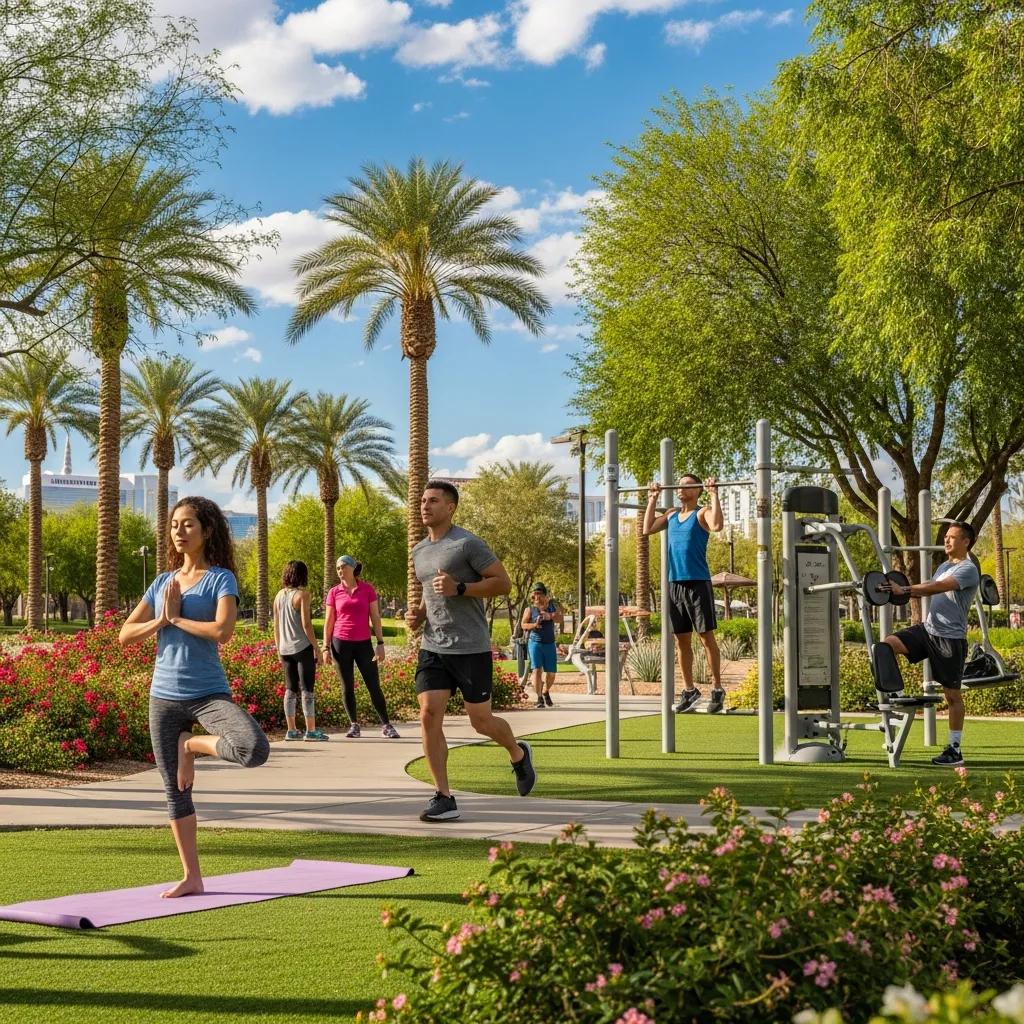
Las Vegas Parks & Recreation for Healthy Living: Using Outdoor Activities to Support Wellness and Recovery
Many Las Vegas residents look for practical, low‑cost ways to boost their mental and physical health. Local parks and recreation programs provide accessible options that can actively support recovery and overall well‑being. Time outside combines movement, social connection, and green space exposure—changes shown to lower stress hormones, improve sleep, and stabilize mood. This guide lays out how to use Las Vegas outdoor fitness areas, community recreation programs, and nature‑based practices deliberately to support healthy living and each stage of addiction recovery. You’ll find which parks have exercise gear and trails, how community classes can complement clinical care, the evidence behind mindfulness and eco‑therapy, and step‑by‑step tips to build a realistic outdoor routine. We include practical resources, comparison tables for easy decisions, and safety‑minded examples so you can plan outdoor wellness activities that fit Las Vegas settings and your recovery goals.
Top Las Vegas Outdoor Fitness Options for Mental and Physical Health
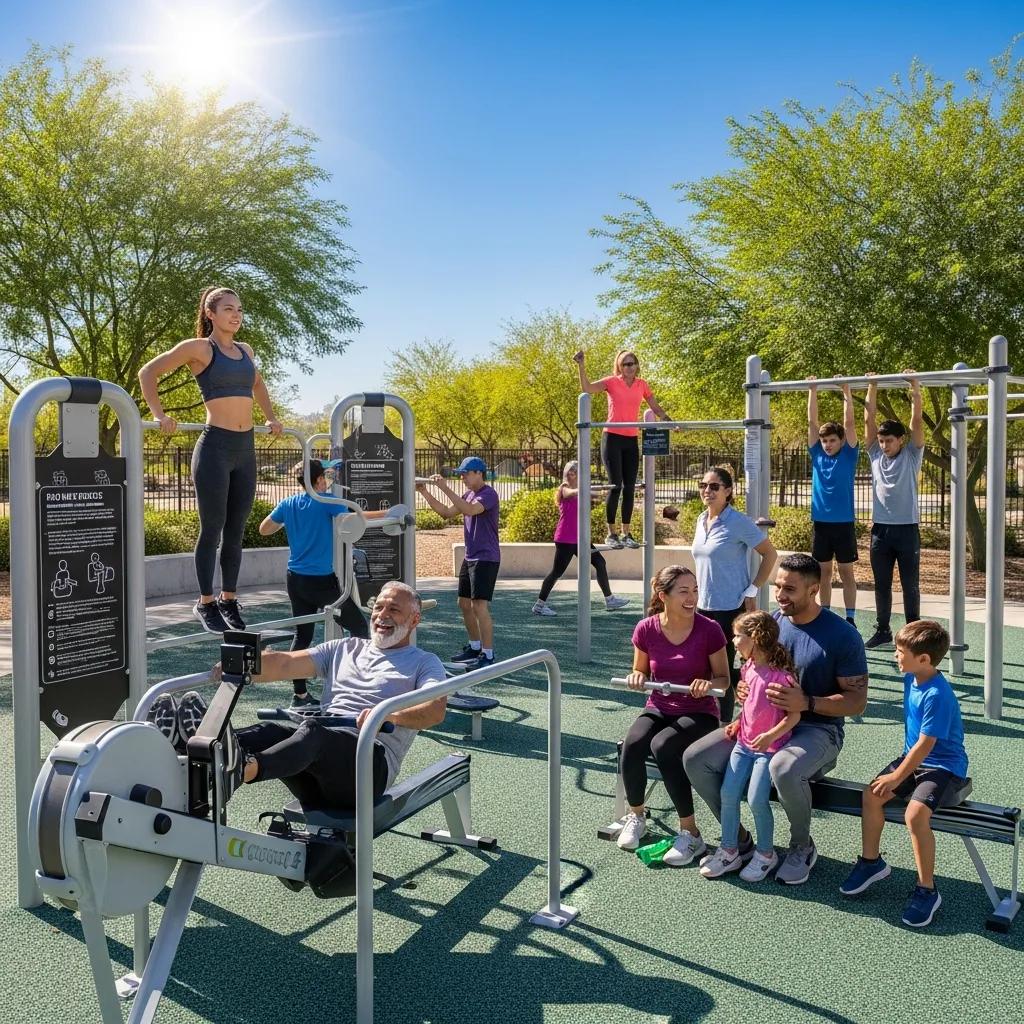
Outdoor fitness in Las Vegas covers public exercise stations, park gyms, walking and running trails, bike routes, and organized group classes in green spaces. Each option supports heart health, calms stress systems, and boosts mood through natural endorphin release. From a physiological view, regular moderate activity can lower cortisol, raise BDNF and endorphins, and improve sleep—effects that reduce craving risk and mental fatigue. When picking a spot, think about access (parking, shade), surface (paved or natural), and nearby water or restrooms for safety and hydration. Below is a quick list of common outdoor options and why they matter for both mind and body.
- Outdoor exercise equipment: lets you do strength and mobility work that builds routine and confidence.
- Walking and running trails: support gentle cardio that eases stress and helps sleep.
- Organized outdoor classes: add social support and a guided structure to keep you consistent.
These options fit different recovery phases—easy walks for early recovery, moderate interval work during outpatient care, and social classes for long‑term aftercare. The next section highlights parks in Las Vegas with built‑in fitness features to match those needs.
Which Parks Offer Exercise Equipment and Fitness Stations in Las Vegas?
Several Las Vegas parks have permanent fitness stations, calisthenics areas, or open lawns that work well for bodyweight workouts and small group classes—ideal for people rebuilding strength and routine. Equipment typically includes pull‑up and parallel bars or machine‑style stations useful for circuit training; these can be adapted for low‑impact rehabilitation. Accessibility varies by park—look for shaded spots, nearby parking, and drinking fountains to reduce heat and dehydration risk in summer. Below is a short comparison table to help you choose a park based on amenities and recovery suitability.
These features support structured, progressive exercise that builds strength, endurance, and confidence. After checking equipment and access, the next section explains how walking trails specifically help reduce stress and support healthy living.
How Do Walking Trails in Las Vegas Promote Healthy Living and Stress Reduction?
Walking trails offer steady aerobic activity that lowers blood pressure, reduces cortisol, and lifts mood through rhythmic movement and focused attention. Research shows that 20–30 minutes of brisk walking several times a week produces measurable drops in stress markers.
Beginner‑friendly routes—like flat paved loops in neighborhood parks or the gentler sections of Red Rock trailheads—provide predictable footing and clear turnaround points for pacing and safety.
To boost stress relief, add mindful breathing: inhale for four steps, exhale for four steps, and notice small sensory details (wind on your skin, bird calls) to support attention restoration. Always carry water, use sun protection, and pick cooler times of day in summer. Next, we look at community recreation programs that layer social structure onto individual trail work.
How Can Community Recreation Programs in Las Vegas Enhance Recovery and Well-being?
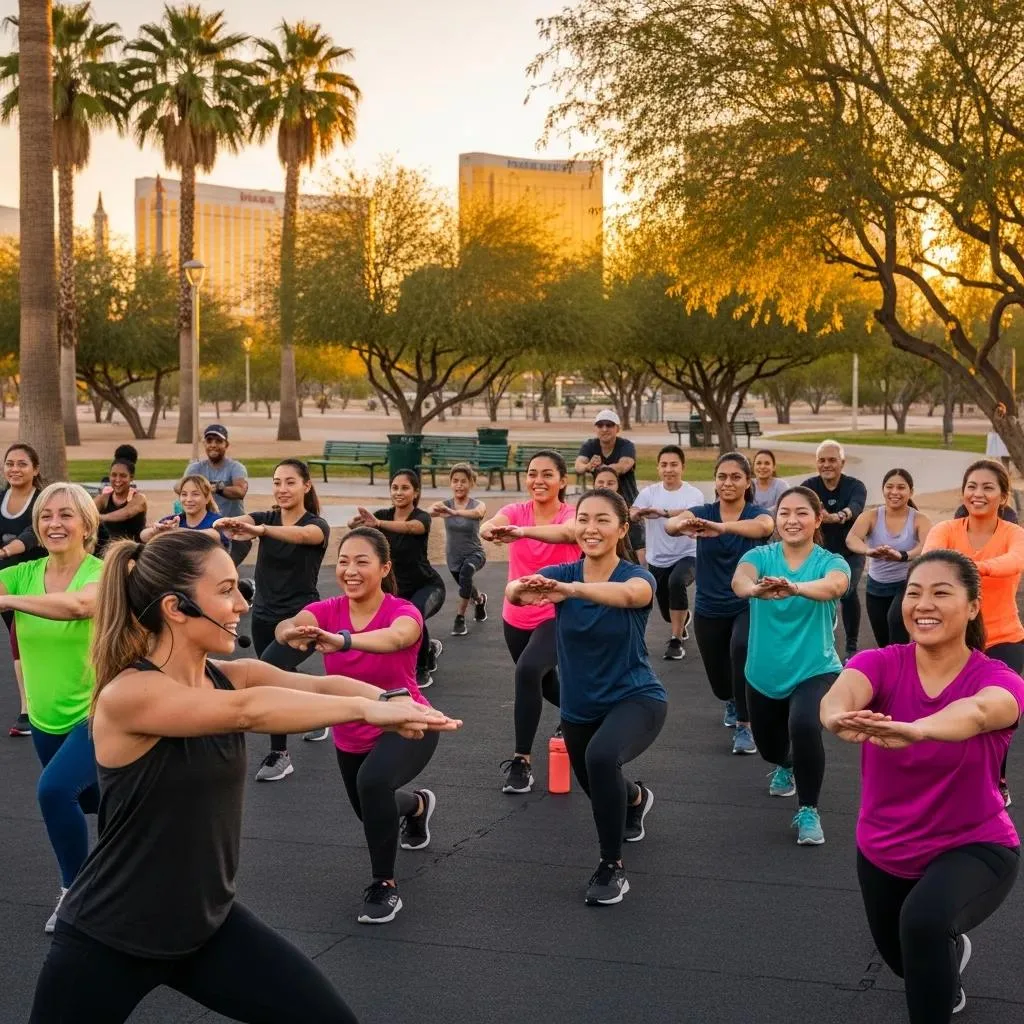
Municipal parks departments and community centers run recreation programs—adult fitness classes, guided hikes, adaptive sports, and social wellness groups—that add routine, accountability, and connection to recovery plans. These offerings complement outpatient services by providing regular schedules, peer support, and low‑cost movement and skill‑building opportunities that reduce isolation and promote healthy habits. Below are common program types and how they typically support formal treatment and aftercare.
- Adult fitness classes: instructor‑led sessions that help build exercise consistency.
- Social activity groups: peer groups that reduce isolation and lower relapse triggers.
- Adaptive and family programs: inclusive options that help families learn supportive routines.
The table below compares program types by focus, cost, and the recovery phase where they’re most helpful.
Many community programs offer low‑cost options or accept referrals and can be coordinated with outpatient appointments. Understanding how each program fits recovery stages helps individuals and families choose the best match. Next, we describe specific class formats and social activities that support mental health.
What Adult Fitness Classes and Social Activities Support Mental Health in Las Vegas?
Outdoor yoga, tai chi, circuit training, and guided walking groups combine physical conditioning with breath work and social connection. Typical sessions include a warm‑up, a main movement block, and a cool‑down with short mindfulness or breathing practice to help regulate emotion and attention. These classes create predictable weekly commitments, boost mood through movement, and build social bonds that replace risky environments with supportive peers. Check municipal recreation schedules or community center notices to find local offerings—many have sliding scales or accept referrals from treatment providers.
- Yoga and tai chi: develop balance, flexibility, and stress resilience with breath‑focused movement.
- Group fitness circuits: scalable strength work that builds confidence and capability.
- Walking or hiking clubs: blend aerobic benefits with peer accountability.
When clinicians recommend these formats as part of aftercare, the predictable structure and social support they provide help protect against relapse. Next up: community centers that offer holistic wellness services suitable for recovery.
Where Are the Best Community Centers for Holistic Wellness and Recovery?
Across Las Vegas, community centers offer outdoor yoga, meditation walks, and multi‑modal fitness that pair well with clinical care and support lasting healthy habits. Centers differ in transit access, schedules, and whether they offer sliding‑scale fees or partner with local health services—so pick one that fits your transportation needs and treatment goals. Many centers also run family classes to rebuild shared routines, which can be important in recovery. Below is a short comparison of center features to guide your choice.
Choosing a center that fits your schedule, transport options, and program focus makes attendance easier and more sustainable. With community supports identified, the next section explains why nature‑based therapy and park‑based mindfulness have measurable mental health benefits.
Benefits of Nature-Based Therapy and Mindfulness in Las Vegas Parks
Nature‑based therapy pairs guided time in green space with therapeutic tools—mindfulness, structured walks, and reflection—to lower stress, restore attention, and lift mood. Key mechanisms include reduced cortisol, increased parasympathetic (rest‑and‑digest) activity, and attention restoration from safe, softly engaging natural stimuli. Recent recommendations suggest brief, repeated exposure—about 20 minutes a day or 120 minutes a week—can support mental health. Sessions can be self‑directed or led and often use breath work, sensory grounding, and gentle movement to build everyday resilience against cravings and mood swings. The following points summarize physiological and cognitive benefits and point to parks suited for mindfulness and eco‑therapy.
- Stress reduction: calming environments lower cortisol and sympathetic arousal.
- Mood improvement: sensory engagement and connection boost positive affect.
- Cognitive restoration: time in nature replenishes directed attention and clarity.
These effects make parks useful additions to clinical therapy and daily self‑care. Next, we outline the biology behind green‑space exposure.
How Does Exposure to Green Spaces Improve Mood and Cognitive Function?
Time in green spaces lowers physiological stress markers like cortisol and supports healthier neurotransmitter balance, which improves mood. Cognitive gains come from attention restoration—natural scenes demand soft fascination, freeing up directed attention and increasing clarity. Active engagement, such as mindful walking, can raise BDNF and support neuroplasticity that helps executive function. Research shows consistent, shorter visits across a week are more effective than infrequent long outings. Aim for regular 20–30 minute sessions that mix gentle movement with mindful attention. Next, we recommend parks in Las Vegas that work well for these practices.
Which Las Vegas Parks Are Ideal for Mindfulness and Eco-Therapy Practices?
Las Vegas has quiet neighborhood parks and scenic natural areas suited to mindfulness and eco‑therapy, each offering different sensory and practical benefits—shade, water features, or wide views. Sections of Red Rock Canyon and the Mount Charleston foothills offer restorative vistas, while community parks like Wayne Bunker Park give easy access and quieter corners for guided practice. Season and time of day matter: choose early mornings or late afternoons in summer to avoid heat; winter gives longer comfortable windows for extended sessions. Below are park types and their best uses.
- Scenic natural areas: ideal for deep restoration and longer reflective hikes.
- Neighborhood parks: best for daily mindfulness and short restorative walks.
- Trailheads with shaded segments: great for moderate mindful movement sessions.
Pick a park based on privacy needs, travel time, and how active you want to be. With therapy‑friendly settings identified, we next explain how parks and recreation tie directly into recovery and healthy living plans.
How Do Las Vegas Parks and Recreation Support Addiction Recovery and Healthy Living?
Parks and recreation help recovery by lowering physiological stress, restoring healthy sleep patterns, and creating pro‑social routines that reduce relapse risk—benefits that apply across detox, inpatient, and outpatient stages. Biologically, regular outdoor activity and sunlight help reset circadian rhythms and raise serotonin and endorphins, which can ease cravings and stabilize mood. Socially, park classes and group activities build sober networks and structured ways to spend time that replace substance‑linked routines. The summary below highlights the main mechanisms at work.
- Biological benefits: exercise and daylight help regulate hormones and neurotransmitters that can lower craving intensity.
- Social benefits: group programs create accountability and safe social support for sobriety.
The following sections expand on outdoor fitness benefits for stress and self‑esteem and offer ways families can participate in supportive outdoor routines.
What Role Does Outdoor Fitness Play in Reducing Stress and Boosting Self-Esteem?
Outdoor exercise reduces stress by triggering endorphin release, lowering cortisol, and improving sleep—all of which lower vulnerability to cravings and emotional reactivity. Psychologically, meeting progressive fitness goals builds self‑efficacy and self‑esteem—protective factors in recovery that increase confidence and perceived control. Practical low‑impact activities include brisk walking, gentle resistance circuits using park equipment, and beginner yoga—each scalable to your current stage. For steady gains, set weekly progression goals (frequency, duration, intensity) and record improvements to reinforce progress and guide conversations with clinicians.
These strategies convert physical gains into better mood and identity, and they also open opportunities for family involvement, which we cover next.
How Can Families Engage in Supportive Outdoor Activities Together?
Families can help recovery by joining in low‑pressure outdoor activities that build positive interactions and healthy habits without focusing on past substance use. Examples include shared walks, picnics with simple conversation prompts, volunteer park cleanups, and family yoga that emphasizes mutual support and respectful boundaries. To keep outings helpful rather than overwhelming, set clear roles, agree on non‑triggering topics, and keep activities short and achievable. Below are practical family‑friendly ideas.
- Group walks with a brief reflection check‑in at the end.
- Volunteer or service projects in parks to build shared purpose.
- Low‑key picnics with simple mindfulness prompts to encourage presence.
Family participation in recreational activities strengthens social support and models healthy coping—leading naturally into step‑by‑step guidance for adding outdoor wellness to a recovery plan.
How Can You Integrate Outdoor Wellness into Your Recovery Journey in Las Vegas?
Adding outdoor wellness works best as a stepwise routine that fits treatment goals, safety needs, and your personal pace. Start with short, regular activities and increase duration and social involvement as stability improves. First, confirm medical clearance and clinician guidance. Then schedule consistent sessions of 15–30 minutes (walking or gentle movement), add brief mindfulness, and layer in community classes as confidence grows. Use simple tracking tools—journals or calendar reminders—to build habit and share progress with your care team. The checklist below gives practical steps for a safe, effective nature routine.
- Consult your clinician for clearance and alignment with treatment goals.
- Select a nearby park with necessary amenities (shade, water, paths).
- Start with short, daily sessions of 15–30 minutes and note how you feel.
- Add breathing or mindfulness practices during or after activity.
- Transition to group classes or guided hikes for social support.
- Review progress with your clinician and adjust intensity as recovery stabilizes.
This checklist focuses on safety, clinician coordination, and gradual progression. The next section lists local resources and tips for checking program fit with specific recovery needs.
What Are Safe and Effective Ways to Create a Nature Routine for Recovery?
Safe routines begin with a clinician check‑in to confirm physical and mental readiness. Follow realistic pacing that respects sleep, medication schedules, and daily energy.
Effective routines use predictable session times, hydration and sun‑safety planning, and a simple tracking method to note mood and cravings before and after activity. Use these notes to fine‑tune what helps most.
Have fallback options for bad weather or low‑energy days—shorter mindful walks or seated outdoor breathing exercises keep momentum without strain.
Finally, tell a support person or sponsor about your plan so someone can offer encouragement or check in when needed.
Where to Find Local Resources and Support Groups for Outdoor Activities?
Local resources include the municipal parks department, neighborhood community centers, guided hiking groups, and volunteer conservation organizations that run regular outdoor events. Check program descriptions, accessibility, and whether staff have experience supporting people in recovery. When evaluating groups, ask about class size, instructor credentials, and whether the environment supports sobriety and emotional safety. Many centers offer sliding‑scale fees or partner with health providers for referrals. Practical next steps: call the parks department or community center for schedules, review program outlines in person, and attend a single intro session to see if it’s a good fit.
- Parks department listings for recurring group hikes and events.
- Community center postings for classes and family programs with registration details.
- Volunteer groups that offer service projects to build social purpose.
These pathways help you move from solo practice to community engagement. For readers who want immediate local support, here are neutral next steps to connect with clinical or community resources.
For local assistance or clinical support that includes outdoor and holistic therapies, BetterChoice Treatment Center offers evidence‑based care with holistic components (including outdoor activity spaces and yoga) as part of a broader recovery plan. To explore local support or ask about coordinated outpatient resources, call (725) 299-4777 or visit the center at 198 Ebb Tide Cir, Las Vegas, NV 89123. A single call or checking a community center schedule are practical first steps to find programs and clinicians aligned with your recovery goals.
Frequently Asked Questions
1. What types of outdoor activities are best for beginners in recovery?
Beginners in recovery do well with gentle activities like walking, light jogging, or beginner yoga. These offer physical benefits without overwhelming effort and help establish routine. Short, regular sessions build confidence—start small and increase duration and intensity as comfort grows. Always check with a clinician before beginning a new exercise plan.
2. How can mindfulness practices enhance outdoor activities?
Mindfulness deepens the benefits of outdoor activity by helping you stay present and calm. Simple techniques—focused breathing, sensory observation, or mindful walking—reduce anxiety and make movement more restorative. Adding short mindfulness moments to walks or classes can improve emotional regulation and make exercise feel more meaningful.
3. Are there specific times of year that are better for outdoor activities in Las Vegas?
Spring and fall are generally the most comfortable seasons in Las Vegas. In summer, choose early mornings or late afternoons to avoid heat. Winter is also a good time for longer outdoor sessions since temperatures are cooler. Planning activities around these windows improves safety and enjoyment and helps you stick with a routine year‑round.
4. How can families support each other in outdoor wellness activities?
Families can support recovery by doing low‑pressure outdoor activities together: walks, picnics, or volunteer projects. Keep things positive and short, set clear expectations, and use simple prompts to guide conversation. Regular shared activities build connection, model healthy habits, and create accountability without focusing on past substance use.
5. What should I consider when choosing a park for outdoor activities?
Consider accessibility, amenities, and safety when choosing a park. Look for shade, restrooms, and water fountains for comfort. Check the terrain (paved vs. natural) and travel time from home or transit. Also choose a park that feels welcoming and safe for the activities you plan—comfort matters for consistent use.
6. How can I track my progress in outdoor wellness activities?
Track progress with a simple journal or a fitness app. Record session length, intensity, and how you felt before and after. Noting mood and cravings helps you see patterns and improvements. Sharing progress with a clinician or support group can add motivation and accountability.
7. What role do community events play in supporting outdoor wellness?
Community events offer structured chances to connect, move, and learn new skills. Organized hikes, classes, or park cleanups create belonging and accountability—important supports in recovery. These events help you meet people with similar goals and reinforce healthy habits through social engagement.
Conclusion
Spending time in Las Vegas parks—through walking, classes, or guided nature practices—offers real benefits for mental and physical health: less stress, better mood, and stronger social connections. Using community resources and structured programs makes these habits easier to keep. Take a first small step—visit a nearby park, join a class, or call a community center—and start building an outdoor routine that supports your recovery and long‑term wellness.