

Is addiction a disease? Understanding the science behind substance use disorder
Addiction — clinically called substance use disorder — is recognized by major medical organizations as a chronic brain condition. Repeated substance use changes brain structure and function in ways that drive compulsive drug or alcohol use. Seeing addiction as a brain disease matters: it shifts blame away from the person, points care toward proven medical and behavioral treatments, and explains why relapse can happen as part of a long-term illness rather than a moral failure. This guide walks through the brain-disease model, the neurobiology of reward and self-control, and the genetic and environmental factors that raise risk. You’ll learn why relapse can reflect chronic illness dynamics, why ongoing management is often needed, and how treatment steps — from medical detox to inpatient rehab and outpatient care — help people recover. We also describe how an evidence-based provider delivers care and how a medical view of addiction reduces stigma and supports help-seeking. Throughout, we link current research to practical next steps for people and families, highlighting mechanisms like dopamine and the prefrontal cortex and risk factors such as genetics and trauma.
What is addiction? Defining substance use disorder as a chronic brain disease
Substance use disorder is a clinical diagnosis marked by loss of control over use, continued use despite harm, tolerance, and withdrawal. Those symptoms reflect lasting changes in brain circuits for reward, stress response, and executive control. Addiction develops through reinforced learning and shifts in brain set points that make substance use a dominant drive. Clinically, treating addiction as a chronic brain disease changes the goal: stabilization, behavior change, and long-term relapse prevention instead of punishment. That approach supports combining medication-assisted options, behavioral therapies, and psychosocial supports. Knowing these diagnostic and mechanistic features helps families and clinicians decide when to seek structured care — for example medical detox, inpatient programs, or outpatient treatment — to stabilize body and brain before deeper psychotherapy begins.
How do medical organizations classify addiction?
Major medical groups classify addiction (substance use disorder) as a medical condition informed by neuroscience, public health, and clinical evidence. This consensus shapes standards of care and policy: it guides diagnostic codes, treatment frameworks, and how addiction medicine integrates with primary and specialty care. When organizations treat addiction as a health issue, barriers to evidence-based treatment fall, and research into pharmacological and behavioral interventions receives stronger support. Those institutional positions connect scientific understanding to practical access, insurance coverage, and patient protections.
What are the core symptoms and characteristics of addiction?
Addiction typically shows up as a cluster of signs — compulsive use, failed attempts to cut down, intense craving, tolerance, and withdrawal — that reflect disrupted brain circuits for reward and control. In daily life this often means missed responsibilities, strained relationships, worsening health, and increased risk-taking to obtain substances. Families and clinicians should watch for growing preoccupation with substance-related activities, repeated unsuccessful quit attempts, and use despite clear consequences. Because these changes combine learned behavior and lasting brain adaptations, multi-modal, sustained treatment is usually needed. Recognizing these patterns early improves the chance of timely, effective care.
- Common symptoms: compulsive use, craving, tolerance, withdrawal, and loss of control.
- These signs often cause problems at work, with family, and for physical health.
- Early identification leads to better treatment outcomes over the long term.
Those symptoms point directly to the specific brain systems altered by addiction.
How does addiction affect the brain? Exploring the brain-disease model of addiction
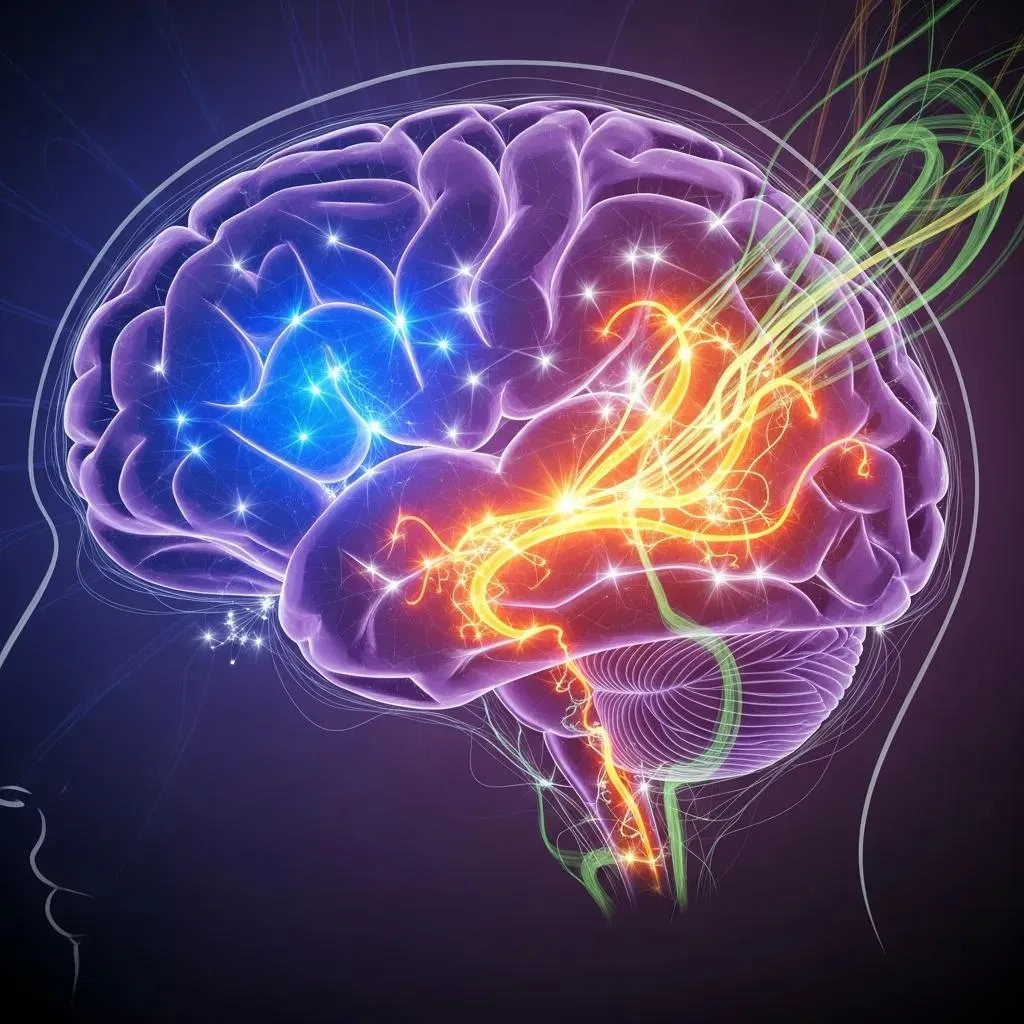
Addiction changes key brain circuits — mainly reward/reinforcement pathways and executive control networks — so motivation and decision-making lean toward substance use. The core mechanism is reinforced learning in the mesolimbic dopamine pathway, shifts in receptor sensitivity and synaptic plasticity, and weakened prefrontal control of impulses. Those adaptations produce ongoing craving and poorer self-control even after someone stops using. Clinically, that’s why effective care targets both biological stabilization and cognitive-behavioral skills: medical detox manages immediate physiological risk while rehabilitative therapies rebuild executive function and coping strategies.
The table below links major brain systems with the functions they support and the clinical signs clinicians and families can observe.
This mapping connects neuroscience to real-world symptoms and helps shape targeted treatment plans.
This layout shows how disruptions in specific circuits produce common addiction signs and points to interventions — behavioral therapies, medications, or both — that can help.
What role does dopamine play in addiction’s reward system?
Dopamine acts as a teaching signal: it helps the brain learn which actions predict rewards. Addictive drugs and alcohol hijack that system by causing unusually large or dysregulated dopamine responses. Over time, repeated surges change receptor sensitivity and downstream signaling, making everyday rewards less satisfying and substance cues more powerful. That rewiring leads to conditioned responses where places, people, or objects trigger craving and drive repeated use despite harm. Treatment therefore focuses on reducing cue reactivity and rebuilding healthy reward patterns through behavioral conditioning, medications when appropriate, and skills training to replace substance-driven rewards.
How does the prefrontal cortex influence impulse control in addiction?
The prefrontal cortex helps us plan, weigh future outcomes, and stop impulsive actions. In addiction, chronic substance exposure weakens prefrontal circuits, reducing cognitive flexibility and the ability to choose long-term goals over immediate reward. Programs that strengthen executive function — cognitive-behavioral therapy, contingency management, and skills training — help rebuild decision-making and self-regulation. Clinically, gains in prefrontal functioning often mean better treatment adherence and fewer relapses, which is why rebuilding these skills is central to recovery plans.
- Addiction affects reward, control, memory/emotion, and stress systems in the brain.
- Recovery requires medical stabilization plus therapies that address both habit learning and executive function.
- Treatment goals include reducing cue-reactivity, improving impulse control, and creating alternative, healthy rewards.
Next we consider inherited risk and environmental contributors to addiction vulnerability.
What genetic and environmental factors contribute to addiction risk?

Genes account for a significant portion of addiction risk by shaping traits like impulsivity, reward sensitivity, and how the body processes substances. Twin and family studies show meaningful heritability, but genes are not destiny. Genetic differences influence receptors, neurotransmitters, and stress responses that interact with life experiences. Environmental factors — early exposure, childhood adversity, trauma, peer influences, and socioeconomic stress — affect brain development and can amplify genetic vulnerability, sometimes through epigenetic changes. Because risk is probabilistic, protective environments and early interventions can markedly reduce the chance that vulnerability becomes a disorder. This interplay highlights the value of trauma-informed care and prevention efforts focused on improving early-life environments.
How do genetics influence susceptibility to substance use disorder?
Genetic risk arises from many genes of small effect that together shape reward sensitivity, stress reactivity, and drug metabolism. These genetic differences can make some people more likely to increase use if exposed. Importantly, a genetic predisposition increases vulnerability but does not guarantee addiction. Environment, coping resources, and timely support matter greatly. Clinically, genetic knowledge helps frame risk discussions and motivates early prevention and monitoring without labeling someone as doomed to develop a disorder.
What environmental and traumatic experiences impact addiction development?
Environmental risks include childhood adversity, physical or emotional trauma, early substance exposure, normalization of use in the family or community, and chronic socioeconomic stress. Such experiences alter stress-response systems and learning circuits during sensitive developmental periods. Trauma, in particular, can change emotion-regulation and reward pathways, increasing the likelihood of using substances to self-medicate. Trauma-informed treatment starts with safety and stabilization and integrates therapies that address both trauma symptoms and substance use. Preventive policies and community supports that reduce childhood adversity and build resilience are key complements to clinical care and reduce population-level risk.
- Genetic and environmental factors interact; neither alone fully determines outcome.
- Trauma-focused and trauma-informed interventions address a major, modifiable pathway to addiction.
- Prevention that strengthens early-life supports and reduces exposure can lower addiction rates over time.
These risk factors shape addiction’s chronic course and guide relapse-prevention and long-term care planning.
Why is addiction considered a chronic illness? Understanding relapse and long-term management
Yes — addiction is considered a chronic illness because it produces lasting brain changes, can involve recurring symptomatic episodes, and usually requires ongoing management similar to other chronic conditions. Relapse reflects underlying biological, psychological, and social vulnerabilities rather than moral weakness: neuroplastic changes and cue-conditioned responses make relapse more likely without continued support. Chronic-disease care for addiction focuses on long-term monitoring, maintenance strategies (behavioral and pharmacological), and integrated treatment for co-occurring conditions. Comparing addiction to diabetes or hypertension helps reframe relapse as a treatable flare, encouraging patients and families to re-engage with care instead of feeling defeated. Long-term supports include outpatient therapy, medication-assisted treatment when appropriate, peer recovery resources, and family-involved aftercare plans.
How does relapse reflect the chronic nature of addiction?
Relapse often happens because neurobiological vulnerability stays with a person, combined with exposure to cues, stress, or gaps in protective routines. Brain mechanisms behind relapse include cue-induced craving driven by memory and reward circuits and stress-triggered reinstatement via the HPA axis. Rather than ending care, a relapse should prompt reassessment and adjustment of the treatment plan. Effective strategies to lower relapse risk include continuing-care models, appropriate medications, relapse-prevention therapy, and stronger social supports. Quick re-engagement after a setback improves outcomes, mirroring how clinicians manage flare-ups in other chronic illnesses.
This comparison helps shift systems and expectations toward long-term, supportive care for addiction.
What parallels exist between addiction and other chronic diseases like diabetes?
Addiction and diabetes both need ongoing monitoring, behavior change, medication adherence, and a long-term partnership with clinicians to manage flare-ups and prevent complications. Both benefit from self-management education, family involvement, and systems that support continuity of care. The main difference is stigma and social/legal responses that have historically hindered access for people with addiction; treating addiction as a medical condition helps reduce those barriers. Applying chronic-care models — regular follow-up, rapid response to deterioration, and multidisciplinary teams — improves outcomes for substance use disorder as it does for other chronic illnesses.
- Chronic-disease approaches emphasize sustained monitoring, flexible treatment plans, and patient self-management.
- Reducing stigma helps align addiction care with other medical conditions and increases treatment uptake.
- Planning for long-term management is essential for durable recovery and relapse reduction.
These principles set the stage for how treatment providers put evidence into practice.
How does BetterChoice Treatment Center address addiction as a disease? Evidence-based care and recovery
At BetterChoice Treatment Center, we treat addiction as a chronic brain disease using a staged, evidence-based approach: medical stabilization, intensive residential therapy when needed, and ongoing outpatient supports to sustain recovery. Intake starts with a confidential clinical screening to assess medical risk, co-occurring conditions, and social supports — information that determines whether medical detox or inpatient rehab is the right next step. Throughout care we focus on compassionate, individualized plans that combine behavioral therapies, integrated treatment for co-occurring disorders, and whole-person supports. We also help with insurance navigation and protect patient privacy. Our staff guide patients and families through authorization and discharge planning, and 24/7 clinical support helps with care transitions.
What is the scientific basis and process of medical detox?
Medical detox treats physiological dependence by managing withdrawal under clinical supervision, lowering short-term medical risk and preparing the person for therapeutic work. The process begins with a complete medical evaluation to assess withdrawal risk, possible complications, and co-occurring conditions. Care teams use symptom-targeted medications, nursing observation, and safety planning as needed. Detox stabilizes the body and is not a cure on its own — it’s the first step before structured therapies that address learned behaviors and social drivers of addiction. Clinicians explain what to expect and plan transitions into inpatient or outpatient care to keep momentum toward recovery.
This medically supervised approach aligns immediate physiological needs with longer-term behavioral interventions.
How does inpatient rehab support brain healing and behavioral change?
Inpatient rehab gives people a safe, structured setting for intensive therapy while the brain begins to recover from substance-induced changes. Programs combine evidence-based treatments — cognitive-behavioral therapy, motivational interviewing, group therapy, and family work — to strengthen executive control, coping skills, and relapse prevention. Daily routines support sleep, nutrition, and predictable schedules, which help brain healing and reduce vulnerability to relapse. Inpatient stays also let clinicians treat co-occurring mental health issues and plan personalized aftercare that links each patient back into community supports after discharge.
- Medical detox stabilizes the body and reduces immediate risk.
- Inpatient rehab provides structured therapy and environmental control to help rebuild behavior and brain function.
- Aftercare planning and outpatient supports are essential for long-term recovery.
These service steps show how clinical programs translate the brain-disease model into staged, practical care.
How can understanding addiction as a disease help reduce stigma and support recovery?
Framing addiction as a medical condition rooted in brain biology helps strip away moralizing language and supports policies that expand treatment access, insurance coverage, and community recovery resources. Science-based explanations encourage families and clinicians to offer support and clinical referrals instead of punishment, and they normalize long-term management strategies like those used for other chronic illnesses. Public-health framing also shifts resources toward prevention, early intervention, and integrated care for co-occurring mental health needs. In practice, this lens increases treatment seeking, improves adherence to evidence-based care, and reduces discrimination in healthcare settings.
What myths surround addiction and how does science debunk them?
Common myths — that addiction is a moral failing, a lack of willpower, or simply a choice — ignore the complex biological and environmental causes shown by modern research. Evidence shows that chronic brain changes, genetic vulnerabilities, and environmental stressors drive compulsive use, which undermines simplistic moral judgments. Debunking these myths requires clear, compassionate communication about brain mechanisms and the effectiveness of treatment. Families and communities can help by encouraging medical evaluation, supporting access to evidence-based care, and avoiding punitive responses that deepen isolation and delay help.
- Myth: Addiction is a moral failing. Science: Brain adaptations and genetic risk contribute to compulsive use.
- Myth: Willpower alone fixes addiction. Science: Neurobiological changes can impair control and usually require structured treatment.
- Myth: Relapse equals failure. Science: Relapse often reflects disease dynamics and signals a need to adjust care.
These corrections help readers and families choose supportive, evidence-based actions that encourage recovery instead of blame.
How does recognizing addiction as a disease encourage treatment seeking?
Talking about addiction as a health condition reduces stigma, clarifies insurance-covered routes, and lays out concrete clinical pathways — screening, medical detox, inpatient care, and outpatient follow-up — that make seeking help more straightforward and acceptable. When addiction is framed medically, people and families are more likely to seek assessment and follow recommended interventions because care reads as a medical response rather than moral judgment. Practical next steps include calling a treatment provider, completing a confidential intake, or searching for accredited local services; providers can help with insurance navigation and build personalized continuing-care plans. BetterChoice Treatment Center supports people from first contact through continuing care, offering confidential intake, evidence-based programs, and help with insurance and safety planning at our Nevada location.
- Medical recognition of addiction increases help-seeking and engagement with treatment.
- Next steps include calling a provider, completing intake screening, and discussing insurance coverage.
- Ongoing, compassionate clinical support lowers barriers and improves long-term recovery chances.
This practical guidance invites evidence-based action and reinforces that addiction treatment is legitimate medical care grounded in current science.
Frequently Asked Questions
What are the long-term effects of addiction on mental health?
Long-term substance use can worsen or trigger mental health conditions such as anxiety, depression, and increased suicide risk. Changes to brain circuits involved in mood and cognition make someone more vulnerable to these disorders. The stress and social impact of addiction can also worsen pre-existing mental health issues. Effective treatment usually addresses both substance use and mental health together through integrated care so people get comprehensive support for their recovery and well-being.
How can families support a loved one struggling with addiction?
Families matter a great deal. Open, nonjudgmental communication, consistent support, and learning about addiction help create a recovery-friendly environment. Encourage professional evaluation and consider family therapy so everyone learns healthy boundaries and communication skills. Avoid enabling behaviors, set clear limits, and practice self-care — family members need support too. Peer groups for families, like Al‑Anon, can offer practical guidance and community.
What role does peer support play in recovery from addiction?
Peer support offers shared experience, understanding, and practical advice that can reduce isolation and boost motivation. Programs like AA and NA, as well as recovery community organizations, provide ongoing social connection and accountability. Hearing from people who’ve navigated recovery can inspire hope and model practical strategies for staying sober. Peer support is often a valuable complement to clinical treatment.
What are the signs that someone may need professional help for addiction?
Warning signs include declining work or school performance, withdrawing from friends and family, secrecy about use, physical health problems, mood or behavior changes, and unsuccessful attempts to cut down. Cravings, tolerance, and withdrawal symptoms are strong indicators that professional help is needed. Early recognition and timely action improve the chance of effective treatment and long-term recovery.
How does stigma affect individuals seeking treatment for addiction?
Stigma creates fear of judgment, discrimination, and social consequences, which can keep people from asking for help. Shame and isolation worsen the problem and delay access to effective care. Education, compassionate language, and treating addiction as a medical issue help reduce stigma and make it easier for people to seek and stay in treatment.
What are the benefits of a holistic approach to addiction treatment?
A holistic approach treats the whole person — physical, emotional, social, and, when relevant, spiritual needs. That can include medical care, therapy, nutrition, exercise, mindfulness, and community supports. Addressing underlying issues like trauma or co-occurring mental health disorders improves the chances of lasting recovery. Holistic methods help people build coping skills, reduce stress, and strengthen overall well-being while they work toward sobriety.
Conclusion
Viewing addiction as a chronic brain disease emphasizes the need for evidence-based treatment and long-term management. That perspective reduces stigma and helps families and clinicians respond with practical, compassionate care. By recognizing how genetic and environmental factors interact, we can take a more humane, effective approach to prevention and treatment. If you or a loved one is ready to take the next step, explore our resources or connect with a treatment provider — help and hope are available.