

How individual therapy in Las Vegas strengthens addiction recovery
Individual therapy for addiction is one-on-one psychotherapy focused on the thoughts, behaviors, and social patterns that keep substance use going. Through careful assessment, a tailored treatment plan, and focused therapeutic techniques, individual sessions help people uncover root causes, manage cravings, and build practical skills that lower relapse risk. This article explains why individual therapy matters in Las Vegas, the most effective local approaches, how therapy ties into relapse-prevention planning, and how to find a qualified therapist. You’ll learn how personalized therapy differs from group or medication-first approaches, which evidence-based methods (CBT, DBT, trauma-informed care, motivational interviewing) are most useful, and what to expect from intake through aftercare. We also describe how accredited, medically integrated Las Vegas providers support smooth transitions from detox or inpatient care into ongoing one-on-one treatment. Our aim is to give clear, actionable information so patients, families, and referral partners can make confident choices about the next step in recovery.
What is individual therapy — and why it matters for addiction recovery in Las Vegas
Individual therapy is an evidence-based, collaborative process in which a licensed clinician reviews a person’s history, substance-use patterns, and any co-occurring conditions to build a personalized treatment plan. It combines assessment, education, behavioral skills training, and cognitive work to change how someone thinks about and responds to substances. In Las Vegas, individual therapy often serves as the bridge between medical detox or inpatient care and community-based recovery because it provides privacy and lets clinicians focus closely on co-occurring mental health needs. Research and clinical guidelines show that individualized psychotherapy improves treatment retention and supports longer-term abstinence when paired with appropriate medical services.
The core steps of individual therapy—assessment, formulation, and skills practice—translate into concrete session work such as identifying triggers and rehearsing alternative responses. The sections that follow explain how one-on-one counseling supports lasting sobriety and how it compares with other care options.
How one-on-one counseling helps people stay sober
One-on-one counseling supports lasting sobriety by building a steady therapeutic alliance where clinician and client set clear goals, spot high-risk situations, and practice coping strategies together. Typical sessions include structured assessment, personalized goal-setting, cognitive work to challenge substance-supporting beliefs, and behavioral experiments to try new responses. Therapists give between-session tasks—craving-management plans, graded exposure to triggers, or coping rehearsal—so new skills transfer into daily life. These focused, iterative steps boost confidence and lead to measurable drops in substance use and improvements in day-to-day functioning.
Because treatment is tailored, clinicians can pace work to match readiness and co-occurring needs. That flexibility helps explain when individual therapy is the best choice compared with other formats.
How individual psychotherapy differs from other treatment options
Individual psychotherapy stands apart from group or family therapy mainly in its level of personalization, privacy, and intensity. It gives a confidential space to explore trauma or mental health issues that often drive substance use. Group therapy brings peer support and shared learning; individual work allows clinicians to match evidence-based techniques to a person’s history, thinking patterns, and medical needs. Medication management treats withdrawal and craving biology and works alongside therapy; psychotherapy focuses on repairing behavior patterns and treating underlying psychological drivers. Knowing these differences helps patients choose the approach that fits their clinical profile and readiness for change.
Understanding those distinctions prepares you to evaluate the benefits offered by local accredited providers and how integration with medical care can improve outcomes.
Key benefits of individual therapy at BetterChoice Treatment Center

At an accredited Las Vegas center, individual therapy delivers clinical advantages (personalized plans and co-occurring disorder care), practical benefits (coordinated transitions from detox or inpatient stays), and environmental supports (privacy and comfort that encourage honest sharing). BetterChoice Treatment Center pairs individualized psychotherapy with integrated medical detox and inpatient services so care addresses both substance use and mental health. That combination lets patients pursue meaningful behavioral change while clinicians coordinate medication, psychiatric input, and step-down planning when appropriate.
Below is a compact comparison of core benefits and why they matter for recovery.
This comparison shows how clinical and medical coordination supports effective aftercare and relapse prevention. Next, we explain how personalized therapy targets root causes and co-occurring conditions, and why confidentiality matters for progress.
How personalized therapy targets root causes and co-occurring disorders
Personalized therapy starts with a thorough assessment and clinical formulation to identify trauma, mood or anxiety disorders, and other issues that contribute to substance use. Treatment plans then combine evidence-based approaches—CBT for unhelpful thinking, DBT for emotional regulation, trauma-informed pacing for safety—with psychiatric consultation and medication-assisted options when indicated. This multidimensional plan addresses biological, psychological, and social contributors together, increasing the chances of meaningful, lasting improvement by treating the whole person rather than isolated symptoms.
These clinical pathways depend on credentialed teams and clear oversight, which brings us to why environment and confidentiality matter for therapeutic progress.
Why a private, respectful setting matters for effective therapy
A calm, confidential environment reduces barriers to honest disclosure by protecting privacy and offering a safe space for reflection. Comfort and discretion can be especially important for people in public roles or those who feel ashamed about seeking help—safety like this supports deeper engagement in trauma work when appropriate. Trauma-informed design elements—predictability, choice, and a sense of control—help stabilize clients and reduce the risk of re‑traumatization. Ultimately, respectful surroundings increase the chance people will stick with treatment and follow relapse-prevention plans.
With that context, the next section describes which therapy types clinicians commonly use to produce these benefits.
Which individual therapies work best for substance use in Las Vegas?
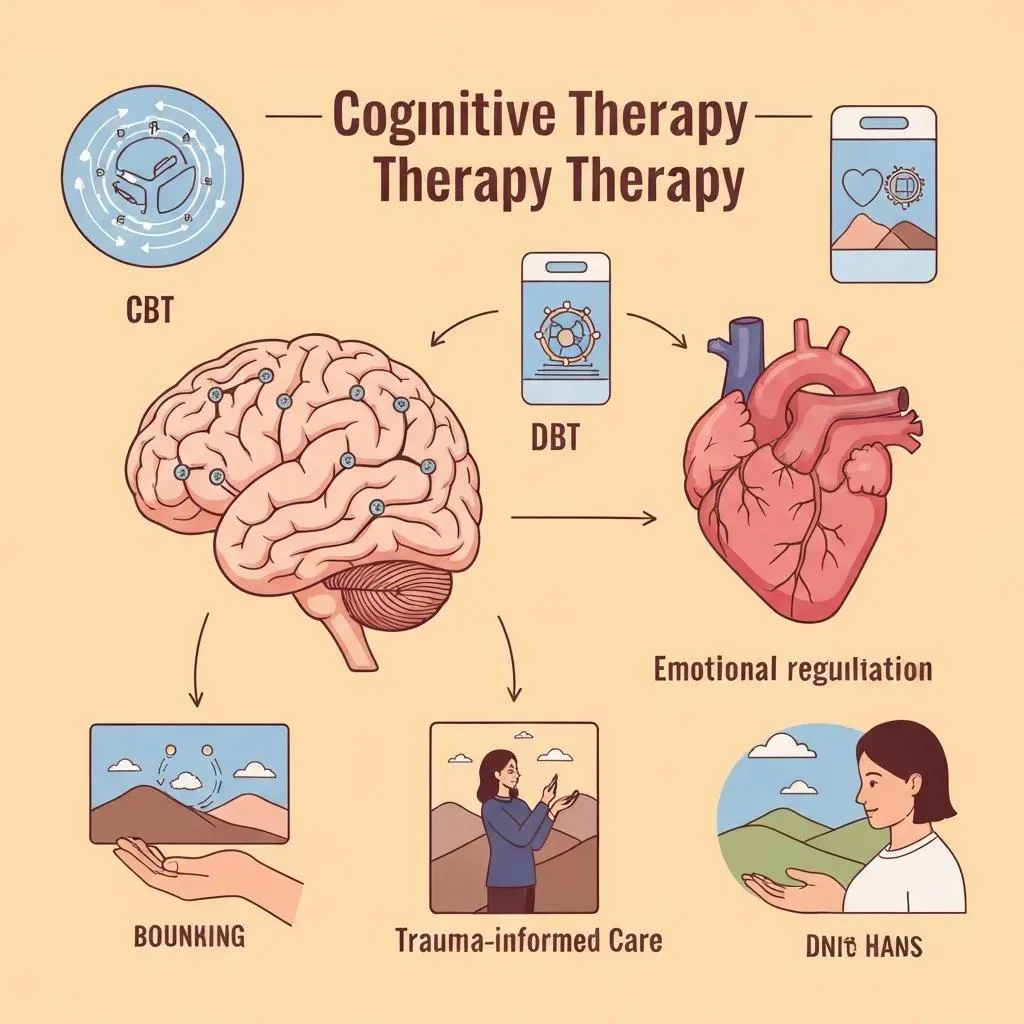
The therapies most often used in individual addiction treatment are: Cognitive Behavioral Therapy (CBT) to change thoughts and behaviors; Dialectical Behavior Therapy (DBT) for emotional regulation and interpersonal skills; trauma-informed therapies that prioritize safety and pacing; and Motivational Interviewing (MI) to increase readiness for change. Each method has a distinct focus: CBT restructures thinking, DBT teaches distress tolerance, trauma-informed work stabilizes before processing memories, and MI addresses ambivalence. Clinicians frequently combine approaches based on the assessment to create a cohesive, personalized plan that matches each person’s needs and recovery goals.
Below is a practical comparison showing when each therapy is typically applied.
This snapshot shows how each modality targets different treatment goals and guides sequencing of care. Next we look at how CBT works in practice and how DBT and trauma-informed care complement it.
How Cognitive Behavioral Therapy helps in recovery
CBT helps by identifying automatic thoughts and beliefs that lead to substance use and by increasing engagement in healthier behaviors through behavioral activation. Sessions often use thought records, functional analyses of use episodes, graded exposure to avoided situations, and homework to practice coping skills. CBT shifts the relationship among thoughts, feelings, and actions, reducing craving-driven behavior and improving problem solving under stress. Over weeks and months, consistent CBT work builds alternative response patterns that lower the chance of relapse.
When emotion dysregulation or trauma is present, clinicians commonly layer DBT or trauma-informed interventions on top of CBT to ensure safety and build stability.
The role of DBT and trauma-informed therapies in individual counseling
DBT offers structured skills—mindfulness, distress tolerance, emotion regulation, and interpersonal effectiveness—that help people tolerate intense states without acting on urges. Trauma-informed therapies prioritize safety and stabilization before any memory processing, making sure clients have the resources to manage distress and reducing the risk of destabilization. Both approaches focus on practical skills rather than labels, teaching techniques that apply directly to triggers and daily life. Integrating DBT and trauma-informed work with CBT gives clinicians a robust toolkit for treating complex, co-occurring presentations in Las Vegas.
With those core therapies in view, we turn to how individual therapy builds relapse-prevention skills that support long-term recovery.
How individual therapy strengthens relapse prevention and long-term recovery
Individual therapy improves relapse prevention through focused skill training, personalized relapse plans, and structured aftercare that together make a return to substance use less likely. Therapists help clients identify triggers, map high-risk situations, and rehearse alternative responses until new habits replace old ones. Plans typically include coping rehearsal, environmental changes, and connections to step-down services like outpatient therapy or alumni supports. Combining cognitive-behavioral strategies with practical planning strengthens recovery capital and eases community reintegration.
The table below links relapse-prevention goals with clinician-led techniques so you can see how sessions translate into real-world protections.
This mapping clarifies how specific goals are addressed in therapy so patients and families can see the intentional design behind session work. Next we outline the coping skills taught and how ongoing support is organized.
Which coping skills and emotional-regulation techniques are taught?
Therapists teach a range of practical skills: mindfulness to notice cravings, DBT distress-tolerance tools to survive intense urges, CBT strategies to reframe thoughts, and problem-solving methods for high-risk situations. Skills are introduced step by step with in-session practice and between-session assignments so they become automatic over time. Basic coping strategies often appear within weeks; fuller integration and more complex skills develop across months of consistent work.
Those skills then feed into aftercare and stepped supports that maintain gains beyond the therapy room.
How ongoing support is structured to reduce relapse
Ongoing care usually follows a stepped‑care model: initial intensive therapy and medical support when needed, followed by scheduled outpatient sessions, periodic check-ins, and access to community or alumni resources. Frequency is individualized—often weekly at first, tapering as skills consolidate—while clinicians set measurable goals and relapse-prevention benchmarks. Administrative planning covers scheduling, coordination with prescribers if medication is used, and referrals to community supports to ensure continuity. Together these elements form a safety net that detects early warning signs and enables timely intervention.
Knowing how therapy protects recovery leads to practical guidance on finding the right therapist in Las Vegas, which we cover next.
How to find the right individual therapist for addiction recovery in Las Vegas
Picking the right therapist means checking credentials, confirming SUD-specific training, assessing experience with co-occurring disorders, and making sure the clinician’s approach fits the client’s needs and values. Practical steps include reviewing licensure, asking about training in CBT/DBT/trauma-informed care, and verifying experience with substance-use populations. In Las Vegas, prioritize clinicians who coordinate with medical detox and inpatient programs as needed and who work within accredited, integrated settings. Use an initial assessment session to discuss goals, therapeutic style, and logistics like session frequency to confirm fit.
Here’s a short checklist of priority qualifications to guide referrals and intake.
- Licensed clinician: Confirm state licensure and appropriate credentials for addiction care.
- SUD training: Ask about formal training in substance use disorder interventions (CBT, MI, DBT).
- Experience with co-occurring conditions: Look for demonstrated work with trauma, anxiety, or mood disorders.
- Access to integrated care: Prefer therapists who coordinate with medical and psychiatric teams.
This checklist helps you prioritize essential attributes. Next we describe the qualifications and experience to ask about during intake.
What qualifications and experience should you look for in a therapist?
Seek a licensed mental-health professional with documented SUD training and clinical experience treating co-occurring disorders and trauma. Other quality markers include supervision structures, ongoing education in addiction care, and experience coordinating with medical teams for detox or medication management. Ask about measurable outcomes and the clinician’s approach to relapse prevention and aftercare planning. Those questions clarify fit and help ensure the treatment plan addresses immediate safety and long-term recovery goals.
Having identified key clinician qualities, the next subsection explains how BetterChoice ensures expert individual therapy.
How BetterChoice Treatment Center ensures expert individual therapy
BetterChoice provides individual therapy through evidence-based methods in an accredited, medically integrated environment. We combine personalized psychotherapy with medical detox and inpatient services to support transitions and coordinated care. The center is certified by Nevada’s Health Workforce, LegitScript, and accredited by The Joint Commission. Our staffing emphasizes licensed clinicians trained in addiction-focused modalities who collaborate with medical and psychiatric providers to develop cohesive plans. Those trust-building elements—accreditation, multidisciplinary coordination, and individualized planning—help patients and referral partners expect consistent, clinically sound care.
Understanding provider quality makes it easier to prepare for the first session; the next section outlines what to expect and practical next steps.
Common questions about individual therapy for addiction recovery in Las Vegas
People often ask what happens in the first session, how confidential therapy is, and what practical steps look like when they’re ready to act. The first visit typically includes intake, clinical assessment, safety planning, and collaborative goal-setting. From there clinicians recommend an initial course of therapy and any needed medical or psychiatric evaluations. Confidentiality follows health privacy rules and clinical standards; therapists explain limits to confidentiality related to safety and legal duties while emphasizing their commitment to privacy. For those ready to move forward, clear operational steps—how to submit referrals and begin intake—help turn intention into action.
The foundational ideas behind relapse prevention, including Marlatt’s cognitive-behavioral framework, continue to inform modern addiction treatment.
Relapse Prevention Models for Addiction Treatment
The Relapse Prevention (RP) model has guided addiction theory and treatment for decades. This review summarizes developments from 2000–2010, highlights major outcome studies and meta-analyses, and notes advances such as a reformulated cognitive‑behavioral model, mindfulness-based relapse prevention, and emerging research on genetic correlates. The RP framework remains integrated into many cognitive‑behavioral interventions and continues to inform clinical approaches to maintaining behavior change.
Relapse prevention: An overview of Marlatt’s cognitive-behavioral model, ME Larimer, 2004
What should I expect during my first individual therapy session?
In your first session expect a structured intake where the clinician asks about substance-use history, medical and psychiatric background, and current safety concerns. The clinician will use assessment tools, discuss immediate goals, and help create an initial treatment plan that may include weekly sessions, medical consultation, or specialty referrals. You’ll also review confidentiality and emergency procedures so you understand limits and protections for your health information. The session ends with clear next steps—scheduling follow-ups and any between-session tasks to begin practicing skills.
This orientation sets expectations for ongoing work and explains how privacy is handled at the center.
How confidential is individual therapy at BetterChoice Treatment Center?
BetterChoice treats confidentiality as a core commitment and follows applicable health‑privacy standards. Clinicians explain protections at intake and review limits—such as imminent risk of harm to self or others, or legal reporting duties—in plain language so clients know when clinicians must act to keep them safe. Our private, discreet environment is designed to increase comfort and willingness to share sensitive information, which supports clinical progress. If safety or legal issues arise, clinicians work transparently with clients to balance confidentiality and necessary protective steps.
Meta-analyses show that Cognitive Behavioral Therapy (CBT) reduces relapse rates and strengthens resilience for adults with substance use disorders.
Cognitive Behavioral Therapy for Addiction Relapse Prevention
Substance use disorder relapse rates remain high, underlining the need for effective interventions. This meta-analysis of 53 randomized and quasi-experimental studies (5,986 participants) found that CBT significantly reduced relapse compared with control conditions and improved resilience. Results suggest a sharp decline in relapse within the first three months followed by stabilization, and they support early CBT intervention with periodic booster sessions to sustain gains over time.
Time-Based Effectiveness of Cognitive-Behavioral Therapy for Resilience and Relapse Prevention in Adults with Substance Use Disorder: A Multilevel Meta-Analysis, I Mhaidat, 2025
If you’re ready to act, the next section explains simple operational steps to start care.
- When you’re ready, submit a referral, call our team, or complete an intake form to begin the process.
- Timelines for initial contact and intake depend on availability and clinical need; expect an intake call followed by an assessment appointment to set the treatment plan.
- If you’re transitioning from detox or inpatient care, coordinated handoffs between medical and therapy teams reduce delays and support continuity.
- Submit a referral: Share basic clinical details so the care team can prioritize intake.
- Call the team: Speak with clinical staff to describe urgent needs and coordinate timing.
- Fill out a form: Complete the intake paperwork so clinicians can review medical and psychiatric history before the first appointment.
These steps help patients and referral partners move from decision to action without losing momentum.
DBT’s effectiveness for people with severe psychosocial disorders and co-occurring substance use is well documented.
Dialectical Behavior Therapy for Substance Use Disorders
Dialectical Behavior Therapy (DBT) was adapted for individuals with severe psychosocial disorders who also have substance use disorders. The DBT for Substance Abusers model includes strategies like dialectical abstinence and “clear mind” techniques, active outreach for missed sessions, and off‑site counseling. Randomized trials have shown reductions in substance use among patients with borderline personality disorder, and DBT may benefit other patients with severe co-occurring disorders or those who have not responded to other evidence-based SUD treatments.
Dialectical behavior therapy for substance abusers, MM Linehan, 2008
Las Vegas providers take varied approaches, but prioritizing evidence-based methods, integrated medical coordination, and clear intake pathways improves engagement and long-term outcomes. Whether you’re a patient seeking focused one-on-one care, a family member supporting someone in need, or a referral partner arranging a transition from inpatient treatment, these guidelines clarify how individual therapy can be central to recovery.
This summary shows how structural elements work together to support effective individual therapy and a clear patient pathway. The next step is selecting a qualified therapist and starting intake to begin personalized, clinically grounded recovery work.
Key lists in this article summarize practical takeaways and next actions.
- Three reasons to choose individual therapy: focused attention on root causes; tailored management of co-occurring disorders; stronger relapse prevention through customized skills training.
- Three questions to ask a potential therapist: What are your licensure and SUD-specific trainings? How do you coordinate medical and psychiatric care? What is your relapse-prevention approach?
- Three immediate actions to begin care: submit a referral, call our team, or complete the intake form.
Frequently asked questions
What are the signs that individual therapy might be needed for addiction recovery?
Signs that individual therapy may help include persistent cravings, trouble managing emotions, repeated setbacks, or a history of trauma. If substance use interferes with work, relationships, or daily responsibilities—or if group or self-help approaches haven’t worked—individual therapy can provide focused support to address underlying issues and teach effective coping skills.
How can family members support someone in individual therapy?
Family members can support recovery by encouraging open communication about treatment, attending family therapy sessions when offered, and learning about addiction and recovery. Creating a non‑judgmental, supportive environment and offering steady encouragement helps. Family members should also consider their own supports—counseling or support groups—to manage the challenges of supporting a loved one in recovery.
What should I do if I feel uncomfortable with my therapist?
If you feel uncomfortable, raise your concerns with the therapist—good clinicians will listen and adjust their approach when possible. If the discomfort continues, it’s reasonable to seek a different clinician who better fits your needs. A trusting therapeutic relationship is essential for effective care, so prioritize your comfort and safety.
How long does individual therapy usually last?
Duration varies depending on individual needs, goals, and progress. Some people benefit from short-term therapy over several months; others need longer-term support. Therapy often begins more frequently and tapers as skills and stability increase. Regular clinical reviews help determine the right length and frequency of sessions.
What role does aftercare play in therapy success?
Aftercare is a vital part of recovery. It includes follow-up therapy, support groups, and community resources that reinforce skills learned in therapy and help address new challenges. Engaging in aftercare reduces relapse risk and supports long-term sobriety by keeping supports and practical tools in place during reintegration.
Can individual therapy be combined with other treatments?
Yes. Individual therapy works well alongside group therapy, medication-assisted treatment, and holistic supports like mindfulness or exercise. An integrated approach tailored to the person’s clinical needs and preferences usually gives the best outcomes. Coordination among providers ensures a cohesive plan that supports recovery.
Conclusion
Individual therapy in Las Vegas offers a tailored, evidence-based path that addresses the root causes of addiction while treating co-occurring mental-health needs. This personalized work builds emotional regulation and practical coping skills and reduces relapse risk through structured aftercare. By choosing a qualified therapist and an accredited program, individuals can begin a focused, supported journey toward lasting recovery. Take the first step today by exploring our network of accredited providers ready to support your path to wellness.