
How Aftercare in Las Vegas Helps You Stay Sober and Prevent Relapse
Aftercare means the planned supports and services that follow inpatient or residential addiction treatment. Its purpose is simple: protect progress, lower the chance of relapse, and help people rebuild everyday life in the community. This article walks through how aftercare works in Las Vegas, why staying connected to care matters for long-term recovery, and how local providers fit into a coordinated continuum. You’ll find an overview of common aftercare options in the Las Vegas Valley, practical relapse-prevention steps that consider a 24/7 entertainment environment, and clear criteria for choosing programs that match clinical needs and life circumstances. We also explain how transitions from detox and inpatient care to outpatient supports typically happen, and how family and community resources strengthen recovery over time. Evidence-backed guidance and simple checklists are included so individuals and families can plan realistic next steps after discharge.
What Is Addiction Aftercare and Why Is It Essential for Long-Term Sobriety in Las Vegas?
Addiction aftercare is the planned set of services that continue clinical care, psychosocial supports, and monitoring once someone leaves inpatient treatment. It works by reinforcing coping skills, managing medications when needed, and keeping accountability in place to reduce relapse risk. Because addiction can be chronic and prone to relapse, ongoing contact with clinicians and peer networks preserves gains made during detox or rehab and addresses new stressors before they grow. In Las Vegas, aftercare also responds to local risks — frequent exposure to substances, late-night social pressures, and tourism-driven triggers that can challenge early recovery. The next section breaks down how aftercare provides practical continuity during the first 30, 60, and 90 days after discharge.
How Does Aftercare Help Sustain Recovery After Inpatient Rehab?
Aftercare keeps recovery on track by providing structured continuity: scheduled clinical follow-ups, outpatient therapy, medication management where appropriate, and step-down placements that preserve safety and daily routine. Early aftercare often follows a 30/60/90-day plan with concrete appointments, case management contacts, and relapse-prevention goals that reinforce skills learned in inpatient care. That continuity closes the gaps that commonly align with high-risk moments for relapse; steady monitoring and timely treatment adjustments keep plans relevant. Smooth transitions depend on clear discharge summaries, assigned follow-up clinicians, and easy access to peer supports — all working together to lower the chance of return to use and support reintegration into work, family, and community roles.
What Unique Challenges Does Las Vegas Present for Addiction Recovery?
Las Vegas brings particular recovery challenges: constant entertainment, broad exposure to substances, and a highly transient population that can make stable social networks and housing harder to maintain. Nightlife, hospitality or entertainment jobs, and social circles tied to tourism often create repeated triggers that require intentional avoidance or practiced coping strategies. Economic and housing instability can limit access to reliable aftercare and sober living options, which is why coordinated case management and strong local referral networks are essential. The next section describes the common types of aftercare available locally and how they match different clinical needs and life situations.
What Types of Aftercare Programs Are Available in Las Vegas?
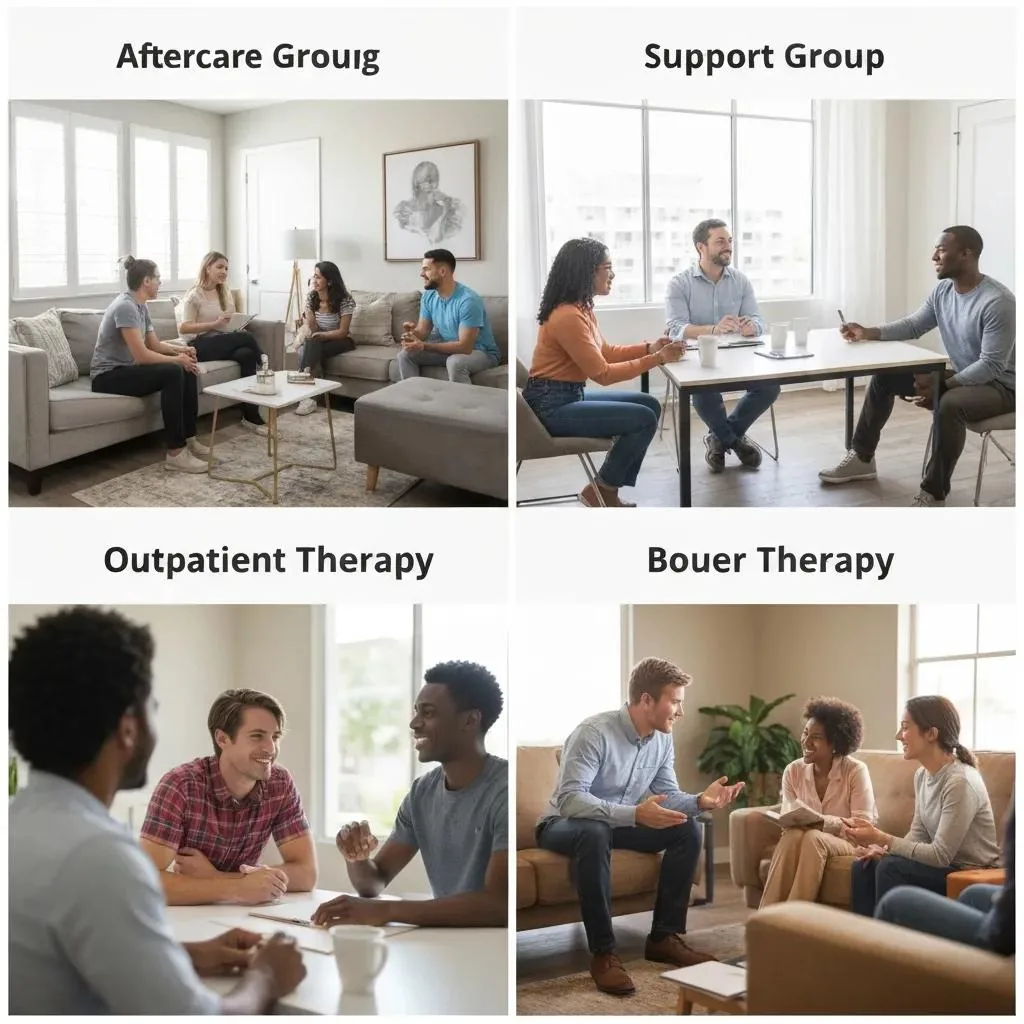
Aftercare in Las Vegas covers a continuum from clinically structured programs to community-based peer supports. Each option differs in intensity, frequency, and purpose. Matching program type to clinical severity, co-occurring mental health conditions, housing stability, and work or family responsibilities will help decide whether an Intensive Outpatient Program (IOP), Partial Hospitalization Program (PHP), sober living home, or peer-support group is the best next step.
Quick comparison of common aftercare program types and what participants can expect.
This comparison clarifies how each aftercare option supports specific recovery goals and helps decide appropriate next steps. The following subsection explains the practical differences between IOP and PHP and how to evaluate fit.
How Do Intensive Outpatient Programs and Partial Hospitalization Programs Support Recovery?
Both IOP and PHP extend clinical care after inpatient treatment but differ in intensity and time commitment. PHP offers daily, hospital-like structure — therapy, medical review, and multidisciplinary teams — making it a good fit when close clinical observation is needed while someone lives at home. IOP delivers group therapy, individual counseling, relapse-prevention skills, and often medication management in fewer weekly sessions, allowing people to keep work or caregiving responsibilities. Choosing between them depends on clinical need, current risk, and practical constraints; the next subsection explains how sober living and support groups complement these programs.
What Role Do Sober Living Homes and Support Groups Play in Aftercare?
Sober living homes give a substance-free, peer-supported residence with house rules, chores, and shared accountability that ease the move from structured inpatient care to independent living. Support groups and alumni networks provide recurring peer contact, shared recovery principles, and social reinforcement that reduce isolation and maintain motivation. Together, stable housing and peer engagement let people practice relapse-prevention strategies in everyday life and provide immediate support when cravings or stress arise. When choosing sober living, check rule enforcement, distance to work or supports, and whether the home matches the individual’s recovery stage.
How Does BetterChoice Treatment Center Integrate Aftercare Into Its Continuum of Care?
At BetterChoice Treatment Center we prioritize coordinated handoffs from medical detox and inpatient rehab to community aftercare. Discharge planning begins at intake and we maintain clinical oversight through trusted referral relationships. As a luxury detox and treatment facility in Las Vegas, BetterChoice delivers individualized treatment plans, holistic therapies, and 24/7 clinical support during acute care, then arranges transitions to appropriate outpatient providers and housing options. Our Joint Commission accreditation and Nevada Health Workforce certification support safe, consistent referral practices focused on continuity of care.
Below is a typical timeline for transitions from acute care to aftercare as part of coordinated discharge planning.
Structured handoffs like these reduce gaps in care and set clear expectations for people leaving acute treatment, making it easier to engage with ongoing supports quickly. The next sections describe specific aftercare services BetterChoice offers and how holistic and family-centered approaches are included in planning.
What Aftercare Services and Alumni Support Does BetterChoice Offer?
BetterChoice creates individualized discharge plans that identify suitable IOPs, sober living placements, and community support groups so clients leave inpatient care with scheduled follow-up and concrete referrals. We build partnerships with local providers to enable warm handoffs rather than passive recommendations. Our alumni outreach includes structured check-ins and group-based connections to keep former clients plugged into recovery communities and to provide resources when new challenges appear. These coordinated steps address common barriers to entering aftercare, such as lack of appointments, transportation problems, or uncertainty about next steps.
How Are Holistic Therapies and Family Involvement Incorporated in Aftercare?
We include holistic supports — mindfulness, movement or fitness programs, and nutrition guidance — in aftercare recommendations to bolster physical and mental wellness alongside therapy and medication management. Family involvement is woven into discharge planning through family therapy sessions, education on relapse triggers, and joint planning for boundaries and support. Bringing family members in early improves communication, sets realistic expectations, and helps create a home environment that supports relapse-prevention goals. The next major section offers evidence-based relapse-prevention strategies shaped for Las Vegas living.
What Are Effective Relapse Prevention Strategies for Sustained Sobriety in Las Vegas?

Relapse prevention blends trigger awareness, practical coping skills, ongoing clinical care, and steady peer or family support to lower the chance of returning to use. Effective plans are personalized: they list high-risk situations, name immediate coping steps, identify specific contacts for help, and set a schedule for therapy and meeting attendance. In Las Vegas, prevention planning also includes environmental strategies — avoiding risky venues, securing safe housing, and maintaining daytime routines — to offset frequent exposure.
The table below matches common triggers to prevention strategies and concrete examples so you can build a quick-reference plan.
This quick-reference format turns risks into concrete, time-bound actions that can be used in the moment. The following subsections offer worksheets and describe the key supports that sustain prevention efforts.
How Can Individuals Identify Triggers and Develop Coping Skills?
Start by keeping a structured trigger log that records cravings, mood shifts, social contexts, and environmental cues that precede use, then rank those items by how often and how strongly they occur. Coping skills include cognitive-behavioral tools such as urge-surfing, thought-challenging, and healthy substitutions like exercise or calling a peer. Practicing skills in low-risk situations builds confidence. Create an emergency plan with three people to call, a nearby safe place, and step-by-step actions to delay use — turning abstract strategies into immediate steps during high-risk moments. Reviewing the log regularly with a therapist or case manager lets you update strategies as patterns change.
What Support Systems Are Critical for Preventing Relapse?
Relapse prevention depends on complementary supports: clinical care (therapy, medication management), peer support (mutual-help groups, alumni networks), and practical supports (stable housing, employment assistance). Clinicians address psychiatric symptoms and medication needs while peers offer lived-experience guidance and everyday accountability. Practical supports reduce stressors that often trigger relapse — housing and job stability make clinical and peer engagement easier to sustain. Strengthening each area by scheduling appointments, committing to meetings, and securing housing creates overlapping protections against relapse.
How Can You Choose the Right Aftercare Program in Las Vegas for Long-Term Sobriety?
Choosing aftercare means matching clinical intensity, location, accreditation, family-involvement options, and cost with real-life logistics. Use a structured checklist to compare programs and spot red flags like absent clinical oversight or weak follow-up. The list below outlines core criteria to evaluate aftercare providers in the Las Vegas area.
- Clinical Oversight: Confirm licensed clinical and medical staff supervise the program and that medication management is available when needed.
- Intensity & Flexibility: Pick a program schedule that fits work and family responsibilities while meeting clinical needs.
- Accreditation & Transparency: Prefer providers with recognized accreditation and clear service descriptions and expected outcomes.
- Housing & Logistics: Check proximity to sober living, transportation options, and supports that help maintain employment.
- Family Integration: Look for programs offering family therapy or education as part of the care plan.
This checklist helps you ask focused questions during intake and compare options objectively. The next subsection points to trusted local resource types and verification steps.
What Factors Should You Consider When Evaluating Aftercare Options?
Prioritize accreditation, clear clinical oversight, measurable outcomes, and transition plans that include scheduled follow-up and community referrals. Verify insurance coverage and ask about sliding-scale or payment assistance if cost is a concern. Check whether providers have established partnerships with sober living homes and local IOP/PHP programs to enable warm handoffs rather than passive referrals. Finally, ask about alumni supports and ongoing monitoring — programs that document active follow-up usually show better long-term engagement.
Where Can You Find Trusted Aftercare Resources and Support in the Las Vegas Valley?
Trusted resources include state behavioral health directories, certified treatment providers, community recovery organizations, and mutual-help networks that publish meeting schedules and contact information. Use accreditation and verified partnerships as primary quality signals, and request intake and discharge-planning examples to see how transitions are handled. BetterChoice Treatment Center can help people leaving inpatient care by coordinating referrals and scheduling first follow-up appointments as part of discharge planning. The next section looks at the role family and community play in strengthening aftercare results.
Why Is Family and Community Support Vital in Las Vegas Aftercare?
Family and community support supply practical help, emotional encouragement, and a dependable network of accountability that lower relapse risk and accelerate social reintegration after treatment. Effective family involvement includes education about addiction, clear boundary-setting, and structured family therapy to repair relationships and create coordinated relapse-prevention plans. Community supports — peer groups, alumni networks, faith-based organizations, and volunteer opportunities — offer purpose, connection, and regular social contact that replace substance-centered activities. The next subsections describe family therapy methods and ways to weave community networks into daily recovery routines.
How Does Family Therapy Enhance Aftercare Outcomes?
Family therapy improves outcomes by strengthening communication, reducing enabling behaviors, and setting clear expectations and boundaries that limit triggers at home. Approaches like behavioral couples therapy and multi-family groups target interaction patterns that can either support or undermine recovery and often produce measurable improvements in adherence to aftercare plans. Involving family members in discharge planning and setting relapse-prevention goals helps align daily routines with recovery objectives and clarifies who does what in a crisis. Families that learn to spot early warning signs and use agreed-upon contingency plans create a safer environment for sustained sobriety.
What Community and Peer Networks Strengthen Long-Term Recovery?
Peer networks — AA, NA, SMART Recovery, alumni groups, and volunteer recovery organizations — provide routine social connection, role models in long-term recovery, and practical help like sponsorship and shared-housing leads. Community groups often offer sober social events, job-readiness workshops, and housing resources that help rebuild meaningful daily structure outside of treatment. To integrate these networks into aftercare, commit to a meeting schedule, identify two to three dependable peer contacts, and plan regular volunteer or community activities that reinforce a recovery identity. For those leaving inpatient care, BetterChoice can coordinate introductions to local peer groups and alumni events as part of referral planning.
If you need direct help with aftercare planning or referrals in Las Vegas, BetterChoice Treatment Center offers coordinated discharge planning and warm handoffs to local IOPs, sober living providers, and community groups from our Las Vegas location. You can reach the center by phone at (725) 299-4777 or visit us at 198 Ebb Tide Cir, Las Vegas, NV 89123 to ask about aftercare coordination and scheduling a first step. Expect an initial follow-up that reviews discharge goals, identifies preferred outpatient providers, and schedules a first appointment — typically within the first week after discharge when possible — to reduce gaps in care and support early engagement.
Frequently Asked Questions
What is the importance of ongoing support in addiction recovery?
Ongoing support keeps recovery on track. Regular contact with therapists, peer groups, and family strengthens coping skills, provides accountability, and helps you manage new challenges before they become crises. In a place like Las Vegas, where temptations are common, a steady support network is especially important for long-term success.
How can individuals effectively manage triggers in a high-risk environment like Las Vegas?
Managing triggers starts with planning. Identify situations that spark cravings and create concrete steps to avoid or cope with them — schedule sober activities, set boundaries with high-risk friends, and use emergency contacts. Mindfulness and ongoing therapy build resilience so you can handle environmental pressures more effectively.
What role does family involvement play in aftercare programs?
Family involvement is a vital part of aftercare. Bringing family into therapy and education improves communication, reduces enabling behaviors, and helps set healthy boundaries. When families work from the same plan, they can better support recovery and respond quickly if warning signs appear.
How can someone assess the quality of an aftercare program?
Look for accreditation and licensing, clear clinical oversight, and staff qualifications. Review the program’s structure, flexibility, and the services offered, such as therapy and peer support. Ask about outcomes, read former clients’ feedback, and confirm how transitions and follow-up are managed.
What are some common barriers to accessing aftercare services?
Common barriers include cost, transportation, and limited program availability that fits personal needs. Insurance coverage gaps and geographic limits can also make access difficult. Address these barriers by exploring sliding-scale fees, community resources, and local support organizations that can help bridge gaps.
How can individuals stay motivated during their recovery journey?
Staying motivated comes from setting realistic goals, attending regular support meetings, and building healthy routines. Activities like exercise, mindfulness, and hobbies boost wellbeing and reduce stress. Celebrate milestones, however small — they reinforce progress and keep you moving forward.
What should someone do if they experience a relapse?
If a relapse happens, respond with compassion, not shame. Reach out to your support network — a therapist, sponsor, or trusted friend — and review what led to the relapse. Update your recovery plan, reconnect with treatment or support groups, and use the experience to strengthen your relapse-prevention strategies.
Conclusion
Aftercare programs in Las Vegas are a critical part of long-term sobriety. They provide structured supports, practical tools, and community connections tailored to each person’s needs so recovery can endure in a high-risk environment. Taking the next step — whether exploring IOP/PHP options, sober living, or peer supports — is essential. If you’re planning aftercare, reach out to local providers or contact BetterChoice to discuss options and start building a sustainable recovery plan.