

Housing Resources in Las Vegas for Recovery: A Practical Guide to Sober Living and Transitional Housing
Recovery housing covers a range of safe, substance‑free living options and community supports for people leaving detox or formal treatment. Stable housing is one of the strongest protections against relapse. This guide explains why recovery housing matters, defines the main housing types available in Las Vegas, and outlines the usual pathways from medical stabilization to independent living. You’ll learn how inpatient residential care, sober living homes, transitional programs, and halfway houses differ in supervision, cost, and typical length of stay — plus practical steps that speed placement into affordable, supportive settings. We also cover complementary services like case management, employment help, and peer support that boost long‑term success, and we list immediate next steps families and individuals can take. Throughout, common search terms such as affordable housing Las Vegas, recovery housing LV, and Las Vegas sober living programs are used to help you find and prepare for intake.
What Are the Key Types of Recovery Housing Available in Las Vegas?
Recovery housing in Las Vegas spans several residential models that differ by clinical oversight, daily structure, and usual stay length. Knowing these differences helps match someone’s needs to the right setting and sets clear expectations about rules, costs, and supports. The main categories are inpatient residential treatment for medically supervised care, sober living homes focused on peer accountability, transitional housing that teaches independent‑living skills, and halfway houses that often support court‑ordered or structured reintegration. Understanding this spectrum also clarifies eligibility and what each setting prioritizes — which speeds placement and improves outcomes.
The primary housing types are:
- Inpatient residential treatment: Medically supervised care with structured therapy and discharge planning.
- Sober living homes: Peer‑managed residences that emphasize abstinence, rent contribution, and meeting attendance.
- Transitional housing: Time‑limited programs focused on life skills, employment, and help finding permanent housing.
- Halfway houses: More structured placements with closer supervision, often linked to criminal justice or mandated programs.
These options form a continuum from high clinical support to greater independence. Choosing the right entry point depends on recent clinical needs and housing stability; the sections below break down what inpatient and sober living look like day to day.
How Does Inpatient Residential Treatment Provide a Foundation for Recovery?
Inpatient residential treatment offers a therapeutic, medically supervised environment that stabilizes people at high risk of relapse. Intake usually starts with an assessment and medical clearance to determine the need for detox. Clinical teams then deliver scheduled individual therapy, group work, medication management when indicated, and psychoeducation. A typical inpatient stay begins with stabilization, moves into focused therapeutic work, and ends with collaborative discharge planning that arranges follow‑up care, housing referrals, and community supports. This intensive structure reduces immediate relapse risk and creates a coordinated handoff to lower‑intensity housing or outpatient care — making inpatient treatment an important step in a staged recovery pathway.
What Are Sober Living Homes and Their Benefits in Las Vegas?
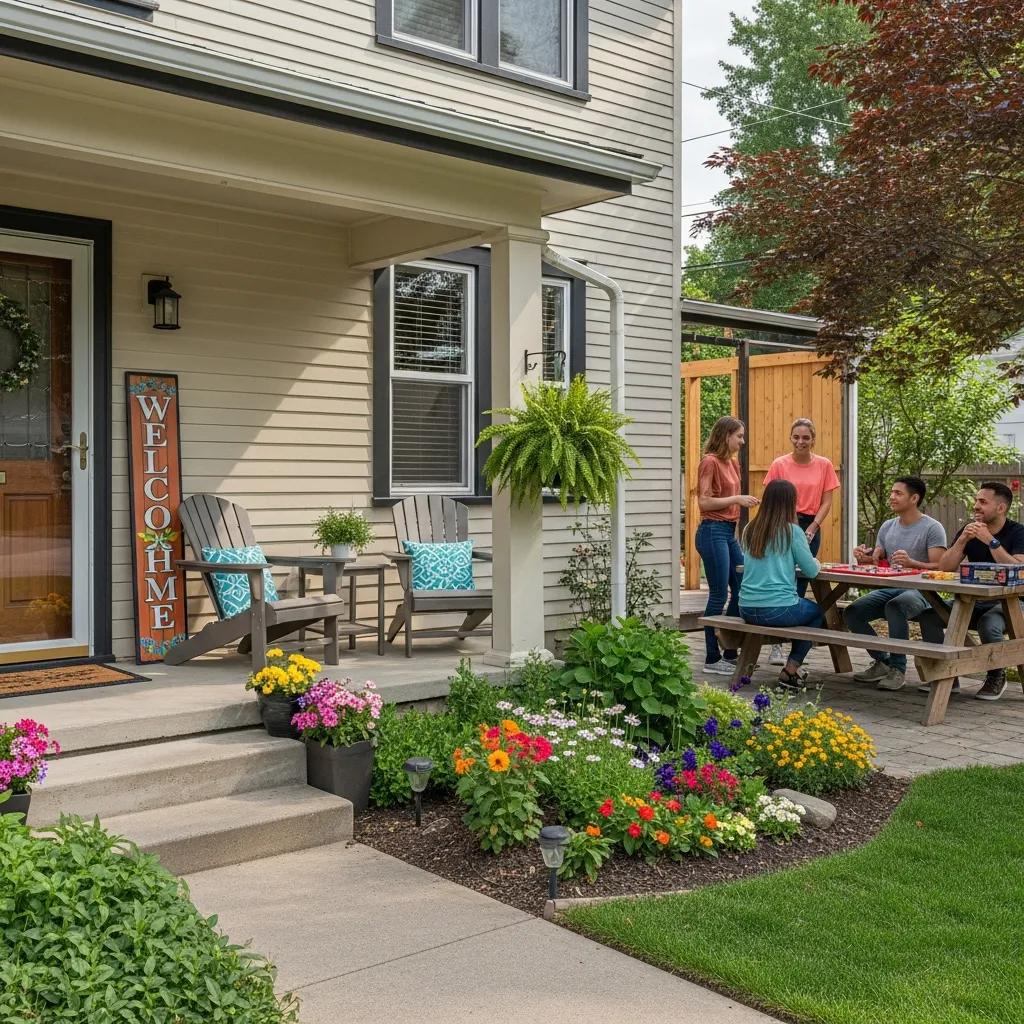
Sober living homes are shared residences where residents commit to sobriety, share household chores, attend meetings, and practice growing independence while tapping community supports. Supervision is usually peer‑based or provided by a house manager rather than clinical staff, and common rules include drug testing, curfews, and required meeting attendance to keep accountability and a recovery culture. Benefits include lower cost than clinical residential care, daily peer support that models recovery, and a chance to ease into work and independent tenancy while continuing outpatient treatment. People enter sober living through self‑admission, referrals from treatment programs, or coordinated discharge planning. Visiting a home and talking with current residents is one of the best ways for families to assess fit.
This side‑by‑side view highlights how supervision, duration, and financing differ across options and helps you prioritize the setting that fits clinical stability and budget. Next, we outline practical search and intake steps for affordable placements.
After reviewing housing types, many families and individuals need help finding an available inpatient bed or arranging discharge planning. Local treatment centers often coordinate placements and referrals. Some providers operate inpatient residential housing that bridges medical stabilization and community recovery housing, offering intake assessments and next‑step referrals. Contacting an intake coordinator early clarifies medical needs, timelines, and whether insurance or other payment options apply. These placement conversations typically cover current housing status, clinical history, and immediate safety concerns — details that speed appropriate matches.
How Can You Find Affordable and Supportive Recovery Housing in Las Vegas?
Finding affordable, supportive recovery housing in Las Vegas takes a focused search: identify local options, call programs to confirm openings and house rules, verify payment or insurance arrangements, and tour homes before committing. Start with a checklist of priorities — gender‑specific houses, distance to work or meetings, and needed services — to narrow your list and save time. Because many programs use waiting lists, call multiple providers, ask about short‑term alternatives, and use community resources like state referral lines to speed placement. This practical approach reduces time spent in unstable settings and raises the chance of a long‑term match.
Use this step‑by‑step method to find openings quickly:
- Search and list: Identify local inpatient, sober living, and transitional programs that meet your basic criteria.
- Call and verify: Confirm current openings, house rules, and required intake documents.
- Confirm payment: Ask about insurance acceptance, sliding‑scale fees, or subsidized beds.
- Visit and assess: Tour the property, meet managers, and observe resident interaction before deciding.
Following these steps clarifies the path from inquiry to move‑in and reduces surprises at intake. The table below gives quick intake and payment cues for common provider types.
Quick reference: this table helps prioritize initial calls and payment questions for different program types in Las Vegas, focusing on intake steps and likely payment arrangements.
This table shows that inpatient care usually involves insurers, while sober living depends more on resident rent or program subsidies. Next, we list lower‑cost sober living options and how to check them quickly.
What Affordable Sober Living Options Exist for Recovering Addicts?
Affordable sober living in Las Vegas often includes gender‑specific homes, houses with sliding‑scale rents, and programs that reserve subsidized or court‑mandated beds. Community operators may charge lower monthly rates but expect residents to pay rent and share household duties, while non‑profit transitional programs may combine housing with case management to lower out‑of‑pocket costs. To find openings quickly, call multiple houses, ask about move‑in fees versus ongoing rent, and request the house manager’s vacancy timeline. Also ask whether the program partners with treatment providers for referrals that can unlock subsidized slots. Visiting and confirming written house rules helps protect residents and families from unexpected costs or obligations.
How Does Insurance Coverage Support Housing for Addiction Recovery?
Insurance most commonly covers clinical parts of addiction care — detox, inpatient treatment, outpatient therapy — and less often pays for non‑clinical housing like sober living or transitional residences. To verify coverage, request a benefits check from your insurer, ask providers about pre‑authorization for inpatient stays, and get written explanations of benefits (EOBs) for any services billed to insurance.
Four practical verification steps are:
- Confirm plan name and network
- Ask about inpatient/residential coverage specifics
- Request pre‑authorization procedures
- Get written confirmation of covered services and patient responsibility
Common insurers that frequently coordinate benefits for treatment include Magellan Health, TRICARE, Aetna, Anthem, Blue Cross Blue Shield, Beacon Health Options, Cigna, and EmblemHealth — but coverage varies by plan and service. These checks reduce surprise bills and speed authorization for inpatient placements. The next section outlines support services that should accompany housing to improve long‑term stability.
What Support Services Complement Housing for Long-Term Recovery in Las Vegas?
Wraparound services — case management, employment assistance, outpatient therapy, medication management, and peer recovery supports — work alongside housing to lower relapse risk and build stability. Case managers help coordinate benefits, gather documentation, and link residents to job training and public benefits. Employment programs offer resume help, job referrals, and interview coaching to restore income and routine. Clinical care, including outpatient therapy and medication‑assisted treatment, addresses ongoing medical needs that housing alone cannot solve. Peer recovery groups and 12‑step participation provide daily accountability and social connection. When these services are part of discharge planning, housing placements are connected to a broader support network that helps residents reach recovery goals.
- Case management coordinates appointments, benefits, housing searches, and community referrals.
- Employment assistance provides job‑readiness training, placement referrals, and follow‑up support.
- Peer support links residents to 12‑step meetings, sponsors, and recovery community organizations for ongoing accountability.
These services reduce barriers to stable housing and improve long‑term recovery odds. The next subsection explains how peer support and meetings are typically used inside recovery homes.
How Do Case Management and Employment Assistance Enhance Recovery Housing?
Case management smooths housing transitions by assessing needs, arranging paperwork, and connecting residents to benefits and community supports that reduce housing instability. Typical steps include intake assessment, goal setting, referrals to employment or vocational services, and follow‑up to track progress and adjust plans. Measurable goals often include securing benefits, completing job training modules, and scheduling interviews. Employment assistance ranges from resume coaching to placements with partner employers; restoring income and routine supports sobriety. When case managers and employment staff work with housing providers, residents benefit from smoother transitions and better long‑term housing outcomes.
What Role Do 12-Step Meetings and Peer Support Play in Recovery Homes?
Peer support and 12‑step meetings create social accountability, practical guidance, and a recovery network residents rely on while they build independent living skills. Houses often require meeting attendance, sponsor relationships, or in‑house peer groups that reinforce sober norms and offer immediate help with triggers and stressors. You can find local meetings through community boards, meeting‑finder apps, or referrals from house managers and clinicians. Pairing peer support with clinical therapy gives a balanced approach to recovery. Built into house routines, peer support adds predictability and connection that reduce isolation and relapse risk during the critical early months after treatment.
These community connections lead naturally into how local providers coordinate housing referrals and how treatment centers support placement and discharge planning.
How Does BetterChoice Treatment Center Integrate Housing Resources into Recovery?
BetterChoice Treatment Center offers structured inpatient residential care and coordinates discharge planning and housing referrals as part of a full continuum of care. The center performs intake assessments, provides on‑site clinical stabilization, and works with external sober living operators and transitional programs to find the right next step for each patient. For families exploring placement, BetterChoice can help coordinate conversations that clarify clinical needs and identify housing matches — and inquiries often begin with a phone intake to discuss medical and social needs. This overview explains how an inpatient program fits into the local housing ecosystem, not as a substitute for verifying individual programs.
What Makes BetterChoice’s Inpatient Program Unique in Las Vegas?
BetterChoice’s inpatient program blends residential living with structured clinical care from a multidisciplinary team. Program features include evidence‑based therapies, supervised medication management when needed, and coordinated discharge planning for housing referrals. Regional accreditations and recognitions for similar providers include entities like Nevada’s Health Workforce, LegitScript, and The Joint Commission. The center accepts many major insurers that commonly cover clinical inpatient services — examples include Magellan Health, TRICARE, Aetna, Anthem, Blue Cross Blue Shield, Beacon Health Options, Cigna, and EmblemHealth. This clinical and administrative coordination helps make inpatient stays medically appropriate and ensures documented handoffs to community housing or outpatient care at discharge.
How Does BetterChoice Guide Patients Through the Continuum of Care?
Guidance typically follows intake assessment, inpatient stabilization with daily therapy, individualized discharge planning, and referrals to sober living or transitional housing coordinated with case managers. Families preparing for placement should have identification, insurance information, and a recent clinical summary ready for intake calls. You can call the center to start referrals or ask about care coordination. Discharge planning focuses on connecting patients to local recovery supports and verifying housing rules before move‑in to reduce abrupt transitions. These steps prepare patients for the next stage of recovery and clarify responsibilities for providers and families.
What Are Transitional Housing Options for Addiction Recovery in Nevada?
Transitional housing programs in Nevada offer time‑limited residences that emphasize life skills, increasing responsibilities, and connections to employment and permanent housing — rather than round‑the‑clock clinical services. These programs usually include case management, budgeting and tenancy training, and structured expectations that prepare residents for independent living. Typical durations range from a few months to a year depending on program rules and funding. Transitional housing differs from sober living by placing stronger emphasis on skill‑building and case management, and it differs from inpatient care by not providing constant clinical monitoring. Knowing these distinctions helps people choose programs that match their readiness for independence and available supports.
Transitional programs usually prioritize documented readiness and a clear plan for independent housing; the next subsection describes the key skills taught and how they support the move to independence.
How Does Transitional Housing Support the Move to Independent Living?

Transitional housing teaches practical skills — budgeting, cooking, tenancy responsibilities, and job readiness — while gradually increasing resident responsibilities. Many programs use a phased model: residents start with more structure and earn autonomy by meeting goals like steady employment, regular meeting attendance, and following house rules. Timeframes vary, but programs often allow several months for employment and housing plans to develop. Case managers typically help residents apply for long‑term subsidies or private rentals. These skill‑building steps reduce the risk of housing crises after move‑out and support sustainable tenancy.
What Are the Eligibility and Application Processes for Transitional Housing?
Eligibility commonly includes proof of sobriety or treatment engagement, identification, basic income verification, and sometimes a background check; programs often ask for a referral from a treatment provider or case manager. The application flow usually includes submitting documentation, an interview or assessment, being placed on a wait list if needed, and a move‑in date when a slot opens. Wait times depend on demand. Families can help by preparing IDs, treatment summaries, and proof of income or benefits, and by staying in contact with program case managers to keep applications active. Clear documentation and active case management shorten wait times and improve placement success.
Completing the application process links residents to community resources and positions them for a stable housing transition. The final section answers common questions families and individuals ask about recovery housing.
What Are Common Questions About Recovery Housing in Las Vegas?
Common concerns include cost differences, supervision levels, safety, and how families can quickly find the right program. Clear, direct answers ease confusion and speed decision‑making.
Below are concise, actionable responses to frequently asked questions to help you compare options and prepare for intake conversations.
- How much does recovery housing cost in Las Vegas?: Costs vary by type — sober living is usually rent‑based and lower, transitional programs may be subsidized, and inpatient clinical stays are often billed to insurance.
- Can insurance pay for sober living?: Insurance commonly covers clinical services like detox or inpatient treatment but rarely pays directly for non‑clinical sober living; always verify benefits and get written confirmation.
- Is sober living the same as a halfway house?: No. Sober living is usually voluntary and peer‑managed; halfway houses are more structured and often tied to legal requirements or mandated programs.
These brief answers point families toward immediate next steps such as benefits verification and house visits. The sections below offer sharper comparisons and a family‑focused checklist.
What Is the Difference Between a Halfway House and a Sober Living Home?
Halfway houses usually provide a more structured, sometimes mandated environment with closer oversight, set curfews, and formal reporting to referring agencies. Sober living homes tend to be voluntary, peer‑led, and focused on mutual accountability and community integration. Halfway houses often serve people transitioning from the criminal justice system and may have stricter supervision and reporting requirements. Sober living emphasizes resident responsibilities like rent and meeting attendance and offers more flexible stays tied to readiness for independent living. Knowing these operational differences helps families select a setting that matches legal status, supervision needs, and recovery goals.
How Can Families Find the Right Housing Resources for Their Loved Ones?
When evaluating options, families should prioritize safety checks, written house rules, clarity about the house manager’s responsibilities, and transparent payment terms. Prepare a short script for initial calls that covers availability, rules, costs, and move‑in timelines. A practical call script should include the prospective resident’s age, recent treatment or medical needs, desired move‑in date, and questions about rules and supports. Ask for a walk‑through or to speak with current residents.
During visits, observe resident interactions, cleanliness, and whether case management or clinical referrals are integrated. Make sure written agreements spell out expectations for both resident and provider. These steps reduce surprises and make a successful placement more likely.
Families who prepare documents, ask targeted questions, and verify supports during visits improve placement success and lower the risk of housing breakdowns. Taking these actions now turns uncertainty into a clear plan.
Frequently Asked Questions
What is the typical duration of stay in sober living homes?
Stays in sober living homes vary by individual needs. Typically residents remain for several months up to a year. This flexible timeframe lets people build skills and confidence at their own pace before moving to independent housing. Many homes encourage residents to stay until they feel stable in both sobriety and daily responsibilities.
Are there specific eligibility requirements for transitional housing?
Yes. Transitional housing programs often require proof of sobriety or engagement in treatment, identification, and sometimes income verification. Many programs also request a referral from a treatment provider or case manager. The application usually includes documentation, an interview or assessment, and a wait list when demand is high. Meeting these requirements helps ensure residents are ready for structured support.
How can families support their loved ones during the recovery housing search?
Families can be a vital resource by gathering necessary documents (ID, treatment summaries), keeping in touch with case managers, researching options, visiting facilities together, and asking focused questions about rules, costs, and supports. Emotional encouragement and practical help navigating the process make transitions smoother and increase the chance of a good match.
What types of support services are available alongside recovery housing?
Recovery housing often pairs with case management, employment assistance, outpatient therapy, medication management, and peer recovery supports. These services help residents access benefits, find work, manage mental health or medication needs, and stay connected to recovery communities — all of which support longer‑term stability.
How do sober living homes ensure accountability among residents?
Sober living homes promote accountability with clear house rules, shared responsibilities, regular meetings, and peer support. Residents typically join chores, attend recovery meetings, and follow curfews or testing policies. Peer‑led supervision encourages residents to support one another and maintain a recovery‑focused community.
What should individuals look for when visiting potential sober living homes?
When visiting, look for cleanliness, safety, and a calm, respectful atmosphere. Watch how residents and staff interact and ask about house rules, support services, and expectations. Speaking with current residents gives real insight into daily life and whether the home supports long‑term recovery.
Can individuals transition directly from inpatient treatment to sober living?
Yes. Transitioning from inpatient treatment to sober living is a common and often effective pathway. Many treatment centers include discharge planning that refers patients to sober living homes to keep recovery momentum going. This continuity helps people apply skills learned in treatment while re‑entering community life with structure and support.
Conclusion
Recovery housing in Las Vegas can be a vital step toward lasting sobriety and a stable future. By understanding the different housing options and the support services that accompany them, families can make better‑informed decisions and improve outcomes. Take practical steps now: research local programs, verify eligibility and payment, and visit potential homes. Reach out to local housing programs or treatment centers today to start your path to sustained recovery.