
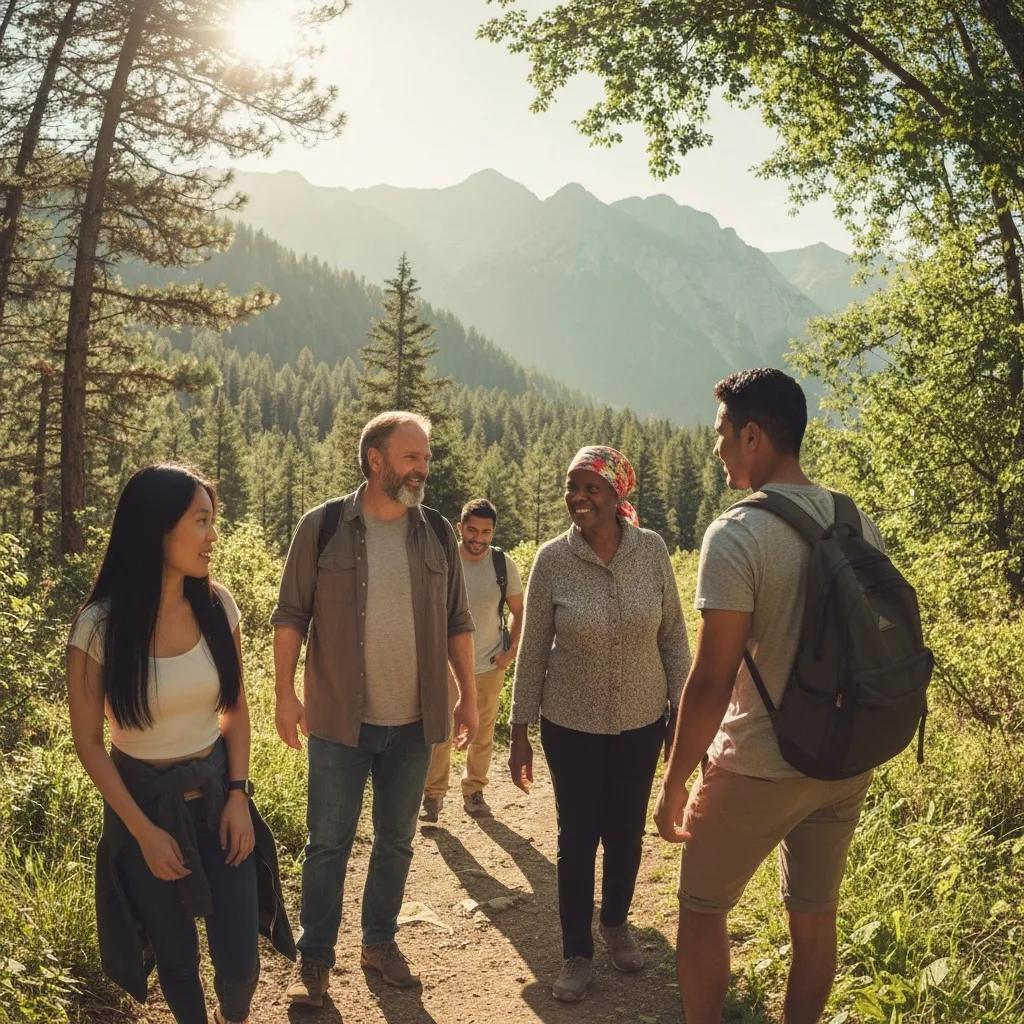
Hiking for Mental Clarity in Recovery: How Time Outdoors Supports Sobriety and Well‑Being
Hiking pairs purposeful movement with time in nature to lower stress and clear the mind — two important supports while recovering from addiction. This guide covers how guided hikes, mindful nature walks, wilderness and eco‑therapy, and graduated outdoor exercise help with emotional regulation, craving management, and cognitive recovery. You’ll find practical steps for using hiking across detox, residential, outpatient, and counseling settings, safety notes for medically vulnerable people, and ways families can offer low‑pressure support. We map biological and psychological mechanisms (endorphin release, cortisol reduction, attention restoration) to session structure, intake checks, and measurable outcomes — and end with clear next steps for finding local support in Nevada.
What mental‑health benefits does hiking therapy offer during addiction recovery?

Hiking therapy blends aerobic activity, time in natural settings, and therapeutic framing to produce reliable mental‑health gains for people in recovery. These benefits come from physical pathways (lowered cortisol, shifts in endorphins and serotonin) and cognitive processes (attention restoration, better working memory). Short nature exposure — even 10–20 minutes — can reduce stress markers, while regular moderate exercise over weeks supports mood stability and resilience. In practice, hiking can reduce anxiety, lift mood, weaken craving intensity, strengthen executive control, and complement counseling to lower relapse risk. Below we unpack the key mechanisms and summarize clinical evidence in an accessible format.
Hiking therapy produces several core benefits that matter for recovery:
- Stress reduction: Time in nature lowers physiological stress and anxious feelings.
- Mood support: Moderate exercise promotes endorphins and serotonin, improving mood.
- Clearer focus: Attention restoration eases cognitive fatigue and “brain fog.”
- Craving interruption: Movement and sensory grounding break automatic craving cycles.
- Greater resilience: Repeated small wins build self‑efficacy and coping skills.
These changes show up as better engagement in therapy and clearer decision‑making when temptation appears.
Different benefits operate on different timelines; the table below links each outcome to its likely mechanism and typical evidence.
This quick summary shows how hiking’s effects can guide program design and measurable goals.
How does hiking improve mental clarity and cognitive function?
Hiking sharpens thinking by increasing cerebral blood flow, shifting mood‑related neurotransmitters, and restoring attention through low‑stimulus natural settings. Aerobic movement boosts oxygen delivery and prompts endorphin and serotonin changes that help mood and cognition. Attention Restoration Theory explains how gentle sensory engagement replenishes executive resources. Practically, people report clearer decision‑making and less “brain fog” after regular short sessions, which supports better participation in therapy and daily tasks. That’s why structured hikes often include cognitive prompts and reflective debriefs to link experience with recovery goals.
What role does outdoor activity play in lowering stress and anxiety?
Exercise in nature reduces stress by combining the calming signals of the environment with the anxiety‑reducing effects of movement. Moderate hikes raise heart rate enough to trigger endorphins without overtaxing the body, while scenic views reduce rumination and physiological arousal. Clinical programs screen for withdrawal and medical stability before introducing outdoor activity; with proper monitoring, graded hikes safely lower anxiety and improve sleep and mood. The next section covers how programs can operationalize these benefits.
Research shows nature‑based experiences can help reduce cravings and support overall well‑being during addiction treatment.
Nature‑based experiences lowered cravings and improved well‑being in inpatient settings
Study: Nature‑based experience in the Venetian lagoon — effects on craving and wellbeing among residential inpatients
How is hiking used in addiction recovery programs at BetterChoice Treatment Center?
Hiking can be woven into every level of care when it’s aligned with medical safety and therapeutic goals — from short, supervised nature walks during early stabilization to purpose‑driven group hikes in residential or outpatient programs. In accredited centers that combine evidence‑based treatment with holistic supports, outdoor activities are scheduled with input from medical and counseling teams to reinforce recovery milestones. Integration steps include medical screening and clearance, individualized risk assessment, coordination with daily therapy, and trained staff oversight on outings. The table below compares how hiking typically fits into common program types.
The table helps teams and clients see where hiking fits across the care continuum.
When hiking is integrated clinically, programs prioritize staff training, safe route planning, and confidentiality during outdoor sessions. Typical intake steps for participation include confirming medical stabilization, signing an activity consent, a basic mobility check, and clinical coordination regarding medications or withdrawal risk. Timelines vary: detox participants may start with seated nature exposure, inpatient clients often move to group hikes in the first weeks, and outpatients use hikes as ongoing relapse‑prevention practice. These steps keep hiking aligned with safety and individual needs.
What happens during a typical hiking therapy session?
Sessions usually begin with a clinical pre‑screen and safety briefing, follow a planned route that includes therapeutic exercises, and end with a reflective debrief tying the experience to treatment goals. Length typically ranges from 45 to 90 minutes depending on fitness and program stage, with checkpoints for hydration and medication. Larger groups include a licensed clinician plus trained outdoor staff. Therapeutic tools may be grounding exercises, paced breathing, mindfulness prompts, and group processing questions that map back to skills taught in counseling. The final debrief highlights takeaways and sets a concrete plan to practice between sessions.
How does BetterChoice personalize outdoor therapy for each person?
Personalization starts with a clinical assessment covering medical stability, co‑occurring mental health concerns, mobility, and recovery goals — then activity, pace, and group placement are tailored accordingly. Clinicians work with activity leaders to adjust route difficulty, group size, and therapeutic prompts; alternatives include shorter walks, seated nature practices, or solo reflection. For clients with anxiety or trauma, sessions emphasize predictable structure and grounding; clients further along may choose challenge‑based hikes to build mastery. Privacy, informed consent, and medication coordination are reinforced to reduce physical risk during activity.
What are mindful nature walks and how do they help sobriety and emotional regulation?

Mindful nature walks are slow, intentional outings that combine sensory attention, breath work, and cognitive reframing to interrupt cravings and improve emotional regulation. The practice uses present‑moment focus on sight, sound, and touch to reduce rumination and automatic reactivity. Unlike recreational hikes, mindful walks have an explicit therapeutic frame: prompts, anchors, and a debrief that link the in‑moment practice to coping strategies used in counseling. Regular practice helps people notice urges without acting on them and builds the pause needed for healthier choices. The techniques below are simple, evidence‑informed, and easy to scale for individuals or groups.
Common mindful walking techniques that help break automatic craving patterns:
- Breath anchor: Use a steady 4‑4 rhythm (inhale 4, exhale 4) while walking to calm the body.
- Sensory scan: Name three nearby sounds and three visible colors to shift attention outward.
- Grounding contact: Notice the feel of your feet on the trail for 30 seconds to reorient the body.
Using these techniques during sessions helps people apply them later during high‑risk moments outside program hours.
How does mindful walking build presence and reduce cravings?
Mindful walking builds presence by pairing sensory anchors with the physical sensations of craving, creating a natural pause that stops escalation. Practices like breath anchoring, naming urges without judgment, and tracking bodily sensations activate top‑down control and reduce automatic reactions. Research suggests movement plus mindfulness increases engagement for people who find seated meditation difficult. Repeated, supervised practice strengthens pathways that support emotional regulation and decreases craving frequency and intensity over time. The next section offers practical tips for safe, effective practice at each recovery stage.
Practical tips for safe, effective mindful nature walks
Effective mindful walks combine safety planning, realistic goals, and repeatable techniques. Start short — 10–20 minutes — for those early in recovery; check hydration and medications; and pick predictable, low‑risk routes. Encourage a single intention for the walk (for example, “notice urges”) and have participants record brief insights in a recovery journal. Schedule walks after therapy or as part of a relapse‑prevention plan, and review the experience in counseling to reinforce learning. These steps make mindful walking a durable coping skill.
How do wilderness and eco‑therapy complement hiking in treatment?
Wilderness therapy and eco‑therapy expand hiking’s benefits by adding structured challenge, group processing, and meaning‑making that support resilience, social bonding, and identity change. Wilderness programs use longer, immersive expeditions and progressive challenges with guided reflection to boost self‑reliance and teamwork. Eco‑therapy focuses on stewardship and purposeful activity — like habitat restoration or gardening — to build routine, contribution, and values‑based motivation. Both approaches deepen lessons from shorter hikes and help clients build long‑term, recovery‑focused habits. Below we define each approach and summarize common outcomes.
What is wilderness therapy and what outcomes can it produce?
Wilderness therapy is an experiential model using extended outdoor expeditions, challenge tasks, and guided group processing to encourage behavioral change, independence, and relational skills. Typical outcomes include increased self‑efficacy, reduced risk factors linked to substance use, and improved problem solving. Evidence shows positive effects for certain populations — particularly adolescents and young adults — when safety, clinical oversight, and clear therapeutic goals are in place. Programs must assess medical and psychological readiness before enrollment to ensure participant safety.
How does eco‑therapy strengthen connection and purpose?
Eco‑therapy leans on biophilia and stewardship to help people rebuild purpose and identity through care for living systems. Activities like low‑impact habitat work or community gardening offer sustained opportunities for contribution, social reconnection, and values‑driven action — skills that support relapse prevention. The responsibility and patience developed through stewardship often translate into steady, supportive recovery habits. Programs that use eco‑therapy focus on skill transfer so clients can bring these habits into everyday life.
What physical wellness benefits does outdoor exercise provide in recovery?
Outdoor exercise supports physical health by improving cardiovascular fitness, regulating sleep, and balancing neurochemistry — all of which help sustain recovery. Hiking and progressive outdoor activities boost endorphins and metabolic health, which stabilize mood and lessen physiological vulnerability to stress‑triggered relapse. Safe implementation requires graded planning, medical screening during detox, and attention to medication effects on exertion. The table below compares activity types so clinicians and clients can choose appropriate options across fitness and stability levels.
Use this comparison to match activity to clinical status and plan progressive conditioning.
Some studies on altitude hiking report improvements in stress hormones and body composition among people recovering from addiction.
Altitude hiking linked to changes in stress hormones and body composition
Study: Effects of hiking at altitude on body composition and insulin sensitivity in recovering drug addicts
How does hiking trigger endorphins and lift mood?
Moderate, sustained hiking stimulates endorphin release and shifts neurotransmitters tied to positive mood and pain regulation. Those biochemical changes reduce perceived stress and help stabilize mood — which can lower the chance that negative feelings trigger relapse. Combining aerobic hiking with social support and a therapeutic frame magnifies mood benefits by merging biological effects with psychosocial connection. Clinicians should watch exertion levels and medication interactions so activity stays therapeutic, not destabilizing.
What safe outdoor activities suit all fitness levels?
Outdoor offerings can fit every fitness level — from brief sensory walks and seated nature observation to graded hikes, trail yoga, and stewardship tasks. Low‑intensity options work well during early detox; moderate activities suit stabilized clients seeking challenge and responsibility. Always require medical clearance when needed, match duration and terrain to ability, and increase intensity gradually to build confidence. Clear safety protocols and trained staff improve adherence and reduce risk.
How can families support loved ones with outdoor activities during recovery?
Families can help by offering gentle invitations to shared nature time, joining mindful walks, and using outdoor spaces as neutral ground to reconnect. These outings give low‑stakes chances to rebuild trust, model steady support, and practice new patterns outside triggering home environments. Family involvement should respect consent, program boundaries, and the client’s recovery stage — coordinating with treatment staff ensures activities reinforce therapy. The practical steps below offer compassionate ways families can encourage participation without coercion.
Simple, noncoercive steps families can take:
- Start small: Offer short, no‑pressure walks focused on connection rather than persuasion.
- Try shared mindfulness: Use two‑minute sensory exercises together to lower defensiveness and stay present.
- Coordinate with providers: Align family outings with clinical guidance and safety plans.
These approaches help families provide consistent, compassionate support while honoring autonomy and readiness.
What are the benefits of shared nature time for families?
Shared nature time lowers family stress and creates neutral space for rebuilding trust by focusing on simple, present‑moment tasks instead of heavy conversations. For the person in recovery, these outings model healthy social activity and provide supportive exposure to mild stressors. For family members, they offer chances to show reliability and care. Nature outings can be used as graded steps toward fuller family involvement and can be paired with family therapy to reinforce progress. Regular, low‑pressure nature time supports relational repair and creates positive memories not tied to substance use.
How can family members invite someone to join outdoor therapy?
Invite with gentle, practical offers and respect boundaries — begin with short walks and increase involvement as comfort grows. Try language like, “Would you like to join me for a fifteen‑minute walk this afternoon? No pressure — just some fresh air.” Always coordinate with treatment staff before joining formal therapeutic outings and prioritize consent, safety, and privacy. Consistent, simple invitations and reliable presence help rebuild trust without coercion.
To learn more about how outdoor activities fit into an evidence‑based recovery plan, reach out to BetterChoice Treatment Center. We help people in Nevada find the right level of care and explain intake steps for medical detox, inpatient rehab, outpatient programs, and counseling that include holistic options like yoga, sound baths, and guided outdoor work. Our Las Vegas location follows safety protocols, offers private rooms and 24/7 support, and runs supervised outdoor activities. Typical intake includes medical screening, insurance coordination, and a clinical assessment to match the right level of care. To discuss suitability and next steps, call BetterChoice Treatment Center at (725) 299-4777 or visit us at 198 Ebb Tide Cir, Las Vegas, NV 89123.
Frequently Asked Questions
What hiking activities are suitable for people in early recovery?
Early recovery calls for gentle, supervised options like short nature walks. These low‑intensity sessions improve circulation and provide grounding without overwhelming participants. Activities should match each person’s fitness and medical status; as stability improves, duration and complexity can increase to build confidence and resilience.
How can outdoor therapy be adapted for people with physical limitations?
Outdoor therapy can be adapted with seated nature observation, shorter routes, or minimal‑impact movement. A thorough mobility and health assessment guides safe adaptations. Mindfulness and sensory exercises can deliver therapeutic benefit even when physical activity is limited.
What role does social support play in hiking therapy?
Social support is a core element — group hikes create belonging, shared experience, and accountability. Working through challenges together builds trust and interpersonal skills that support long‑term recovery and motivation.
How can families join outdoor therapy sessions effectively?
Families should participate in low‑pressure shared experiences that prioritize connection. Coordinate with treatment staff to ensure involvement supports therapeutic goals. Simple activities like mindful walks or nature observation help rebuild communication and model healthy behaviors.
What long‑term benefits come from adding hiking into recovery programs?
Regular hiking supports physical health, emotional regulation, and resilience to cravings. It promotes endorphin release, improves sleep and mood, and teaches coping strategies and mindfulness that transfer to daily life — all of which reduce relapse risk over time.
How does mindfulness during hiking improve therapy?
Mindful hiking focuses attention on sensory experience and breath, helping people manage urges and anxiety in the moment. Techniques like breath anchoring and sensory scanning improve emotional regulation and strengthen the ability to respond thoughtfully to stressors instead of reacting.
What safety steps are important for hiking therapy?
Key safety steps include medical screening for physical readiness, monitoring for withdrawal symptoms, ensuring hydration, and choosing trails that match participants’ fitness. Trained staff, clear emergency procedures, and open communication about risks help create a secure environment for outdoor therapy.
Conclusion
Adding hiking to addiction recovery programs can improve emotional regulation, reduce cravings, and support physical health. Time outdoors often brings clearer thinking and a renewed sense of purpose that helps people stay on track. If you want to explore outdoor therapies, contact a local treatment provider for personalized guidance — and take one small step today toward a healthier, more grounded life.