
Heroin Rehab Program — Arts District, Las Vegas, Nevada: Comprehensive Recovery Solutions for Lasting Sobriety
Heroin rehab services in the Arts District of Las Vegas address opioid use disorder with coordinated medical care, evidence-based therapies, and individualized recovery planning. This page covers what heroin addiction is, how it affects people and the Arts District community, and the common, effective paths to recovery — including medically supervised detox, residential treatment, and step-down outpatient programs. You’ll find clear signs and symptoms to watch for, a practical detox timeline, the benefits of residential stabilization, how outpatient options like IOP and PHP differ, and concrete steps families can take to support a loved one. Clinical concepts such as medication-assisted treatment (MAT), CBT, and dual-diagnosis care are explained alongside intake and safety guidance so you can recognize when to get immediate help and how to connect with appropriate services. The focus stays local to Las Vegas and the Arts District while describing how BetterChoice Treatment Center organizes integrated care without making promotional claims.
What Is Heroin Addiction and How Does It Affect Individuals in Las Vegas?
Heroin addiction — known clinically as opioid use disorder — is a chronic, relapsing condition marked by compulsive opioid use despite harmful consequences. It changes brain circuits involved in reward, stress, and self-control, which makes quitting very difficult without support. On a biological level, opioid receptor changes and shifts in dopamine signaling cause tolerance and withdrawal, which often drive continued use. Treating these mechanisms with medication-assisted approaches and psychosocial therapies lowers the risk of death and improves daily functioning. In Las Vegas, rising opioid-related emergency visits and overdose deaths have increased demand for accessible treatment in neighborhoods like the Arts District, placing pressure on local health services. Understanding that local impact helps explain why coordinated care pathways — from detox to outpatient and residential services — matter for anyone pursuing sustained recovery here. The sections that follow list clinical signs for early recognition and summarize community-level effects to guide local responses and resource planning.
What Are the Signs and Symptoms of Heroin Addiction?
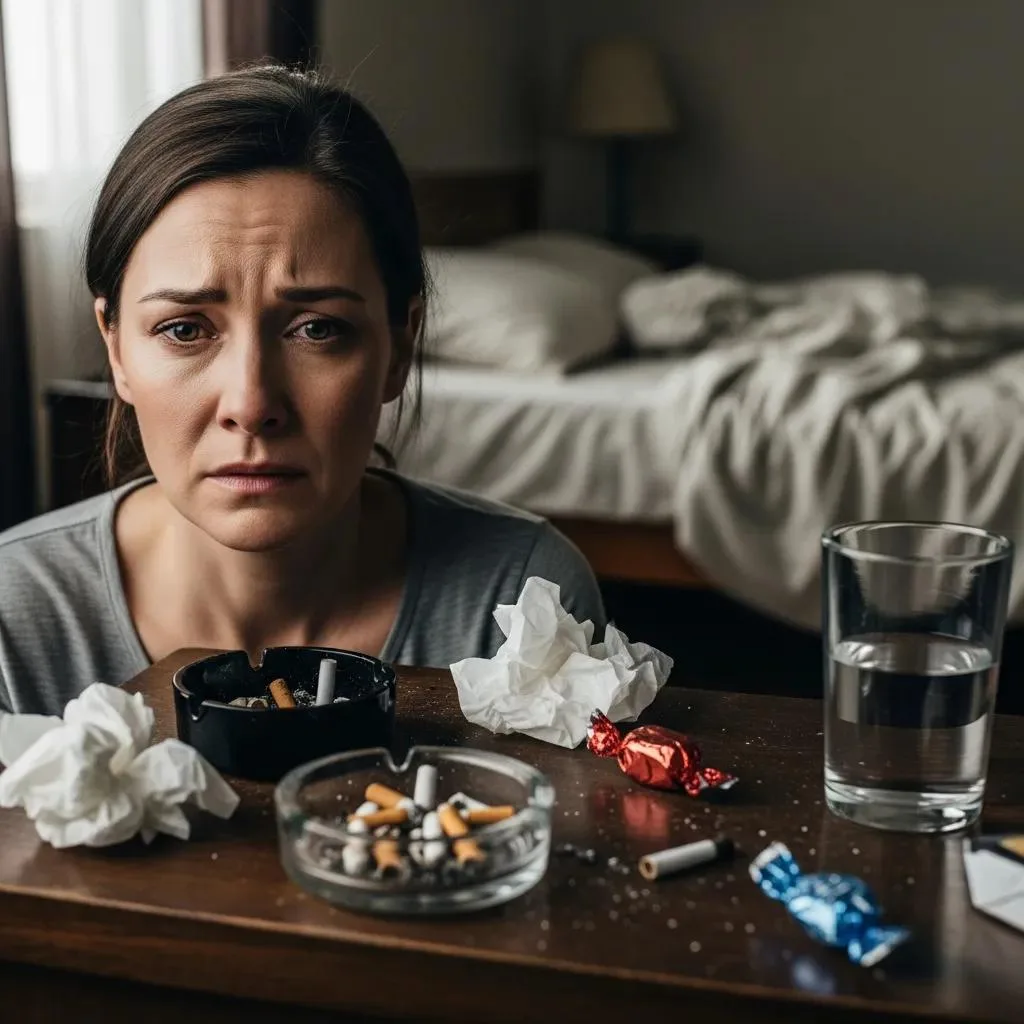
Recognizing heroin addiction starts with noticing a cluster of physical, behavioral, and social changes that show impaired control and ongoing use. Common physical signs include pinpoint pupils, frequent drowsiness or “nodding off,” and track marks or unexplained needle marks. Look for sudden shifts in friendships or responsibilities, falling performance at work or school, and neglect of personal care or finances. Behavioral red flags include secretive behavior, borrowing or stealing money for drugs, and repeated failed attempts to cut down. If any of these signs occur with respiratory depression, unresponsiveness, pale or clammy skin, or very slow or irregular breathing, call emergency services right away for suspected overdose and then connect the person with supervised treatment.
- Watch for physical changes, behavioral shifts, and declines in daily functioning.
- If you suspect an overdose, call emergency services and use naloxone if you’re trained and it’s available.
- Spotting problems early makes it more likely someone will engage with treatment successfully.
These indicators help families and clinicians move from observation to assessment, which leads naturally into how community impacts affect local services.
How Do Heroin Overdose and Addiction Impact the Arts District Community?
Heroin addiction and overdose affect the Arts District in several ways: more emergency calls, heavier demand on community clinics, and social consequences that touch families and public life. Overdose clusters can stretch local emergency responders and create visible distress for residents and businesses, while untreated substance use contributes to housing instability and family disruption. Local public-health responses include naloxone distribution, outreach programs that link people to care, and partnerships between treatment providers and community groups to reduce stigma and expand access. Prevention and recovery supports at the neighborhood level help reduce harm and enable people to reclaim roles in their communities; coordinated outreach and clear treatment pathways are critical to turn harm-reduction efforts into lasting recovery outcomes.
How Does BetterChoice Treatment Center Approach Heroin Recovery in the Arts District?
BetterChoice Treatment Center approaches heroin recovery with an integrated, evidence-based model that spans medically supervised detox, residential stabilization, outpatient therapy, and aftercare planning. The clinical model prioritizes screening for co-occurring mental health conditions, continuity across levels of care, and close coordination among medical, nursing, and behavioral-health staff so treatment plans fit each person’s needs. Publicly reported services include heroin detox, inpatient rehab, outpatient programs, and counseling under clinical oversight; listed accreditations and certifications support standard safety and quality processes. This integrated framework centers a person’s needs — lowering withdrawal risk, addressing psychiatric symptoms, and helping restore day-to-day function in the community. The sections below describe program features and team roles that put this approach into practice.
What Are the Unique Features of BetterChoice’s Heroin Rehab Program?
BetterChoice’s program is built as a continuum of care to reduce medical risk, address co-occurring disorders, and provide psychosocial supports without making promotional claims. Key components include medically supervised heroin detox, residential inpatient treatment, step-down outpatient services, individual and group counseling, case management, and discharge planning. Publicly noted accreditations and named clinical leadership — such as a medical director and clinical director — indicate physician and therapeutic oversight of care pathways. Together, these elements support a steady transition from acute withdrawal management to skills training and relapse-prevention work that prepares people to rejoin community life.
- Program elements create a clear path from detox to aftercare.
- Accreditation and clinical leadership help ensure consistent safety and quality.
- Continuity across services reduces gaps that can increase relapse risk.
These program features rely on coordinated teamwork; the next subsection explains how roles fit together to support whole-person healing.
How Does the Multidisciplinary Team Support Holistic Healing?
A multidisciplinary team brings together medical care, psychotherapy, nursing, case management, and peer support to build individualized plans that address biological, psychological, and social needs. Physicians and nurse practitioners oversee withdrawal and MAT options, therapists deliver CBT, DBT, and group work to target substance-use patterns and co-occurring disorders, and case managers connect people with housing, employment help, and community referrals. Regular team meetings and periodic reassessments keep treatment goals aligned with progress in stabilization and skills-building. This coordinated approach makes transitions between levels of care smoother and supports family and community involvement, which improves engagement and retention in treatment.
What Should You Expect During Medically Supervised Heroin Detox in Las Vegas?
Medically supervised heroin detox is a structured process focused on safely managing acute withdrawal, reducing medical complications, and preparing a person for ongoing care. The goal is stabilization: monitoring vital signs, relieving withdrawal symptoms, and beginning therapeutic planning that leads into residential or outpatient treatment. Medical oversight typically includes around-the-clock nursing checks, physician assessments, and written safety protocols for crisis escalation; privacy protections apply throughout intake and treatment. Below are common intake steps and what patients and families can expect during a detox episode in Las Vegas.
- Intake assessment: a clinical interview, medical history review, and screening for co-occurring mental health conditions.
- Medical stabilization: checking vitals, using symptom scales, and starting symptom-targeted medications or MAT when appropriate.
- Ongoing monitoring: regular nursing checks, medication adjustments, and engagement with psychosocial supports.
- Disposition planning: arranging transition to inpatient care, PHP/IOP, or outpatient services based on clinical stability and social supports.
This stepwise approach lowers immediate risk and sets a clear path to continued care; the table below summarizes typical withdrawal phases and common clinical responses used in supervised settings.
Introductory detox timeline table: this chart maps common withdrawal phases, typical onset/duration, and typical clinical responses used in medically supervised settings to guide safety and planning.
This table clarifies the phases clinicians monitor during detox and shows how medical care targets specific needs to reduce risk and discomfort. The next subsection explains common safety procedures used in supervised programs.
How Is Heroin Withdrawal Managed Safely at BetterChoice?
Withdrawal management in a medically supervised setting centers on frequent assessment and timely intervention to prevent complications and improve comfort, following evidence-based practices. Typical measures include routine vital-sign checks, validated withdrawal rating scales to guide medications, nursing observation for dehydration or cardiovascular issues, and physician oversight for MAT when indicated. Safety protocols also define when to transfer someone to a higher level of medical care if severe symptoms or other medical problems arise, which minimizes preventable adverse outcomes. These clinical practices are coordinated with counseling and case management so a person can transition smoothly to the next level of care once medically stable.
What Is the Typical Timeline and Symptoms of Heroin Detox?
Heroin detox commonly begins within 6–12 hours after the last use, peaks in discomfort around 48–72 hours, and largely resolves within 5–7 days, though psychological cravings and post-acute symptoms can last longer. Early signs often include anxiety, muscle aches, yawning, and stomach upset. Peak withdrawal can bring severe nausea, diarrhea, chills, and intense dysphoria. Clinical teams respond with symptom-targeted medications and supportive care. The timeline above summarizes usual phases, but individual variation is common — factors like dose, length of use, co-occurring conditions, and MAT use influence the course. Knowing this timeline helps patients and families set realistic expectations and plan aftercare.
What Are the Benefits of Inpatient Heroin Rehab in the Arts District?
Inpatient heroin rehab offers a controlled setting for medical stabilization, focused therapy, and relapse-prevention skill-building. By removing people from high-risk environments and providing a predictable daily routine, residential care helps break cycles of use. Residents have access to multidisciplinary services — medical supervision, individual therapy, group counseling, family sessions, and case management — so biological and social needs are addressed together. The structured environment reduces exposure to triggers and gives repeated opportunities to practice coping skills, which strengthens resistance to relapse. The table below compares common residential components, their frequency, and intended benefits.
Introductory inpatient program components table: this table explains how common residential elements support stabilization and longer-term recovery.
This comparison shows how different residential elements combine to form a comprehensive stabilization platform that supports a safe move into outpatient care. The next subsection describes how residential treatment builds foundations for long-term recovery.
How Does Residential Treatment Support Long-Term Recovery?
Residential treatment supports long-term recovery by pairing structured routines, repeated therapeutic practice, and relapse-prevention planning so healthier behaviors can replace old patterns. Daily schedules reinforce new routines — therapy, skill practice, and self-care — while clinicians and peers model coping strategies that participants rehearse under supervision. Relapse-prevention work includes identifying triggers, making concrete action plans, and practicing refusal skills. Case managers then connect participants to community resources and outpatient services to preserve gains. This concentrated period lets clinicians measure progress, fine-tune goals, and create a detailed aftercare plan that raises the odds of sustained recovery.
Which Therapies and Amenities Are Offered at BetterChoice?
Therapies commonly offered within the integrated program include evidence-based approaches such as cognitive behavioral therapy (CBT), dialectical behavior therapy (DBT), group therapy, and family therapy, together with case management and aftercare planning. These modalities target substance-use behaviors, emotional regulation, and relationship dynamics and are designed to work with medical management and peer support. Support services typically include discharge planning, referral coordination, and linkages to community resources to help ensure continuity after residential care. Presenting these services as part of a coordinated pathway clarifies how therapy and practical supports combine to lower relapse risk and promote reintegration.
- Core therapies include CBT, DBT, group therapy, and family therapy.
- Support services emphasize case management and aftercare linkages.
- Combining clinical therapy with practical supports creates a stronger recovery environment.
These treatment elements lead naturally to lower-intensity options for people who are stable and ready for more flexible care.
How Do Outpatient Heroin Treatment Programs Provide Flexible Recovery Options?
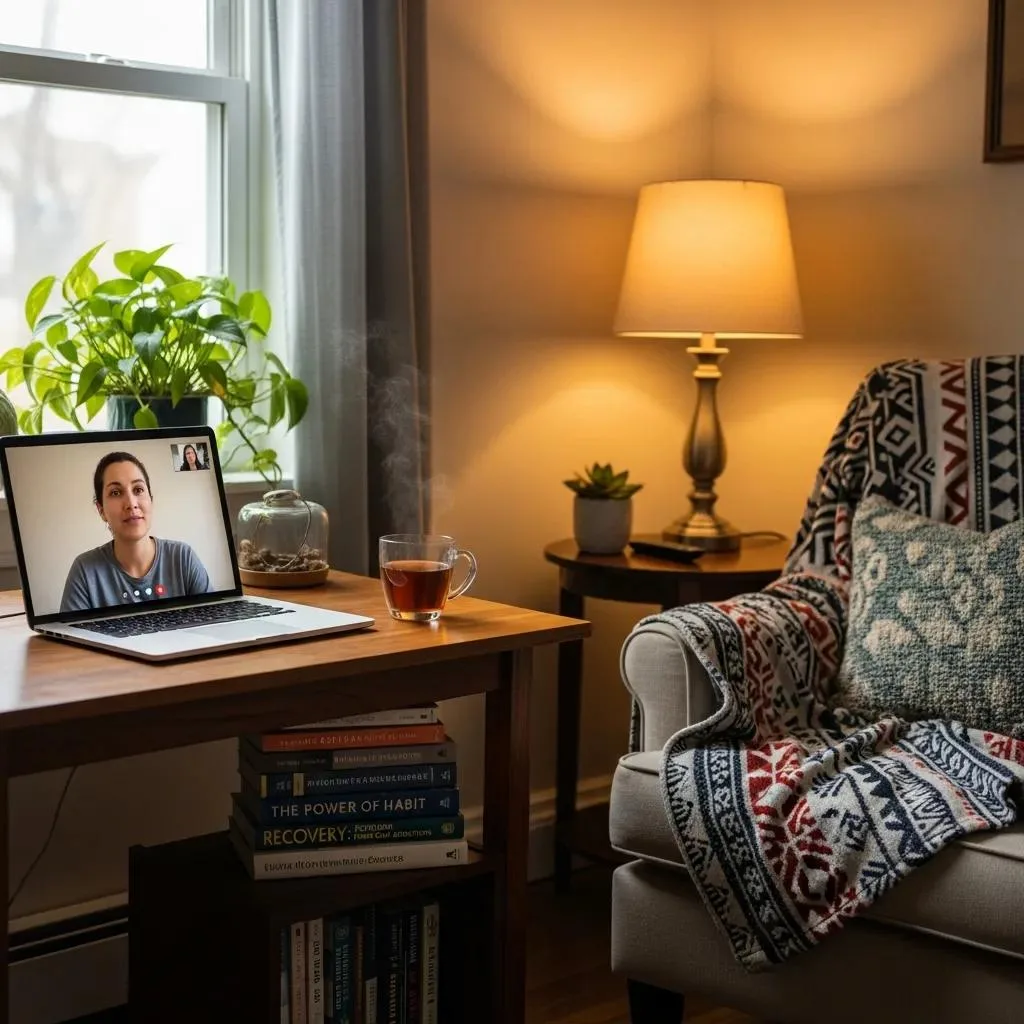
Outpatient heroin treatment lets people receive structured therapy and medical follow-up while living at home, with intensity matched to clinical needs and life responsibilities. The three common levels — standard outpatient care, intensive outpatient program (IOP), and partial hospitalization program (PHP) — differ by hours per week, clinical intensity, and who they suit best. Step-down moves from inpatient to PHP or IOP and then to standard outpatient are designed to preserve progress while gradually returning people to daily life. The comparison below helps patients and clinicians match stability and psychosocial needs with the right level of outpatient care.
Introductory outpatient comparison table: this table shows typical hours, intensity, and best-fit profiles for common outpatient options.
This comparison helps people and clinicians choose a pathway that fits medical needs and real-life obligations. The subsections that follow define differences and eligibility more concretely.
What Are the Differences Between IOP, PHP, and Standard Outpatient Care?
The main difference among PHP, IOP, and standard outpatient care is intensity. PHP delivers near-daily, full-day therapeutic services; IOP provides several multi-hour sessions each week focused on therapy and skills; and standard outpatient offers weekly counseling and medication follow-up. PHP is commonly used right after detox or inpatient treatment when clinical monitoring is still important but hospital-level care is no longer required. IOP fits people who can handle some daily responsibilities but still need structured therapy. Standard outpatient is for ongoing maintenance, medication management, and targeted counseling once stability is established. Choosing the right level depends on assessment of withdrawal stability, psychiatric needs, housing security, and relapse risk.
Who Is Eligible for Outpatient Heroin Rehab in Las Vegas?
Eligibility for outpatient heroin rehab generally requires medical clearance from acute withdrawal, a safe or stable living plan, and the ability to attend scheduled therapy sessions. Intake screens include checks for co-occurring disorders, overdose risk, and confirmation of supports that lower relapse risk; results guide whether someone enters standard outpatient, IOP, or PHP. People with persistent severe intoxication, unmanaged psychiatric symptoms, or unsafe housing are usually advised to start at a higher level of care before moving to outpatient programs. Clear assessment and staged transitions improve safety and treatment adherence.
How Can Families Support Loved Ones Through Heroin Addiction Recovery?
Families are often essential to recovery: they help spot warning signs, support access to treatment, and provide steady, boundary-focused care during and after treatment. Practical family actions include learning about addiction as a medical condition, joining family counseling when invited, setting clear limits to avoid enabling, and helping with logistics like transportation and appointment scheduling. Family involvement in planning and aftercare typically boosts retention, lowers relapse risk, and strengthens the support network needed for recovery. The sections below outline resources, counseling options, and evidence linking family engagement to better outcomes.
What Resources and Counseling Are Available for Families?
Families can access psychoeducation, structured family-therapy sessions, and support groups that teach better communication, boundary-setting, and relapse-prevention strategies. Family counseling often covers the basics of addiction, how to make safety plans for overdose risk, ways to support medication adherence, and coordination with case managers for practical needs. Community resources include local support groups and public-health programs offering naloxone training and referral pathways to treatment providers. Engaging with these resources helps family members move from crisis response to steady, informed support roles that reinforce recovery.
- Family resources typically include education, therapeutic sessions, and community support groups.
- Counselors work with families to set boundaries and participate in aftercare planning.
- Practical supports such as naloxone training and referral help increase household safety.
These supports contribute to measurable improvements in treatment outcomes, summarized in the next subsection.
How Does Family Involvement Improve Treatment Outcomes?
Research shows family involvement improves treatment retention, lowers relapse rates, and enhances social functioning by supporting adherence to therapy and medications while providing emotional backing. Key mechanisms include increased accountability, better engagement in treatment when families join planning, and stronger social networks that reduce isolation — all linked to improved long-term outcomes in substance-use care. Families can be integrated practically through participation in therapy, helping with aftercare logistics, and monitoring medication and appointments. When family support is compassionate and paired with clear boundaries and structured involvement, recovery is more stable and sustainable.
- Learn about addiction and available treatments so you can make informed decisions.
- Engage with intake coordinators to understand clinical pathways and insurance or payment options.
- Support transitions between levels of care while maintaining healthy boundaries and expectations.
This pragmatic approach helps families turn concern into effective action and connect to resources that meet their loved one’s clinical needs.
Frequently Asked Questions
What is the role of medication-assisted treatment (MAT) in heroin rehab?
Medication-assisted treatment (MAT) is a key part of many heroin rehab plans. MAT combines FDA-approved medications with counseling and behavioral therapy to treat opioid use disorder. These medications reduce cravings and ease withdrawal, which helps people participate more fully in therapy and recovery work. Common MAT options include methadone, buprenorphine, and naltrexone. MAT is most effective when integrated into a comprehensive treatment plan that addresses both physical dependence and psychological factors.
How can someone prepare for their first visit to a rehab center?
Preparing for a first visit makes intake smoother. Bring identification, insurance details, and any medical records related to substance use or other health conditions. Write down questions or concerns to discuss with the treatment team. Practice simple calming techniques or talk through worries with a trusted friend or family member to ease anxiety. Remember that staff are there to help — being open about your situation will make it easier for clinicians to create the right plan.
What should families know about the recovery process?
Families should know recovery is often complex and non-linear. It usually involves stages — detox, rehabilitation, and ongoing support — and setbacks can happen. Family members can help by educating themselves about addiction, taking part in family therapy when invited, and offering consistent, boundary-based support. Avoiding enabling behaviors, keeping communication open, and preparing for possible relapses are important. A supportive, informed family environment significantly improves the chance of long-term recovery.
What are the signs that someone is ready for outpatient treatment?
Signs someone may be ready for outpatient treatment include medical stability after detox, a safe place to live, and a willingness to participate in therapy. Awareness of personal triggers and a commitment to building coping skills are also good indicators. Having a reliable support system — family or friends who encourage recovery — plus the ability to maintain daily responsibilities while attending sessions, suggests outpatient care could be appropriate.
How does BetterChoice Treatment Center ensure continuity of care?
BetterChoice Treatment Center supports continuity of care by coordinating services across detox, inpatient, and outpatient levels. The multidisciplinary team — medical providers, therapists, and case managers — communicates regularly to adjust plans as needed and facilitate smooth transitions. Aftercare planning is a core part of the model, linking people with community supports and resources so they have a clear path forward after leaving active treatment.
What community resources are available for individuals in recovery?
People in recovery can tap into local resources like Narcotics Anonymous (NA) or SMART Recovery for peer support. Communities often provide job training, housing assistance, and education programs to help with reintegration. Public-health initiatives may offer naloxone training and overdose-prevention services. Using these resources alongside clinical care strengthens recovery and builds practical support for long-term stability.
Conclusion
Pursuing comprehensive heroin rehab in the Arts District of Las Vegas provides a clear, structured path to recovery that addresses both medical and emotional needs. Integrated care — from medically supervised detox to residential treatment and outpatient follow-up — improves the chances of lasting sobriety and a better quality of life. Families who stay informed and involved make a meaningful difference. If you or someone you love needs help, BetterChoice Treatment Center can explain local options and the care pathways available to support recovery.