

Medically Supervised Heroin Detox in Las Vegas — Safe, Compassionate Care to Start Recovery
Heroin detox is a medically supervised process that stabilizes people who are physically dependent on heroin, eases acute withdrawal symptoms, and connects them to ongoing addiction care. This page explains how supervised heroin detox works, why medical oversight matters for safety and comfort, and which treatment options are available in Las Vegas — from inpatient care to PHP, IOP, medication-assisted treatment (MAT), and integrated behavioral services. If you or a loved one feel overwhelmed by withdrawal, unsure about options, or concerned about insurance, this guide offers clear steps to move from uncertainty to action. You’ll find typical withdrawal timelines, symptom-management strategies, how MAT helps, program comparisons, dual-diagnosis considerations, aftercare and relapse-prevention tips, and straightforward next steps for beginning intake with a local provider.
What Is Heroin Detox and Why Is Medical Supervision Important in Las Vegas?
Heroin detox is a medically managed effort to remove opioids from the body while monitoring and treating withdrawal symptoms to reduce health risks and improve comfort. Medical supervision matters because withdrawal can cause intense physical and emotional symptoms — from dehydration and severe vomiting to acute anxiety or suicidal thoughts — that need clinical monitoring, medications, and supportive care. Supervised detox offers vital-sign checks, symptom-targeted medicines, IV fluids and nutrition when needed, and continuous clinical oversight to lower complications and stabilize patients before they move into longer-term treatment. In Las Vegas, medically supervised detox links stabilization with follow-up options like inpatient rehab, PHP, and outpatient services, helping families choose the right level of care and avoiding the dangers of unsupervised withdrawal.
How Does Medically Supervised Heroin Detox Manage Withdrawal Symptoms?
Supervised heroin detox starts with a clinical assessment to document recent use, medical history, and any co-occurring mental-health concerns. Care teams then monitor vitals, provide IV fluids and anti-nausea medication when needed, and use targeted medicines to ease muscle pain, diarrhea, and sleep problems while tracking withdrawal severity with standard tools. Nurses and physicians coordinate medication timing, adjust treatment based on response, and offer psychosocial support to lower anxiety and encourage engagement in follow-up care. This structured approach reduces immediate medical risks and creates continuity into the next phase of treatment, whether that’s MAT, inpatient stabilization, or outpatient therapy.
What Are the Risks of Unsupervised Heroin Withdrawal?
Withdrawing without medical supervision raises the risk of dehydration, electrolyte imbalance, aspiration during vomiting, untreated psychiatric crises, and relapse with overdose because tolerance drops after abstinence. Severe signs — such as uncontrolled vomiting, chest pain, high fever, or suicidal thoughts — may go unnoticed until emergency care is required. Supervised detox lowers these risks by providing timely interventions, continuous observation, and rapid transfer to higher-level care if needed. For people with moderate-to-severe dependence, co-occurring conditions, or unstable housing, medically supervised detox is a far safer option than quitting alone.
Common Heroin Withdrawal Symptoms and Typical Timeline
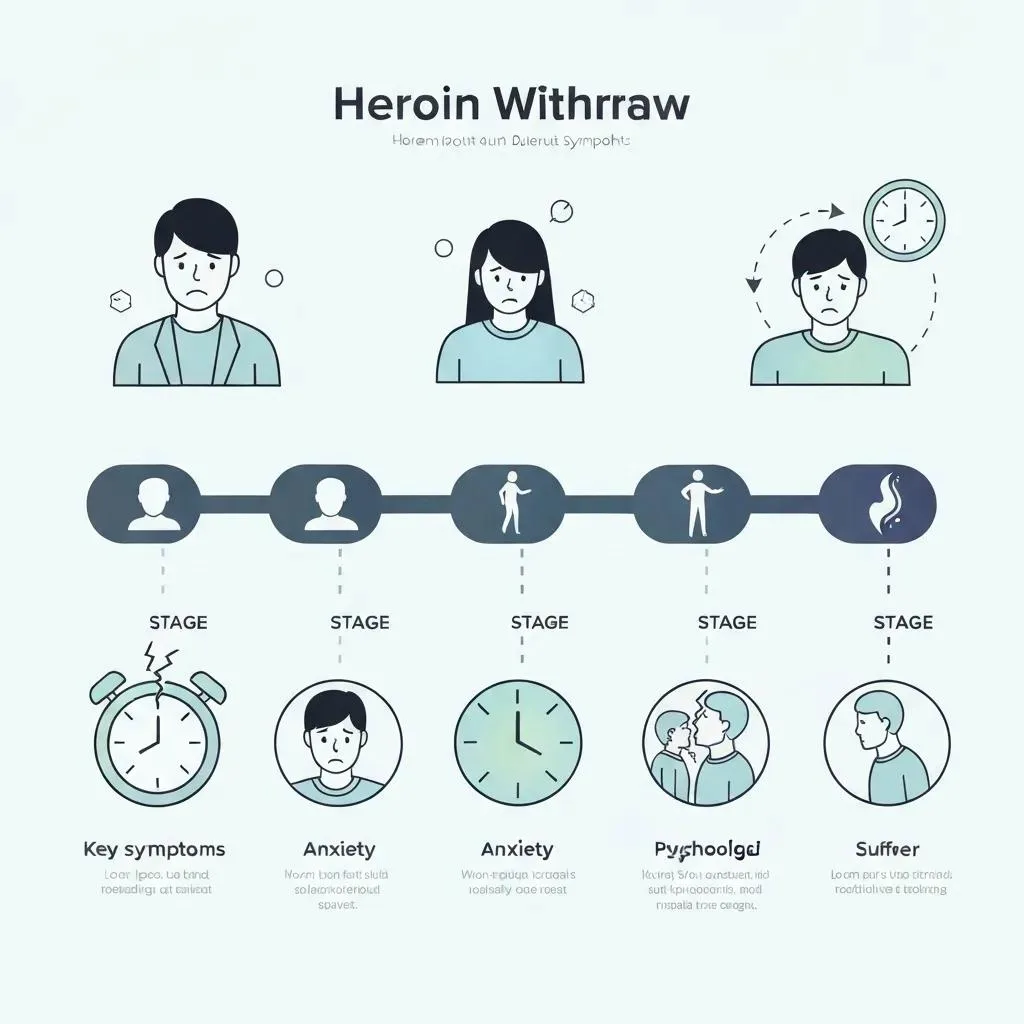
Heroin withdrawal usually follows a predictable pattern: early symptoms appear within hours of the last use, peak around two to three days, and the most severe phase generally eases within a week, though some symptoms can linger. Early signs often include anxiety and restlessness; the peak phase typically brings intense gastrointestinal distress and muscle pain; and later stages can include sleep problems and mood disturbance. Some people experience post-acute withdrawal syndrome (PAWS), with intermittent cravings and mood instability that last weeks to months and require structured aftercare. The table below maps stages to common symptoms and timing so patients and families can plan appropriate medical support.
Different stages of heroin withdrawal show distinct symptoms and timeframes that help guide clinical planning.
This timeline helps families know when close medical monitoring is most important and when to plan follow-up care.
What Physical and Psychological Symptoms Happen During Withdrawal?
Heroin withdrawal produces both physical and psychological symptoms that often occur together and reinforce one another, so coordinated medical and behavioral care is important. Physical signs can include muscle aches, sweating, feverish feelings, nausea, vomiting, diarrhea, runny nose, dilated pupils, and tremors — which can lead to dehydration and electrolyte problems if untreated. Psychological symptoms include anxiety, strong cravings, agitation, insomnia, low mood, and in some cases suicidal thoughts or psychosis, all of which need prompt clinical attention. Treating both physical and emotional symptoms — with medications for comfort and counseling for coping — lowers relapse risk and supports safer recovery.
- Common physical and emotional signs include:
- Muscle aches and body pain that make movement and sleep difficult.
- Gastrointestinal distress (nausea, vomiting, diarrhea) that can cause dehydration.
- Anxiety, strong cravings, and sleep problems that increase relapse risk.
Seek emergency help for severe chest pain, trouble breathing, high fever, or suicidal thoughts — addressing these warning signs quickly improves safety and outcomes.
How Long Does Each Stage of Withdrawal Last?
Duration varies by dose, frequency of use, health status, and whether medications are used during detox, but common clinical ranges help guide planning. Early withdrawal typically begins 6–12 hours after the last use and may last 24–48 hours. Peak symptoms are most intense at 48–72 hours and usually dominate days 2–5. The subacute phase with lingering symptoms often lasts through the first two weeks. PAWS — intermittent cravings, mood swings, and cognitive slowing — can continue for weeks to months and usually needs outpatient support and relapse-prevention work. Knowing these stages helps clinicians and families plan follow-up care, decide about MAT continuation, and prepare for long-term recovery.
How Medication-Assisted Treatment (MAT) Supports Heroin Detox in Las Vegas

Medication-assisted treatment (MAT) combines FDA-approved medications with counseling to reduce withdrawal intensity, curb cravings, and stabilize brain chemistry during and after detox — improving the move into long-term recovery. MAT drugs work by occupying or blocking opioid receptors to ease withdrawal and lower craving strength, which boosts treatment retention and reduces overdose risk. In practice, MAT is paired with behavioral therapies and psychosocial supports to address the root causes of use and build coping skills. The table below summarizes common MAT medications, how they work, and monitoring considerations to clarify clinical choices during detox.
Matter-of-factly: MAT is a bridge from acute stabilization to ongoing recovery and should be individualized by clinicians based on a person’s medical history and goals.
Which Medications Are Used and How Do They Work?
Providers commonly use buprenorphine, methadone, and naltrexone for opioid dependence, with clonidine as an adjunct for autonomic symptoms. Buprenorphine reduces withdrawal and cravings with a favorable safety profile but should be started when the patient is in mild-to-moderate withdrawal to avoid precipitated withdrawal. Methadone is given in licensed programs and offers steady relief for those who need a higher-intensity agonist approach. Naltrexone blocks opioid effects and is started only after a confirmed period opioid-free. Adjunct medicines (for nausea, sleep, or anxiety) are used as needed and monitored for side effects like low blood pressure or sedation. Choice of medication depends on medical history, past treatment response, and availability in Las Vegas.
Why Combine MAT with Behavioral Therapies?
MAT plus behavioral therapy is a complementary approach: medication stabilizes brain chemistry and lessens physiological drivers of use, while therapy addresses triggers, coping strategies, and co-occurring mental-health issues. Research shows integrated MAT and counseling improves retention, reduces illicit opioid use, and lowers overdose risk compared with either approach alone. Common therapies include cognitive behavioral therapy (CBT) to change unhelpful thinking, motivational interviewing to build readiness, and trauma-informed care when past trauma contributes to substance use. Coordinated teams that combine medication management, psychotherapy, and case management produce better functional outcomes and smoother transitions from detox to long-term recovery.
What Inpatient and Outpatient Rehab Options Exist in Las Vegas?
Rehab options range from inpatient/residential programs with 24/7 supervision and structured therapy to outpatient models like PHP and IOP that offer intensive day- or evening-based care while patients live at home. Inpatient care is best for people with significant medical or psychiatric needs, unstable housing, or severe dependence — it provides constant monitoring and a highly structured therapeutic environment. PHP (partial hospitalization) offers day-long clinical programming for stabilization and skill-building, and IOP (intensive outpatient) delivers several hours of therapy multiple days per week for those with stronger home supports. The table below compares program types, structure, and usual suitability to help you choose the right level of care.
Programs differ in intensity, oversight, and typical length of stay, so clinical assessment and personal circumstances guide the best choice.
What’s Included in Inpatient Heroin Rehab and Who Should Choose It?
Inpatient rehab offers continuous medical oversight, daily therapeutic groups, one-on-one counseling, psychiatric evaluations when needed, medication management, and structured activities to support stabilization and skill-building. Typical components include relapse-prevention groups, individualized counseling, medication administration and monitoring, and case management for housing or benefits. Inpatient care is appropriate for those with recent overdose, severe withdrawal history, active psychiatric conditions, or environments that make outpatient recovery unsafe. The controlled setting reduces exposure to triggers, helps people engage in therapy early, and prepares them for step-down services like PHP or IOP.
- Key inpatient components include:
- 24/7 clinical staff for medical stabilization and safety monitoring.
- Structured daily schedules with multiple therapy modalities.
- Medication management and coordination with outpatient plans.
These elements make inpatient care a reliable option for people who need higher-intensity stabilization before returning to community-based supports.
How Do Outpatient Programs Like PHP and IOP Support Recovery?
PHP and IOP provide structured clinical services that let patients receive intensive therapy while keeping ties to home, work, and family. PHP delivers full-day programming similar to inpatient therapy but without overnight stays — a good option when continuous supervision is no longer necessary. IOP offers concentrated group and individual therapy several times per week for those balancing recovery with daily responsibilities. Both formats teach relapse-prevention skills, include peer support and case management, and often coordinate MAT or medication monitoring. Choosing PHP or IOP depends on stability, support systems, and clinical recommendations after assessment.
How Is Dual Diagnosis Care Integrated with Heroin Treatment?
Dual diagnosis treatment addresses substance use disorder and co-occurring mental-health conditions at the same time through integrated assessment, coordinated medication management, and tailored psychotherapy. Integrated programs screen for depression, anxiety, PTSD, and other conditions at intake and then create synchronized treatment plans that combine psychiatric medication when appropriate with therapies such as CBT and DBT alongside addiction counseling. Psychiatrists, addiction specialists, and therapists collaborate so mental-health meds don’t conflict with MAT and therapy targets both substance-related triggers and underlying psychiatric symptoms. This coordinated approach reduces relapse risk and treats the root causes that often keep people stuck in opioid use.
Why Treat Mental Health Disorders Alongside Heroin Addiction?
Treating mental-health disorders alongside addiction is essential because untreated psychiatric issues often drive substance use and raise the risk of relapse and poor functioning. Co-occurring disorders can undermine motivation, interrupt treatment adherence, and intensify cravings, so simultaneous assessment and treatment improve retention and reduce symptom severity. Shared neurobiological pathways between mood disorders and addiction respond better when both are addressed with evidence-based interventions. Early screening and integrated care let clinicians manage medication interactions and choose therapies that address trauma, mood regulation, and substance-driven behaviors together.
What Therapies and Supports Are Offered for Dual Diagnosis Patients?
Dual diagnosis services combine evidence-based psychotherapies — like cognitive behavioral therapy (CBT), dialectical behavior therapy (DBT), and trauma-informed care — with psychiatric medication management and coordinated case planning. Therapy can be individual to target core issues, group-based for peer support and skills practice, and family-focused to repair relationships and build support. Medication strategies are coordinated between psychiatric and addiction teams to manage mood symptoms without compromising MAT safety. Case managers also connect patients to housing, employment, and community resources so clinical improvements are supported by practical recovery supports.
Aftercare and Relapse-Prevention Strategies Following Detox
Effective relapse prevention after detox combines ongoing therapy, MAT when indicated, peer support, stable housing or sober living, and concrete coping skills to handle triggers and stress. Aftercare planning starts during detox and typically includes referrals to outpatient counseling, continuation of MAT prescriptions, enrollment in support groups, and an emergency relapse plan. Relapse prevention focuses on identifying triggers, learning coping strategies (stress reduction, structured routines), and building social supports that reinforce sobriety. The list below summarizes core aftercare components to help people create a durable recovery plan that addresses biological, psychological, and social needs.
Aftercare integrates medical care, psychotherapy, and community resources to lower relapse risk and support long-term recovery.
- Continuation of MAT or medication follow-up: Maintain medications as clinically recommended with regular monitoring.
- Structured outpatient therapy: Ongoing CBT, DBT, or motivational interviewing to build coping skills.
- Peer support groups: Regular attendance in community or online meetings for connection and accountability.
- Sober living or supportive housing: Stable environments that reduce exposure to substances.
- Case management and community resources: Help with employment, housing, and social services to support recovery.
Layering medication, therapy, peer support, and practical services provides the strongest protection against relapse.
Which Support Groups and Alumni Programs Help Maintain Sobriety?
Support groups and alumni programs offer peer accountability, lived-experience guidance, and regular meetings that reinforce recovery and reduce isolation — all vital parts of aftercare. Options include mutual-help meetings (in-person or online), specialized family support groups, and alumni networks tied to treatment programs that offer check-ins and community events. These supports maintain momentum after formal treatment by providing role models, relapse-prevention practice, and opportunities to give and receive help. For many people, combining professional therapy with regular group attendance and alumni involvement improves long-term engagement and functioning.
- Typical support options include:
Mutual-help meetings focused on abstinence and peer support.Alumni programming to stay connected to the treatment community.Online recovery forums and tele-support when in-person meetings aren’t possible.
Active engagement in these supports strengthens social networks and complements clinical aftercare plans, reducing isolation and improving outcomes.
How Can Families Support Loved Ones During and After Treatment?
Families are essential to recovery when they learn about addiction, set compassionate boundaries, take part in family therapy if offered, and provide steady support without enabling substance use. Practical steps include learning withdrawal and relapse warning signs, helping with safe housing or transportation, encouraging ongoing therapy and MAT adherence, and practicing self-care to avoid burnout. Family therapy teaches communication, boundary-setting, and relapse-prevention skills that help rebuild trust. When families adopt recovery-supportive behaviors and use educational resources, they increase the chances loved ones stay connected to aftercare and sustain recovery gains.
How to Get Started with Heroin Detox at BetterChoice Treatment Center
If you’re in Las Vegas and need a fast, medically supervised path to detox and continuing care, BetterChoice Treatment Center offers heroin detox and inpatient rehab with clinical staff on site 24/7. Our intake process is straightforward and compassionate: we verify medical needs and insurance quickly, coordinate medical assessment and symptom stabilization, and refer patients to the next appropriate level of care — inpatient, PHP, IOP, or outpatient counseling. The checklist below explains what to expect and what documents to have ready to speed placement and reduce stress for families.
Use this practical intake checklist to guide your first call and admission steps.
- Call for initial intake: Share basic demographics and a brief summary of recent substance use and medical/psychiatric history.
- Clinical screening: Complete a medical and behavioral-health assessment to determine level of care and immediate needs.
- Insurance verification: Staff will request insurer name, subscriber details, and plan information to confirm benefits and explain any out-of-pocket costs.
- Admission scheduling or stabilization: If appropriate, we’ll schedule a bed; if urgent, immediate medical stabilization is arranged.
- Arrival and orientation: On admission, clinical teams begin monitoring, medication management, and personalized treatment planning.
These steps are designed to reduce uncertainty and speed access to safe, medically supervised detox and connected treatment in Las Vegas.
What Happens During Intake and How Is Insurance Verified?
Intake usually begins with a confidential phone assessment where clinicians gather substance-use history, medical background, and safety concerns, then recommend the appropriate level of care. Insurance verification follows: administrative staff collect the insurer name, subscriber information, and plan details to confirm coverage for detox and inpatient services and to explain prior-authorizations or copays. Time from first call to admission depends on clinical urgency and bed availability, but we work to expedite medically necessary admissions and advise families to have photo ID and insurance cards ready to speed placement.
Where Is BetterChoice Treatment Center and How Do I Contact Them?
BetterChoice Treatment Center is located at 198 Ebb Tide Cir, Las Vegas, NV 89123 and can be reached at (725) 299-4777 for intake and referral help. We provide medically supervised heroin detox and inpatient rehab with clinical teams available around the clock to support stabilization and transition to continuing care. If you’re helping a loved one, calling the number above is the best first step to request an assessment, learn about insurance verification, and arrange timely admission or a clinical consult. Our staff respond with compassionate, straightforward guidance — no pressure, just clear next steps.
Frequently Asked Questions
What Should I Expect During the Heroin Detox Process?
Expect a structured, medically supervised setting where clinicians monitor your health and manage withdrawal symptoms. The process begins with a clinical assessment to gauge dependence severity and any co-occurring conditions. Patients commonly receive medicines to ease withdrawal and take part in therapy to address psychological aspects of addiction. Ongoing support from healthcare staff helps keep you safe and makes the transition to further treatment smoother.
How Can Families Help Support Their Loved Ones During Detox?
Families help most by learning about the process, offering steady emotional support, and setting clear, compassionate boundaries. Attend family therapy if it’s available, help arrange safe housing and transport, and encourage continued therapy and medication follow-through. Being informed and present — without enabling substance use — makes a meaningful difference in recovery.
What Are the Long-Term Benefits of Medically Supervised Detox?
Medically supervised detox lowers the risk of complications, improves comfort during withdrawal, and smooths the path into ongoing treatment. When withdrawal is managed safely, people are more likely to stay in care and benefit from therapies that support long-term recovery. Detox also gives patients tools and a plan to reduce relapse risk and improve overall quality of life.
Are There Specific Aftercare Programs Available After Detox?
Yes. Aftercare commonly includes outpatient therapy, support groups, and continued MAT when needed. Many centers create structured aftercare plans to help people reintegrate into daily life while keeping clinical supports in place. These programs focus on relapse prevention, building coping skills, and connecting with a recovery community.
What Role Does Insurance Play in Accessing Detox Services?
Insurance often covers part or all of detox services, and many treatment centers accept a range of plans. During intake, staff verify your coverage to explain what services are included and any potential out-of-pocket costs. Understanding benefits ahead of time helps families make informed choices and reduces financial uncertainty.
How Can I Find the Right Detox Program for My Needs?
Finding the right program means matching clinical need with available resources. Consider severity of use, co-occurring mental-health conditions, housing stability, and daily responsibilities. Research local centers, read reviews, and consult healthcare professionals. Look for programs that offer a clear continuum of care — detox, MAT when appropriate, therapy, and aftercare — so you have a personalized plan for recovery.
How Long Does Heroin Detox Take?
Acute heroin detox typically lasts about 5–7 days from onset to major symptom reduction, with peak withdrawal intensity around 48–72 hours. Post-acute withdrawal symptoms (PAWS) can continue for weeks to months and usually need ongoing support. Individual factors — dose, duration of use, co-occurring conditions, and use of MAT — affect timing, so a clinical assessment gives the most accurate estimate and informs aftercare planning.
Is Medically Supervised Detox Necessary for Heroin Withdrawal?
Medically supervised detox is strongly recommended for many people because supervision reduces risks like dehydration, severe psychiatric complications, and overdose related to relapse. Supervision enables symptom-targeted medications and monitoring. It’s especially important for high-dose users, those with co-occurring medical or mental-health conditions, or anyone with prior complications during withdrawal.
What Are the Common Withdrawal Symptoms of Heroin?
Common heroin withdrawal symptoms mix physical and psychological effects and vary in intensity and duration. Typical signs include muscle aches, sweating, nausea, vomiting, diarrhea, anxiety, insomnia, and strong cravings. These symptoms often peak in the first 2–3 days and are safer to manage under clinical oversight.
- Gastrointestinal distress such as nausea and diarrhea.
- Musculoskeletal pain and weakness.
- Anxiety, agitation, and strong drug cravings.
Short-term symptom control plus long-term coping strategies both help reduce relapse risk.
What Happens After Completing Heroin Detox?
After medical stabilization, recommended next steps typically include continuing to a suitable level of care — inpatient rehab for more structure, PHP or IOP for intensive day programming, outpatient counseling for ongoing therapy, and continuing MAT when clinically indicated — along with a formal aftercare plan. Transition planning ensures continuity of care, reduces relapse risk, and links patients to peer supports and community resources that sustain recovery progress.
Conclusion
Medically supervised heroin detox in Las Vegas provides a safer, more effective start to recovery by combining clinical oversight, symptom management, and a structured transition to ongoing care. These programs improve immediate safety and increase the chance of longer-term success. If you or a loved one needs help, contact BetterChoice Treatment Center for personalized, compassionate support — take the first step toward lasting recovery today.