

Heroin Detox — Downtown Las Vegas, NV | Safe, Medically Supervised Care for Lasting Recovery
Heroin detox is a medically supervised process that manages opioid withdrawal and stabilizes the body and mind so someone can safely move into ongoing addiction treatment. This page explains what detox looks like, why clinical oversight lowers risk, how medication‑assisted treatment can support stabilization, and what recovery steps typically follow. People searching for safe heroin detox in downtown Las Vegas often need prompt help without sacrificing safety — medically supervised programs provide continuous monitoring, symptom relief, and care coordination to reduce complications and early relapse. Below we outline the usual withdrawal timeline and clinical interventions, describe a common program model used by local providers, compare medication options, review inpatient and outpatient next steps, explain family supports, and offer a practical admissions checklist so readers know how to start a medically supervised detox safely and quickly.
What is heroin detox and why is medical supervision important?
Heroin detox is the medical process of removing heroin and its byproducts from the body while managing withdrawal and stabilizing vital functions. Stopping opioids suddenly causes the nervous system to rebound, producing cravings, stomach upset, shaking, and low mood; clinical supervision reduces these effects through continuous monitoring and targeted interventions. Medical oversight lowers risks such as severe dehydration, uncontrolled vomiting, dangerously high heart rate or blood pressure, and the increased likelihood of relapse driven by unmanaged cravings. Supervised detox also creates a direct path into ongoing addiction care, increasing the chance someone will enter inpatient or outpatient treatment after stabilization. For people seeking medically supervised heroin detox in downtown Las Vegas, local programs provide assessment, 24/7 clinical oversight, and coordinated transition planning to keep care timely and safe.
What happens during heroin detoxification?
Detox usually unfolds across an acute withdrawal window that starts about 6–12 hours after the last use, peaks around 48–72 hours, and eases for many people over a week to ten days. Early signs often include anxiety, muscle aches, yawning, and stomach symptoms; at peak, cravings, sleeplessness, and autonomic symptoms can be intense. Clinical staff monitor vital signs, hydration, and mental status frequently to spot complications. Typical clinical steps include an intake assessment, regular vital‑sign checks, standardized symptom ratings, medication‑assisted symptom control when appropriate, and supportive measures such as IV fluids or blankets. These monitoring and comfort measures lower medical risk and create a stable platform for the next phase of treatment — which is why choosing a supervised local program matters.
Why choose medically supervised heroin detox in Las Vegas?
Selecting a medically supervised program in downtown Las Vegas gives you local access to emergency care and coordinated pathways into residential or outpatient services across the metro area. Local programs can arrange hospital transfers if needed, keep continuity with regional behavioral‑health resources, and work with multidisciplinary teams to address co‑occurring conditions. Many supervised providers list physicians, nurses, and therapists on their teams and offer 24/7 clinical coverage as key safety features — these reduce delays in escalation and improve stabilization outcomes. Choosing a nearby program also makes family involvement and follow‑up logistics easier for patients and loved ones in Las Vegas.
How the medically supervised heroin detox program at BetterChoice works
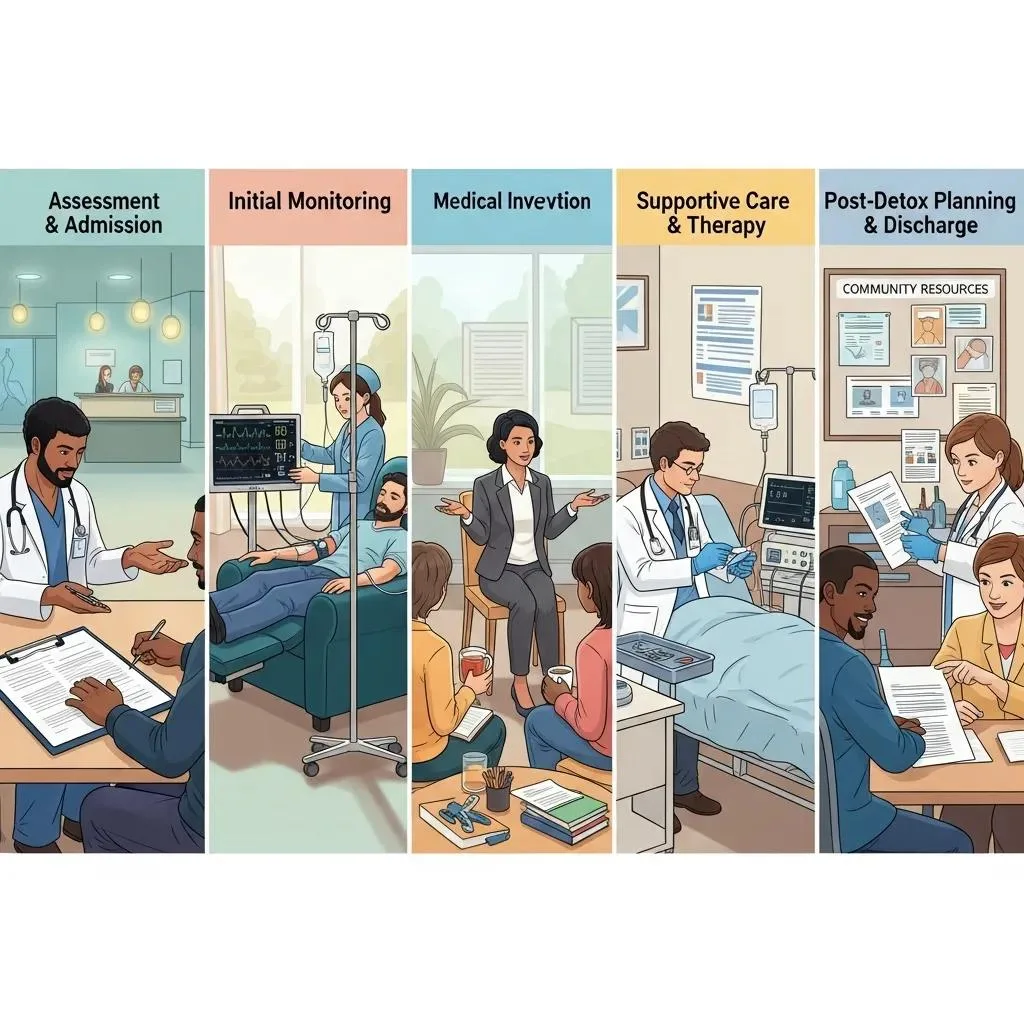
Medically supervised heroin detox follows a clear sequence: immediate intake and screening, medical stabilization with symptom control, continued observation and support, and discharge planning that links to rehab and aftercare. The program prioritizes reducing acute medical risk, stabilizing co‑occurring mental health issues, and preparing patients for the next level of care — either inpatient or outpatient. At BetterChoice Treatment Center in Las Vegas, our team follows this medically supervised model with multidisciplinary clinicians and continuous oversight to manage withdrawal safely while coordinating transitions. The outline below explains the core phases most programs use and what patients and families can expect at each step.
These introductory steps summarize the clinical workflow and typical timeframes for intake, assessment, stabilization, and referral. The table that follows compares those phases so readers can quickly see what each stage involves and how long it commonly takes.
This comparison shows how structured phases lower medical risk and create continuity into rehabilitation. The next section outlines the step‑by‑step stages patients commonly move through in an evidence‑informed detox process.
Step‑by‑step stages of our heroin detox process
- Initial contact and triage: A brief clinical screen gathers medical history, recent substance use, and immediate risk factors so staff can triage urgency and arrange same‑day admission when needed.
- Comprehensive medical assessment: Physicians and nurses perform a focused exam, order labs as indicated, and identify any co‑occurring medical or psychiatric conditions that affect the detox plan.
- Withdrawal management and stabilization: Clinicians use symptom scales and, when appropriate, medication‑assisted options to control autonomic and emotional symptoms while monitoring vitals closely.
- Observation and supportive care: Nutritional support, hydration, and non‑pharmacologic therapies such as relaxation techniques complement medical treatment to ease discomfort.
- Discharge planning and transition: Before discharge, the team arranges ongoing care — inpatient placement or outpatient programming — and provides family guidance for the next steps.
This sequence sets clear expectations for patients and families who need prompt, medically supervised care.
How are withdrawal symptoms managed safely and effectively?
Withdrawal is managed with assessment‑driven medications, frequent nursing checks, and supportive care to maintain hydration, electrolytes, and safety. Staff use validated rating scales to guide medication dosing and to spot signs that need escalation, while offering comfort measures like antiemetics, IV fluids, and sleep support. Non‑drug supports — breathing exercises, calm environments, and structured rest — help reduce anxiety and improve symptom tolerance; these are provided alongside continuous clinical oversight so any deterioration is detected quickly. Clear escalation criteria and transfer protocols ensure higher‑level care is immediately available if severe symptoms or medical complications occur.
What medication‑assisted treatments are used for heroin withdrawal?
Medication‑assisted treatment (MAT) is central in many detox programs because it reduces withdrawal severity and cravings, improving safety and treatment retention. Common medications include buprenorphine, methadone, and naltrexone, each with specific clinical roles — buprenorphine for outpatient‑friendly stabilization, methadone in licensed programs for ongoing agonist therapy, and naltrexone for relapse prevention once opioid‑free. These medicines support physiological stabilization and must be prescribed and monitored by clinicians experienced in opioid‑use disorder care; monitoring includes induction protocols, urine testing when appropriate, and follow‑up behavioral support. The table below compares typical uses and safety considerations for each option.
This table explains how each medication supports stabilization and the safety measures clinicians follow. The next section describes mechanisms and clinical scenarios where each option is appropriate.
How buprenorphine, naltrexone, and methadone support detox
Buprenorphine is a partial opioid agonist that eases withdrawal and cravings by providing limited receptor stimulation without replicating the full opioid effect, which helps stabilize physiology and lower relapse risk in early recovery. Methadone, a full agonist, effectively suppresses withdrawal and cravings within specialized, licensed programs that provide daily dosing and close oversight — making it appropriate for people with more severe opioid dependence. Naltrexone blocks opioid receptors and is started after a patient is opioid‑free to prevent relapse; it is a relapse‑prevention option rather than a withdrawal‑relief medication. Each drug requires specific induction and monitoring protocols to maximize safety and engagement in care.
Benefits and safety measures of MAT in heroin detox
MAT reduces the biological drive to use by stabilizing opioid receptors, which lowers cravings, reduces withdrawal complications, and increases retention in follow‑up treatment. Safety measures include structured induction protocols, physician oversight, dosing guidelines, and integration with counseling and behavioral therapy to address psychological factors. Regular monitoring through clinic visits, medication checks, and ongoing counseling limits diversion risk and supports better outcomes when MAT is part of a comprehensive recovery plan. Combining MAT with psychosocial support builds a more durable foundation for lasting recovery and eases the transition from detox to longer‑term treatment.
Next steps after detox: inpatient and outpatient heroin rehab options
After medical detox, choosing the right level of ongoing care depends on medical stability, psychosocial needs, and relapse risk. Options range from inpatient residential programs to outpatient models such as partial hospitalization (PHP) or intensive outpatient programs (IOP). Inpatient residential rehab offers an immersive, structured setting useful for people with unstable home environments, severe co‑occurring disorders, or high relapse risk. Outpatient programs like IOP and PHP provide intensive therapy while allowing patients to live at home, making them suitable for lower‑acuity patients or as step‑down care after residential treatment. Effective transition planning matches treatment intensity to clinical needs and uses case management to ensure appointments and support services are in place.
Benefits of inpatient heroin rehab in Las Vegas
Inpatient rehab delivers continuous clinical oversight, a structured daily schedule of therapy, and separation from environmental triggers that may have contributed to substance use. The immersive setting supports focused work in individual therapy, group counseling, and skills training so patients can build coping strategies without immediate access to substances. Some local providers also offer integrated mental‑health care and complementary therapies that support overall wellness and readiness for outpatient care. For many people, removing daily triggers and establishing recovery routines creates an important window of stability that helps long‑term engagement in treatment.
How outpatient programs support ongoing recovery
Outpatient programs such as IOP and PHP offer regular, scheduled therapy sessions — often several times per week — combining group counseling, individual therapy, and case management while patients live at home. These programs work well for people with stable supports and lower clinical acuity and serve as effective step‑down care after residential treatment to reinforce relapse‑prevention skills. Flexible scheduling and continued access to medication‑assisted treatment provide continuity, while structured therapy maintains accountability and therapeutic momentum. Outpatient care also lets people gradually resume daily responsibilities while keeping professional support in place.
How BetterChoice supports families during heroin addiction treatment

Families are vital to recovery, and structured programs offer counseling, education, and ways to be involved that improve outcomes and reduce caregiver stress. BetterChoice Treatment Center provides family‑focused services like educational workshops, family therapy options, and support‑group referrals to help loved ones understand withdrawal timelines, relapse risk, and how to participate in care without disrupting clinical boundaries. Our multidisciplinary clinicians answer family questions about safety planning, visitation guidelines, and supporting aftercare. These resources help families make informed decisions and create a collaborative environment that supports a patient’s move into sustained treatment.
Resources and counseling available for families
Family offerings commonly include scheduled family therapy to improve communication, psychoeducation classes about opioid‑use disorder and relapse prevention, and referrals to community peer‑support groups for ongoing help. Clinicians may run structured sessions that teach de‑escalation, boundary setting, and ways to support adherence to medication‑assisted treatment and outpatient care. These services help families move from enabling behaviors to constructive support that encourages long‑term recovery while addressing caregiver stress and safety planning. Families are encouraged to join care planning meetings so they understand discharge recommendations and follow‑up resources.
How families can help loved ones through detox and recovery
Families can help by preparing a safe, supportive aftercare environment, learning the typical withdrawal timeline and realistic expectations, and coordinating logistics like appointments and medication continuity. Practical steps include arranging transportation to follow‑up programs, keeping communication open without pressuring the person in treatment, and creating a crisis plan that preserves safety. Caregiver self‑care is equally important: families should use their own support networks and educational resources to manage stress and avoid burnout. Clear, calm communication and participation in structured family sessions increase the chances of a successful transition from detox to ongoing care.
- Do: Attend family education sessions and learn about MAT and relapse‑prevention strategies.
- Do: Help arrange transportation and support follow‑up appointment attendance.
- Don’t: Provide access to substances or ignore signs of worsening mental health.
- Don’t: Try complex medical care at home without clinician guidance.
How to get started: admissions, insurance verification, and what to expect
Starting the admission process for medically supervised heroin detox usually involves a few straightforward steps: contact the admissions team, complete a medical and substance‑use history, and follow pre‑admission instructions to support a safe intake. Many centers provide rapid triage to assess medical urgency and arrange same‑day or next‑day admission when appropriate; families should have medication lists and relevant medical history ready. Insurance verification requires policy details and may involve authorization steps that admissions staff will help coordinate — verifying benefits early can reduce delays. The table below outlines common admissions actions, who handles them, and expected timeframes so callers know what to expect.
How to begin the heroin detox admission process
Start by calling the treatment center’s admissions team to describe the current situation, recent substance use, and any immediate medical concerns; an intake coordinator will triage urgency and explain next steps. The clinical intake includes a structured medical history, screening for co‑occurring psychiatric conditions, and guidance on what to bring — ID, medication lists, and medical records. Pre‑admission instructions may include fasting or arrival procedures that help with a timely medical evaluation. Throughout, admissions staff coordinate with clinical teams to prioritize safety and arrange a rapid transition into detox when clinically needed.
Which insurance providers are accepted and how to verify coverage?
Insurance acceptance varies by facility and policy, but the verification process is consistent: give the admissions team your policy details, request a benefits check, and ask about any required pre‑authorization for medically supervised detox. Admissions staff typically contact payers to confirm coverage and any prior‑authorization needs, then report the results and next steps. Because networks and benefits change, direct verification through admissions is the most reliable way to learn covered services and estimated out‑of‑pocket costs. Expect verification to take anywhere from the same day up to a few business days depending on the payer and authorization requirements.
Key verification steps:
- Provide policy name, member ID, and date of birth to admissions staff.
- Request a benefits check for medical detox and ask about prior‑authorization requirements.
- Confirm which services are covered and any estimated patient responsibility.
- Prepare documentation before you call: Have ID, medication lists, and any medical records ready to speed triage and intake.
- Ask admissions about care coordination: Confirm how the program will refer you to inpatient or outpatient follow‑up after stabilization.
- Keep family informed: Designate one point person to manage logistics and communication with admissions.
Frequently Asked Questions
What are the signs that someone may need heroin detox?
Signs that someone may need heroin detox include intense cravings, withdrawal symptoms like nausea, sweating, shaking, and anxiety, and behavioral changes such as withdrawal from responsibilities or social isolation. Repeated use despite wanting to stop, or failed quit attempts, are strong indicators that detox and treatment are needed. If someone shows signs of overdose or severe health problems related to heroin use, seek immediate medical attention.
How long does the heroin detox process typically take?
Acute heroin detox usually lasts about 7 to 10 days, depending on the person’s level of dependence and overall health. Withdrawal commonly begins 6–12 hours after the last use, peaks around 48–72 hours, and then gradually eases. Some people experience post‑acute withdrawal symptoms that can continue for weeks or months. Continuous medical supervision during the acute phase is important to manage symptoms and ensure safety.
What role do family members play during the detox process?
Family members provide emotional support, help create a safe aftercare environment, and can participate in family therapy and education sessions. Their involvement improves communication, helps with logistics like transportation, and supports adherence to aftercare plans. Learning about addiction and recovery empowers families to support their loved one while protecting their own well‑being.
Are there any risks associated with heroin detox?
Yes. Detoxing from heroin without medical supervision can lead to severe withdrawal symptoms, dehydration, electrolyte imbalances, and a higher risk of relapse. In rare cases, complications such as seizures or cardiovascular problems can occur. Medically supervised detox programs reduce these risks through continuous monitoring, medication‑assisted treatment, and supportive care.
What should I expect during the initial assessment for detox?
The initial assessment includes a medical history review, substance‑use screening, and a physical exam to determine the severity of dependence and any co‑occurring medical or psychiatric conditions. Vital signs are checked, and a personalized detox plan is developed. This evaluation is generally completed the same day as admission to ensure timely care.
How can I support someone in recovery after detox?
Support someone in recovery by encouraging continued treatment like outpatient therapy or support groups, keeping communication open and non‑judgmental, and helping them build a routine that avoids triggers. Assist with transportation, medication adherence, and appointments as needed. Families should also care for themselves and seek support to manage the stress of helping a loved one in recovery.
What are the differences between inpatient and outpatient rehab after detox?
Inpatient rehab provides a structured, residential environment with 24/7 care and intensive therapy — often best for people with unstable home situations or severe co‑occurring disorders. Outpatient rehab allows individuals to live at home while attending scheduled therapy sessions and is appropriate for those with stable supports or as step‑down care after residential treatment. The choice depends on clinical needs, support systems, and relapse risk.
Conclusion
Choosing a medically supervised heroin detox program in downtown Las Vegas gives you a safer, more effective way to get through withdrawal and move toward recovery. With continuous clinical oversight and individualized medication‑assisted care, people can stabilize their health and prepare for the next level of treatment. This structured approach improves the odds of successful rehabilitation and helps families navigate the complexities of addiction care. Take the first step by contacting our admissions team — we’re ready to help you or your loved one begin recovery.