

Nutrition for Addiction Recovery and Brain Health: How Smart Eating Supports Sobriety and Cognitive Recovery
Good nutrition helps the brain and body heal after substance use by replacing lost nutrients, keeping blood sugar steady, and supporting neurotransmitter balance—so people can participate fully in treatment. This guide explains how focused food choices and simple meal patterns promote neuroplasticity, lower inflammation, and reduce relapse risk by easing cravings and mood swings. You’ll find which nutrients most directly support brain repair, how the gut–brain connection matters in sobriety, and practical meal-planning strategies that work during detox and inpatient rehab. We also explain how a clinical program can use nutrient-dense, appealing meals and team-based care to support long-term cognitive wellness. Each section blends clear mechanisms, evidence-informed recommendations, and actionable steps so you can put nutrition strategies into practice right away in early recovery and beyond.
Why Is Nutrition Essential for Addiction Recovery?
Nutrition matters in recovery because it restores nutrients depleted by substance use, steadies energy and blood sugar, and supports the chemistry that controls mood and motivation. Rebuilding these biological foundations sharpens thinking and makes it easier to engage in therapy—both of which lower relapse risk and improve quality of life. Proper nutrition speeds physical healing after detox and reduces symptoms like fatigue, anxiety, and disrupted sleep that can trigger cravings. Below we outline common nutrient shortfalls from substance use and the measurable benefits targeted nutrition delivers for mood stability and sustained sobriety.
Many substances deplete B vitamins, vitamin D, amino acids, protein stores, and essential fatty acids—changes that impair neurotransmitter production and raise neuroinflammation. Those deficits can sap cellular energy, blunt dopamine and serotonin signaling, and weaken decision-making and impulse control in early recovery. Replenishing these nutrients through food and, when needed, targeted supplements supports neural repair and cognitive resilience, improving the ability to take full advantage of behavioral treatment. Recognizing these specific gaps helps clinicians prioritize dietary interventions during detox and the early rehab phase.
Clinically, nutrition influences clear outcomes: fewer cravings, steadier mood, better sleep, and faster physical recovery from withdrawal. Balanced meals that stabilize blood sugar reduce impulsive behavior and blunt abrupt craving spikes. Protein and amino-acid replenishment restores neurotransmitter precursors that support motivation, while anti-inflammatory nutrients encourage neuroplasticity and cognitive repair. Together, these effects help people stay engaged in treatment and increase the chance of lasting sobriety.
For those looking for programs that combine nutrition with medical and behavioral care, many centers treat diet as part of whole-person recovery. BetterChoice Treatment Center, for example, emphasizes inpatient care with nutrient-dense, chef-prepared meals; see the program-focused section later for how these services support clinical nutrition goals. This connection makes clear that nutritional strategies are clinical tools, not just lifestyle tips, during detox and rehabilitation.
How Does Substance Abuse Affect Nutrient Levels and Brain Function?
Substance use can disrupt nutrient absorption, increase metabolic needs, and displace regular eating patterns—leading to deficiencies that harm brain function. Chronic alcohol use, for example, is often linked to thiamine (B1) deficiency and related cognitive problems, while stimulants and opioids commonly suppress appetite and reduce intake of protein and essential fats. These gaps lower the supply of neurotransmitter precursors and increase oxidative stress and neuroinflammation, which together interfere with learning, memory, and emotional control during recovery.
From a clinical perspective, these biochemical shifts create a cascade: low amino-acid availability reduces dopamine and serotonin synthesis, vitamin shortages impair neuronal energy metabolism, and fatty-acid deficits change membrane fluidity that’s essential for synaptic signaling. Restoring these nutrients supports neuronal energy, synaptic repair, and the reestablishment of healthier reward and executive-control circuits—key processes for resisting cravings. Early nutrition assessment at intake can guide targeted interventions that support cognitive recovery and reduce acute relapse triggers.
What Are the Benefits of Proper Nutrition in Supporting Sobriety and Mood Stability?
Right nutrition reduces physiological triggers for relapse and strengthens psychological resilience by improving mood and energy. Balanced meals help stabilize blood sugar, lowering impulsivity and the intensity of cravings, while enough protein and micronutrients support neurotransmitter balance that underpins emotional regulation. Foods rich in antioxidants and anti-inflammatory compounds help reduce neuroinflammation and oxidative damage, which improves cognition and eases anxiety symptoms common in early sobriety.
Beyond biochemistry, good nutrition boosts engagement in therapy by increasing energy, improving sleep, and restoring physical health—changes that enable more focused participation in counseling and group work. Better appetite control and purposeful meal planning also rebuild daily structure, an important behavioral support for relapse prevention. The next section identifies the specific nutrients that drive these benefits and practical ways to add them to recovery-focused meal plans.
Which Nutrients Are Key for Brain Repair and Mental Well-being in Recovery?
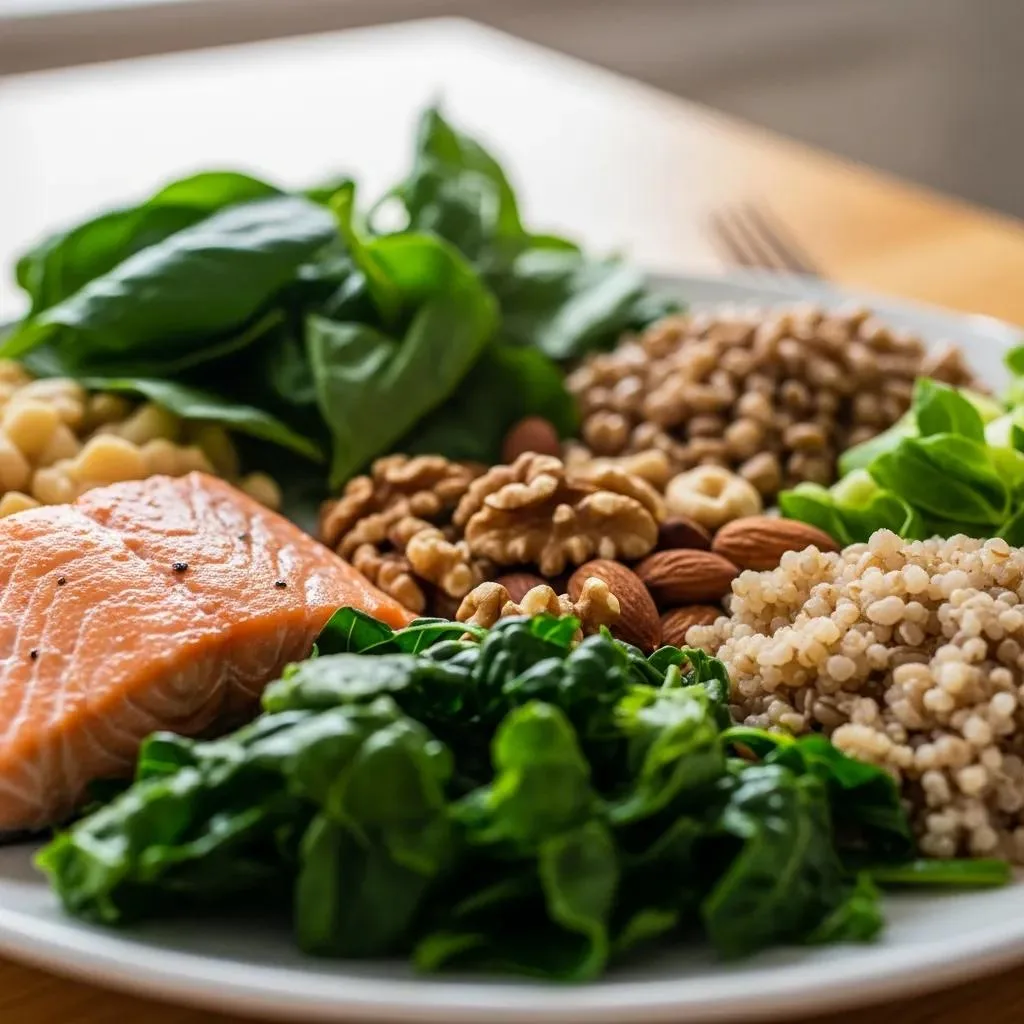
Certain nutrients speed brain repair by supplying neurotransmitter building blocks, lowering inflammation, and supporting cell membranes and mitochondrial function. Prioritizing omega-3 fatty acids, B vitamins, quality protein and amino acids, antioxidants, vitamin D, and minerals like magnesium creates a practical framework for restoring cognitive and emotional health. The table below summarizes these nutrients, how they work, and easy food sources to help plan recovery-focused meals.
Below is a concise reference table summarizing essential nutrients, how they work, and where to find them in whole foods.
This snapshot shows which foods most directly support neural repair and mental well-being in recovery. The sections that follow dig deeper into omega-3s, B vitamins, and amino acids with clear, practical intake strategies.
What Role Do Omega-3 Fatty Acids Play in Neuroplasticity and Inflammation Reduction?
Omega-3s—especially DHA and EPA—become part of neuronal membranes where they influence inflammation and synaptic signaling, supporting neuroplasticity during recovery. DHA improves membrane fluidity, aiding receptor function and neurotransmitter release, while EPA reduces inflammatory activity that can harm brain cells. Together, dietary omega-3s help recreate the cellular environment needed for learning new behaviors and shifting away from old reward patterns.
In practice, aim for fatty fish two to three times a week or include plant sources like flax, chia, and walnuts daily if you don’t eat fish. When intake is limited, clinicians may recommend EPA/DHA supplements under medical supervision to reach therapeutic levels. Pairing omega-3–rich foods with protein and antioxidants creates balanced meals that support cognitive repair and mood stabilization.
How Do B Vitamins and Amino Acids Support Energy, Mood, and Neurotransmitter Production?
B vitamins are essential cofactors in pathways that make cellular energy and neurotransmitters, while dietary amino acids provide the building blocks for dopamine, serotonin, and GABA. Thiamine, B6, B12, and folate play key roles in converting nutrients into active neurotransmitters and in maintaining myelin and neuronal health. Without adequate B vitamins and amino acids, other therapeutic efforts for mood and cognitive recovery may be less effective.
To support intake, include varied protein sources, whole grains, legumes, dark leafy greens, and fortified foods across meals. Simple patterns—protein at each meal with whole carbohydrates and vegetables—help deliver amino acids and B vitamins in bioavailable forms. If you suspect clinical deficiencies, ask for assessment and coordinate any supplementation with the medical team during detox and early treatment.
How Does the Gut-Brain Axis Influence Addiction Recovery and Brain Health?

The gut–brain axis links the central nervous system and the digestive tract through neural, hormonal, and immune pathways—so gut health directly affects mood, stress responses, and cognition during recovery. Microbial metabolites such as short-chain fatty acids and gut-derived neurotransmitter precursors influence inflammation and brain signaling, which can either help or hinder emotional regulation after substance use. Improving gut health is therefore a practical target to reduce anxiety, cravings, and brain fog early in sobriety.
Balancing the microbiome with dietary fiber, fermented foods, and consistent meal timing helps restore beneficial metabolites and lowers gut-driven inflammation that can worsen mood and impulsivity. Practical steps include boosting prebiotic fiber, adding probiotic-rich foods, and cutting back on refined sugars and ultraprocessed items that promote dysbiosis. These changes create a friendlier internal environment for neural recovery and behavioral change.
Below is a short list of practical gut-targeted actions readers can implement to support emotional and cognitive wellness during sobriety.
- Include fermented foods regularly: Small portions of yogurt, kefir, sauerkraut, or kimchi add live microbes that support gut diversity.
- Aim for diverse fiber sources daily: Vegetables, legumes, whole grains, and fruit feed beneficial bacteria and encourage production of calming metabolites.
- Limit added sugar and ultra-processed foods: Cutting these back supports microbiome stability and lowers inflammation that can worsen mood.
What Is the Gut-Brain Connection and Its Impact on Mental Health During Sobriety?
The gut–brain connection describes two-way signaling where gut microbes influence the brain through metabolites, nerves, and immune signals—affecting mood and thinking in sobriety. Dysbiosis can raise systemic inflammation and change production of neurotransmitter precursors, which may aggravate anxiety, depression, and cravings. Restoring microbial balance supports clearer thinking and steadier mood, helping people engage more effectively in therapy and relapse-prevention work.
Research shows that diets that boost microbial diversity can improve depressive symptoms and cognitive function for many people, though responses vary and should be monitored clinically. Gradual changes—more fiber, fermented foods, and steady meal timing—often produce measurable benefits within weeks and support long-term brain health in recovery.
How Can Probiotics and Prebiotics Support Digestive and Emotional Wellness in Recovery?
Probiotic foods and prebiotic fibers can help rebalance the microbiome and increase short-chain fatty-acid production, which reduces inflammation and affects neurotransmitter pathways. Food-first recommendations include plain yogurt or kefir for live cultures, fermented vegetables for diversity, and prebiotic-rich choices like onions, garlic, asparagus, oats, and legumes to feed beneficial bacteria. Supplements are an option under care-team guidance, especially for persistent digestive symptoms or clinical dysbiosis.
Because microbiome responses are individual and supplements can interact with medications, discuss probiotic or prebiotic products with medical staff during detox or inpatient care. Starting with food-based sources minimizes risk and supports overall nutrient intake; targeted supplements can then be used selectively under clinical supervision to support digestion and emotional resilience in early recovery.
What Are Practical Healthy Eating Habits and Meal Planning Strategies During Rehab?
Structured meal planning in rehab helps stabilize blood sugar, reduce cravings, and model sustainable habits that support long-term sobriety. Consistent meals and snacks that combine protein, complex carbs, healthy fats, and fiber steady energy and mood, lowering physiological triggers that lead to relapse. The checklist and plate model below give concrete steps to build balanced nutrition into daily schedules common to inpatient and outpatient programs.
This checklist outlines core, practical habits to adopt during rehab and early recovery.
- Eat regular, scheduled meals: Aim for three meals and one to two planned snacks to avoid long gaps that trigger cravings.
- Include protein with every meal: Protein provides amino acids needed for neurotransmitter production and lasting fullness.
- Favor complex carbohydrates and fiber: Choose whole grains, legumes, and vegetables to stabilize blood sugar and support the microbiome.
- Add healthy fats: Olive oil, avocado, nuts, and fatty fish support brain membranes and lower inflammation.
- Hydrate consistently: Sip water throughout the day to support metabolism and cognitive function.
Adopting these habits reduces energy crashes and impulsive eating, helping maintain the focus needed for therapy and relapse-prevention work. The sample day and plate example below make these habits easy to visualize and apply in a rehab setting.
Below is a practical plate/meal-component table showing how to construct balanced recovery-focused meals and approximate portions.
This plate model is adaptable to personal preferences and clinical needs while maintaining the core functions that support brain repair and mood stability. The H3 subsections that follow cover blood-sugar management, cravings, hydration, and mindful eating in more detail.
How Can Balanced Meal Plans Help Manage Cravings and Stabilize Blood Sugar?
Balanced meals reduce cravings by pairing protein, fiber, and healthy fats to slow glucose absorption and keep you fuller longer. Protein at every meal supplies neurotransmitter precursors and lowers the urge for quick carbohydrate “fixes” that can trigger craving cycles. Regular eating every 3–4 hours helps prevent low-blood-sugar–like symptoms that often mimic or spark substance cravings.
A sample day might include a protein-rich breakfast (eggs with vegetables and whole-grain toast), a mid-morning yogurt and fruit snack, a lunch with lean protein and legumes, an afternoon nut-based snack, and dinner centered on fish, whole grains, and vegetables. That structure steadies energy, supports mood, and models sustainable habits for aftercare, reinforcing routines that help prevent relapse.
Why Is Hydration and Mindful Eating Important for Detoxification and Long-Term Recovery?
Hydration supports metabolic detox, keeps thinking sharp, and helps regulate mood during and after detox, while mindful eating rebuilds a healthier relationship with food and reduces impulsive patterns tied to emotions. Adequate fluids aid kidney and liver function needed to process byproducts of recovery and prevent dehydration-related fatigue and mental clouding. Mindful eating—slowing down, noticing hunger and fullness, and removing distractions—reduces binge-prone behaviors and encourages intentional choices.
Simple targets include sipping water regularly and using mindful prompts like taking three deep breaths before a meal, chewing slowly, and pausing halfway through to check fullness. These small practices support physiological healing and strengthen self-regulation skills that translate into better coping with cravings and stress without substances.
At the program level, some inpatient centers offer nutrient-dense, chef-prepared meals to stabilize blood sugar, ensure balanced macros, and model meal planning for patients. The next section explains how one center integrates those services into clinical care.
How Does BetterChoice Treatment Center Integrate Nutrition into Addiction Recovery Programs?
BetterChoice Treatment Center weaves nutrition into its inpatient rehabilitation model through chef-prepared, nutrient-dense meals and a multidisciplinary care approach focused on whole-person recovery. The center provides medical detox and residential rehab in a calm, comfortable setting with evidence-based care from a team of specialists. Chef-prepared meals are highlighted among onsite services, signaling that nutrition is an active part of the clinical environment that supports healing and comfort.
Below is a service-to-program mapping table that outlines how on-site offerings seen in available descriptions align with program stages and what patients can typically expect. Program details vary, so confirm specifics at intake and ask how individualized nutrition counseling is handled.
This mapping shows how nutrition services sit alongside medical and therapeutic care to support cognitive and behavioral recovery. Individuals and families should ask about nutrition assessment and meal planning during admissions to understand how dietary needs will be met.
What Makes BetterChoice’s Gourmet Meals Support Brain Health and Recovery?
In an inpatient setting, gourmet meals can be carefully planned to deliver the nutrient density and balanced macronutrients needed for brain repair and mood stability while also appealing to appetites. Flavorful preparations increase the chance patients will consume enough protein, healthy fats, whole grains, and colorful vegetables—foods that support neurotransmitter synthesis and lower inflammation. Attractive presentation and regular meal timing also help re-establish routines that stabilize blood sugar and reduce craving-driven behavior.
Because BetterChoice emphasizes personalized, evidence-based care and a multidisciplinary team, gourmet meals serve as both nutritional therapy and a behavioral model—showing practical plate-building and portioning strategies patients can use after discharge. Ask during intake how meals are tailored for allergies, preferences, or specific clinical deficiencies.
How Is Individualized Nutrition Counseling Provided to Enhance Sobriety Outcomes?
Descriptions of the center emphasize a multidisciplinary team and personalized care, though specific details about formal nutrition counseling should be confirmed with admissions staff. In programs like this, individualized nutrition counseling typically includes an initial assessment, recommendations to address deficiencies and metabolic needs, meal-plan adjustments for coexisting conditions, and follow-up coordination with medical and mental-health providers. Ask whether a registered dietitian or nutrition specialist is part of the care team and how nutrition follow-up is arranged after discharge.
If individualized counseling is available, expect a review of medical history and labs, tailored meal suggestions to support neurotransmitter recovery, and practical coaching to create sustainable habits after treatment ends. Confirming these services at intake helps ensure nutrition goals are built into the overall treatment plan and that aftercare supports are arranged before leaving inpatient care.
Frequently Asked Questions
1. How can nutrition impact mental health during addiction recovery?
Nutrition helps mental health in recovery by supplying nutrients needed for neurotransmitter production and brain function. A balanced diet can steady mood, reduce anxiety, and sharpen thinking—making it easier to engage in therapy and stay sober. Nutrient-rich foods can also ease withdrawal symptoms and curb cravings, helping people focus on recovery. Addressing nutritional gaps supports emotional resilience and overall well-being during this difficult time.
2. What are some common dietary challenges faced during recovery?
Common challenges include cravings for sugar and processed foods, appetite changes that lead to overeating or undereating, limited access to healthy options, lack of cooking skills, and financial constraints. These factors can make consistent, nutritious eating difficult. Developing simple strategies—planned meals, easy recipes, and basic shopping tips—can help overcome these obstacles and keep nutrition on track during recovery.
3. How can meal planning support long-term sobriety?
Meal planning builds a structured eating routine that stabilizes blood sugar and reduces cravings. Preparing balanced meals with protein, healthy fats, and whole carbohydrates keeps energy and mood steady—important for resisting relapse triggers. Planning also encourages mindful eating and helps form healthier relationships with food, reinforcing the behavior skills needed for lasting recovery. These practical habits make long-term sobriety more achievable.
4. What role do hydration and mindful eating play in recovery?
Hydration supports metabolism, brain function, and mood—helping prevent fatigue and cognitive fog that can interfere with recovery. Mindful eating trains attention to hunger and fullness, curbs impulsive eating tied to emotions, and encourages deliberate food choices. Together, these practices foster a healthier relationship with food and improve overall well-being, making them key parts of a successful recovery plan.
5. How can individuals ensure they are getting enough essential nutrients during recovery?
Focus on a varied diet of whole foods: fruits, vegetables, whole grains, lean proteins, and healthy fats. Working with a registered dietitian provides personalized guidance for any deficiencies or special needs. Keeping a simple food log can also help track intake and highlight gaps. When necessary, lab testing and supervised supplementation can address clinical shortfalls under medical guidance.
6. Are there specific foods that can help reduce cravings during recovery?
Yes. Protein-rich foods like lean meats, legumes, and dairy help stabilize blood sugar and promote fullness, which can curb cravings. Complex carbohydrates—whole grains and fiber-rich fruits and vegetables—provide steady energy and avoid blood-sugar spikes. Omega-3 sources, such as fatty fish and walnuts, support brain health and mood regulation, further helping manage cravings.
7. How can support from family and friends enhance nutritional success in recovery?
Family and friends play a big role by offering encouragement, accountability, and practical help—like grocery shopping, meal prep, and sharing healthy recipes. A supportive network creates a positive eating environment that makes it easier to stick with meal plans. That social support strengthens both nutrition goals and emotional ties, which are essential for lasting sobriety and well-being.
Conclusion
Making nutrition a priority supports brain healing and strengthens recovery from addiction. By focusing on key nutrients, steady meal patterns, and gut health, people can stabilize mood, reduce cravings, and improve cognitive function—building a stronger foundation for lasting sobriety. Implementing these practical strategies during treatment and after discharge sets the stage for long-term wellness. Explore our resources to learn how nutrition can support your recovery journey.