
Harm reduction in addiction: Practical programs and prevention across Nevada
Harm reduction treats substance use as a public-health issue. Rather than demanding immediate abstinence, it focuses on lowering the risks people face today. This guide explains what harm reduction looks like in practice, how clinical services — from medical detox to inpatient rehab — act as harm-reduction tools, and why Nevada-specific details matter for families and individuals seeking clear options. You’ll find practical steps for preventing overdose, how counseling and medication-assisted approaches cut long-term harm, and what supervised consumption and syringe-service programs do in communities. We map typical intake steps, likely timelines, privacy concerns, and where to get naloxone and training in Nevada — all in plain language for people who feel overwhelmed. After outlining core principles, we walk through detox, inpatient care, naloxone distribution, supervised consumption evidence, and counseling options, ending with targeted resources and gentle next steps.
What are harm reduction strategies in addiction?
Harm reduction includes practical services that lower illness and death linked to substance use by meeting people where they are and reducing immediate dangers. These strategies break pathways to fatal outcomes — for example, providing naloxone to reverse overdoses or sterile supplies to prevent infections — and offer low-barrier connections to health care that make it easier to enter treatment later. The results are measurable: fewer overdose deaths, less infectious disease spread, and stronger links to ongoing care. Knowing the core principles helps families and clinicians pick staged, respectful interventions that increase safety and health.
What are the key principles of harm reduction?
Harm reduction is built on practical, people-first principles that emphasize safety, evidence, and small, achievable steps.
- First, meeting people where they are recognizes that readiness to change varies and that reducing immediate risks matters—even if someone isn’t ready to stop using.
- Second, non-judgmental care focuses on lowering harms rather than assigning blame, which builds trust and increases service use.
- Third, pragmatism and incremental progress favor realistic actions — like carrying naloxone or starting medication-assisted treatment — over all-or-nothing ideals.
These principles guide program design in clinics and communities and set up measures that directly reduce illness and death.
How do harm reduction programs improve addiction outcomes?
Harm reduction reduces immediate dangers and opens pathways to longer-term care by building trust and integrating services. Overdose-prevention efforts like naloxone distribution save lives right away, while syringe-service programs cut infection rates and provide points of contact for health education and referrals. These programs also screen for co-occurring conditions and connect people to counseling or medication-assisted treatment (MAT). By lowering bureaucratic and stigma-related barriers, harm reduction increases the chance that someone will accept more intensive treatment when they’re ready — which, over time, reduces chronic harms and improves daily functioning.
How does medical detox serve as a harm reduction strategy?

Medical detox is a short-term, clinically supervised process that stabilizes people through withdrawal and lowers immediate medical and overdose risks. Detox manages the body’s withdrawal symptoms with monitoring, medications when needed, and round-the-clock clinical oversight to prevent dangerous complications — for example, severe alcohol withdrawal or unmanaged opioid withdrawal that can lead to life-threatening events. The short-term goal is safety and stabilization; the next step is linking the person to follow-up care such as inpatient rehab or outpatient treatment. In short, medical detox replaces risky, unsupported withdrawal at home with monitored care that reduces harm, eases medication transitions, and creates a pathway to ongoing recovery supports.
Different detox approaches have distinct timelines, supervision needs, and main harm-reduction benefits. The table below compares common types and clinical features for quick reference.
This comparison highlights how oversight and timelines differ and why detox focuses on short-term safety while preparing people for ongoing treatment. The next section explains specific benefits for opioid and alcohol withdrawal and how those translate into safer transitions of care.
What are the benefits of medical detox for opioid and alcohol withdrawal?
Supervised detox controls symptoms, provides continuous monitoring, and allows for rapid medical response — all of which sharply reduce the immediate dangers of opioid and alcohol withdrawal. For opioid withdrawal, clinical care often includes medication-assisted approaches that lower cravings and reduce relapse risk, making transitions to ongoing maintenance treatment safer. For alcohol withdrawal, medical oversight can detect and treat serious complications like seizures and delirium tremens, which can be fatal without care. Stabilizing the body during detox also creates a window to begin behavioral therapies and set up continuing care that lowers long-term risk.
How does Better Choice Treatment Center implement medical detox for harm reduction?
Better Choice Treatment Center in Las Vegas provides medically supervised detox designed around safety, a multidisciplinary care team, and patient confidentiality. Intake includes a health screen and monitoring with 24/7 supervision, letting staff manage withdrawal across substances and build individualized transition plans. We help with insurance checks to reduce paperwork barriers and protect privacy so families and individuals can seek care without unnecessary exposure. These operational steps show how an accredited provider can use detox to reduce immediate harm and arrange next-step referrals.
How does inpatient rehab reduce long-term harm in addiction recovery?
Inpatient rehab lowers long-term harm by offering a structured, intensive program that combines therapy, medical support, and a supervised setting to break cycles of high-risk use. Residential care stabilizes daily routines, provides frequent therapy, and integrates medical and psychiatric treatment for co-occurring conditions — all of which reduce relapse risk and related harms over time. The program’s structure lets people focus on relapse-prevention skills while staying away from triggers; with good aftercare planning, inpatient rehab improves the odds of lasting recovery and lower long-term harm.
This comparison shows how stronger supervision and integrated therapies in inpatient settings offer greater protection against relapse and medical harm. Below we outline the therapies that support relapse prevention and whole-person healing.
What therapies support relapse prevention and holistic healing?
Successful inpatient programs mix evidence-based therapies so each treatment angle tackles different relapse drivers. Cognitive Behavioral Therapy (CBT) builds coping skills and shifts unhelpful thinking. Motivational Interviewing (MI) strengthens readiness to change and commitment to recovery. Group therapy offers peer support and shared learning, and family therapy repairs relationships that can protect against relapse. Trauma-informed care and, when appropriate, integration with Medication-Assisted Treatment (MAT) further reduce risk by addressing underlying mental-health drivers and stabilizing biology.
How does treating co-occurring disorders enhance harm reduction?
Treating mental-health conditions alongside substance use is essential to harm reduction because untreated psychiatric issues often fuel substance use, increase relapse risk, and raise the chance of self-harm. Integrated screening finds common co-occurring conditions like anxiety, depression, and PTSD, and combined treatment models deliver psychiatric care and substance-use therapies together. Treating both areas reduces symptom-driven use, improves adherence to medications, and boosts engagement in therapy — turning a fractured care path into a cohesive plan that lowers long-term risk.
What role does naloxone distribution play in opioid overdose prevention in Nevada?
Naloxone is a life-saving medication that temporarily reverses opioid overdose by knocking opioids off brain receptors and restoring breathing. Broad naloxone access is a core, immediate harm-reduction strategy. Widespread kits reduce fatal overdoses and let emergency responders, peers, and family members stabilize someone long enough for medical care and treatment referrals. Distribution happens through pharmacies, community programs, and public-health initiatives; pairing kits with brief training increases confidence and the likelihood they’ll be used. The table below lists common Nevada-style access points and practical notes for finding kits and training.
Knowing where to look for naloxone and training helps families and friends act quickly during an emergency. The next section explains how naloxone works and what to do during a suspected overdose.
How does naloxone work to reverse opioid overdose?
Naloxone blocks opioid receptors and can quickly restore breathing within minutes of use. Signs of an opioid overdose include unresponsiveness, very slow or stopped breathing, pinpoint pupils, and bluish lips or fingernails — recognizing these signs is critical. The immediate steps are: call emergency services, give naloxone according to the kit instructions, and provide rescue breathing or CPR if needed until help arrives. Naloxone is a temporary measure that buys life-saving time for medical care and helps connect people to post-overdose resources and treatment.
Where can Nevada residents access naloxone kits and training?
In Nevada, naloxone is commonly available at pharmacies, county health departments, and community outreach programs that distribute free kits and short trainings. When you pick up a kit, ask for a hands-on demonstration and clear guidance on what to do after using it, including who to call and how to access follow-up care. Training builds confidence to act and reinforces that naloxone is safe to give even if you aren’t certain opioids are involved. Families are encouraged to keep naloxone at home and pair it with a plan that includes calling 911 and getting follow-up care for the person who overdosed.
What are supervised consumption sites and their impact on harm reduction?
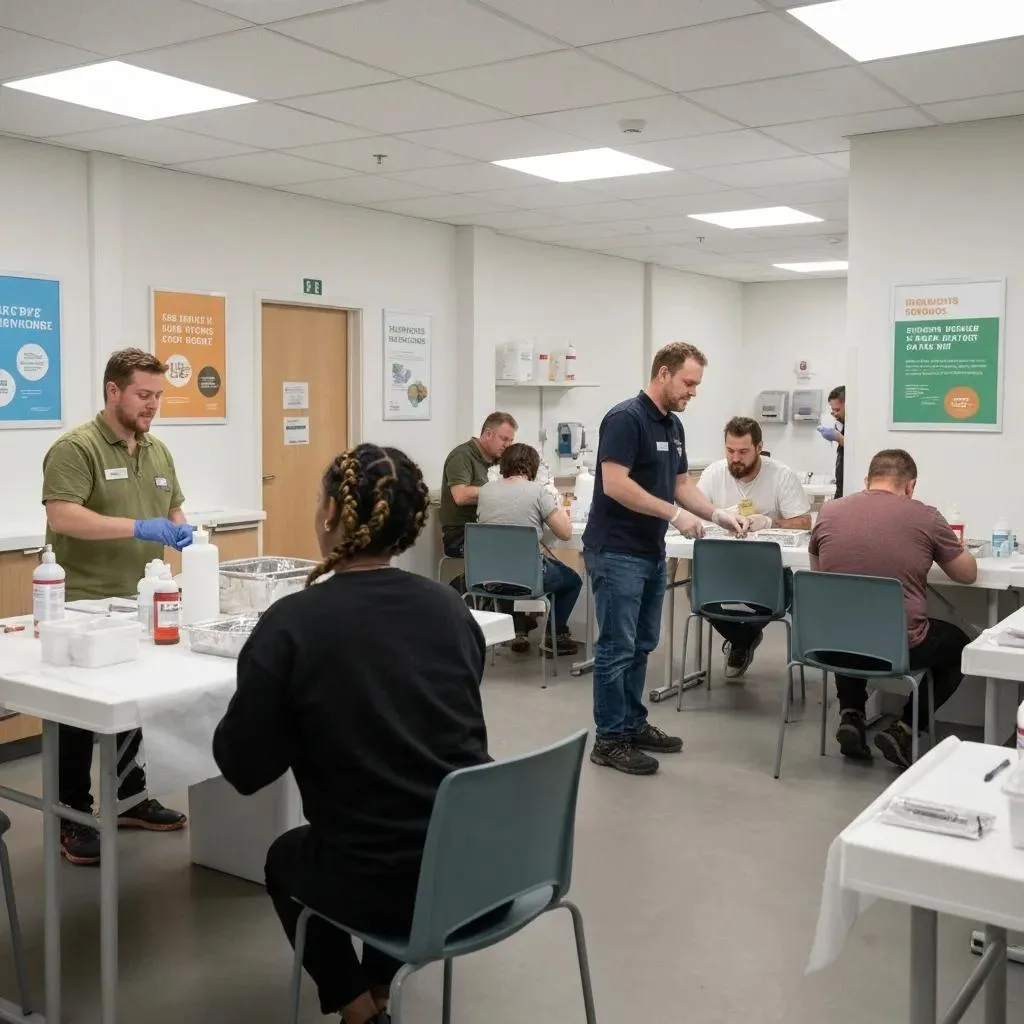
Supervised consumption sites — also called safe consumption or overdose prevention centers — are clinically supervised locations where people can use pre-obtained substances under observation. These sites provide sterile supplies, immediate overdose response, and on-site access to health and social services, which reduces overdose deaths and the spread of infections while creating regular touchpoints for treatment referrals. Studies from places that operate these sites report less public injecting, lower overdose mortality, and stronger links to care. Still, legal and political debates often influence whether and how communities adopt them. The list below summarizes main benefits and common controversies discussed in policy conversations.
Supervised consumption sites present several documented benefits and recurring controversies:
- Reduced Overdose Deaths: On-site medical supervision and naloxone prevent fatalities.
- Lower Infectious Disease Risk: Sterile supplies and safer practices reduce HIV and hepatitis C transmission.
- Improved Service Linkage: Regular contact points make referrals to counseling, detox, and housing easier.
- Community Concerns: Legal, political, and public-safety questions require careful policy and stakeholder work.
These points frame the broader policy discussion. The next section looks at how Nevada and other places balance the public-health and legal dimensions of supervised consumption.
US harm reduction policy: progress and challenges
Policy on harm reduction in the United States has moved forward in recent years but still often trails the approaches used in parts of Europe and elsewhere. Federal positions have shifted over time, and state and local authorities have taken much of the lead in implementing pragmatic programs in response to the opioid crisis. Progress has been uneven, influenced by political changes and legal boundaries, yet growing bipartisan and local support for practical interventions continues to advance harm reduction work.
What are the benefits and controversies of safe injection sites?
Research shows safe injection sites can lower overdose deaths, reduce public drug use, and increase referrals to treatment and social services — making them useful harm-reduction tools where overdose risk is high. Controversies include legal challenges under federal drug laws, concerns that sites could attract drug activity, and political resistance that complicates implementation. Evidence-based approaches demonstrate these sites can operate alongside law enforcement and community safety efforts while easing strain on emergency services. Communities weighing pilot programs should balance public-health benefits against legal and social trade-offs.
How is Nevada addressing policy and public health around supervised consumption?
Nevada public-health planning typically reviews evidence from international and domestic pilot sites while weighing legal constraints and community input to determine feasible harm-reduction steps. Policymakers study outcomes from jurisdictions that have run overdose prevention centers and assess effects on mortality, public safety, and service linkage. Meanwhile, expanding naloxone access, syringe services, and treatment referrals are immediate, scalable actions available now. Stakeholder engagement, small data-driven pilots, and careful legal review are common pathways Nevada jurisdictions use when exploring these complex options.
How does counseling support harm reduction in addiction treatment?
Counseling reduces harm by addressing the behavioral, psychological, and social factors that drive substance use and by strengthening motivation for safer choices and treatment engagement. Approaches like Cognitive Behavioral Therapy (CBT) and Motivational Interviewing (MI) change unhelpful thinking and build readiness to act, while family therapy and trauma-informed care repair relationships and address root causes of relapse. Counseling also helps screen for co-occurring disorders and coordinate psychiatric care, which lowers self-harm risk and improves functioning. When counseling is combined with medication-assisted treatment and case management, therapeutic gains are more likely to turn into lasting reductions in harm.
What counseling methods are effective in harm reduction?
Several evidence-based counseling methods support harm reduction by changing behavior, teaching coping skills, and increasing treatment uptake. CBT helps people manage cravings and high-risk situations; MI strengthens internal motivation to pursue safer choices; contingency management offers tangible rewards for target behaviors like attendance or negative drug tests; and family therapy addresses relational influences on use. Programs often mix these methods and schedule regular sessions — for example, weekly individual therapy plus multiple weekly group sessions — so people build skills and social supports that reduce relapse risk.
How does counseling address mental health to support recovery?
Integrated counseling targets common co-occurring conditions — such as depression, anxiety, and PTSD — that often drive substance use. Programs use screening, therapy, and coordination with psychiatric care when needed, so clinicians address substance use and mental-health symptoms together. Shared treatment plans improve medication adherence and engagement in therapy, reduce functional impairment, and lower risky behaviors. In this way, counseling becomes central to long-term harm reduction and better quality of life.
- Immediate steps for families: If you’re helping a loved one, get naloxone, learn overdose response, and seek medically supervised detox when withdrawal risks are high.
- Care navigation: Check insurance coverage when possible, gather relevant medical history, and ask providers about confidentiality and 24/7 clinical oversight.
- Staged planning: Begin with low-barrier harm-reduction steps (naloxone, sterile supplies, counseling) and move toward higher-intensity care (inpatient rehab, MAT) as readiness grows.
These steps offer a clear path from immediate safety to longer-term supports, and they underline that harm reduction and treatment work together to reduce substance-related harm.
Frequently Asked Questions
What is the role of community engagement in harm reduction strategies?
Community engagement builds trust and ensures programs meet local needs. When people who are affected help design and run services, those programs are more likely to be used and supported. That local input improves outreach, reduces stigma, and helps tailor services like naloxone distribution and syringe programs so they work in each neighborhood.
How can families support loved ones in harm reduction efforts?
Families help by learning the basics: get naloxone and know how to use it, practice overdose response, and encourage participation in harm-reduction services without judgment. Open, non-judgmental conversations and helping with logistics — like finding a provider or checking insurance — make it easier for a loved one to accept care. Emotional support and steady presence can make a big difference.
What are the challenges faced by harm reduction programs in Nevada?
Programs in Nevada can struggle with limited funding, legal restrictions, and community resistance. Some residents worry about safety or visibility of drug use, and securing steady resources is often a hurdle. Clear communication, education, and local partnerships are essential to address concerns and improve program sustainability.
How do harm reduction strategies address stigma associated with addiction?
Harm reduction fights stigma by offering respectful, non-judgmental care that recognizes people’s dignity and choices. By emphasizing safety and practical supports rather than moral judgment, these approaches change how communities understand addiction. Public education and outreach further reduce stigma and encourage people to seek help without fear.
What is the significance of integrating mental health care in harm reduction?
Mental health care is a key part of harm reduction because many people with substance-use challenges also have conditions like anxiety, depression, or PTSD. Treating both together improves outcomes: it lowers relapse risk, boosts treatment engagement, and supports longer-term recovery. Integrated care gives people a cohesive plan that addresses the whole person.
What are the long-term benefits of harm reduction for communities?
Long-term benefits include fewer overdose deaths, less infectious disease transmission, and better public-health outcomes. Harm reduction strengthens connections to health services, which improves treatment outcomes and can reduce costs tied to emergency care. Over time, these strategies help communities become safer and healthier by focusing on practical ways to reduce harm and support recovery.
Conclusion
Harm reduction offers real, evidence-based ways to save lives and connect people to care. By prioritizing safety, respect, and practical supports, these approaches help individuals and families move from immediate protection toward longer-term recovery. If you’re ready to help, reach out to local programs, get naloxone, and explore treatment options — small steps can make a big difference.