

Genetics of Addiction: What Heredity Means and How Families Can Respond
Genetics of addiction looks at how inherited biology can raise someone’s chance of developing a substance use disorder — and what that means for preventing and treating it. This article breaks down what genetic predisposition is, highlights the main genes and brain circuits involved, and explains how environment and epigenetic changes can raise or lower inherited risk. You’ll learn how to read family history, spot common behavioral warning signs, and evaluate evidence-based treatments that consider genetic vulnerability. We’ll cover specific genes and the dopamine reward system, give concrete examples of gene–environment interaction, and offer practical steps families can take to get evaluation and care. For Nevada residents, BetterChoice Treatment Center in Las Vegas, Nevada is listed as a local resource to help people find timely, coordinated treatment and recovery support. The sections below address heredity and risk, key genes and neurobiology, environmental and epigenetic interactions, interpreting family history, treatment options that account for genetics, and actionable strategies families can use right away.
Is Addiction Hereditary? Understanding Genetic Risk for Substance Use
Saying addiction is hereditary means that inherited biological differences can raise the odds someone will develop problematic substance use after exposure to drugs or alcohol. These inherited differences affect brain reward, stress response, and impulse control systems. Genetic variants change neurotransmitter signaling and receptor sensitivity, which can alter how rewarding a substance feels and how quickly tolerance, dependence, or compulsive use develop. Knowing there’s hereditary risk helps clinicians and families focus on earlier screening, targeted monitoring, and prevention — without assuming a diagnosis is inevitable. Current research estimates genetics explain about 40–60% of the variation in addiction risk across groups; the rest comes from environment and individual choices. That balance shows genes raise probability, not destiny, and helps guide next steps for care and prevention.
What Does Genetic Predisposition to Addiction Mean?
Genetic predisposition means a person inherits alleles that change brain circuits for reward and control, giving a higher baseline vulnerability to substance reinforcement. Mechanisms include lower receptor density, altered neurotransmitter reuptake, or differences in enzymes that metabolize drugs — each of which can make substances more reinforcing or reduce normal feedback that limits use. For example, two siblings in the same home might respond very differently to alcohol because one carries alleles that boost reward sensitivity and impulsivity. That’s why monitoring, early intervention, and a supportive environment can prevent progression even when risk exists. The practical takeaway: translate genetic risk into action through screening, behavioral prevention, and timely access to care.
How Much Does Genetics Influence Addiction?
Heritability studies suggest genetics account for roughly 40–60% of individual differences in addiction vulnerability, though estimates vary by substance and study design. Twin and adoption research are the primary evidence: identical twins show higher concordance than fraternal twins, and adoption studies help separate genetic effects from family environment. Some substances, like alcohol and nicotine, often show stronger genetic signals; others, such as cannabis or stimulants, have more mixed estimates depending on exposure. Remember: heritability is a population measure — it doesn’t predict a single person’s fate but helps with risk stratification and preventive planning.
Which Genes Are Linked to Addiction? Key Genes and Brain Biology
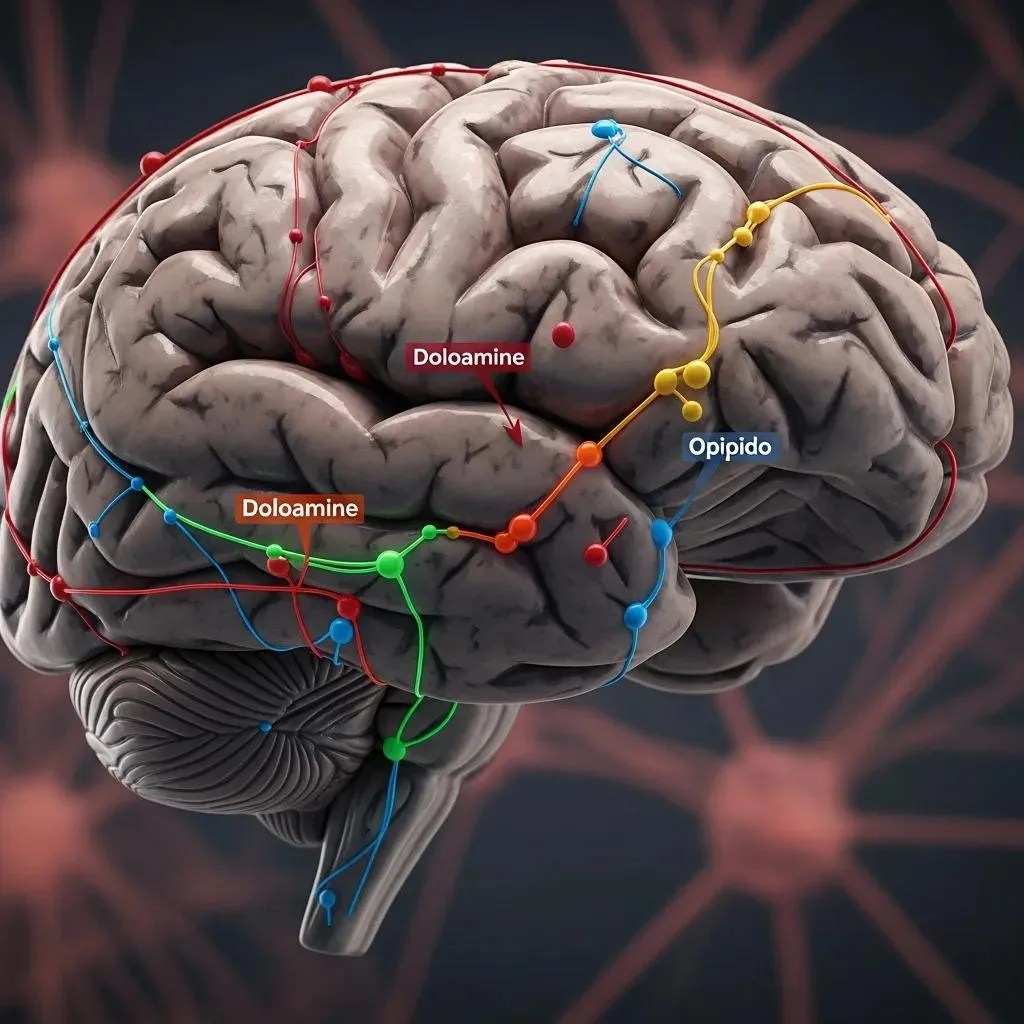
Addiction risk is polygenic — many genes together influence neurotransmission, receptor function, and neural plasticity. There isn’t one “addiction gene.” Variants in genes that code for receptors, transporters, and enzymes (for dopamine, opioid, and GABA systems, for example) change reward sensitivity, craving intensity, and stress reactivity. Knowing how specific genes work helps clinicians anticipate differences in substance response and in medication outcomes. Below is a concise list of key genes and why they matter clinically.
Key genes linked to addiction include:
- DRD2 (Dopamine receptor D2): Shapes dopamine signaling and reward response, influencing reinforcement and craving.
- OPRM1 (Mu-opioid receptor): Affects opioid binding and subjective drug effects, relevant to opioid and alcohol response.
- GABRA2 (GABA-A receptor alpha2): Impacts inhibitory signaling and alcohol sensitivity, tied to sedation and withdrawal risk.
These examples show how receptor-level differences translate into behavior and why personalized treatment often works best. Because addiction is polygenic, genetic testing alone rarely predicts outcomes; genetics is one piece of a broader clinical picture.
What Role Do Specific Genes Like DRD2 and OPRM1 Play in Addiction?
DRD2 encodes a dopamine receptor central to the mesolimbic reward pathway; certain DRD2 variants linked with lower receptor availability can drive stronger drug-seeking to reach sufficient reward. In effect, reduced D2 signaling can dim natural rewards so substances feel more compelling and habit formation accelerates. OPRM1 encodes the mu-opioid receptor, a key mediator of opioid and alcohol effects; variants can change receptor binding or signaling and alter pleasure, pain relief, and dependence risk. Clinically, knowing a person’s variant patterns can shape expectations about craving, medication response, and the degree of behavioral support needed. Understanding receptor genetics helps tailor monitoring and treatment decisions.
How Does the Dopamine Reward System Influence Genetic Addiction?
The dopamine reward system — centered in the ventral tegmental area, nucleus accumbens, and prefrontal cortex — drives reinforcement, motivation, and learning tied to substance use. Genetic differences that boost dopamine release, cut receptor density, or change reuptake alter reward salience, making drugs more reinforcing for some people and speeding up conditioned drug-seeking behavior. Behaviorally, this shows up as stronger cravings, quicker escalation of use, and trouble shifting attention from substance cues. Treatments that focus on reward-based learning, strengthen executive control, and use appropriate medications can help counteract genetically driven reward sensitivity and support lasting recovery.
How Do Genes and Environment Interact to Affect Addiction Risk?
Gene–environment interaction means genetic variants and life experiences combine so that environment changes how genetic risk is expressed and genes change sensitivity to environmental factors. A simple way to think about it: genetics can load the gun; environment pulls the trigger. Early trauma, peer use, chronic stress, or easy drug access can amplify inherited susceptibility, while protective families and stable environments can buffer it. Epigenetic processes — changes in gene expression without altering DNA sequence — are one biological route through which experience shapes long-term vulnerability. Below are common environmental factors that change genetic risk and practical prevention priorities.
Common environmental modifiers include:
- Adverse childhood experiences (ACEs): Early trauma raises stress reactivity and can interact with risk alleles to increase addiction likelihood.
- Peer influence and availability: Social circles that normalize use increase exposure and the chance that genetic risk turns into disorder.
- Chronic stress and socioeconomic adversity: Ongoing stress changes reward and control circuits, often amplifying genetic vulnerability.
These examples show how changing environments — through prevention, steady caregiving, and limiting exposure — can lower realized risk even when genetic vulnerability exists. That understanding naturally leads to the question of whether life experience can actually change genes’ activity.
Can Epigenetic Changes Modify Addiction Risk?
Epigenetics means chemical tags and chromatin changes that alter gene expression in response to life events without changing DNA sequence. These changes can affect addiction risk across a lifespan. For example, chronic stress or repeated drug use can change methylation patterns in genes that regulate stress and reward, increasing craving and relapse vulnerability. Some epigenetic marks are reversible through behavioral treatment, medication, and sustained abstinence, which suggests therapeutic windows to restore healthier gene expression. Applying epigenetic insight to care supports integrated approaches that reduce stress, promote neuroplasticity, and combine psychosocial and medical treatments.
This table illustrates how biological systems interact with environmental inputs to shape addiction risk and points to prevention and intervention targets. It underscores why early, environment-focused strategies matter alongside clinical care.
How Can Family History Inform Addiction Vulnerability?
Family history is a practical, accessible signal of elevated addiction risk and can guide monitoring, early evaluation, and tailored care plans. Gathering family history means recording which relatives used substances, types of substances, age of onset, patterns of relapse or remission, and co-occurring mental health diagnoses. That information helps clinicians estimate risk and set appropriate screening or intervention timelines. Behavioral traits that run in families — like impulsivity or mood disorders — also indicate higher vulnerability and call for preventive action. Below is a compact chart that translates common family patterns into suggested next steps for caregivers and clinicians.
What Are Common Traits Linked to Genetic Addiction?
Certain personality and psychiatric traits often cluster with hereditary addiction risk and serve as early warning signs. Impulsivity and high novelty-seeking predict earlier experimentation and faster escalation, while co-occurring mood and anxiety disorders raise the chance of self-medication and complicate recovery. Early-onset substance use, especially in adolescence, is a strong behavioral marker reflecting genetic and environmental factors. Clinically, these traits point to the need for screening, family-based prevention, and combined mental health and addiction treatment when concerns arise.
Can Addiction Skip a Generation?
Apparent “skipping” of addiction across generations happens because genetic effects interact with changing environments, variable expression, and epigenetic shifts. A grandparent’s history doesn’t guarantee grandchildren will be affected. Changes in exposure, protective caregiving, lifestyle differences, and incomplete penetrance of risk alleles all matter. For families, the practical message is vigilance, not fatalism: historical patterns justify early prevention and monitoring, but proactive steps like education and supportive environments can greatly reduce realized risk.
This practical table maps family patterns to actions that help families and clinicians prioritize assessments and prevention. Interpreting family history this way supports timely, evidence-informed decisions.
What Treatment Approaches Address Genetic Addiction?
Treatment that accounts for genetic vulnerability combines medical, behavioral, and supportive care to manage withdrawal, lower reinforcement, and build coping and executive control. Medical detox stabilizes the body and manages acute withdrawal. Inpatient or residential programs provide structured therapy and supervision. Outpatient counseling sustains skills-building and relapse prevention over time. Integrated care for co-occurring mental health conditions is essential because psychiatric disorders often worsen outcomes when genetic risk is present. Holistic therapies that improve stress regulation, sleep, and emotional balance — such as yoga, acupuncture, and mindfulness — can support recovery as complementary options.
This table summarizes core levels of care, their goals, and usual settings to guide decisions about the right level for each person. Choice of care should reflect withdrawal severity, medical needs, psychiatric comorbidity, and social supports.
How Does BetterChoice Tailor Treatment for Genetic Vulnerabilities?
BetterChoice Treatment Center in Las Vegas provides personalized assessments and coordinated care that address both genetic and environmental contributors to addiction. Their approach can include medical detox when needed, residential treatment for structured therapy, integrated care for co-occurring mental health concerns, and complementary therapies such as yoga, sound baths, and acupuncture to support stress reduction and relapse prevention. Intake usually begins with an assessment that reviews substance severity, medical and psychiatric needs, and family history to shape a tailored plan. BetterChoice aims to help Nevada residents find treatment options quickly and guide families through next steps, referrals, and access to evidence-based therapies.
Which Holistic Therapies Support Recovery from Genetic Addiction?
Holistic therapies add to medical and behavioral care by improving stress regulation, sleep, and emotional stability — areas that interact with genetic vulnerability and affect relapse risk. Yoga and mindfulness reduce stress reactivity and strengthen self-regulation. Acupuncture may ease cravings and withdrawal discomfort for some people when used alongside other treatments. Sound baths and nutrition-focused interventions can improve sleep and metabolic health, supporting cognitive control and mood during recovery. These modalities work best as part of a comprehensive plan that includes evidence-based psychotherapy and, when appropriate, medication-assisted treatment.
This table outlines how specific holistic approaches work and why they’re useful alongside standard treatment—especially when genetic factors affect stress sensitivity, sleep, or mood.
How Can Families Support Loved Ones with Hereditary Addiction?

Families are central to prevention, early action, and long-term recovery. You can shape the environment, model consistent boundaries, and help arrange care. Effective family strategies include communicating without judgment, setting clear safety-minded boundaries, and joining family therapy to repair relationships and build relapse-prevention plans. Practical steps also include collecting family history details, supporting timely clinical evaluation, and helping with treatment logistics like intake and insurance navigation. Prioritize safety, respect privacy, and keep predictable caregiving routines that reduce exposure to triggers while encouraging participation in integrated treatment.
What Role Does Family Therapy Play in Healing Genetic Addiction?
Family therapy addresses the relationship patterns that often sustain substance use and relapse by improving communication, resolving conflict, and coordinating relapse-prevention strategies across caregivers. Models like behavioral family therapy and systemic approaches focus on problem-solving, establishing routines, and creating contingency plans to reduce risk and support recovery. Families who engage in therapy gain tools to manage crises, spot early warning signs, and support aftercare. Referrals to family therapy can be arranged through treatment programs and local resources so caregivers get structured guidance during intake and throughout recovery.
Where Can Families Find Support and Resources?
Families should look for both local and national resources, confirm program legitimacy, and ask targeted questions at intake about accreditation, licensed clinicians, and integrated care for co-occurring disorders. National public health organizations offer research-backed guidance, and Nevada providers and treatment centers give practical access to evaluation and services. When contacting programs, ask about assessment steps, available levels of care (medical detox, inpatient, outpatient), family therapy options, and how the provider helps with insurance verification and navigation. These questions help families find reputable services that match clinical needs and safety concerns.
- Gather family history: Record relatives’ substances used, ages of onset, and psychiatric diagnoses to inform assessment.
- Request an integrated evaluation: Ask for assessments that cover substance use and co-occurring mental health conditions.
- Join family therapy: Take part in structured sessions to rebuild relationships and develop relapse-prevention plans.
- Prioritize safety and boundaries: Put in place concrete measures to limit access to substances and protect vulnerable household members.
These steps give families a clear, practical roadmap for supporting a loved one while protecting household stability and promoting evidence-based care. BetterChoice Treatment Center can help Nevada families with guidance on treatment options, intake pathways, and care coordination when seeking services in Las Vegas, Nevada.
Frequently Asked Questions
What are the signs of genetic predisposition to addiction?
Signs can include a family history of substance use disorders, early age of first use, and co-occurring mental health issues like anxiety or depression. Behavioral traits such as impulsivity, high novelty-seeking, or trouble managing stress also point to higher risk. Spotting these signs early helps families and clinicians take preventive steps, such as screening or counseling, and reduce exposure to triggering situations.
How can I assess my family’s risk for addiction?
Start by documenting relatives’ substance use patterns — which substances, ages of onset, and any mental health diagnoses. Note behavioral traits that recur in the family, like impulsivity or mood problems. Share this history with a healthcare provider to guide screening and prevention plans tailored to your family’s specific risk profile.
What preventive measures can families take against addiction?
Prevention includes open, honest conversations about substance use; clear household rules and boundaries; and activities that build healthy coping skills, like exercise or shared hobbies. Educating family members about risks and encouraging early help when warning signs appear can greatly reduce the chance of a substance use disorder developing.
How does early intervention impact addiction outcomes?
Early intervention improves outcomes by addressing problems before they worsen. Timely treatment and support help people develop coping skills, lower relapse risk, and improve overall mental health. Early steps can include targeted screening, education, and rapid access to counseling or treatment programs — all of which increase the odds of long-term recovery.
What role do support groups play in recovery from addiction?
Support groups provide a community of peers who understand addiction’s challenges. They offer emotional support, practical strategies, and accountability—helpful complements to formal treatment. For many people, group connection reduces isolation and stigma and makes it easier to stay engaged in recovery.
Can lifestyle changes help mitigate genetic addiction risks?
Yes. Regular exercise, balanced nutrition, good sleep, stress-reduction practices like mindfulness or yoga, and strong social connections all boost resilience and reduce the likelihood of using substances to cope. Stable, supportive environments also lower realized risk, even for those with inherited vulnerability.
Conclusion
Knowing how genetics and environment interact gives families actionable tools to prevent and treat substance use disorders. Recognizing hereditary risk — and the ways to reduce it — helps people make informed choices about care and support. Connecting with resources like BetterChoice Treatment Center can ease access to tailored treatment that addresses both biological and environmental factors. If this topic affects you or someone you love, taking the next step to get an assessment and build a personalized plan can lead to a healthier future.